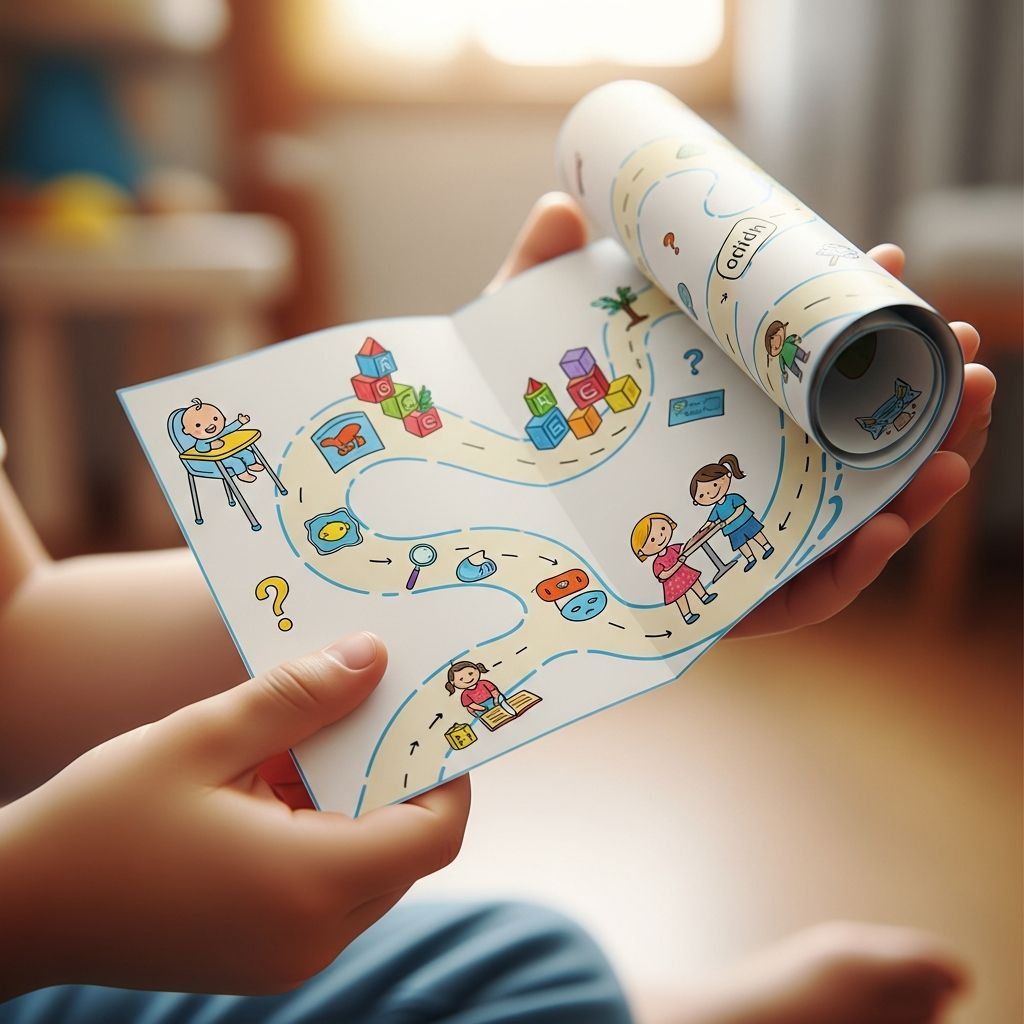
Lying in children is a normal part of cognitive and social growth, signaling advancements in brain development rather than moral failure. From simple false statements in toddlers to sophisticated deceptions in teens, this behavior evolves with age and reflects key milestones like theory of mind—the ability to recognize that others hold different beliefs and knowledge.
The Cognitive Foundations of Lying
At its core, a child’s ability to lie demonstrates executive functioning skills, including impulse control, working memory, and perspective-taking. Research indicates that even by age two, children begin experimenting with falsehoods, coinciding with the emergence of these skills. For instance, holding two conflicting ideas—the truth and a fabricated story—requires mental flexibility that marks significant progress.
Psychologists have outlined a progression: primary lies (ages 2-3) are basic and often unintentional, secondary lies (around age 4) aim to hide mistakes but leak inconsistencies, and tertiary lies (ages 7-8+) are more convincing. This model, developed by Talwar and Lee, ties lying proficiency to cognitive maturation.
Lying in Toddlers (Ages 2-3): The Dawn of Deception
During the toddler years, children produce their first false statements, often to deny minor transgressions or express wishes, like claiming ‘I didn’t touch the cookies’ after clear evidence. These are rudimentary, as young brains lack the capacity for elaborate cover-ups.
This stage aligns with early theory of mind development, where kids grasp that adults cannot read their minds. It’s a milestone: antisocial lies appear before prosocial ones because they demand less cognitive effort. Parents may notice ‘semantic leakage’—stories that unravel under questioning due to inconsistency.
- Common triggers: Avoiding punishment for small acts like spilling milk.
- Signs of growth: Ability to distinguish own knowledge from others’.
- Response tips: Gently correct without shaming; model truth-telling.
Preschoolers (Ages 4-6): Hiding Transgressions
By preschool, children understand lying is wrong and can conceal misdeeds more intentionally, such as blaming a sibling for a broken toy. Cognitive advances allow them to consider the listener’s perspective, though lies remain obvious—often told at inopportune times or without alibis.
Studies show 4-year-olds lie to achieve goals like rewards, but their deceptions fail due to poor planning. Around this age, second-order belief understanding emerges, enabling lies about others’ beliefs (e.g., ‘Mom thinks I cleaned my room’).
| Age Range | Lie Type | Cognitive Skill Involved | Example |
|---|---|---|---|
| 4-5 | Transgression denial | First-order theory of mind | ‘The dog ate my homework.’ |
| 5-6 | Goal-oriented | Impulse control | ‘I finished all my veggies’ to get dessert. |
Parents should respond calmly, focusing on emotions: ‘It’s okay to feel scared; let’s talk about what happened.’ This builds trust without confrontation.
Early School Age (Ages 6-8): Sophisticated Cover-Ups
Entering elementary school, children master plausible explanations, maintaining lies under scrutiny—77% of 7-8-year-olds do so versus 29% of preschoolers. They now embed motives, like feigning illness to skip school.
This proficiency links to advanced theory of mind and inhibitory control; lies become tools for social navigation. Moral understanding deepens too—kids differentiate antisocial lies (e.g., stealing) from prosocial ones (e.g., white lies to spare feelings).
- Reasons: Peer pressure, avoiding embarrassment.
- Red flags: Frequent inconsistencies signaling deeper issues.
- Strategies: Praise honesty; discuss lie consequences logically.
Middle Childhood (Ages 8-12): Nuanced and Social Lies
Children refine lying for social acceptance, exaggerating feats to impress friends or crafting alibis seamlessly. Executive functions solidify, allowing flexible thinking to sustain complex narratives.
Prosocial lying increases, like complimenting a friend’s drawing despite dislike, reflecting empathy growth. However, habitual lying may indicate stress or low self-esteem—watch for patterns.
Research correlates lie maintenance with second-order beliefs, where kids deceive about what others think someone else believes.
Adolescence (Ages 12+): Complex Motivations
Teens lie more subtly, often about autonomy, relationships, or achievements, driven by identity formation and peer dynamics. Cognitive maturity enables adult-like detection and production of irony, sarcasm, and context-aware falsehoods.
Emotional factors dominate: hiding distress, seeking independence, or testing boundaries. While concerning if excessive, it’s often exploration.
Why Do Children Lie? Core Motivations
Beyond development, lies stem from:
- Fear of punishment: Primary driver in young kids.
- Social fitting: Exaggerations for peer approval.
- Imagination testing: Blurring reality-fiction lines.
- Empathy practice: Prosocial fibs to protect feelings.
- Emotional coping: Masking anxiety or low confidence.
Effective Parenting Strategies Across Ages
Promote honesty through modeling, open dialogue, and positive reinforcement. Avoid traps like ‘Did you do this?’—opt for ‘What happened?’
| Age Group | Do’s | Don’ts |
|---|---|---|
| 2-5 | Redirect gently; label feelings | Label as ‘liar’; over-punish |
| 6-10 | Praise truth; natural consequences | Interrogate aggressively |
| 11+ | Discuss ethics; build autonomy | Invade privacy without cause |
Consistent routines reduce lying incentives. If persistent, assess for learning issues or distress—therapy aids emotional regulation.
When Lying Signals Bigger Concerns
Occasional lies are normal, but chronic patterns with withdrawal, aggression, or academic drops warrant professional input. Link to cognitive delays? It may indicate catch-up growth.
Frequently Asked Questions (FAQs)
Is lying a sign of good brain development?
Yes, it reflects theory of mind and executive skills growth, a positive milestone.
How can I encourage honesty without punishment?
Model it, praise truthful moments, and create safe spaces for admitting mistakes.
At what age do kids lie most convincingly?
Around 7-8, with plausible alibis; proficiency peaks in adolescence.
Should I confront every lie?
No—pick battles, focus on patterns, and address root emotions.
Are prosocial lies okay?
They show empathy, but teach context to distinguish from harmful ones.
References
- Social and Cognitive Correlates of Children’s Lying Behavior — PMC (Talwar & Lee model referenced). 2012-10-15. https://pmc.ncbi.nlm.nih.gov/articles/PMC3483871/
- Why Children Lie: Developmental Stages and What They Mean — The New Hope MHCS. 2023-05-12. https://www.thenewhopemhcs.com/why-children-lie-developmental-stages-and-what-they-mean/
- The Truth About Lying — Scholastic. 2022-08-20. https://www.scholastic.com/parents/family-life/social-emotional-learning/development-milestones/truth-about-lying.html
- Why Kids Lie, and Why It’s Okay — Mind Chicago. 2024-03-10. https://www.mindchicago.com/articles/why-kids-lie-and-why-its-okay
- Why Lying is a Developmental Milestone — Gemm Learning. 2023-11-05. https://www.gemmlearning.com/blog/learning-issues/lying-child-learning-issues/
- Understanding and Responding to Child Lying — Nurtured First. 2024-01-22. https://nurturedfirst.com/toddler/child-lying-solutions/
- Age-by-age guide to lying — Huckleberry Care. 2023-09-18. https://huckleberrycare.com/blog/age-by-age-guide-to-lying