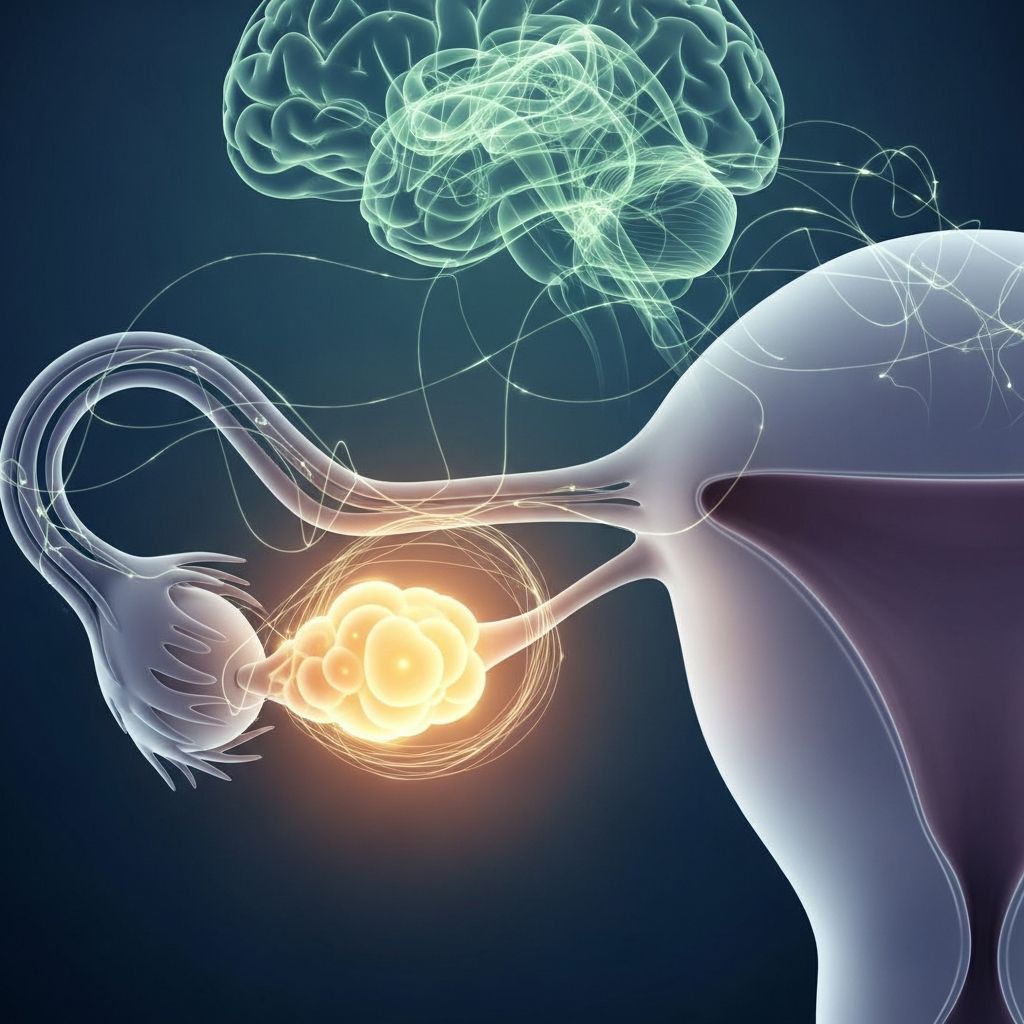
The luteal phase represents a critical segment of the menstrual cycle, occurring after ovulation and setting the stage for potential pregnancy or the onset of menstruation. This period, driven primarily by progesterone, transforms the uterine environment to support implantation while influencing overall well-being through various physiological changes.
The Menstrual Cycle Overview: Positioning the Luteal Phase
A typical menstrual cycle spans about 28 days, though normal variations range from 21 to 35 days. It comprises four main phases: menstruation, follicular phase, ovulation, and luteal phase. The luteal phase specifically bridges ovulation and the next menstrual period, beginning immediately after the egg’s release from the ovary.
During the preceding follicular phase, follicle-stimulating hormone (FSH) prompts ovarian follicles to mature, culminating in ovulation around day 14 in a standard cycle. Post-ovulation, the luteal phase takes over, lasting from roughly day 15 to day 28. This phase’s consistency—averaging 12 to 14 days—contrasts with the more variable follicular phase, making it a reliable marker for cycle analysis.
Biological Processes: What Drives the Luteal Phase
Following ovulation, the ruptured follicle transforms into the corpus luteum, a temporary endocrine structure. This corpus luteum secretes high levels of progesterone, with some estrogen, to maintain the thickened endometrial lining developed earlier in the cycle.
Progesterone’s primary roles include:
- Thickening and stabilizing the uterine lining for embryo implantation.
- Inhibiting uterine contractions to protect a potential pregnancy.
- Promoting glandular development in the endometrium for nutrient secretion.
- Suppressing further ovulation by reducing FSH and luteinizing hormone (LH).
If fertilization occurs, the embryo produces human chorionic gonadotropin (hCG) to sustain the corpus luteum beyond its usual lifespan. Without pregnancy, the corpus luteum degenerates after about 14 days, causing progesterone levels to drop sharply. This hormonal decline triggers endometrial shedding, initiating menstruation.
Duration and Variability Across Cycles
Experts consistently note the luteal phase’s average length as 14 days, starting the day after ovulation and ending the day before bleeding begins. Normal ranges extend from 11 to 17 days, influenced by factors like age, stress, and health conditions.
| Cycle Length | Typical Ovulation Day | Luteal Phase Start | Luteal Phase Length |
|---|---|---|---|
| 21 days | ~Day 7 | Day 8 | 13 days |
| 28 days | ~Day 14 | Day 15 | 14 days |
| 35 days | ~Day 21 | Day 22 | 13 days |
This table illustrates how luteal phase timing adjusts within shorter or longer cycles, remaining relatively fixed.
Hormonal Dynamics and Their Effects
Progesterone dominates, peaking mid-phase, while estrogen rises moderately before declining. These shifts affect multiple systems: basal body temperature elevates due to progesterone, cervical mucus thickens, and breast tissue may become tender.
Gonadotropins like FSH and LH decrease, preventing new follicle development. In pregnancy, sustained hormones support early gestation; otherwise, the cascade leads to menses.
Recognizing Luteal Phase Symptoms
Many experience heightened sensitivity during this phase, often termed premenstrual syndrome (PMS). Common indicators include:
- Mood fluctuations: Irritability, anxiety, or mild depression from progesterone’s neurotransmitter influence.
- Physical discomfort: Breast tenderness, bloating, headaches, and food cravings, linked to fluid retention and metabolic changes.
- Energy shifts: Fatigue or insomnia as body temperature rises.
- Digestive issues: Constipation from progesterone’s muscle-relaxing effects.
Symptoms typically emerge 5-11 days before menstruation and resolve with its onset. Severity varies; about 20-30% report significant disruption, warranting lifestyle or medical attention.
Fertility Insights During the Luteal Phase
Post-ovulation, the window for conception closes, but implantation occurs here if sperm fertilizes the egg en route. Progesterone fosters a receptive uterus, crucial for early pregnancy success. Tracking luteal length aids fertility assessment; shorter phases (<10 days) may signal luteal phase defect, reducing implantation chances.
For conception efforts, confirming ovulation via kits or apps pinpoints this phase, optimizing timing.
Challenges: When the Luteal Phase Goes Awry
Abnormalities include:
- Short luteal phase: Under 10 days, often from insufficient progesterone, linked to anovulation or stress.
- Long luteal phase: Over 17 days without pregnancy, possibly indicating delayed ovulation or early pregnancy.
- Luteal phase defect: Inadequate progesterone, causing early miscarriage risk; diagnosed via biopsy or serial blood tests.
Contributing factors: thyroid disorders, PCOS, excessive exercise, or perimenopause. Persistent irregularities merit gynecological evaluation.
Wellness Strategies for Luteal Phase Balance
Support hormonal harmony through:
- Diet: Emphasize magnesium-rich foods (nuts, greens), complex carbs, and omega-3s to ease PMS.
- Exercise: Moderate activities like yoga or walking; avoid high-intensity to prevent cortisol spikes.
- Sleep and stress management: Prioritize 7-9 hours nightly; mindfulness reduces symptom intensity.
- Supplements: Consult for vitamin B6, calcium, or chasteberry if deficient.
- Cycle tracking: Apps monitor symptoms, predicting phase transitions.
Medical Interventions and Monitoring
For severe PMS or defects, options include hormonal contraceptives to regulate cycles, progesterone supplements, or SSRIs for mood. Blood tests measure progesterone levels around day 21. Advanced tracking uses ovulation predictor kits or basal thermometers.
Frequently Asked Questions About the Luteal Phase
Can the luteal phase length change from month to month?
Yes, minor variations occur due to stress or illness, but consistent short phases (<11 days) should be checked by a doctor.
Does a longer luteal phase mean I’m pregnant?
It could indicate early pregnancy, but confirm with a test; other causes like hormonal imbalances exist.
How does the luteal phase affect my mood?
Progesterone fluctuations influence serotonin, potentially causing irritability or sadness in sensitive individuals.
Is it normal to have no luteal phase symptoms?
Absolutely; symptom absence doesn’t indicate issues if cycles are regular and fertility is not a concern.
Can diet improve luteal phase symptoms?
Yes, anti-inflammatory foods and balanced blood sugar help mitigate bloating, cravings, and mood swings.
Mastering luteal phase knowledge empowers proactive health management, enhancing comfort and reproductive understanding.
References
- Clearblue: Luteal Phase Length, Symptoms and How to Calculate — Clearblue. 2023. https://www.clearblue.com/menstrual-cycle/luteal-phase
- Luteal Phase: Symptoms, Length, and More — WebMD. 2023-10-12. https://www.webmd.com/women/luteal-phase
- Understanding the Four Phases of the Menstrual Cycle — Moreland OB/GYN. 2023. https://www.morelandobgyn.com/blog/4-phases-of-the-menstrual-cycle
- Menstrual Cycle – Women’s Health Issues — Merck Manuals. 2024. https://www.merckmanuals.com/home/women-s-health-issues/biology-of-the-female-reproductive-system/menstrual-cycle
- Physiology, Menstrual Cycle — StatPearls, NCBI Bookshelf. 2023-07-04. https://www.ncbi.nlm.nih.gov/books/NBK500020/
- Luteal Phase — Wikipedia (informed by primary sources). 2024. https://en.wikipedia.org/wiki/Luteal_phase