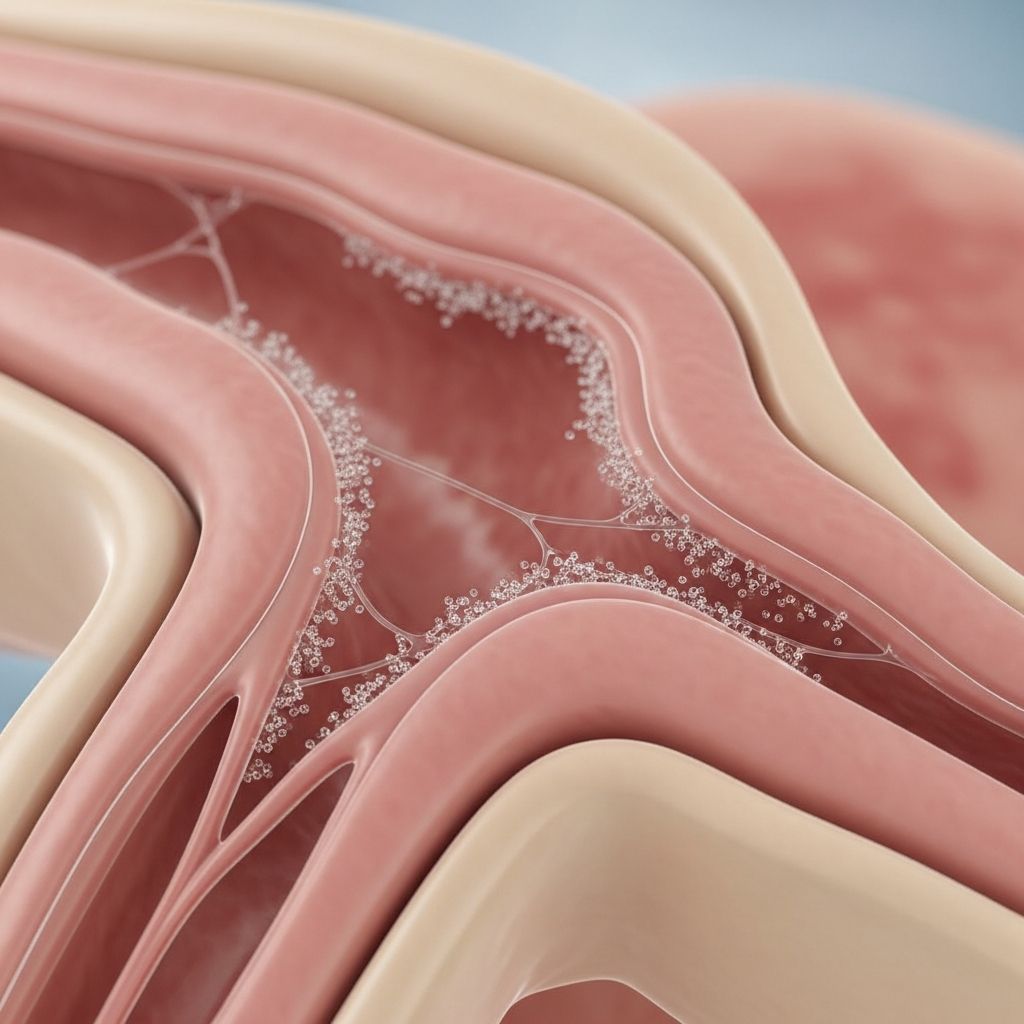
Cervical mucus plays a vital role in reproductive health by facilitating sperm transport during fertile windows. When production is low or absent, it can raise concerns about fertility, dryness, or underlying conditions. This comprehensive guide examines the physiology, potential causes, evaluation methods, and solutions for insufficient cervical mucus.
The Essential Role of Cervical Mucus in Fertility
Cervical mucus, produced by glands in the cervix, undergoes dynamic changes throughout the menstrual cycle driven by hormonal fluctuations. In the follicular phase, rising estrogen levels transform the mucus from thick and sticky to clear, stretchy, and slippery—often likened to egg whites. This fertile-quality mucus creates a protective pathway for sperm to swim through the cervix into the uterus and fallopian tubes, optimizing chances of fertilization.
Post-ovulation, under progesterone influence, mucus thickens again, forming a barrier against pathogens. Women tracking fertility often monitor these shifts via methods like the Billings Ovulation Method or sympto-thermal tracking. Absence of this hallmark fertile mucus can hinder sperm survival and motility, though it rarely stands alone as a primary infertility cause.
Common Indicators of Reduced Cervical Mucus
Women may notice scant or no cervical mucus through self-observation. Key signs include:
- Persistent vaginal dryness, especially mid-cycle when mucus peaks normally.
- Lack of the slippery, clear discharge signaling ovulation.
- Discomfort or itching in the vaginal area due to reduced lubrication.
- Painful intercourse from insufficient natural moisture.
- Irregular cycles or absent periods alongside dry phases.
These symptoms often align with cycle phases but warrant attention if chronic, particularly for those trying to conceive.
Primary Physiological Causes
Hormonal Imbalances and Anovulation
Anovulation, the absence of ovulation, disrupts estrogen surges needed for mucus production. Without follicle development, estrogen remains low, yielding minimal or no fertile mucus. Common in polycystic ovary syndrome (PCOS) or stress-related cycles, anovulation manifests as irregular periods and absent egg-white discharge.
Perimenopause or menopause further lowers estrogen, thinning vaginal tissues and reducing glandular output. This genitourinary syndrome of menopause (GSM) affects up to 50% of postmenopausal women, causing dryness and atrophy.
Cycle Phase Variations
It’s normal to experience dry days post-ovulation or pre-period as progesterone dominates. However, consistent absence across fertile windows suggests issues beyond normal variation.
Medical Conditions Affecting Mucus Production
Beyond hormones, structural and infectious factors impair mucus.
| Condition | Impact on Mucus | Associated Risks |
|---|---|---|
| Cervical Stenosis | Narrowed cervical canal blocks mucus flow and sperm entry. | Often from surgery like cone biopsy for dysplasia. |
| Cervicitis/Infections | Alters mucus quality, allowing bacteria to kill sperm. | Gonorrhea, chlamydia; tested via swab. |
| Antisperm Antibodies | Rare; mucus contains sperm-killing proteins. | Immune response post-infection or trauma. |
Other contributors include diabetes, Sjögren’s syndrome (autoimmune dryness), or post-hysterectomy changes, all reducing moisture.
Evaluating and Diagnosing the Issue
Professional assessment starts with a detailed history: cycle patterns, mucus observations, intercourse pain, and discharge changes. A pelvic exam checks for cervical narrowing, scarring, or inflammation.
If infection suspected—via abnormal discharge or risk factors—cervical swabs test for gonorrhea and chlamydia. Postcoital tests (rarely used now) once evaluated sperm-mucus interaction, but ultrasounds and hormone panels better assess ovulation and estrogen.
Basal body temperature charting or ovulation predictor kits confirm anovulation. For dryness, doctors rule out GSM via symptoms and exam.
Treatment Options and Management Strategies
Addressing Infections and Structural Issues
Antibiotics clear cervicitis; surgical dilation or procedures resolve stenosis. These restore normal mucus flow effectively.
Hormonal Therapies
For anovulation, medications like clomiphene or letrozole stimulate ovulation and estrogen, boosting mucus. Estrogen creams or rings alleviate menopausal dryness, prescribed after evaluation.
Lifestyle and Supportive Measures
- Hydrate well and avoid douching, which strips natural moisture.
- Use fertility-friendly lubricants like Pre-Seed during trying-to-conceive.
- Track cycles with apps for patterns.
- Manage stress via yoga; limit caffeine/alcohol.
- For breastfeeding moms, dryness is common—patience as hormones normalize.
Over-the-counter moisturizers (non-spermicidal) help GSM symptoms, but consult if persistent.
Fertility Implications and When to Seek Help
While low mucus contributes to infertility in select cases (e.g., with stenosis), it’s seldom the sole factor. Couples should investigate after 12 months unprotected trying (6 months over 35). Fertility specialists integrate mucus evaluation into full workups, including semen analysis and tubal checks.
Consult promptly for irregular cycles, pain, or unusual discharge to prevent complications like pelvic inflammatory disease.
Frequently Asked Questions
Is no cervical mucus a sign of infertility?
Not necessarily; it’s rarely the main cause but can indicate treatable issues like infections or anovulation. Evaluation clarifies.
Can vaginal dryness affect conception?
Yes, by impeding sperm transport, but lubricants and treatments mitigate this during fertile windows.
How does menopause impact cervical mucus?
Estrogen decline reduces production, causing dryness; localized therapies restore comfort.
Should I worry about dry days before my period?
Normal post-ovulation; concern arises if absent during expected fertile phase or with other symptoms.
What tests confirm cervical mucus problems?
Pelvic exam, infection swabs, hormone levels, and ovulation tracking.
Empowering Reproductive Wellness
Monitoring cervical mucus fosters body awareness, aiding family planning. Persistent low levels merit medical input for tailored solutions. With prompt care, most women optimize fertility and comfort.
References
- Infertility Problems With Cervical Mucus — Robert W. Rebar, MD, Merck Manual. 2023. https://www.merckmanuals.com/home/women-s-health-issues/infertility-and-recurrent-miscarriage/infertility-problems-with-cervical-mucus
- Infertility Problems With Cervical Mucus — Robert W. Rebar, MD, MSD Manual. 2023. https://www.msdmanuals.com/en-jp/home/women-s-health-issues/infertility/infertility-problems-with-cervical-mucus
- No discharge before your period: Potential causes — Medical News Today. 2023-10-12. https://www.medicalnewstoday.com/articles/no-discharge-before-your-period
- Vaginal Dryness: Causes, Symptoms and More — Clearblue. 2024. https://www.clearblue.com/fertility/vaginal-dryness
- Anovulation: Signs, Symptoms, Causes & Treatment — Cleveland Clinic. 2023-08-28. https://my.clevelandclinic.org/health/diseases/21698-anovulation
- Female infertility – Symptoms & causes — Mayo Clinic. 2023-11-09. https://www.mayoclinic.org/diseases-conditions/female-infertility/symptoms-causes/syc-20354308