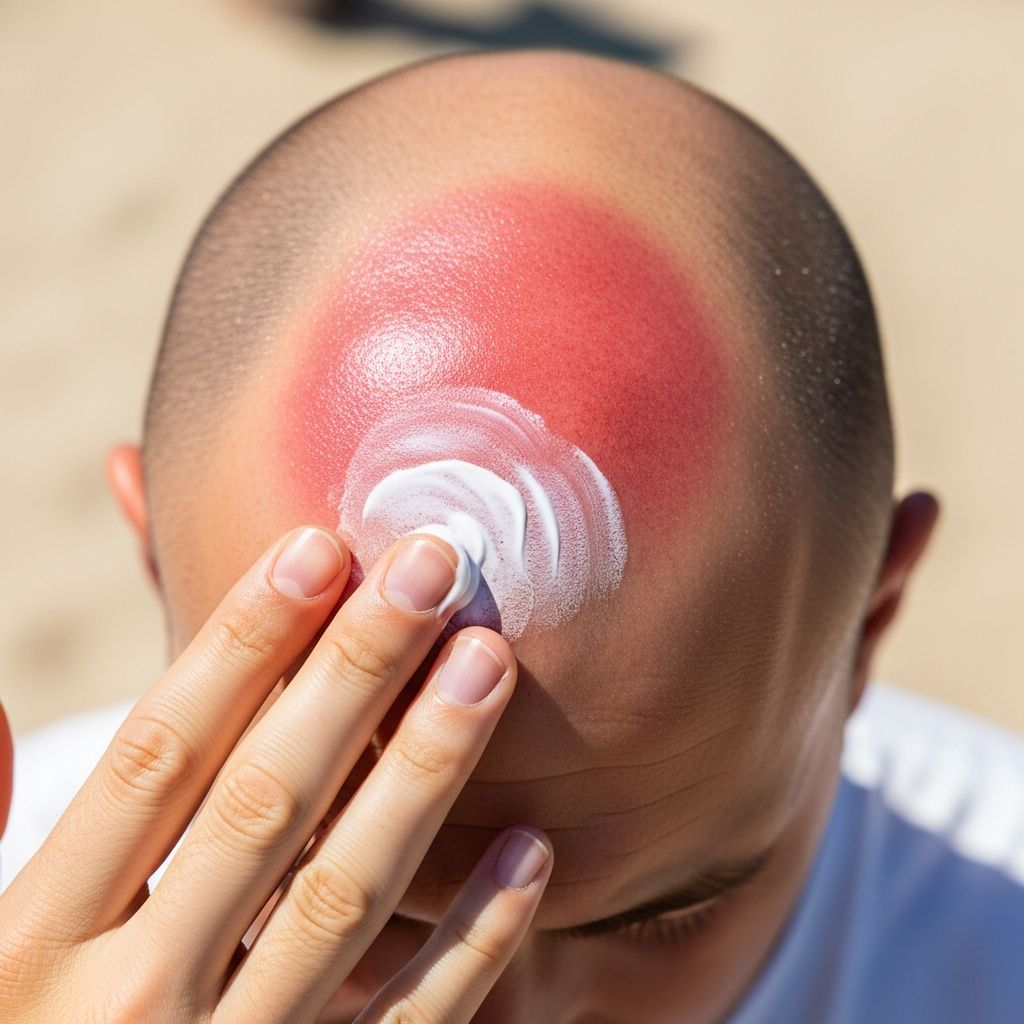
Exposed scalp skin, particularly on balding heads, absorbs intense ultraviolet radiation without hair’s natural barrier, leading to rapid burns, chronic damage, and elevated cancer threats. This comprehensive guide explores the unique vulnerabilities of bare scalps, immediate relief methods, proactive defenses, and medical interventions to safeguard skin health long-term.
The Hidden Dangers of Unprotected Scalp Exposure
Bare scalp areas receive direct UV bombardment, amplifying damage compared to haired regions or body skin. Without follicles providing shade, UV penetration reaches deeper layers, triggering inflammation, DNA mutations, and accelerated aging. Studies link repeated exposure to precancerous lesions on the scalp, with bald individuals facing heightened risks due to constant vulnerability.
Symptoms emerge swiftly: initial tingling escalates to throbbing pain, visible redness, and heat. Severe cases blister, peel, or flake, mimicking dandruff but signaling deeper harm. Over time, unchecked burns foster actinic keratoses—rough, scaly precursors to squamous cell carcinoma—affecting 5-10% of untreated scalp spots. Reflected rays from surfaces like water or pavement intensify this, even under partial cover.
Why Bald Spots Amplify Sunburn Severity
Hair acts as a built-in filter, scattering UV rays before they scorch skin beneath. Bald or thinning crowns lack this, exposing thin, sensitive epidermis directly. Lighter skin tones with less melanin suffer most, as pigment offers innate defense.
- Direct UV Access: No hair barrier means full-spectrum UVA/UVB hits, causing instant erythema and long-term photoaging.
- Thinner Skin Layers: Scalp dermis holds fewer protective cells, prolonging healing and increasing blister risks.
- High Visibility Zones: Crowns and parts endure peak midday rays, worsening outcomes during routine activities.
- Cumulative Toll: Daily micro-damage builds, drying skin, spawning spots, and weakening cancer resistance.
Self-examination proves challenging on the scalp, delaying detection of subtle changes like persistent roughness or discoloration.
Immediate Steps to Alleviate Burning Sensations
Upon detecting scalp tenderness, prioritize damage control to curb progression. Cool the area without extremes to soothe nerves and reduce swelling.
- Get indoors or under shade instantly, halting further UV intake.
- Apply chilled, damp cloths for 10-15 minutes, avoiding ice packs that constrict vessels harmfully.
- Take oral anti-inflammatories like ibuprofen per label guidelines to ease pain and puffiness.
Hydration accelerates recovery: consume ample water alongside antioxidant-rich produce to combat internal inflammation. Shun heat tools, tight hairstyles, or fragranced products that irritate raw skin.
Effective Home Remedies for Healing and Comfort
Natural soothers prove invaluable for mild to moderate burns, locking in moisture while promoting cell repair. Select gentle, non-comedogenic options tailored for scalp use.
| Remedy | Benefits | Application Tips |
|---|---|---|
| Aloe Vera Gel | Cools instantly, hydrates, speeds regeneration | Apply pure gel post-shower to damp scalp; reapply 3x daily |
| Soy Moisturizers | Reduces pain, retains moisture via barrier | Massage lightly; ideal for ongoing use |
| Hydrocortisone Cream (1%) | Diminishes itching and redness | Use sparingly on unbroken skin; consult doc for blisters |
| Oatmeal Compress | Anti-inflammatory, calms flaking | Brew colloidal oats in cool water, apply 20 mins |
Avoid petroleum-based ointments like Vaseline, which trap heat and invite infections by occluding pores. Similarly, skip numbing agents such as benzocaine, prone to allergic reactions on burned tissue. Opt for fragrance-free, sulfate-free shampoos during recovery to prevent added stress.
Blister Management and Infection Prevention
Fluid-filled blisters signal second-degree injury; handle delicately to foster healing and avert complications. Centers for Disease Control guidelines emphasize preservation.
- Leave intact: Intact skin shields against bacteria, hastening closure.
- Bandage loosely with sterile gauze for friction protection.
- If ruptured: Cleanse gently, trim dead edges, apply antibiotic ointment, and cover.
Watch for pus, fever, or spreading red streaks—signs warranting professional care to combat cellulitis or deeper issues.
Proactive Strategies to Shield Your Scalp Daily
Prevention trumps treatment; integrate scalp defense into routines for bald or sparse-haired individuals.
Sunscreen Selection: Broad-spectrum SPF 30+ formulas in sprays, sticks, or powders penetrate parts without greasiness. Hair-specific mists nourish while blocking rays. Reapply every 2 hours outdoors, extending to hairlines.
Physical Barriers: Wide-brimmed hats or scalp caps diffuse 90%+ of UV, ideal for extended exposure. UPF-rated fabrics enhance efficacy.
Timing Tactics: Sidestep 10 AM-4 PM peaks; seek shade during high-risk windows.
Leave-in oils or SPF conditioners fortify ongoing protection, countering dryness from cumulative rays.
Long-Term Consequences and Cancer Connections
Beyond acute pain, recurrent scalp burns erode skin integrity. Photoaging manifests as wrinkles, hyperpigmentation, and leathery texture. Critically, UV-induced mutations spawn actinic keratoses, progressing to malignancy in vulnerable scalps.
Dermatological data underscores head/neck cancers’ prevalence in balding men, urging vigilance. Monthly self-checks and annual professional exams detect anomalies early.
Advanced Interventions for Persistent Damage
For chronic issues like widespread keratoses, escalate to specialists. Options include:
- Photodynamic Therapy (PDT): Light-activated creams target precancers precisely.
- Laser Resurfacing: CO2 lasers ablate damaged layers, boosting collagen.
- Topicals/Oral Aids: Nicotinamide or retinoids halt progression.
Pair with dermatologist-recommended routines for optimal outcomes.
Frequently Asked Questions
Can scalp sunburn cause permanent hair loss?
Severe burns damage follicles locally but rarely affect surrounding growth; full hair typically persists.
How long does scalp sunburn last?
Mild cases fade in 3-5 days with care; blisters extend to 1-2 weeks.
Is powder sunscreen effective for scalps?
Yes, for parts and thins—reapply frequently for full coverage.
Does hat-wearing suffice without sunscreen?
Hats block most rays but pair with SPF for gaps and sweat washout.
When to seek medical help for scalp burns?
At blistering, infection signs, or non-healing spots over 2 weeks.
Building a Resilient Scalp Care Routine
Sustain scalp vitality through layered defense: morning SPF application, midday hat checks, evening gentle cleansing with hydrators. Monitor for changes, hydrate internally, and prioritize shade. Bald or not, consistent habits avert the worst burns and preserve skin longevity.
Empower your routine with education—understand UV’s stealthy assault on exposed crowns to act decisively. Professional input elevates care, especially post-damage.
References
- What Can You Do About a Sunburned Scalp? — Nioxin. 2023. https://www.nioxin.com/en-US/blog/scalp-and-dandruff/what-can-you-do-about-a-sunburned-scalp
- How to Prevent and Treat Sunburn on a Bald Head: A Practical Guide — Comme Homme. 2024. https://commehomme.com/blogs/editorial/how-to-prevent-and-treat-sunburn-on-a-bald-head-a-practical-guide
- Scalp Sunburn: How It Happens, How to Heal, and Prevention Tips — GoodRx. 2025-01-15. https://www.goodrx.com/health-topic/dermatology/how-to-treat-scalp-sunburn
- Sun Damage on the Scalp — Parkwood Skin Clinic. 2024. https://parkwoodskinclinic.com/sun-damage-on-the-scalp/
- Save Your Scalp from Sun Damage! — Skin Cancer Foundation. 2023-06-12. https://www.skincancer.org/blog/save-your-scalp-from-sun-damage/
- Sunburned Scalp: Will I Lose My Hair? — Hospital Capilar. 2024. https://hospitalcapilar.com/en/cuero-cabelludo-quemado/