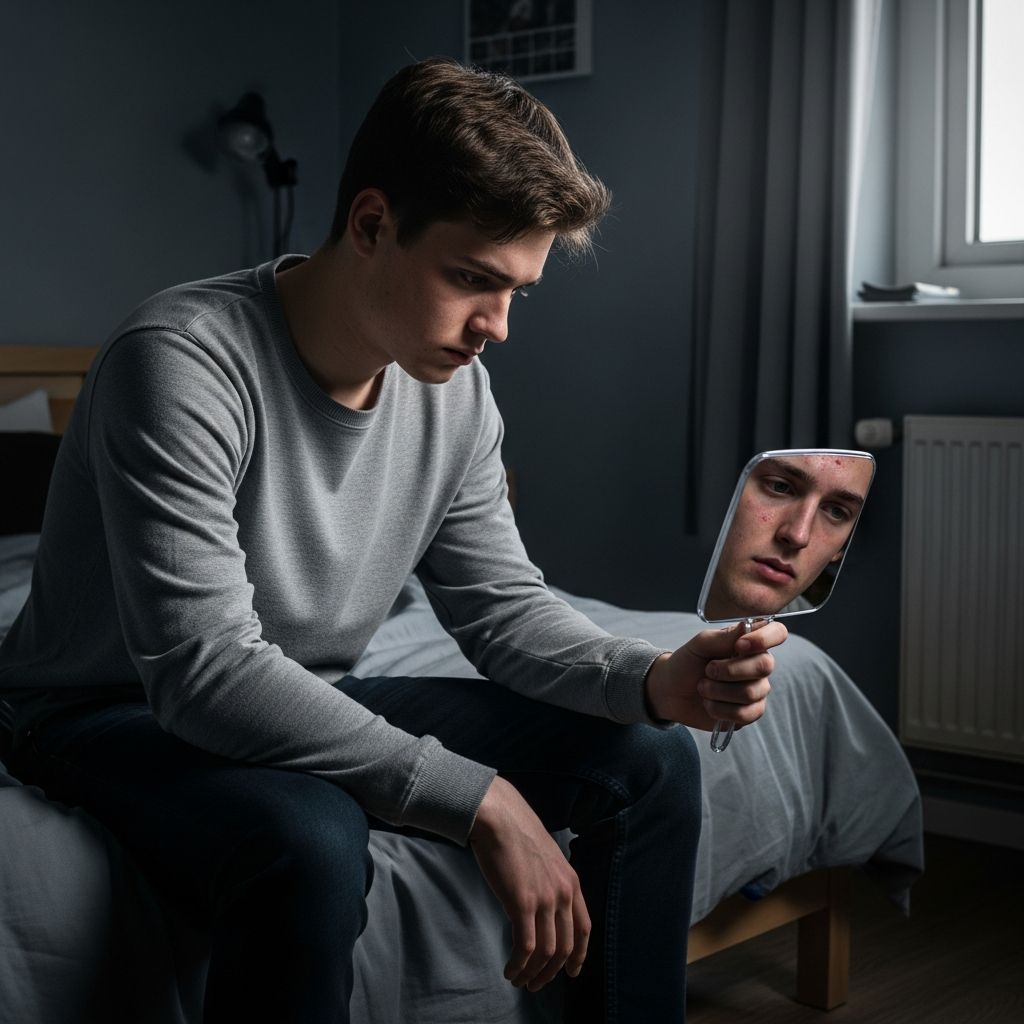
Online trends like looksmaxxing promise teenage boys a path to attractiveness through extreme self-modification, but they often deliver physical injuries, mental distress, and lifelong regrets. Rooted in social media forums, this phenomenon rates facial features on scales of desirability, urging users toward dangerous interventions from DIY trauma to invasive surgeries.
Understanding the Looksmaxxing Phenomenon
Looksmaxxing emerged from niche internet communities where young men post photos for anonymous critiques, receiving numerical ratings that classify them as ‘Chads’ (top-tier attractive) or ‘subhumans’ (irredeemable). These forums, attracting millions monthly, frame appearance as the key to success in dating, careers, and social status, pressuring teens to ‘ascend’ via targeted changes.
Participants dissect bone structure, jawlines, and eye shapes, promoting techniques like ‘mewing’—a pseudoscientific tongue posture method claiming to reshape the face—or more radical options such as leg-lengthening operations. What begins as grooming tips escalates into a culture of relentless self-scrutiny, where low ratings equate to personal failure.
- Common entry points: Skincare routines and gym advice.
- Escalation risks: Photo ratings leading to body hatred.
- Community scale: Sites with 6 million monthly visitors analyzed in recent studies.
How Online Ratings Fuel Body Insecurity
The core mechanic of looksmaxxing involves uploading selfies for community judgment on a 1-10 scale, tied to ‘masculine ideals’ like sharp jawlines and broad shoulders. Scores below 4/10 label users as ‘subhuman,’ with advice ranging from ‘rope’ (suicide euphemism) to costly fixes. This ‘hegemonic masculine gaze’ medicalizes normal variations, turning bodies into flawed projects.
| Rating Category | Description | Typical Advice |
|---|---|---|
| 8-10 (Chad) | Peak attractiveness | Maintain with minimal effort |
| 5-7 (Normie) | Average, improvable | Mewing, gym, skincare |
| 1-4 (Subhuman) | Life ‘over’ | Surgery or self-harm |
Such systems demoralize users, positioning them as ‘failed men’ unworthy of happiness unless transformed.
Physical Risks of Popular Looksmaxxing Techniques
Many looksmaxxing methods bypass medical oversight, leading to documented injuries. ‘Bone smashing,’ for instance, involves striking the face with hammers to supposedly widen cheekbones or sharpen jaws—a practice with zero scientific backing but viral appeal.
- Bone Smashing: Causes fractures, nerve damage, crooked healing, vision threats, and dental issues.
- Mewing: Tongue pressure on palate; ineffective for adults, risks TMJ disorders.
- Leg Lengthening: Surgical bone-breaking with external fixators; high infection rates, chronic pain.
- Implants/Fillers: Jaw or cheek enhancements; complications include migration, asymmetry.
Teens, with developing bodies, face amplified dangers—facial growth plates can misalign permanently from trauma.
Mental Health Toll: From Demoralization to Self-Harm
Beyond physical harm, looksmaxxing instills ‘masculine demoralization,’ where men internalize appearance as manhood’s measure. Forums withhold approval unless ideals are met, fostering isolation and despair. Studies of 8,000+ comments reveal users urged toward suicide if deemed unfixable.
This echoes body dysmorphic disorder (BDD), where perceived flaws dominate life. Adolescent boys, navigating identity formation, are prime targets; algorithms amplify extreme content, trapping them in echo chambers.
Communities position looksmaxxing as empowerment, yet deliver a gaze that finds most men wanting, spurring harmful interventions.
The Role of Toxic Masculinity in Amplifying Harm
Looksmaxxing reinforces ‘hegemonic masculinity’—rigid ideals of dominance via physical perfection. Forums blend self-improvement rhetoric with misogyny, racism, and homophobia, alienating users further while excusing toxicity as ‘real talk.’
This environment harms not just participants but society, normalizing violence against self and others. Boys chasing unattainable ‘hunter eyes’ or ‘slayer frames’ neglect holistic development like skills or relationships.
Signs Parents Should Watch For
Parents may spot looksmaxxing via secretive phone use, sudden skincare obsessions, or facial bruising dismissed as accidents. Teens might reference terms like PSL (rating scale), NT (neurotypical success), or mogging (out-attracting others).
- Withdrawal from family/social activities.
- Fixation on mirrors or photo editing apps.
- Mood swings tied to online feedback.
- Purchases of orthotropics devices or surgery consultations.
Protective Strategies for Families
Counter looksmaxxing by fostering media literacy and open dialogues on beauty standards. Encourage balanced self-care: exercise for health, not aesthetics; therapy for body image concerns.
- Monitor app usage; discuss viral trends factually.
- Promote diverse role models beyond looks.
- Seek professionals: Pediatricians for physical checks, therapists for BDD screening.
- Build resilience: Emphasize character, talents over appearance.
Schools can integrate digital wellness curricula, addressing manosphere influences.
Safer Alternatives to Looksmaxxing Hype
Evidence-based enhancements exist without risks:
| Method | Benefits | Evidence Level |
|---|---|---|
| Weight Training | Builds muscle, boosts confidence | High (NIH studies) |
| Balanced Nutrition | Supports skin/hair health | High |
| Cognitive Behavioral Therapy | Combats dysmorphia | High (APA guidelines) |
| Orthodontic Consults | Professional jaw alignment | Medium-High |
Avoid unproven fads; consult MDs for any changes.
Frequently Asked Questions
What exactly is looksmaxxing?
A trend where young men seek to maximize facial and body attractiveness via online advice, often escalating to harmful practices.
Is bone smashing effective?
No; it causes irreversible damage without structural benefits. Safer clinical options like fillers exist under supervision.
How can I help my son if he’s involved?
Listen without judgment, limit screen time, and connect to counselors specializing in adolescent mental health.
Does mewing work for jaw improvement?
Limited evidence for children; negligible in teens/adults. Risks outweigh unproven gains.
Why target teen boys specifically?
Vulnerable developmental stage meets algorithm-driven content, amplifying insecurities.
Policy and Platform Responsibilities
Social media must curb harmful content; researchers call looksmaxxing a public health issue warranting intervention. Platforms could flag self-harm language and promote positive body resources.
In summary, while seeking self-improvement is natural, looksmaxxing’s extremes undermine it. Guiding teens toward healthy habits protects their futures.
References
- When Help Is Harm: Health, Lookism and Self‐Improvement in Looksmaxxing Communities — Michael Halpin et al., NIH/PMC. 2024. https://pmc.ncbi.nlm.nih.gov/articles/PMC11896937/
- Media opportunity: Increasingly popular ‘looksmaxxing’ sites can harm rather than help young men — Dalhousie University. 2025-06-02. https://www.dal.ca/news/media/media-releases/2025/06/02/media_opportunity__increasingly_popular__looksmaxxing__sites_can_harm_rather_than_help_young_men__making_some_feel_like_failures_in_the__manosphere___dalhousie_university_research.html
- Bone Smashing, Looksmaxxing & Other Trends Shaping Young Men’s Faces: Myths, Risks, Safer Paths — PerfectB. 2024. https://www.perfectb.com/bone-smashing-looksmaxxing-other-trends-shaping-young-mens-faces-myths-risks-safer-paths/