Bringing new life into the world is a monumental achievement, yet it profoundly alters a woman’s physiology in ways that can persist for decades. From musculoskeletal shifts to elevated risks of chronic conditions, understanding these transformations empowers mothers to navigate recovery effectively.
Understanding the Physiological Overhaul After Delivery
The human body undergoes extraordinary adaptations during pregnancy to support fetal growth, but delivery marks the onset of a complex reversal process. Hormonal cascades, tissue remodeling, and organ repositioning create a new baseline for health that demands attention long after the newborn phase.
Research indicates that over one-third of women face persistent health challenges post-childbirth, affecting at least 40 million annually worldwide.This underscores the need for proactive postpartum care beyond the typical six-week checkup.
Hormonal Transitions and Their Enduring Echoes
Pregnancy hormones like estrogen and progesterone surge dramatically, then plummet post-delivery, influencing everything from mood to metabolism. Prolactin and oxytocin rise to facilitate lactation and bonding, but these shifts can disrupt neurotransmitter balance, leading to prolonged fatigue, libido changes, and weight retention.
| Hormone | Postpartum Shift | Potential Long-Term Impacts |
|---|---|---|
| Estrogen | Sharp decline | Mood instability, vaginal dryness, bone density concerns |
| Progesterone | Sharp decline | Sleep disturbances, anxiety exacerbation |
| Prolactin | Increased | Enhanced milk production, potential suppression of ovarian function |
| Oxytocin | Fluctuating peaks | Strengthened maternal bonds, but risk of emotional overwhelm |
| Cortisol | Post-peak decline | Stress sensitivity, adrenal fatigue |
Thyroid dysfunction may emerge, contributing to postpartum depression in susceptible individuals. These imbalances often resolve within months but can linger, necessitating thyroid screening for persistent symptoms.
Musculoskeletal and Skeletal Adaptations
Carrying additional weight—up to 25% more—strains the skeleton and muscles. Relaxin loosens ligaments for birth, but residual laxity affects joints in the pelvis, hips, and feet. Many women report permanent foot size increases, requiring new footwear.
Diastasis recti, where abdominal muscles separate, impacts up to 60% of pregnancies. This core instability causes back pain, poor posture, and a persistent abdominal bulge. Strengthening exercises targeting the transverse abdominis can mitigate this over 6-12 months.
- Joint instability: Pelvic girdle pain may continue, managed with physical therapy.
- Foot changes: Arch flattening leads to plantar fasciitis.
- Spinal adjustments: Lordosis from pregnancy weight shifts posture permanently in some cases.
Pelvic Floor Dynamics: A Core Vulnerability
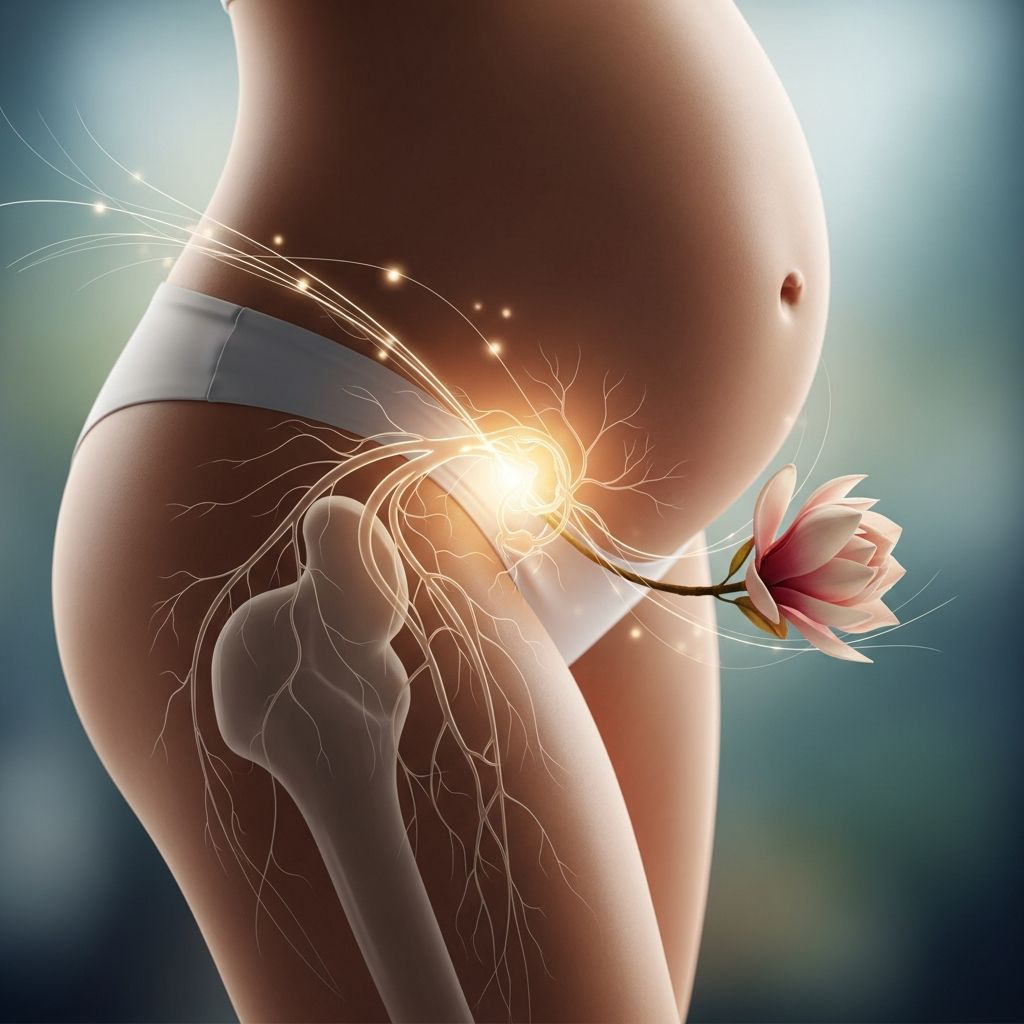
The pelvic floor stretches 2.5 times during vaginal delivery, risking tears in muscles, nerves, and tissues. Approximately 25% of U.S. women develop disorders like urinary incontinence (affecting 21% post-spontaneous vaginal birth, 36% with forceps), fecal incontinence, or prolapse.
Symptoms may delay onset, appearing years later. Vaginal births heighten risks, but C-sections do not eliminate them due to pregnancy pressures alone. Dr. John De Lancey notes the pelvic floor’s irreplaceable role in birth leads to lifelong consequences for many.
Prevention includes prenatal Kegels; treatment spans pelvic floor therapy, pessaries, or surgery for 20% of cases. Early intervention prevents progression.
Cardiovascular and Metabolic Legacy
Preeclampsia, gestational diabetes, and preterm labor signal future risks. Women with preeclampsia face 8-fold higher cardiovascular mortality, especially with preterm delivery. Early-onset cases link to poor placentation, yielding left ventricular dysfunction persisting postpartum in 60% of preterm cases.
Gestational diabetes elevates Type 2 diabetes odds within 5-10 years. Placental syndromes—impaired spiral artery remodeling—underlie these, associating with hypertension, stroke, and metabolic syndrome later.Annual screenings post-complications are vital.
- Preeclampsia history: 15-fold hypertension risk within 2 years.
- Gestational hypertension: Circulatory disease predisposition.
- Low birthweight infants: Maternal CVD mortality surge.
Mental Health Trajectories Postpartum
One in five women experiences depression or anxiety post-birth, amplified by hormonal flux and sleep deprivation. Postpartum thyroiditis contributes to 10% of cases. Chronic issues like pelvic pain exacerbate emotional strain, forming a feedback loop.
Screening at multiple intervals—2 weeks, 6 weeks, 6 months—improves outcomes. Therapy, support groups, and medication address this holistically.
Immediate Postpartum Physical Realities
Short-term changes like uterine involution pains, hemorrhoids, breast engorgement, and hair loss (telogen effluvium) resolve in weeks. Night sweats from hormonal withdrawal and lochia (vaginal bleeding) last 4-6 weeks. Perineal trauma heals with sitz baths and hygiene.
Heavy bleeding or fever signals complications like hemorrhage or infection, requiring urgent care.
Navigating Recovery: Practical Roadmap
Recovery is nonlinear; full restoration spans 1-2 years. Key strategies:
- Pelvic therapy: 8-12 weeks postpartum, twice weekly.
- Nutrition: Anti-inflammatory diet supports hormone balance.
- Exercise: Graduated core and cardio rebuilds strength.
- Sleep hygiene: Partner shifts maximize rest.
- Mental check-ins: Validate struggles to reduce isolation.
Track symptoms via apps; consult specialists for lingering issues.
Long-Term Wellness Imperatives
Complications foreshadow 50-year health trajectories. Women with adverse outcomes need lifelong CVD monitoring—blood pressure, lipids, glucose. Lifestyle mitigates risks: 150 minutes weekly exercise, Mediterranean diet, stress reduction.
Advocacy for extended postpartum care—up to 12 months—gains traction globally.
Frequently Asked Questions (FAQs)
How long do pelvic floor issues last after childbirth?
Many improve within 6-12 months with therapy, but 10-25% persist lifelong without intervention. Early exercises prevent worsening.
Does C-section avoid pelvic floor damage?
No—pregnancy strain affects all; C-sections reduce some risks but not prolapse or incontinence fully.
Can diastasis recti fully heal?
Yes, in 40-60% with targeted rehab; surgery for severe cases unresponsive after a year.
What raises preeclampsia recurrence risk?
Preterm onset, multiples, obesity; low-dose aspirin prophylaxis advised in high-risk cases.
Is postpartum depression preventable?
Risk reducible via social support, omega-3s, light therapy; screen all mothers routinely.
References
- Long-Term Effects of Pregnancy Complications on Maternal Health — PMC/NCBI. 2017-08-15. https://pmc.ncbi.nlm.nih.gov/articles/PMC5575578/
- The Lasting Impact of Pregnancy on the Body: Both Physically and Mentally — Americord Registry. 2023-11-07. https://www.americordblood.com/articles/the-lasting-impact-of-pregnancy-on-the-body-both-physically-and-mentally
- More than a third of women experience lasting health problems after childbirth — World Health Organization (WHO). 2023-12-07. https://www.who.int/news/item/07-12-2023-more-than-a-third-of-women-experience-lasting-health-problems-after-childbirth
- How Pregnancy Affects a Lifetime of Health — American Physiological Society. 2024-11-01. https://www.physiology.org/publications/news/the-physiologist-magazine/2024/november/how-pregnancy-affects-a-lifetime-of-health
- Postpartum complications: What you need to know — Mayo Clinic. 2025-01-10. https://www.mayoclinic.org/healthy-lifestyle/labor-and-delivery/in-depth/postpartum-complications/art-20446702