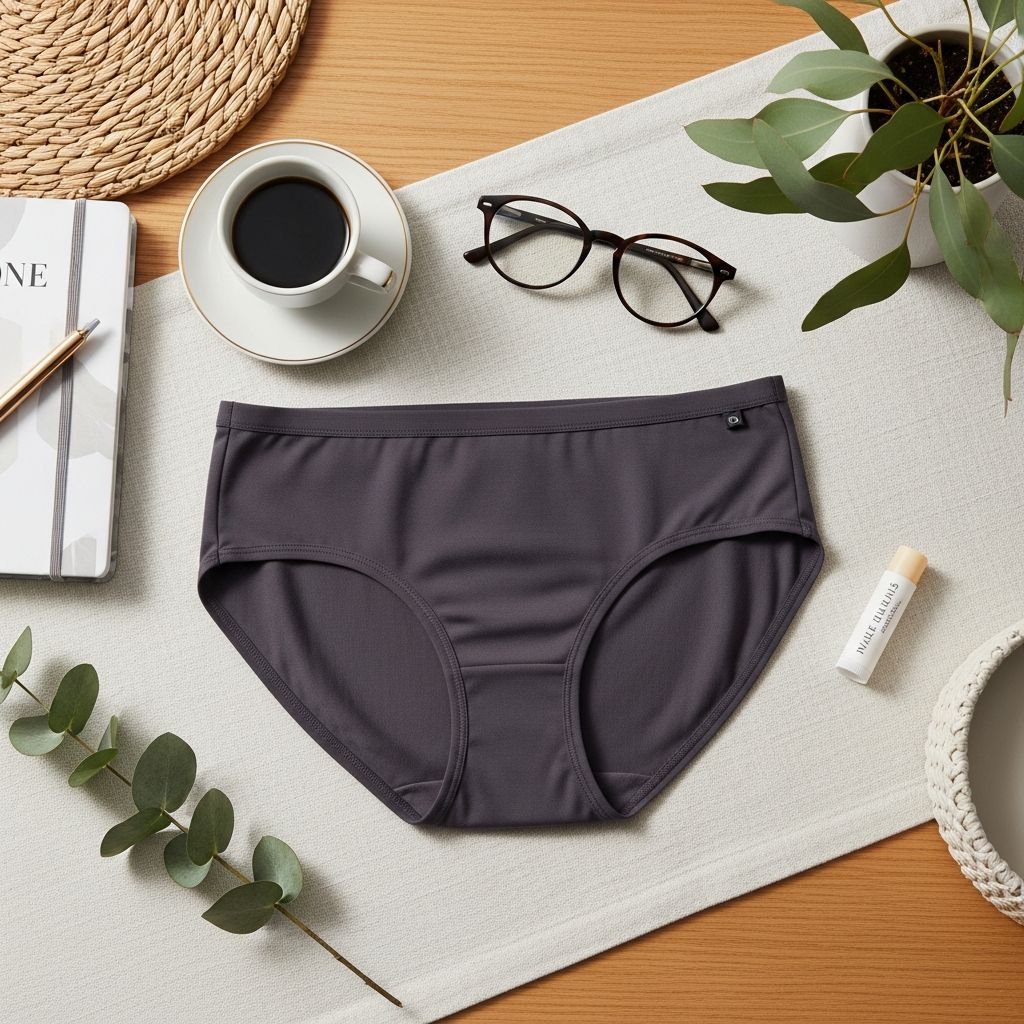
Most women expect to outgrow their jeans during pregnancy, but few are prepared for how much their underwear habits will change. Between extra discharge, the occasional sneeze-induced leak, and unpredictable period cycles before and after pregnancy, a basic cotton bikini often cannot keep up.
Leak-resistant underwear offers a practical, comfortable, and surprisingly stylish solution. Instead of juggling pantyliners, disposable pads, and emergency outfit changes, you can wear thoughtfully designed panties that quietly handle moisture while still looking and feeling like regular lingerie.
Why Modern Women Need Smarter Underwear
From the first trimester to well into postpartum, your body is working overtime. Hormones, blood volume, and pelvic pressure all shift dramatically, and one result many people do not talk about is just how damp everyday life can feel. A small investment in better underwear can save a lot of stress and laundry.
- Pregnancy discharge often increases, and many women prefer extra coverage without bulky liners.
- Light bladder leaks during coughing, laughing, or exercising are very common, especially in late pregnancy and after birth.
- Postpartum bleeding and spotting can be irregular, and period cycles may be unpredictable for months.
- Active lifestyles, hot climates, and tight clothing can make sweat and odor more noticeable.
If you have ever carried a backup pair of underwear in your bag “just in case,” leak-resistant styles are designed exactly for you.
What Makes Leak-Resistant Underwear Different?
Leak-resistant panties look deceptively simple from the outside. The real magic lies in the gusset—the layered, absorbent section that sits where a traditional pantyliner would go. Instead of disposable products, the layers in the fabric quietly manage moisture and odor.
- Multi-layer gusset: Typically includes a soft inner layer against your skin, an absorbent core, and a thin, breathable barrier to help prevent moisture from soaking through to your clothes.
- Strategic coverage: The gusset often extends higher in the front and farther back than standard underwear, giving more protection during movement or when lying down.
- Moisture management: Many designs use wicking fibers to pull dampness away from the skin into inner layers, reducing that sticky, wet feeling.
- Odor control: Some fabrics and finishes help minimize odor from sweat, discharge, or light leaks.
Good leak-resistant underwear should feel like regular panties when you put them on—no crinkly layers, no plastic feeling, and no bulky seams.
Common Types of Leaks and How These Panties Help
Leak-resistant styles are not only for heavy periods. They are useful throughout many stages of life, including pregnancy, postpartum, and beyond.
| Type of Leak | Typical Situation | Recommended Features |
|---|---|---|
| Increased discharge | Pregnancy, ovulation, hormonal changes | Light-absorbent gusset, breathable inner layer, extended coverage |
| Light bladder leaks | Coughing, sneezing, laughing, jumping | Moderate absorption core, leak barrier, secure leg openings |
| Spotting and surprise periods | Postpartum cycle returning, irregular periods | Moderate absorption, wider gusset front to back, dark-colored lining |
| Post-workout sweat | Exercise, hot climates, daily commuting | Fast-wicking inner layer, breathable outer fabric, odor-control fibers |
Pregnancy: Comfort and Confidence as Your Body Changes
During pregnancy, many women feel like their bodies suddenly belong to someone else. Swapping scratchy, too-tight underwear for soft, leak-resistant styles can restore a sense of control and comfort. The right pair supports your growing bump and expanding hips while quietly catching extra discharge or the odd leak.
- Look for stretchy waistbands that sit comfortably under or over your bump without digging in.
- Seek ultra-soft fabrics that will not irritate sensitive skin or rub against stretching areas.
- Choose a size that allows a little room to grow, especially during the second and third trimesters.
Because discharge usually increases with pregnancy, many people find that leak-resistant underwear reduces their reliance on disposable pantyliners, which can feel damp and need frequent changing.
Postpartum: Managing Bleeding and Unpredictable Leaks
After childbirth, it is normal to experience heavier bleeding at first, followed by weeks of lighter spotting, discharge, and occasional bladder leaks. Disposable mesh panties and pads often take center stage in the hospital, but once that phase passes, reusable leak-resistant underwear can bridge the gap between heavy pads and your old pre-baby undies.
- In the early days, leak-resistant underwear can act as backup under disposable pads, catching any overflow or side leaks.
- As bleeding tapers, you may be able to rely on higher-absorbency styles alone for day-to-day wear.
- Soft, high-rise cuts can feel especially good over sensitive bellies or healing incisions.
Even months after delivery, when you think everything has settled down, it is common for a sudden sneeze or hard laugh to cause a little leak. Keeping a few trusted pairs in your rotation can make outings feel more carefree.
Not Just for Pregnancy: Everyday and Period Use
Leak-resistant underwear is not a single-purpose purchase. Many people start using them in pregnancy and then continue wearing them for the rest of their lives because they are so practical for periods and daily comfort.
- Period days: Use them alone on light days or as backup with cups, tampons, or pads on heavy days.
- Exercise and travel: Enjoy extra security on long flights, running errands, or workouts, especially when restrooms are not always nearby.
- Perimenopause: Hormonal shifts can cause irregular spotting and new bladder quirks; leak-resistant styles provide discreet backup.
Owning a mix of absorbency levels allows you to match your underwear to your day instead of guessing what your body might do.
Key Features to Look For When You Shop
Not all leak-resistant underwear is created equal. When you are evaluating different brands and styles, pay attention to the details that affect comfort, performance, and appearance.
- Absorbency rating: Many brands describe capacity in terms such as “light,” “moderate,” or equivalent to a certain number of tampons; choose according to your needs.
- Gusset length and placement: A longer gusset that extends well up the front and back offers better protection when you are active or sleeping.
- Breathable materials: Natural fibers blended with technical fabrics can balance comfort and performance, helping reduce odor and irritation.
- Seam placement: Flat seams or bonded edges help prevent chafing and visible lines under clothing.
- Waistband design: Wide, soft waistbands are kinder to a growing or recovering belly than thin elastic bands.
Remember that your body might change size during pregnancy and postpartum. It can be worth buying a small set now and another later, instead of stocking up on one size that may not fit for the entire journey.
Style and Fit: You Can Have Both
Leak-resistant does not have to mean plain, beige, or boring. Many modern designs borrow details from traditional lingerie—lace trims, flattering cuts, and beautiful colors—while still protecting against leaks. You can feel like yourself even when your body and routines are changing.
- Bikini and hipster: Great for everyday wear under jeans, leggings, and skirts; often sit comfortably under a bump.
- High-waisted briefs: Ideal for postpartum support or anyone who loves a vintage-inspired silhouette and extra belly coverage.
- Boyshorts: Offer more coverage around the hips and thighs and can double as lounge shorts at home.
- Seamless styles: Designed for body-hugging dresses or leggings where visible lines are a concern.
Picking colors you actually like—rich neutrals, pastels, deep jewel tones—can make wearing practical underwear feel like a deliberate style choice instead of a compromise.
Care and Washing Tips for Leak-Resistant Underwear
Leak-resistant fabrics need gentle care to maintain performance over time. Fortunately, the routine is straightforward once you get used to it. Treat them a bit like athletic wear: avoid heavy conditioners and extremely high heat, which can clog fibers or damage waterproof layers.
- Rinse after use: For heavier leaks or period days, rinse in cool water until it runs mostly clear.
- Use mild detergent: Choose a detergent without fabric softeners or bleach, which can affect absorbency and elastic.
- Wash cool or warm: Follow the care label, but in general, cooler cycles are gentler on technical fibers.
- Skip fabric softener: Softeners coat fibers and can reduce moisture-wicking performance.
- Air dry: Lay flat or hang dry to protect elastic and laminated layers from high dryer heat.
When cared for properly, good-quality leak-resistant underwear can last for many months or years, making it a cost-effective alternative to steady purchases of disposable liners.
Building a Practical Leak-Resistant Underwear Drawer
It is not necessary to replace your entire underwear drawer at once. Think about the times you are most likely to worry about leaks, and build a small, targeted collection around those needs. A thoughtful mix of styles and absorbencies can cover most scenarios.
- Start with 3–4 pairs for pregnancy discharge and everyday light leaks.
- Add 2–3 higher-absorbency pairs for periods, postpartum spotting, or heavier leaks.
- Include at least one seamless or smooth style for fitted clothing or special occasions.
- Rotate them with your regular underwear to extend the life of each pair.
Over time, you will probably reach for leak-resistant styles more often, especially on days when you will be out of the house for long stretches without easy access to a private bathroom.
FAQs About Leak-Resistant Underwear
Do leak-resistant panties replace pads and tampons?
For light leaks, spotting, or mild discharge, leak-resistant underwear can often be worn alone. For heavier period flow or immediately after birth, most people prefer to use them as backup under pads, cups, or tampons, then gradually rely on them more as bleeding slows.
Will anyone be able to tell I am wearing special underwear?
From the outside, most leak-resistant designs look like regular panties. The gusset may be slightly thicker than a standard pair, but under clothing there is usually no visible difference, especially with seamless or smooth-edge styles.
Are they safe for sensitive skin?
Many brands choose soft inner layers and avoid harsh chemicals or fragrances. If you have very sensitive skin, look for styles that highlight breathable fabrics, hypoallergenic dyes, and minimal seams touching your inner thighs and vulva.
How many pairs do I really need?
That depends on how often you experience leaks and how frequently you do laundry. A small wardrobe of five to seven pairs is plenty for many people, especially when combined with regular underwear and other period products. If you are pregnant or newly postpartum, you might appreciate a few extra pairs while your laundry schedule adjusts.
Can I use them overnight?
Yes, many people wear leak-resistant underwear to bed for peace of mind. For nights, look for styles with a gusset that extends high up the back and front, since leaks can travel as you change positions during sleep. Pairing them with a pad or cup on very heavy nights offers added security.
Do they feel bulky or like wearing a diaper?
Quality leak-resistant underwear is designed to feel much thinner than a disposable pad. While the gusset may feel slightly more cushioned than a typical cotton pair, it should still be soft, flexible, and comfortable to sit, walk, and exercise in.
What about environmental impact?
Using reusable leak-resistant underwear generally reduces reliance on disposable pantyliners and pads. That means less waste headed to landfills and fewer emergency runs to the store. Choosing durable styles and caring for them well maximizes that environmental benefit.
Making Peace With Leaks—and Your Lingerie Drawer
There is no way to make pregnancy, postpartum recovery, or hormonal shifts perfectly tidy, but you do not have to feel unprepared or embarrassed. Thoughtfully designed leak-resistant underwear offers a quiet layer of protection that supports your real life: working, traveling, raising kids, running errands, and everything in between.
By choosing styles that fit well, feel soft, and reflect your taste, you turn a purely practical purchase into a small daily comfort. Instead of worrying about stains or constantly checking for leaks, you can focus on living your life—with a little extra security built right into your favorite pair of undies.