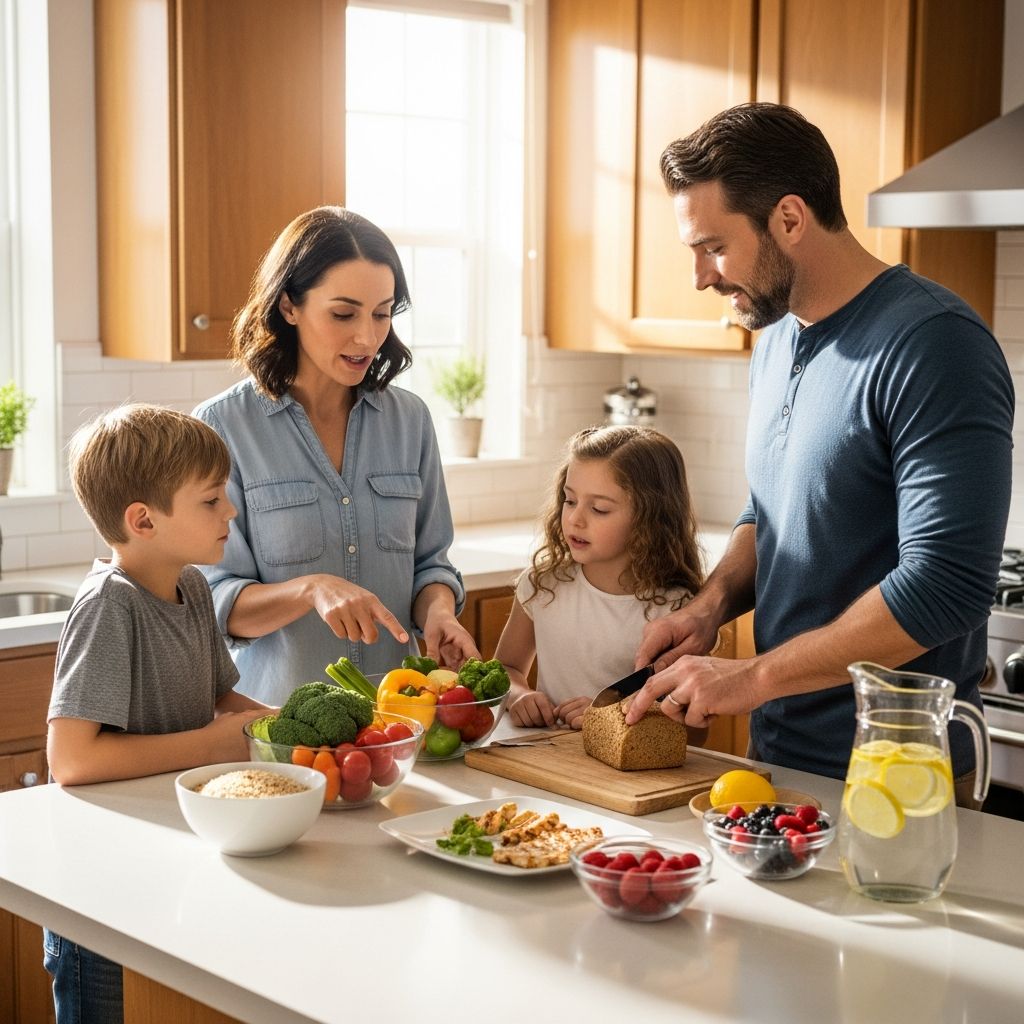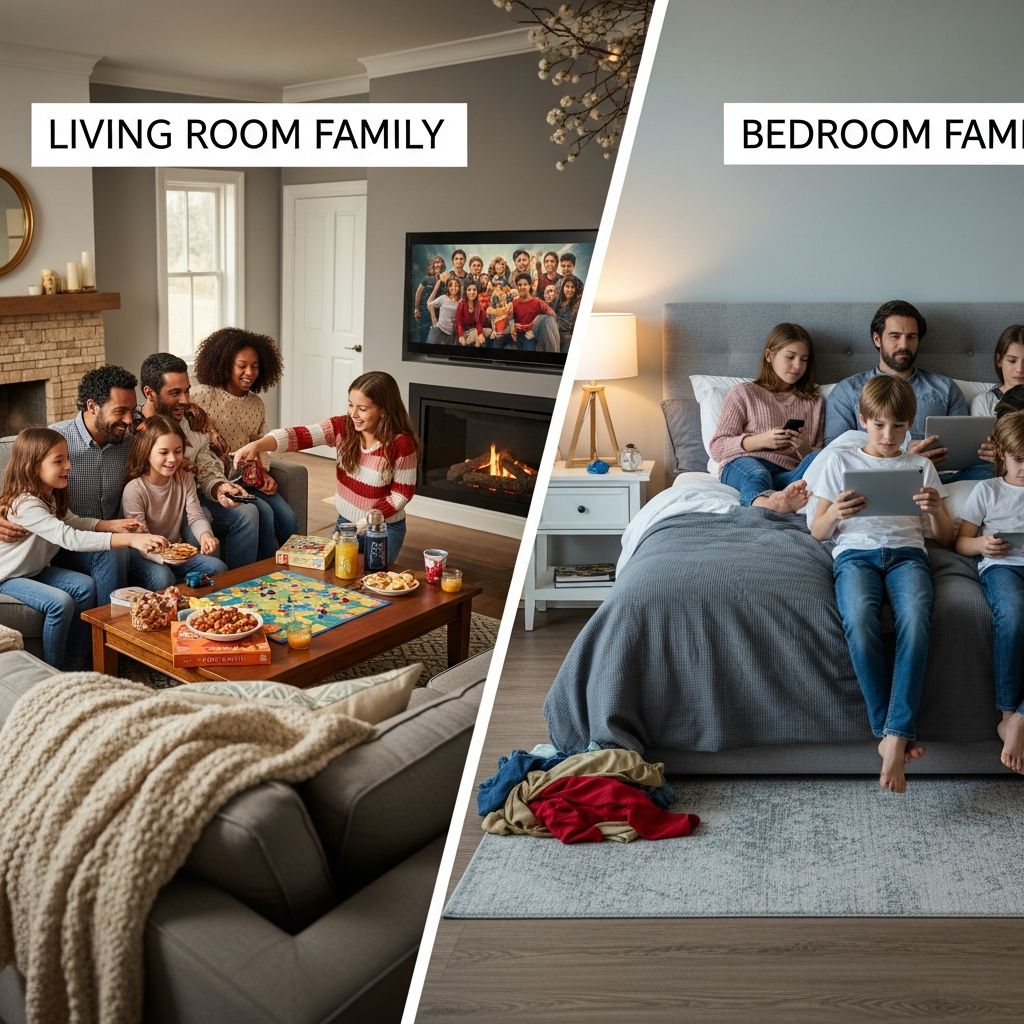
In today’s homes, families naturally gravitate toward different spaces, shaping unique dynamics. A **living room family** thrives in shared areas with open play and interaction, while a **bedroom family** favors private retreats for individual pursuits. Both approaches reflect personal preferences, home layouts, and evolving needs.
Defining the Two Family Styles
The distinction between these family types has captured attention on social platforms, highlighting how everyday spaces influence relationships. Living room families embrace communal chaos, where children spread toys across open areas and adults engage nearby. This setup promotes spontaneous conversations and collective activities, turning the main living space into the heart of daily life.
Bedroom families, conversely, designate common zones for tidiness and reserve private rooms for leisure. Children might retreat to their spaces for gaming, reading, or homework, with family gatherings occurring during designated times like meals. This structure suits households valuing order and autonomy.
- Key traits of living room families: Messy play in shared spaces, constant interaction, high comfort levels among all members.
- Key traits of bedroom families: Neat public areas, independent child activities, scheduled bonding moments.
Factors Shaping Your Family’s Space Habits
Several elements determine whether a family leans toward shared or solitary spaces. Home architecture plays a pivotal role; open-plan designs with ample seating encourage togetherness, while compartmentalized layouts promote separation.
| Factor | Living Room Influence | Bedroom Influence |
|---|---|---|
| Home Size | Smaller homes force proximity | Larger homes (avg. 2,600 sq ft today vs. 1,500 in 1970s) enable retreat |
| Layout | Open kitchens/living zones with zones for activities | Separate rooms with private amenities |
| Family Size | Larger groups share spaces | Smaller families have individual rooms |
Psychological and cultural aspects also matter. Children from homes encouraging open expression often prefer communal areas, viewing mess as a byproduct of joy. Others seek solitude for focus or sensory comfort, especially those with neurodiverse needs.
Advantages of Embracing Shared Living Spaces
Opting for living room-centric life fosters deeper connections. Proximity sparks impromptu play, shared laughter, and emotional security. Parents report stronger bonds when kids feel invited to ‘take up space,’ breaking patterns of isolation from their own upbringings.
Research from family development experts underscores benefits: constant exposure builds empathy and communication skills. In smaller homes historically, such dynamics were the norm, contributing to resilient family units.
- Enhanced emotional intimacy through daily interactions.
- Opportunities for real-time guidance during play.
- A mess-tolerant environment signals acceptance.
Benefits of Bedroom-Centric Family Dynamics
Not every family needs constant togetherness. Bedroom styles support independence, crucial for personal growth. Children learn self-regulation in private spaces, pursuing hobbies without interruption. Parents recharge in quiet common areas, maintaining harmony.
This model aligns with modern child development, where autonomy aids confidence. For introverted kids or those on the autism spectrum, personal sanctuaries reduce overstimulation. Scheduled family time ensures connection without overwhelming shared spaces.
Overcoming Challenges in Each Style
Living room families grapple with clutter. Strategies include toy rotation systems and multi-functional furniture to contain mess while preserving openness.
Bedroom families risk disconnection. Counter this with rituals like weekly game nights or shared tech-free dinners. Inviting kids to common areas periodically reinforces belonging.
Tolerance for disorder varies; parents viewing toys as temporary embrace living room life, while neatness enthusiasts design for minimal intrusion.
Practical Tips to Cultivate Your Ideal Family Flow
Adapt your home to desired dynamics:
- Assess space: Rearrange furniture for zones—reading nooks, play corners, homework stations.
- Encourage invitation: Verbally welcome kids to shared areas, avoiding ‘go to your room’ as default.
- Balance alone time: Designate quiet hours respecting individual needs.
- Flex with ages: Toddlers crave proximity; teens seek privacy—adjust accordingly.
Smart layouts, like kitchen islands creating buffers from chaos, allow multi-use without tension.
Real-Life Examples from Diverse Households
Consider a compact urban apartment: limited space naturally creates a living room family, with siblings sharing toys amid parental oversight. Contrast with suburban sprawl, where en-suite bedrooms draw kids inward, prompting parents to host movie marathons for unity.
One parent shared: embracing living room mess healed generational wounds, as kids now flock to adults. Another noted bedroom preference stemmed from design, not rejection—simple tweaks revived gatherings.
Evolving Dynamics Across Generations
Trends show shifts: smaller families in bigger homes favor bedrooms. Yet, social media celebrates living room ideals, inspiring renovations for openness. Balance evolves; what suits preschoolers may not fit adolescents.
Frequently Asked Questions
Is being a bedroom family a sign of poor parenting?
No. It often reflects home design, personality, or needs like neurodiversity. Prioritize connection through intentional time together.
How can I transition to a living room family?
Create inviting zones, tolerate temporary mess, and actively include kids in daily routines.
What if my kids prefer bedrooms as teens?
Respect it while scheduling bonding. Independence is healthy.
Does home size dictate family style?
It influences but doesn’t determine. Clever layouts adapt any space.
Can hybrids work best?
Yes—mix shared mornings with private evenings for optimal balance.
Building Strong Bonds Regardless of Style
Ultimately, love and allowance define healthy families, not room choice. Whether messy communal hubs or tidy retreats, focus on quality interactions. Adapt to your unique setup, celebrating what works.
References
- Do you have a ‘living room family’ or a ‘bedroom family’? — Upworthy. 2024. https://www.upworthy.com/living-room-family-vs-bedroom-family-ex1
- Living room family or bedroom family? — Dear Modern (YouTube). 2025-06-09. https://www.youtube.com/watch?v=JrVtttWJJ7s
- Are You a Living Room Family or a Bedroom Family? — TulsaKids. 2024. https://www.tulsakids.com/are-you-a-living-room-family-or-a-bedroom-family/
- Explaining TikTok living room family trend and what it means — The Tab. 2024-11-14. https://thetab.com/2024/11/14/are-you-a-living-room-family-explaining-what-the-tiktok-trend-debate-actually-means