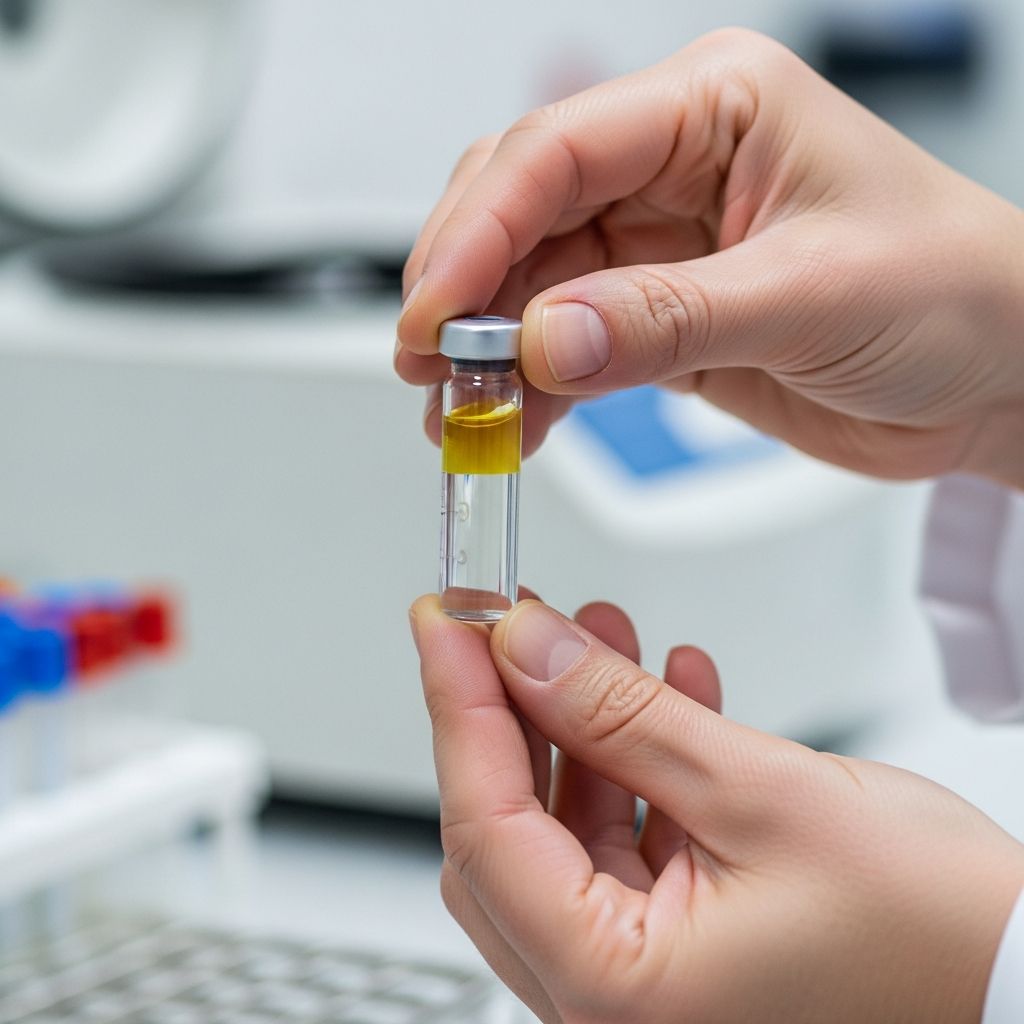
Lipase blood tests measure enzyme levels produced mainly by the pancreas to assess fat digestion and detect issues like pancreatitis in children. This guide explains everything parents need to know about the test, its significance, and next steps.
Understanding Lipase: The Fat-Digesting Enzyme
Lipase is a vital enzyme that breaks down dietary fats into smaller components like fatty acids and glycerol, enabling absorption in the small intestine. Primarily secreted by the pancreas, it travels to the digestive tract to hydrolyze triglycerides, the main form of fats in food.
Different types of lipase exist throughout the body. Pancreatic lipase handles most dietary fat breakdown, gastric lipase starts the process in the stomach, and lipoprotein lipase manages fats in the bloodstream. Hepatic lipase in the liver aids cholesterol transport by processing lipoproteins.
In children, proper lipase function ensures energy from fats, absorption of vitamins A, D, E, and K, and overall growth support. Deficiencies or excesses can signal digestive or pancreatic problems.
Why Doctors Order a Lipase Test in Kids
Pediatricians recommend lipase blood tests primarily to diagnose or monitor acute and chronic pancreatitis, where the pancreas becomes inflamed, causing enzyme leakage into the blood. Symptoms prompting this test include severe abdominal pain, vomiting, fever, and fatty stools.
- Acute Pancreatitis: Sudden inflammation often from gallstones, infections, or medications; elevated lipase confirms diagnosis.
- Chronic Pancreatitis: Long-term damage leading to enzyme insufficiency and malabsorption.
- Other Conditions: Cystic fibrosis, celiac disease, gallbladder issues, or kidney problems can also raise levels.
The test is more specific than amylase for pancreatitis, staying elevated longer for accurate detection. It’s crucial for children with recurrent belly pain or poor weight gain.
How the Lipase Blood Test Works
A simple blood draw from a vein, usually in the arm, measures serum lipase levels. No special preparation like fasting is typically needed unless combined with other tests. The lab analyzes the sample using enzymatic methods to quantify lipase activity.
Procedure for kids:
- Child sits comfortably; a tourniquet is applied briefly.
- Antiseptic cleans the site; a small needle draws blood into a tube (1-2 minutes).
- Pressure stops bleeding; a bandage covers the spot.
- Results available in hours to days.
Younger children might feel anxious, but distraction techniques like toys or videos help. Rare risks include bruising or fainting.
Normal Lipase Levels and What They Mean
Normal ranges vary by lab and child age but generally fall between 0-160 units per liter (U/L) for kids. Infants may have slightly different baselines due to developing pancreases.
| Age Group | Normal Range (U/L) | Notes |
|---|---|---|
| Newborns | 10-100 | Developing digestion |
| Children 1-12 years | 0-160 | Standard pediatric range |
| Teens | 0-180 | Approaches adult levels |
| Adults (reference) | 13-60 | For comparison |
High Levels (Elevated Lipase): Over 3 times upper limit indicates pancreatitis; mild elevations from gut blockages or drugs. Persistently high suggests chronic issues.
Low Levels: Rare, but point to pancreatic insufficiency, cystic fibrosis, or malnutrition. May require enzyme supplements.
Preparing Your Child for the Test
Discuss the test in age-appropriate terms: “It’s like a quick pinch to check your tummy helpers.” Practice deep breaths or bring comfort items. Schedule morning appointments when kids are rested.
No fasting usually, but confirm with the doctor. Hydration helps vein access. Post-test, comfort with a treat or cuddle; watch for swelling.
Risks, Accuracy, and Follow-Up Testing
The test is safe with minimal risks like minor pain or bruising. Accuracy is high for pancreatitis but not exclusive; combine with imaging (ultrasound, CT) or amylase.
False positives occur in renal failure or bowel obstruction. Follow-up may include repeat tests, stool studies, or endoscopy for root causes.
Lipase in Broader Child Health Context
Beyond diagnostics, lipase relates to nutrition. In cystic fibrosis, thick mucus blocks enzymes, causing malabsorption; supplements improve growth. For gallbladder problems post-surgery, lipase aids fat digestion.
Supplements exist for deficiencies but aren’t routine; consult pediatricians. Diet with balanced fats supports natural production.
Common Parental Concerns Addressed
Does high lipase mean cancer? Rarely; usually inflammation, but imaging rules out tumors.
Can diet affect results? Fatty meals might slightly elevate, but fasting isn’t standard.
What if levels are borderline? Monitor symptoms and retest; trends matter more than single readings.
Frequently Asked Questions (FAQs)
Why is the lipase test preferred over amylase for kids?
Lipase rises sooner, stays elevated longer, and is more pancreas-specific, reducing false negatives in pediatric cases.
Is the blood draw painful for toddlers?
A brief sting; numbing cream or skilled phlebotomists minimize discomfort. Distraction works wonders.
What foods help pancreatic health?
Low-fat diets during flares; otherwise, avocados, nuts for healthy fats supporting enzyme function.
Can medications interfere?
Yes, opioids or steroids; inform the doctor of all child’s meds.
When to seek urgent care post-test?
Increasing pain, jaundice, or dehydration warrants immediate attention.
Empowering Parents: Next Steps After Results
Normal results reassure; abnormals lead to tailored plans like hydration, pain management, or specialist referrals (gastroenterologist). Track symptoms in a journal for appointments.
Promote pancreas health via balanced diets, avoiding alcohol (for older kids), and managing conditions like obesity. Regular check-ups catch issues early.
This expanded knowledge equips parents to advocate effectively for their child’s digestive health.
References
- Biochemistry, Lipase – StatPearls — NIH/NCBI. 2023-10-01. https://www.ncbi.nlm.nih.gov/books/NBK537346/
- The lipase enzyme: role and digestive benefits — Lactolerance. 2023. https://www.lactolerance.fr/blog/en/lenzyme-lipase-oil-and-digestive-benefits/
- Lipase: The Digestive Enzyme that Helps Fight Major Diseases — DrAxe.com. 2024-01-15. https://draxe.com/nutrition/lipase/
- Lipase – My Health Alberta — Alberta Health Services. 2023-05-20. https://myhealth.alberta.ca/Health/pages/conditions.aspx?hwid=ux1049
- Lipase – Uses, Side Effects, and More — WebMD. 2025-11-10. https://www.webmd.com/vitamins/ai/ingredientmono-203/lipase
- Lipase Blood Test: What It Is & Understanding the Results — Cleveland Clinic. 2024-07-22. https://my.clevelandclinic.org/health/diagnostics/lipase-blood-test