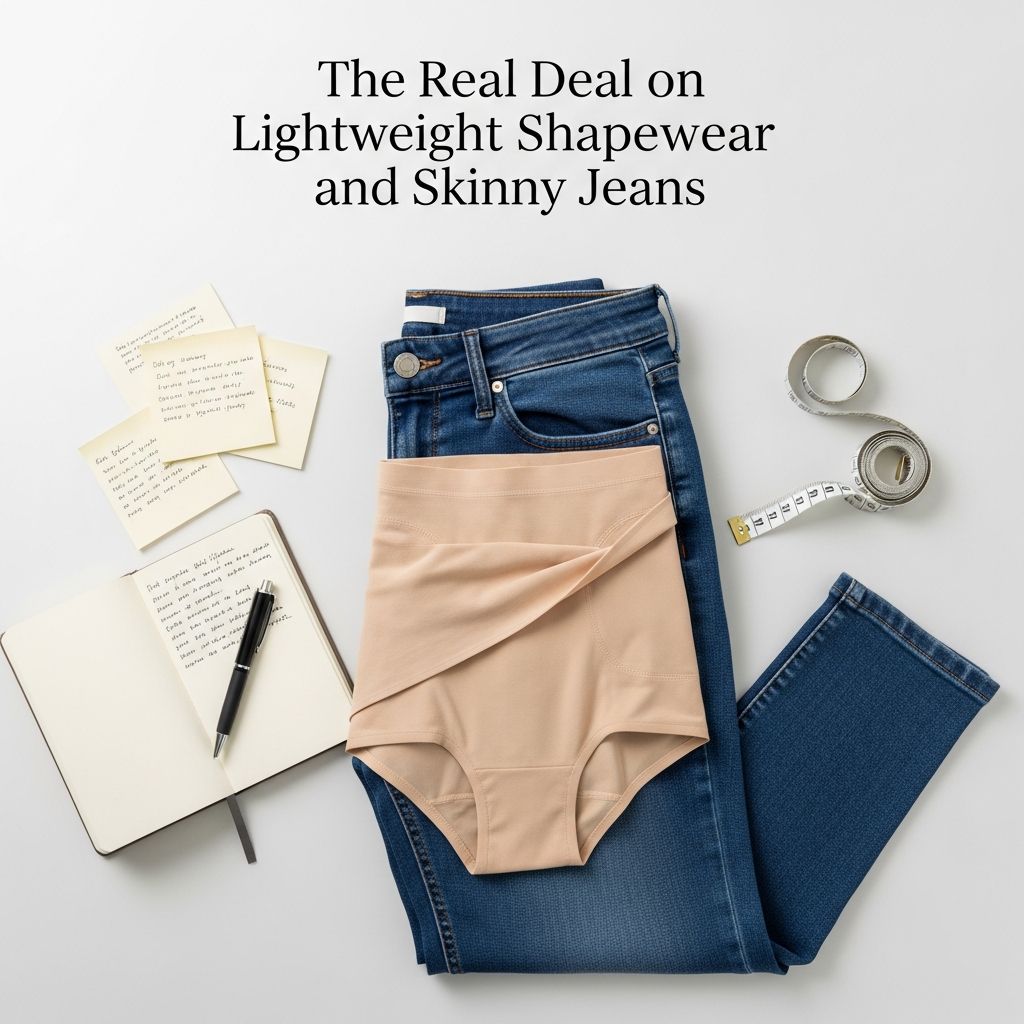
Body-shaping underwear and super-slim jeans have become everyday wardrobe tools for many people who want a smoother line under clothes without completely sacrificing comfort. This guide takes an honest look at lightweight shapewear (the “barely there” kind) and skinny jeans inspired by Spanx-style designs: how they feel, what they actually do, when they help, and when they can quietly work against you.
What Lightweight Shapewear Is Really Designed To Do
Modern shapewear is a broad category, but the thinner, more breathable versions are meant to gently smooth rather than radically sculpt. Think of them as a hybrid of underwear and performance leggings. Their main goals are:
- Smoothing visible panty lines, bra lines, and minor bulges under clothes
- Creating a cleaner silhouette in clingy fabrics and knits
- Helping clothing hang better (dresses, skirts, and slim pants)
- Providing light support around the midsection, hips, and thighs
Unlike heavy-duty compression garments, lightweight pieces are not supposed to dramatically change your body size. Their power is psychological as much as physical: they can make you feel more put-together, which may improve how confidently you move and carry yourself.
Common Styles: From Barely-There Shorts to High-Waisted Slips
Spanx-style products come in many forms, but most everyday options fall into a few recognizable shapes:
- Shorts-style shapers: Look like thin bike shorts, often mid-thigh length. Popular under dresses and skirts to prevent chafing and provide inner-thigh smoothing.
- High-waisted mid-thigh shapers: Extend from just under the bust down to mid-thigh, targeting the waist, tummy, and upper legs in one piece.
- Shaping briefs: Underwear with a reinforced front panel for light tummy control but less coverage on thighs.
- Slip-style shapers: Dress-like slips designed to be worn under fitted dresses, smoothing the full torso and hips.
Lightweight versions typically use thinner fabrics, often a mix of nylon and elastane, designed to move more like a second skin while still offering some control.
How Shapewear and Skinny Jeans Affect Your Body
Beyond aesthetics, it is important to understand how tight garments interact with your body. Clothing that compresses the abdomen, hips, or legs can have subtle effects on circulation, nerves, and digestion when worn for long stretches or in sizes that are too small.
According to clinicians, tight shapewear and pants can increase abdominal pressure, which may aggravate symptoms of heartburn or acid reflux in people who are prone to it. Compression around the abdomen and pelvis can also contribute to bloating or discomfort after meals.
Very tight garments around the waist, groin, and thighs may:
- Increase pressure in the abdomen, which can push stomach contents upward, worsening reflux symptoms in susceptible people
- Contribute to nerve compression syndromes, leading to numbness or tingling in the legs when garments are extremely tight
- Limit normal airflow and full belly expansion when breathing deeply if the midsection is very tightly compressed
From a vein-health perspective, vascular specialists note that restrictive pants or shapewear can impede venous return from the legs, particularly when they are very tight in the thighs and calves. This may worsen discomfort in people with existing varicose veins or chronic venous insufficiency, though occasional wear in healthy individuals is less likely to cause serious problems.
Where Skinny Jeans Fit In
Skinny jeans, especially those with built-in shaping features, blur the line between pants and shapewear. They usually rely on a stretchy denim blend, plus strategic patterning or interior panels to:
- Smooth the front of the abdomen (sometimes with a hidden tummy panel)
- Lift and shape the rear through pockets and seaming
- Create a snug, legging-like fit from hip to ankle
Reviews of Spanx-style skinny jeans often mention that:
- They feel closer to leggings than rigid denim, thanks to high stretch content.
- They use elastic waistbands or thicker waist constructions that help avoid gaping and create a smooth line under tops.
- The shaping effect is noticeable but not dramatic: more “held in and smoothed” than “two sizes smaller overnight.”
Comfort vs. Control: Finding Your Personal Sweet Spot
Some people love the sense of being firmly supported; others feel trapped in compressive garments. Comfort often depends on matching garment strength to your real needs and tolerance, not to an idealized marketing claim.
| Feature | Lightweight Shapewear | High-Compression Shapewear |
|---|---|---|
| Main purpose | Smoothing, light support | Strong contouring and reduction |
| Typical fabric feel | Thin, more breathable | Thick, firm, less breathable |
| Best for | All-day wear, work, casual outfits | Special events, short wear times |
| Risk of discomfort | Lower if correctly sized | Higher, especially when sized down |
A practical rule: if you cannot sit, breathe, and eat a normal meal without counting the minutes until you can change, the garment is too tight or the wrong style for you.
Health-Aware Guidelines for Wearing Shapewear
Medical guidance does not suggest shapewear is inherently dangerous, but misuse can cause problems. A physician advisory from an academic medical center notes that the most common issue with shapewear is skin irritation, especially with prolonged use, sweating, or friction. More serious problems such as reflux, breathing difficulties, or circulation issues tend to appear when garments are worn too tight or for extended periods.
Practical health-conscious tips include:
- Stick to your true size: Avoid sizing down to chase a more dramatic effect; this is where most problems begin.
- Limit continuous wear: Give your body breaks. All-day wear every day may increase your chance of irritation or discomfort.
- Watch for warning signs: Numbness, tingling, burning, significant shortness of breath, or intense digestive discomfort are signals to remove the garment and reassess fit.
- Consider underlying conditions: If you have reflux, significant varicose veins, neuropathy, or pelvic floor issues, speak with a healthcare professional before using tight shapewear regularly.
Choosing the Right Level of Shaping for Your Outfit
Instead of reaching for the same piece for every outfit, match shapewear strength and cut to your clothing and activity:
- Everyday office outfits: Lightweight shorts or briefs to smooth under work pants or jersey dresses, with breathable fabric and a non-digging waistband.
- Bodycon dress for an event: Slightly stronger mid-thigh shaper or slip that extends to just under the bust, but worn for a limited number of hours.
- Jeans and a tee: Possibly no shapewear at all if your jeans already have shaping features; or a thin shaping brief solely to avoid obvious lines.
- Warm weather days: Look for moisture-wicking, thin fabrics to reduce chafing and overheating.
How to Evaluate Skinny Jeans with Built-In Shaping
Whether you are considering Spanx-branded jeans or a similar product, look beyond the marketing terms like “sculpt,” “lift,” and “contour.” Focus on how they behave on your actual body.
Key points to assess when you try them on:
- Waistband comfort: It should sit flat and feel secure without folding over or digging in above or below. You should be able to sit without feeling pinched.
- Fabric recovery: Walk, sit, and bend. Do the knees or seat bag out, or do they return to shape? Good stretch denim should recover relatively well.
- Ankle opening: For true skinny jeans, the ankle should be narrow enough for a smooth line into boots but not so tight that you struggle to take them off.
- Pocket placement: Back pocket size and positioning can subtly affect how lifted or balanced your rear looks.
Psychology and Body Image: Using Shapewear as a Tool, Not a Crutch
There is nothing wrong with enjoying the polished feel of shapewear or shaping jeans. But it can help to keep these garments in perspective. They are tools—not requirements—to participate in social life or feel attractive.
Many people find it helpful to reserve firmer shaping garments for times when they genuinely want the extra structure, and to also practice wearing regular underwear and softer clothes that follow their body’s natural contours. Building comfort with your un-sculpted shape can reduce the emotional pressure that sometimes develops around tight garments.
Some practical mindset shifts:
- Fit the clothes to your body, not your body to the clothes. If you constantly need extreme compression to make a garment work, the garment may not be right for you.
- Value comfort cues as legitimate information, not something to ignore for aesthetics.
- Rotate in softer outfits that you feel good in without shaping—this can rebalance expectations of what your everyday body should look like.
Care and Longevity: Getting the Most from Your Pieces
Shapewear and stretch denim rely on elastic fibers that can fatigue over time. To preserve their performance and comfort:
- Hand wash or gentle cycle in cool water whenever possible; heat degrades elasticity.
- Air dry only. Avoid dryers, which can rapidly shorten the life of stretch fabrics.
- Rotate between pairs so each garment can fully recover between wears.
- Retire pieces when they stay baggy, roll down repeatedly, or no longer provide the smoothing you bought them for.
FAQs About Shapewear and Skinny Jeans
Q: Is it safe to wear shapewear or skinny jeans every day?
Occasional use in your correct size is unlikely to be harmful for most healthy people, but wearing very tight garments daily and for long hours can increase the chance of issues like skin irritation, digestive discomfort, or circulation-related symptoms. If you rely on them every day, choose lighter support, prioritize comfort, and talk to a healthcare professional if you have existing medical conditions.
Q: Can shapewear cause long-term health problems?
Medical reports mainly highlight short-term effects—like reflux flare-ups, transient nerve compression, or irritation—especially when garments are extremely tight. Persistent or severe symptoms are a reason to stop use and seek medical advice. Long-term harm is more likely if repeated warning signs are ignored over time.
Q: Does shapewear help you lose weight?
No. Shapewear changes how your body looks in clothes by redistributing and smoothing soft tissue, but it does not cause fat loss or lasting body change. Any appearance of slimming disappears when you remove the garment.
Q: How tight is “too tight” for shapewear or jeans?
If you struggle to put it on or take it off, cannot comfortably take a deep breath, feel tingling or numbness, or need to constantly adjust the garment, it is too tight. A correct fit should feel snug but allow natural movement, easy breathing, and sitting without pain.
Q: Are there better options for people with vein or circulation issues?
For people with venous disease, physicians often recommend medical-grade compression stockings that apply controlled, graduated pressure rather than uncontrolled tightness from fashion shapewear or skinny jeans. These should be selected with guidance from a healthcare professional.
References
- Spanx Denim May Make ‘Jumping Into Your Jeans’ a Whole Lot Harder — and Dangerous — Medical Daily. 2014-07-18. https://www.medicaldaily.com/spanx-denim-may-make-jumping-your-jeans-whole-lot-harder-and-dangerous-288250
- Warning: Tight pants, skinny jeans and Spanx may be hazardous to your health — CBS News. 2015-06-24. https://www.cbsnews.com/news/warning-tight-pants-skinny-jeans-and-spanx-may-be-hazardous-to-your-health/
- Warning: Spanx Could Be Killing Your Veins — Texas Endovascular. 2019-08-05. https://texaseva.com/vein/warning-spanx-could-be-killing-your-veins/
- A Doctor’s Advice on Wearing Shapewear — Cleveland Clinic Health Essentials. 2020-11-19. https://health.clevelandclinic.org/a-doctors-advice-on-wearing-shapewear
- An Honest Review of Spanx Jeans — Cheryl Shops. 2021-09-21. http://www.cherylshops.net/2021/09/an-honest-review-of-spanx-jeans.html