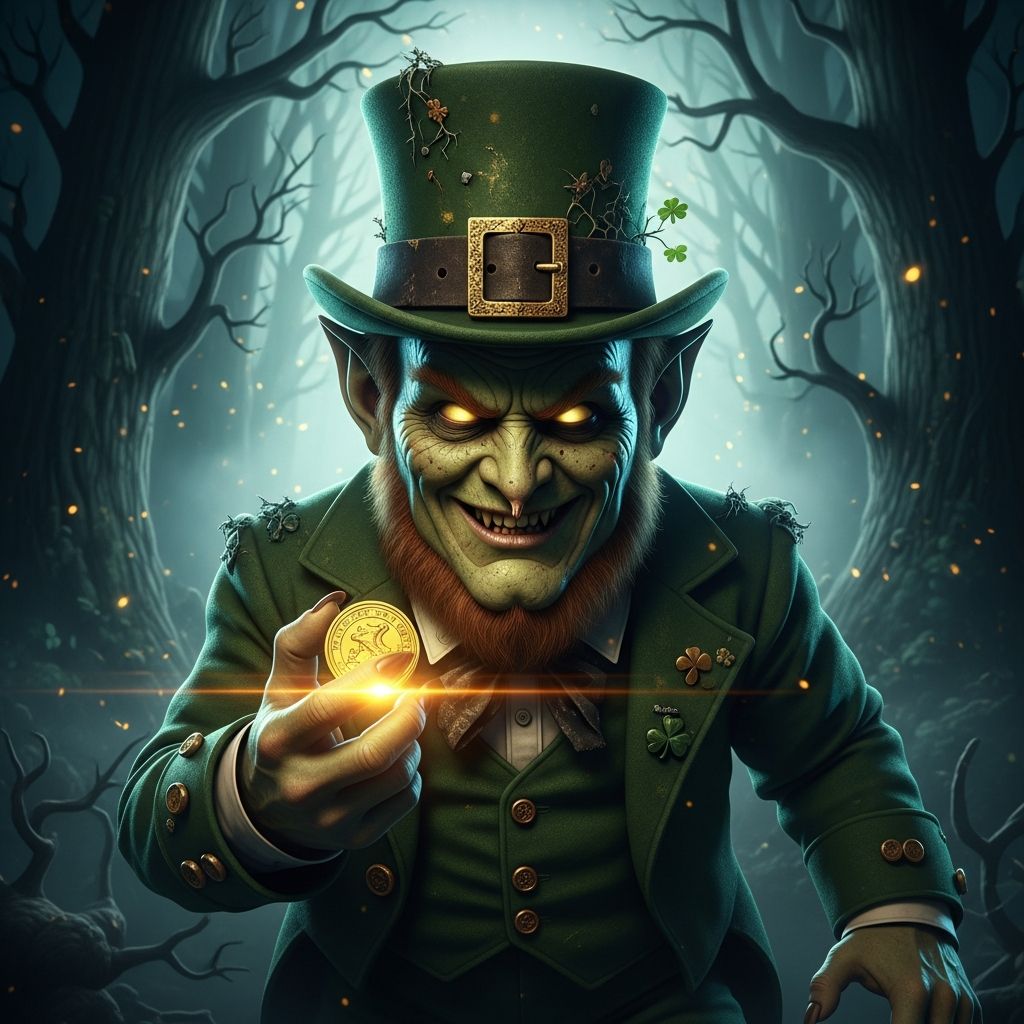
The original Leprechaun is not a prestige horror film, nor is it a polished studio comedy, yet it has stubbornly clung to pop culture for decades as a kind of mischievous cinematic tradition. What began as a modest 1993 horror-comedy about a murderous fairy and his stolen gold became the launchpad for a long-running franchise and an unexpected early milestone in Jennifer Aniston’s career.
Part of the film’s staying power lies in its unapologetic embrace of camp and the gleefully unhinged performance of Warwick Davis as the title creature, a villain who kills with equal parts menace and punchlines. In the years since its release, Leprechaun has drifted from maligned oddity to comfort watch for horror fans who cherish its low-budget charm, seasonal relevance, and chaotic creativity.
The Movie That Turned St. Patrick’s Day Into a Slasher Holiday
Before Leprechaun, St. Patrick’s Day had little in the way of dedicated horror viewing, especially compared with Halloween or Christmas slashers. The 1993 film stepped squarely into that gap, offering a themed monster, shamrock-tinged imagery, and a simple hook: steal his gold and the killing spree begins.
- The film follows a group of characters who accidentally free a vengeful leprechaun determined to reclaim his stolen coins at any cost.
- Set largely around a rural property and its surrounding area, the movie keeps its scope small, making the leprechaun himself the overwhelming center of attention.
- Its blend of gore, quips, and folklore has helped carve out a seasonal niche, especially for horror marathons in March.
Warwick Davis: The Pint-Sized Powerhouse at the Center
Warwick Davis, already known to genre fans from roles in Willow and Return of the Jedi, brings an outsized personality to a character who could easily have been just another masked slasher in green. Instead, his leprechaun feels more like a supernatural trickster, revelling in wordplay, taunts, and theatrical menace even as he dispatches his victims.
- Across the early sequels, Davis anchors the franchise, reprising the role in the first six films and becoming the defining face of the series.
- His performance leans fully into physical comedy and exaggerated facial expressions, making the character as cartoonish as he is dangerous.
- This balance of threat and absurdity is central to why fans still talk about the character long after more expensive horror villains have faded.
Jennifer Aniston Before Central Perk
Long before coffee at Central Perk, Jennifer Aniston appeared in Leprechaun as Tory Redding, a city kid reluctantly spending time in the countryside who ends up battling a mythic monster with a mean streak. Watching the film now offers a curious time capsule: a future sitcom icon navigating low-budget horror tropes with earnest energy and early hints of her star power.
The contrast between Aniston’s later fame and the scrappy nature of the production has only amplified curiosity about the movie over time. For many viewers discovering it now, part of the entertainment is seeing how a soon-to-be household name handled running, screaming, and quipping her way through a killer-leprechaun plot.
Horror Meets Comedy: A Tonal Tightrope
Leprechaun walks a strange tonal line, forever wavering between slasher horror and cartoon chaos. The kills are violent and often grotesque, yet they are framed with such outlandish setups and one-liners that the intended effect is more gleeful shock than deep dread.
- The leprechaun’s obsessions—shiny gold, rhymes, and playful torment—give the violence a surreal, almost fairy-tale energy gone wrong.
- The low budget forces creative staging, leaning into practical effects, physical gags, and exaggerated reactions rather than elaborate set pieces.
- Viewers who approach the film as campy midnight fare, rather than straightforward horror, tend to be the ones who embrace it most enthusiastically.
From Modest Release to Multi-Sequel Franchise
What began as a single, quirky horror-comedy quietly grew into a surprisingly durable franchise that now includes eight films, with the series stretching from the early 1990s into the late 2010s. After the first movie, follow-ups arrived rapidly, pushing the leprechaun into new locations and increasingly wild premises, from big cities to outer space and urban neighborhoods.
| Film | Release Year | Notable Element |
|---|---|---|
| Leprechaun | 1993 | Introduces Warwick Davis as the title villain and co-stars Jennifer Aniston. |
| Leprechaun 2 | 1994 | Moves the action to Los Angeles and introduces a bride-obsessed leprechaun plot. |
| Leprechaun 3 | 1995 | Centers on a magical wishing coin causing chaos in Las Vegas. |
| Leprechaun 4: In Space | 1997 | Catapults the character into a sci-fi setting with aliens, soldiers, and gleeful absurdity. |
| Leprechaun in the Hood | 2000 | Blends horror with urban culture and hip-hop, cementing the franchise’s anything-goes identity. |
| Leprechaun: Back 2 tha Hood | 2003 | Returns to a similar urban setting with new characters and fresh mayhem. |
| Leprechaun: Origins | 2014 | Attempts a darker reboot with a more monstrous, less comedic creature. |
| Leprechaun Returns | 2018 | Acts as a legacy sequel to the original, revisiting its setting decades later. |
Only the first two entries received theatrical releases, with the remainder shifting to home video and later television and streaming, yet the brand endured by leaning fully into its B-movie identity. The sheer variety of settings and tones across the sequels underscores how flexible the concept became once the leprechaun himself was established as a recurring antihero.
Why Fans Keep Returning to This Mischievous Monster
For all its rough edges, Leprechaun taps into something that many horror fans appreciate: the joy of a movie that knows it is ridiculous and leans into that reputation without apology. Viewers return not for subtle characterization or complex plotting, but to watch a charismatic villain chew scenery, crack jokes, and bring supernatural havoc to mundane settings.
- Its modest scale makes it feel approachable, especially compared with the more self-serious horror films of its era.
- The seasonal association with St. Patrick’s Day has turned it into an annual ritual for some, much like holiday horror favorites anchored to other dates on the calendar.
- Newer franchise entries and streaming availability have continually reintroduced the original to younger audiences who discover it as a kind of horror oddity worth sharing with friends.
Camp, Consistency, and Cultural Memory
The enduring image of a tiny, malevolent figure in a green suit hunting down anyone who touches his gold is oddly potent, even for those who have never seen the film in full. Posters, clips, and references keep the character alive in cultural memory, often detached from the specifics of the plot itself.
Much of that memory is built around Warwick Davis’ distinctive portrayal, which threads a needle between creature-feature menace and vaudeville-style performance. His return in sequel after sequel gives the franchise a continuity of personality even as storylines jump from farms to cities, space stations, and more exaggerated backdrops.
The Legacy of a Low-Budget Original
In retrospect, the first Leprechaun looks less like a one-off curiosity and more like the cornerstone of a peculiar but persistent horror brand. It introduced a visually distinctive villain, tied him to a simple yet elastic premise, and provided just enough memorable moments to sustain fan interest over decades.
For Jennifer Aniston, the film is a footnote in a career that soon soared elsewhere, but it remains a fascinating early chapter for fans who trace her trajectory back to genre work. For Warwick Davis, though, it stands as a defining role in the horror-comedy realm, showcasing how a committed performance can elevate even the most outlandish concept into enduring cult status.
FAQ: Leprechaun and Its Mischievous World
How many Leprechaun movies are there?
There are currently eight films in the Leprechaun franchise, starting with the 1993 original and continuing through sequels and reboots released up to 2018. The series includes both direct follow-ups and reimagined entries that take the core concept in new directions.
Which Leprechaun films feature Warwick Davis?
Warwick Davis plays the leprechaun in the first six films, from the 1993 original through the early 2000s entries, including the excursions to Las Vegas, outer space, and urban neighborhoods. Later installments shifted to other interpretations of the character, experimenting with different tones and creature designs.
Is the original Leprechaun meant to be scary or funny?
The film is very much a hybrid, designed as a horror-comedy that mixes grisly kills with outrageous set pieces and tongue-in-cheek humor. Its reputation today leans more toward campy entertainment than pure terror, which is part of why it plays well at casual group viewings and themed marathons.
Did Leprechaun really help launch Jennifer Aniston’s career?
Leprechaun is one of Jennifer Aniston’s early film roles, predating the huge success of her sitcom work, and it has since become a pop-cultural curiosity because of that connection. While her career breakout came from television, the movie offers fans a glimpse of her screen presence before global fame arrived.
How should new viewers approach the franchise?
New viewers often start with the 1993 original to understand the character and tone, then jump to one or two of the wilder sequels—such as the Vegas or outer space entries—to see how far the concept stretches. Going in with the expectation of gleeful B-movie chaos, rather than polished mainstream horror, is usually the best way to enjoy the ride.