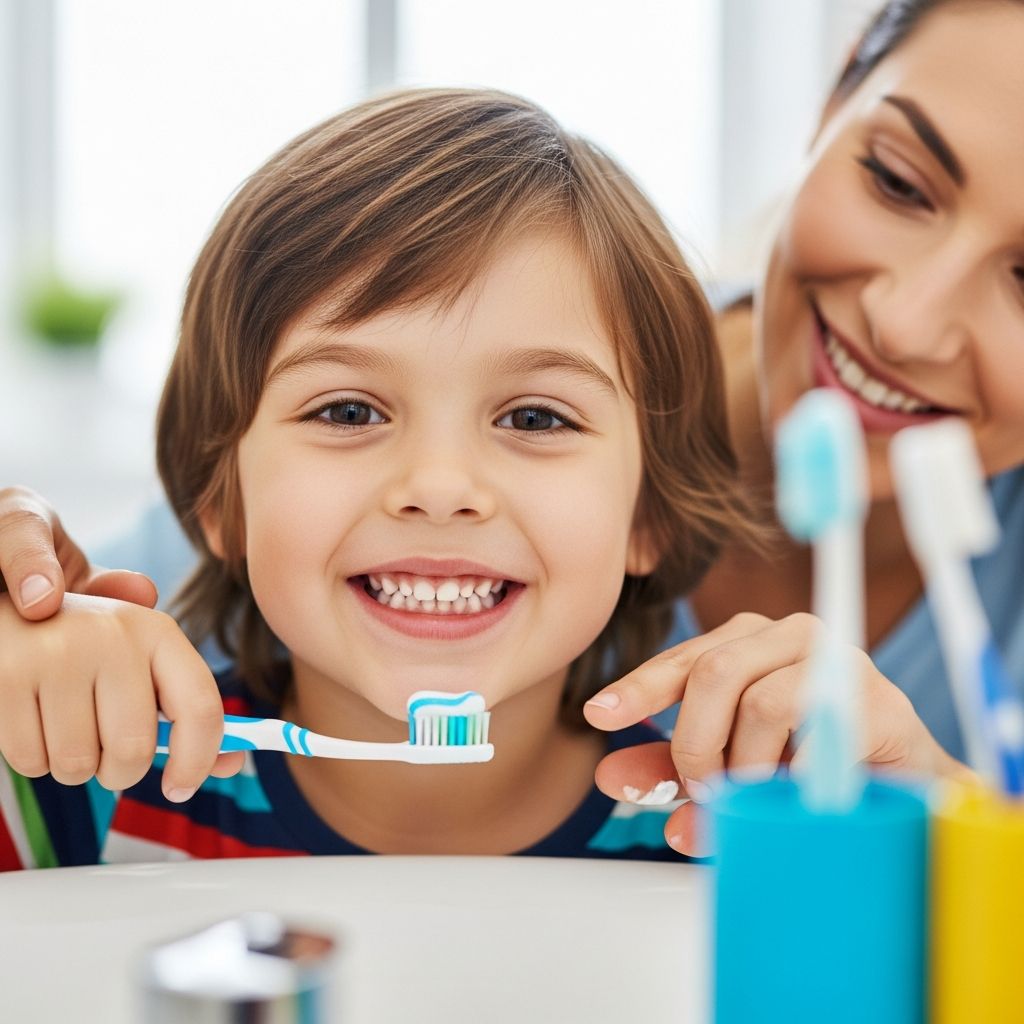
Tooth decay is one of the most common health problems in childhood, but it is also one of the most preventable. Understanding what cavities are, why they form, and how to stop them gives families the power to protect children’s smiles for life.
What Exactly Is a Cavity?
A cavity is a weak, damaged spot in a tooth where minerals have been lost and the hard outer layer has started to break down. Over time, this small damaged area can turn into a hole if it is not treated and the cause is not removed. Cavities can appear in baby teeth and adult teeth and may form on the chewing surfaces, between teeth, or near the gumline.
In simple terms, a cavity is the end result of a long battle between tooth-strengthening factors, like minerals and fluoride, and tooth-damaging factors, like sugary foods and acid-producing germs. When the damaging forces win too often, the tooth surface gradually breaks apart.
Why Children Get Cavities So Easily
Children’s teeth are covered by enamel, the hardest material in the body, but this enamel is thinner and more vulnerable than that of adults. Kids also tend to snack more often, may not brush well, and often love sweet drinks and sticky treats, all of which help decay-causing germs thrive.
Daily routines also matter. If plaque is not removed regularly, bacteria have more time to break down leftover food and release acids. Nighttime can be especially risky because saliva flow slows down during sleep, and saliva normally helps protect and wash teeth.
The Science of Tooth Decay: A Simple Breakdown
Tooth decay is not a one-time event; it is a cycle that repeats many times a day. After a child eats or drinks something with sugar or refined starch, bacteria in the mouth feed on those leftovers and release acid. This acid temporarily softens and demineralizes the outer layer of the tooth.
Between meals, saliva helps the tooth recover by neutralizing acid and supplying minerals such as calcium and phosphate. Fluoride from toothpaste or water can join this repair process, making the enamel stronger than before. When acid attacks happen too often and the repair time is too short, the balance shifts, and a cavity begins to form.
Key Players in the Decay Process
- Bacteria (plaque): Germs that live in a sticky film on teeth and produce acid when they digest sugars.
- Sugary and starchy foods: Fuel for bacteria, especially sweets, fruit juices, soda, sweetened cereals, and crackers.
- Time and frequency: The more often a child snacks or sips sugary drinks, the more often acid attacks occur.
- Saliva and fluoride: Natural protectors that can repair early damage if they are given enough time to work.
Early Signs Parents Should Watch For
Cavities rarely start with pain. Early decay is usually silent, which is why regular dental checkups are so important. Still, parents can sometimes notice early warning signs if they look closely at their child’s teeth in good light.
- Chalky white spots or streaks on the enamel, especially near the gumline or between back teeth.
- Brown or dark areas that do not brush away.
- Sensitivity when a child eats hot, cold, or sweet foods, or avoids chewing on one side.
- Persistent bad breath that does not improve with brushing.
By the time a tooth hurts on its own, the cavity is usually fairly deep. At that point, the decay may be close to the nerve and may need more extensive treatment.
Why Baby Teeth Matter So Much
Some adults assume that baby teeth are not important because they will fall out anyway. In reality, healthy baby teeth are critical for chewing, clear speech, and proper jaw growth. They hold space for the permanent teeth and guide them into the right positions.
When baby teeth are lost too early due to decay, nearby teeth can drift, making it harder for adult teeth to come in straight. Severe decay can also cause infections, pain, difficulty eating, and missed school days, all of which can affect a child’s overall well-being.
Common Risk Factors for Cavities in Kids
Every child’s mouth is different, but certain habits and conditions make tooth decay much more likely. Parents can reduce risk by identifying and changing these patterns as early as possible.
- Frequent snacking on sweets, sticky candies, fruit snacks, or crackers.
- Regular use of sugary drinks, such as soda, juice, sports drinks, flavored milk, or sweetened teas.
- Falling asleep with a bottle or sippy cup containing anything other than plain water.
- Irregular brushing or brushing without adult help in younger children.
- Limited access to fluoride from toothpaste or drinking water.
- Family history of many cavities, which often reflects shared habits and bacteria.
Daily Habits That Protect Children’s Teeth
Good oral health in childhood is built on simple routines that are repeated every day. When brushing, smart snacking, and regular dental visits become part of family life, the chance of cavities drops dramatically.
Smart Brushing and Flossing
- Begin cleaning as soon as the first tooth appears; use a soft cloth or a baby toothbrush.
- Use a smear of fluoride toothpaste about the size of a grain of rice for toddlers and a pea-sized amount for children who can spit.
- Brush at least twice a day, especially before bed, for two full minutes.
- Help or supervise brushing until at least age 7–8 to be sure all surfaces are cleaned.
- Begin flossing when two teeth touch, focusing on the tight spaces between back teeth.
Healthy Eating and Drinking Patterns
- Offer regular meals and snacks instead of constant grazing throughout the day.
- Make water the main drink between meals and at night; keep sugary drinks for rare occasions.
- Choose tooth-friendly snacks like cheese, nuts (when age-appropriate), yogurt without added sugar, fresh vegetables, and whole fruits.
- Limit sticky treats that cling to teeth, such as caramels, gummy candies, fruit leather, and certain granola bars.
The Role of Fluoride and Dental Sealants
Fluoride is a mineral that strengthens enamel and helps repair early damage before a full cavity forms. It can come from toothpaste, professionally applied gels or varnishes, and in some communities, from tap water. Used correctly, fluoride is a safe and powerful tool for preventing tooth decay.
Dental sealants are thin protective coatings applied to the chewing surfaces of back teeth. Those surfaces contain deep grooves that easily trap food and bacteria. A sealant flows into the grooves and hardens, making them smoother and easier to keep clean, while blocking germs from settling into the tiny pits.
Protective Treatments at a Glance
| Treatment | What It Does | Who It Helps Most |
|---|---|---|
| Fluoride toothpaste | Reinforces enamel and helps repair early mineral loss. | All children once teeth appear, with supervised use. |
| Professional fluoride varnish | Provides concentrated fluoride that clings to teeth for longer protection. | Kids at moderate to high risk of cavities or with early signs of decay. |
| Dental sealants | Covers deep grooves on back teeth to prevent food and bacteria from getting trapped. | Children with newly erupted permanent molars and sometimes baby molars. |
What Happens During a Dental Checkup?
Regular dental visits, usually every six months unless advised otherwise, allow professionals to catch early decay, provide preventive treatments, and coach families on home care. Visits typically begin by age one or within six months after the first tooth appears.
During the appointment, the dental team examines the teeth, gums, and bite, gently cleans away plaque and tartar, and may apply fluoride or sealants if needed. For older children, X-rays may be taken to look between teeth and under the enamel surface where early cavities can hide.
How Dentists Treat Cavities in Children
The treatment plan depends on the size, depth, and location of the cavity, as well as the child’s age and cooperation. Early decay may be managed with improved hygiene, fluoride, and close monitoring. Once a cavity has created a permanent hole, some form of restoration is usually required to stop the decay and rebuild the tooth.
Common Treatment Options
- Fillings: The dentist removes the decayed portion and replaces it with a tooth-colored or metal filling material to restore shape and function.
- Crowns: For large cavities in baby molars, a small crown may cover and protect the remaining tooth structure.
- Pulp treatment: If decay reaches the inner nerve, specialized treatment can calm or remove the affected tissue while keeping the tooth in place when possible.
- Extraction: Severely damaged teeth that cannot be saved may need to be removed; space maintainers may then be used to keep the gap open for the permanent tooth.
Dentists use numbing gels, local anesthesia, child-friendly language, and behavior techniques to keep children as comfortable as possible. For very anxious young patients, options such as nitrous oxide or other forms of sedation may be discussed.
Helping Children Feel Comfortable at the Dentist
A child’s first experiences at the dentist can shape how they feel about oral care for years to come. Parents can reduce fear by choosing a kid-friendly office, staying calm themselves, and talking about the visit in positive, simple terms.
- Avoid using scary words like “hurt” or “shot”; instead, describe the visit as a chance to count teeth and keep them shiny.
- Bring a comfort item, such as a small toy or stuffed animal, if the office allows it.
- Schedule appointments at times of day when the child is usually well-rested and not hungry.
Building Lifelong Healthy Habits
Teaching children to care for their teeth is an investment in their overall health. Kids who grow up brushing and flossing routinely, visiting the dentist regularly, and choosing tooth-friendly snacks are more likely to carry these habits into adulthood.
Parents and caregivers are powerful role models. When adults brush and floss with children, limit their own sugary drinks, and speak positively about going to the dentist, kids learn that oral health is a normal, important part of daily life.
Quick Tips for Busy Families
- Keep a dental kit near the sink with a child-sized toothbrush, toothpaste, and floss picks to make the routine easy.
- Use a two-minute timer or a favorite song to help kids brush long enough.
- Offer water after snacks if brushing is not possible right away.
- Schedule dental visits in advance and mark them on a family calendar so they are not forgotten.
Frequently Asked Questions About Kids’ Cavities
1. Can cavities in baby teeth really cause long-term problems?
Yes. Cavities in baby teeth can lead to pain, infections, trouble eating, and early tooth loss. When baby teeth are lost too soon, adult teeth may not have enough room to erupt properly, which can contribute to crowding and bite problems later on.
2. At what age should children start using fluoride toothpaste?
Fluoride toothpaste can be used as soon as the first tooth appears, but the amount must be very small. For toddlers and preschoolers who cannot reliably spit, a smear about the size of a grain of rice is enough. Once a child can spit out excess foam, typically around age 3–6, a pea-sized amount is appropriate.
3. Is juice really that bad for children’s teeth?
Juice, even 100% fruit juice, contains natural sugars and acids that can feed cavity-causing bacteria. When children sip juice throughout the day or carry it in a bottle or sippy cup, their teeth are bathed in sugar and acid for long periods. Serving small portions with meals and choosing water between meals significantly reduces the risk.
4. How often should a child see the dentist?
Most children benefit from a dental checkup every six months, beginning around their first birthday or within six months after the first tooth appears. Children at higher risk for cavities may be advised to visit more often for close monitoring and preventive treatments.
5. If my child has no pain, can a cavity wait?
Pain usually appears late in the decay process, so waiting for discomfort is not a safe strategy. Small cavities are easier, faster, and less expensive to treat and are less likely to affect the inner nerve of the tooth. Delaying care can lead to larger problems that may require more complex treatment.
6. What can I do if my child hates brushing?
Turning brushing into a game, letting kids choose their own toothbrush and toothpaste flavor, or using stickers and reward charts can help. Brushing together as a family and using stories or songs can also transform the routine from a chore into a shared moment, making resistance less likely over time.
With consistent daily care, smart food and drink choices, and regular dental visits, most cavities in children can be prevented. Protecting kids’ teeth today lays the foundation for a lifetime of healthy, confident smiles.