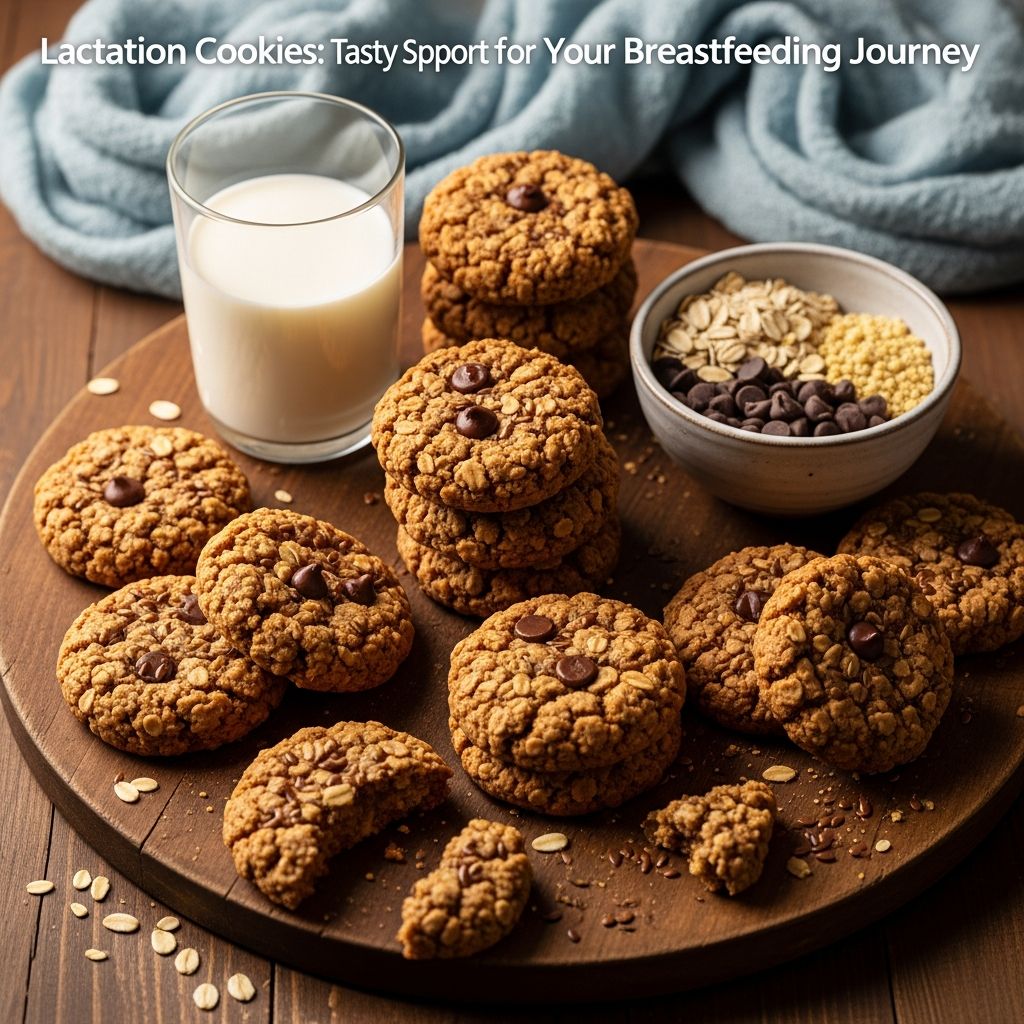
Lactation cookies are a popular snack among breastfeeding parents who hope to gently support milk production while enjoying something tasty and convenient. While they are not a magic solution, they can play a useful role in an overall breastfeeding and nutrition plan when used thoughtfully.
What Exactly Are Lactation Cookies?
Lactation cookies are baked treats made with ingredients known as galactagogues—substances traditionally believed to encourage or support breast milk production. These cookies typically start with a standard cookie base, then add ingredients aimed at supporting lactation and nutrition for nursing parents.
- Primary goal: Provide extra calories and nutrients in a convenient snack.
- Secondary goal: Offer ingredients that may support hormones and bodily functions related to lactation.
- Bonus: Create a small daily ritual of self-care during a demanding life phase with a newborn.
Common Ingredients and Why They Are Used
Most lactation cookie recipes share a core group of ingredients that are believed to help with milk supply or overall nourishment. While scientific evidence for dramatic milk increases is limited, these ingredients can still support energy levels and general health.
Popular Galactagogues in Cookies
- Oats: A hearty source of complex carbohydrates, fiber, and iron. Oats help keep blood sugar stable and provide sustained energy, which is important when breastfeeding around the clock.
- Brewer’s yeast: Often added for its B vitamins and minerals. Many parents associate brewer’s yeast with stronger energy and better mood, which indirectly supports the demanding task of nursing.
- Flaxseed or flax meal: Rich in healthy fats and fiber. Ground flax is easier to digest and provides omega-3 fatty acids, which support overall health.
Supportive Add-Ins
- Nuts and seeds: Almonds, walnuts, sunflower seeds, and chia provide protein and healthy fats that help keep you full between feeds.
- Dried fruit: Raisins, dates, apricots, or cranberries add natural sweetness and some extra micronutrients.
- Dark chocolate: A popular add-in that offers flavor and a small amount of antioxidants, while still keeping the treat appealing.
These cookies are, at their core, snacks. The ingredients are meant to nourish the breastfeeding parent and offer gentle support, rather than act like a medication or powerful supplement.
Do Lactation Cookies Really Increase Milk Supply?
The honest answer is that lactation cookies alone are unlikely to transform a low milk supply. Some parents report noticeable changes; others see no measurable difference at all. This variation comes from many factors, including overall health, feeding patterns, and the root cause of any low supply issues.
There are several reasons a parent might feel they produce a bit more milk after adding lactation cookies to their routine:
- Extra calories: Breastfeeding requires a significant amount of energy, and eating more nutrient-dense foods can help the body keep up with demand.
- Improved hydration: Cookies are often eaten with water, milk, or tea, indirectly supporting hydration needs for lactation.
- Reduced stress: Enjoying a treat and building a comforting ritual can ease stress and anxiety, which in turn may support let-down and milk flow.
Think of lactation cookies as one tool among many—useful, enjoyable, and supportive, but not a substitute for effective latch, frequent milk removal, or professional lactation help if problems arise.
How Many Lactation Cookies Should You Eat?
There is no single correct amount, because everyone’s metabolism, activity level, and nutritional needs differ. However, a few guiding principles can keep intake reasonable and helpful.
- Start with 1–2 cookies per day and watch how you feel over the course of a week.
- Consider your overall calorie needs; breastfeeding often requires several hundred additional calories, but these should still fit into a balanced diet.
- Pay attention to added sugars and fats in your cookies if you are monitoring weight, blood sugar, or cholesterol.
If you notice signs of improved energy and slight changes in supply markers without unwanted weight gain or digestive discomfort, that amount is likely reasonable for you. If you feel overly full, sluggish, or see no benefits after a few weeks, you may choose to cut back or focus on other strategies.
How Long Before You Might Notice a Difference?
If lactation cookies are going to have any effect on perceived supply, it is often within a few days of consistent intake. For some, changes can feel noticeable in as little as 24–48 hours, especially if their previous calorie intake was low.
Look for patterns over time instead of focusing on a single feeding session. Track key indicators for at least a week before deciding whether cookies are helping or are simply an enjoyable snack.
Potential Signs of Improvement
- Pumping sessions yielding slightly more milk than before under similar conditions.
- Breasts feeling fuller or heavier between feeds compared with your usual baseline.
- Baby seeming satisfied after feedings, with appropriate diaper output and weight gain as guided by your pediatric provider.
Because many factors affect milk supply, it is important to view cookies as a minor supportive measure and continue monitoring your baby’s growth with professional guidance.
Using Lactation Cookies Within a Larger Breastfeeding Strategy
Lactation cookies work best when combined with other well-established practices that protect and support milk production. Consider them a small support step—not the center of your plan.
- Frequent feeding or pumping: Milk supply responds directly to how often milk is removed from the breast. Aim for regular sessions, especially in the early months.
- Effective latch: A deep latch ensures efficient milk transfer; poor latch can undermine supply no matter how many cookies you eat.
- Adequate rest and hydration: Fatigue and dehydration can interfere with hormones involved in lactation, while rest and fluids provide a more supportive environment for milk production.
Cookies can then be layered on as an enjoyable nutritional helper, especially at times of day when you tend to skip meals or feel drained.
Sample Daily Routine Including Lactation Cookies
The following example shows one way to incorporate lactation cookies into a day that prioritizes milk supply and self-care. Adjust this template according to your own schedule and cultural food preferences.
| Time of Day | Action | How Cookies Fit In |
|---|---|---|
| Early morning | Breastfeed or pump; drink water or herbal tea; have a balanced breakfast. | No cookies yet; focus on a substantial meal with protein, whole grains, and fruit. |
| Late morning | Another feed or pumping session; light snack if hungry. | Optional: 1 lactation cookie with a glass of water or milk to boost energy. |
| Mid-afternoon | Feed or pump again; short rest if possible. | Optional: 1 lactation cookie plus a handful of nuts or yogurt. |
| Evening | Cluster feeding or final pumping sessions; dinner with family or support person. | Skip cookies if you already met your snack goals; focus on a balanced dinner and hydration. |
This structure helps you avoid over-relying on cookies while still getting the benefit of extra nutrients when you tend to feel most depleted.
Safety Considerations and When to Be Cautious
For most healthy adults, lactation cookies are safe to enjoy in moderate amounts, but some situations call for extra caution. Always read ingredient labels or recipe notes carefully, especially if you plan to share cookies with others in your household.
- Allergies and intolerances: Check for common allergens such as wheat, eggs, dairy, nuts, or seeds. Adapt recipes or choose products that fit your needs.
- Blood sugar concerns: If you are managing diabetes or insulin resistance, pay close attention to sugar content and portion sizes.
- Digestive sensitivity: Ingredients like brewer’s yeast or large amounts of fiber can cause bloating or gas in some people.
If you decide to include concentrated herbal ingredients beyond the usual oats, flax, and yeast, talk with a healthcare professional familiar with breastfeeding, especially if you take other medications or have chronic health conditions.
Store-Bought vs Homemade Lactation Cookies
Parents can choose between purchasing pre-made lactation cookies or baking their own at home. Both options have benefits, and the right choice depends on your budget, time, and personal preferences.
| Option | Advantages | Potential Drawbacks |
|---|---|---|
| Store-bought cookies |
|
|
| Homemade cookies |
|
|
Many families choose a mix of both: using store-bought cookies in the very early weeks, then shifting to homemade batches when life becomes slightly more predictable.
Realistic Expectations and Signs You Need More Help
Even when used perfectly, lactation cookies cannot overcome certain issues that limit milk production, such as tongue-tie in the baby, hormonal conditions, untreated thyroid problems, or an inefficient pumping routine. In those situations, cookies may make you feel better momentarily but will not resolve the underlying barrier.
Consider seeking personalized lactation support if you notice any of the following:
- Your baby is not gaining weight as expected or has fewer wet and dirty diapers than recommended for their age.
- Feedings are painful, stressful, or leave you feeling that your baby is never satisfied.
- You consistently pump very small volumes even after making changes to your equipment, schedule, and technique.
A lactation consultant or skilled health professional can help evaluate latch, feeding patterns, and your individual health, then suggest a targeted plan where lactation cookies are, at most, a small optional addition.
Frequently Asked Questions About Lactation Cookies
Can anyone eat lactation cookies, or only breastfeeding parents?
Anyone without relevant medical restrictions can eat lactation cookies, because they are essentially regular cookies with some added nutrient-dense ingredients. They do not contain hormones or medications and are unlikely to affect people who are not lactating beyond providing calories and nutrients. If someone in your household is pregnant, has allergies, or is managing a health condition, it is still wise to review ingredients together before sharing.
Will eating more cookies create an oversupply of milk?
Oversupply is usually driven by very frequent or prolonged milk removal, not by occasional snacks. Eating a large number of cookies is more likely to increase your calorie intake than to cause a sudden surge in milk. However, if you already have a strong supply and notice discomfort, engorgement, or frequent leaking while raising your overall nutrition, speak with a lactation professional about fine-tuning your feeding or pumping schedule.
Is it better to take lactation supplements instead of cookies?
Supplements and cookies serve different roles. Supplements may offer more concentrated amounts of certain herbs or nutrients, while cookies provide a food-based source of calories and gentle galactagogues. Some parents use both; others choose one approach. It is important to discuss any potent herbal supplements with a knowledgeable healthcare provider, especially if you take other medications or have chronic conditions.
Can I rely on cookies alone if I am pumping at work?
For working parents who pump, the most important factors in maintaining supply are pump frequency, pump quality, and effective emptying of the breasts. Lactation cookies can be a convenient snack to keep energy up between sessions and may provide peace of mind. Still, they should be viewed as supportive fuel rather than as the main strategy for protecting your milk output at work.
How long should I keep eating lactation cookies?
There is no strict time limit. Some parents eat them mainly during the early weeks when feeding is intense and appetite is high, then taper off as routines stabilize. Others keep a small supply in the freezer and use them during growth spurts, returning to work, or periods of higher stress when extra nutrition and comfort feel especially helpful. As long as they fit into your overall nutritional goals and budget, you can adjust duration and frequency based on your needs.
Key Takeaways
- Lactation cookies are nourishing snacks designed with breastfeeding parents in mind, featuring ingredients that are traditionally associated with supporting milk production.
- They are best viewed as complementary helpers rather than guaranteed solutions for low milk supply.
- Combining cookies with frequent, effective milk removal, adequate rest, hydration, and professional guidance provides a more reliable foundation for a healthy breastfeeding journey.