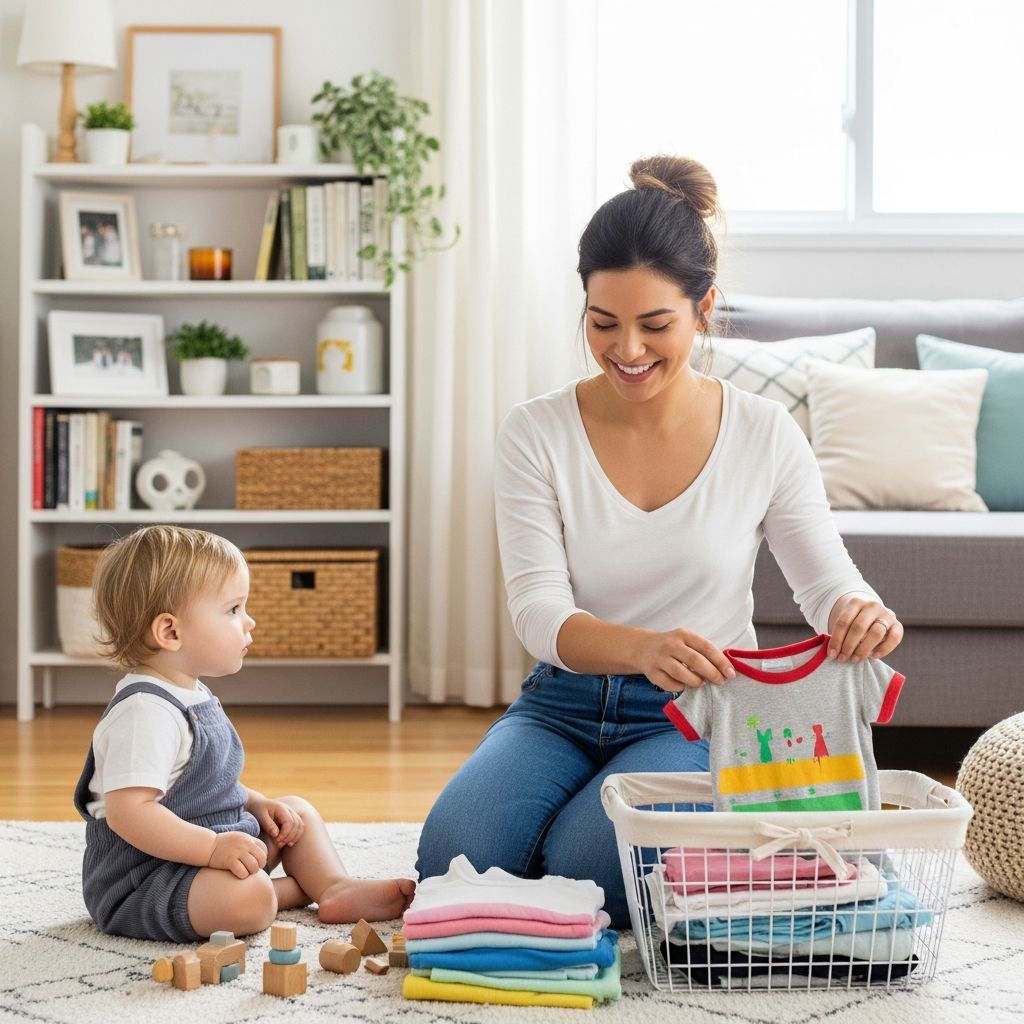
Marie Kondo’s KonMari method has inspired millions to transform their homes by keeping only items that spark joy. For moms juggling endless demands, a full overhaul feels daunting. This guide reimagines KonMari principles for family life, focusing on sustainable strategies that fit around nap times, school runs, and playdates.
Why KonMari Resonates with Mothers
The core of KonMari shifts focus from endless organizing to intentional living. Moms often drown in toys, clothes, and paperwork, leading to stress. By prioritizing joy, you reclaim space and mental clarity. Studies from the American Psychological Association note that cluttered environments heighten cortisol levels, exacerbating anxiety—especially for parents.
Adapting KonMari means embracing its mindset without rigid rules. Visualize a serene home where kids play freely and you breathe easy. This mental picture guides decisions, making tidying purposeful rather than punitive.
Core Principles Tailored for Family Homes
KonMari’s foundation—discard first, organize later—works wonders when modified. Here’s how to apply key ideas realistically:
- Visualize Your Ideal Space: Before touching a single sock, close your eyes and picture your dream home. What does a clutter-free playroom look like? This ‘why’ sustains motivation during tough choices.
- Focus on Keeping, Not Discarding: Ask, ‘Does this bring joy?’ for each item. For kids’ toys, involve them: ‘Does this make you happy?’ This builds decision-making skills.
- Handle Items Mindfully: Physically touch objects. A worn-out stuffed animal might evoke memories worth keeping; a duplicate gadget may not.
- Category-Based Sorting: Tackle clothes, books, papers, then miscellany—but in bite-sized chunks.
Step-by-Step Guide to Mom-Friendly Decluttering
Break KonMari into manageable sessions. Aim for 15-30 minutes daily to avoid burnout.
Step 1: Clothes for the Whole Family
Start small: Sort one drawer or all jeans. Pile similar items, touch each, and keep joy-sparkers. Fold vertically for visibility—Kondo’s signature trick saves space and reveals excess.
| Category | Quick Sort Questions | Keep If… |
|---|---|---|
| Adult Clothes | Does it fit? Spark joy? | Worn recently, loved |
| Kids’ Outfits | Grown out? Stained? | Fits well, played in |
| Socks/Underwear | Paired? Comfortable? | Intact, joyful |
Step 2: Books and Papers
Books: Keep those that inspire. Papers: Shred or file only essentials—tax docs, warranties. Digitize where possible. The National Archives recommends secure disposal for sensitive info.
Step 3: Kids’ Toys and Sentimentals
Toys overwhelm most homes. Sort by type: puzzles, dolls. Let children choose keepers. For mementos, use a ‘memory box’ limit—one per child.
Step 4: Everything Else (Komono)
Kitchen gadgets, bathroom sundries—declutter duplicates. Thank discards mentally for their service, honoring Kondo’s ritual without fanfare.
Customizing KonMari: What to Skip
Not every rule suits families. Adapt boldly:
- No Massive Piles: Dumping all clothes risks kid-made forts. Sort subsets instead.
- Family Involvement: Don’t tidy alone—teach kids the joy test. It fosters responsibility.
- Ongoing Maintenance: Kids bring stuff in constantly. Weekly mini-resets beat one-and-done myths.
- Folding Perfection: Use Kondo folds if helpful, but functionality trumps aesthetics.
Research from the Journal of Environmental Psychology shows family participation in organizing boosts adherence.
Organizing What Remains
Post-purge, assign homes. Use clear bins for visibility. Vertical folding maximizes drawers. Label kid zones for independence.
- Playroom: Rotate toys weekly.
- Closets: Hooks for bags, shelves for folded joy.
- Entryway: Baskets for daily drops.
Overcoming Common Mom Challenges
Time Scarcity
Tidy during quiet moments—post-bedtime or lunch. Audio books of Kondo’s talks keep you motivated.
Kid Resistance
Turn it into a game: ‘Joy Hunt!’ Praise choices, not perfection.
Sentimental Overload
Photos app for digitizing memories. Limit physical keepsakes.
Partner Buy-In
Share wins: Less stress, more family time. Lead by example.
Long-Term Benefits for Moms and Families
Beyond neatness, KonMari cultivates mindfulness. Moms report less decision fatigue, per user experiences. Kids learn discernment, reducing future clutter. A tidier home supports routines, aiding child development as noted by the CDC.
Sustainable tidying evolves habits. Monthly reviews prevent creep-back.
Frequently Asked Questions (FAQs)
What if an item doesn’t spark joy but is practical?
Balance utility with emotion. A blender that feeds your family joyfully stays.
How do I involve toddlers?
Simple choices: Two toys, pick the happy one. Supervise closely.
Can KonMari work in small apartments?
Yes—focus on multi-use items. Vertical space is key.
What about holiday influx?
Pre-plan donation spots. Immediate sort new gifts.
Is perfect folding necessary?
No—adapt for ease. Goal is accessibility.
Tools and Resources for Success
- Affordable bins from discount stores.
- Apps like Sortly for inventory.
- KonMari book or Netflix series for inspiration.
Track progress with before/after photos for motivation.
References
- Clutter and Mental Health — American Psychological Association. 2023-05-15. https://www.apa.org/topics/stress/clutter
- Guidelines for Secure Document Disposal — National Archives and Records Administration. 2024-01-10. https://www.archives.gov/records-mgmt/policy/document-destruction
- Family Organization and Well-Being — Journal of Environmental Psychology. 2022-08-20. https://doi.org/10.1016/j.jenvp.2022.101789
- Child Development Milestones: Routines — Centers for Disease Control and Prevention. 2025-03-01. https://www.cdc.gov/ncbddd/childdevelopment/positiveparenting/routines.html