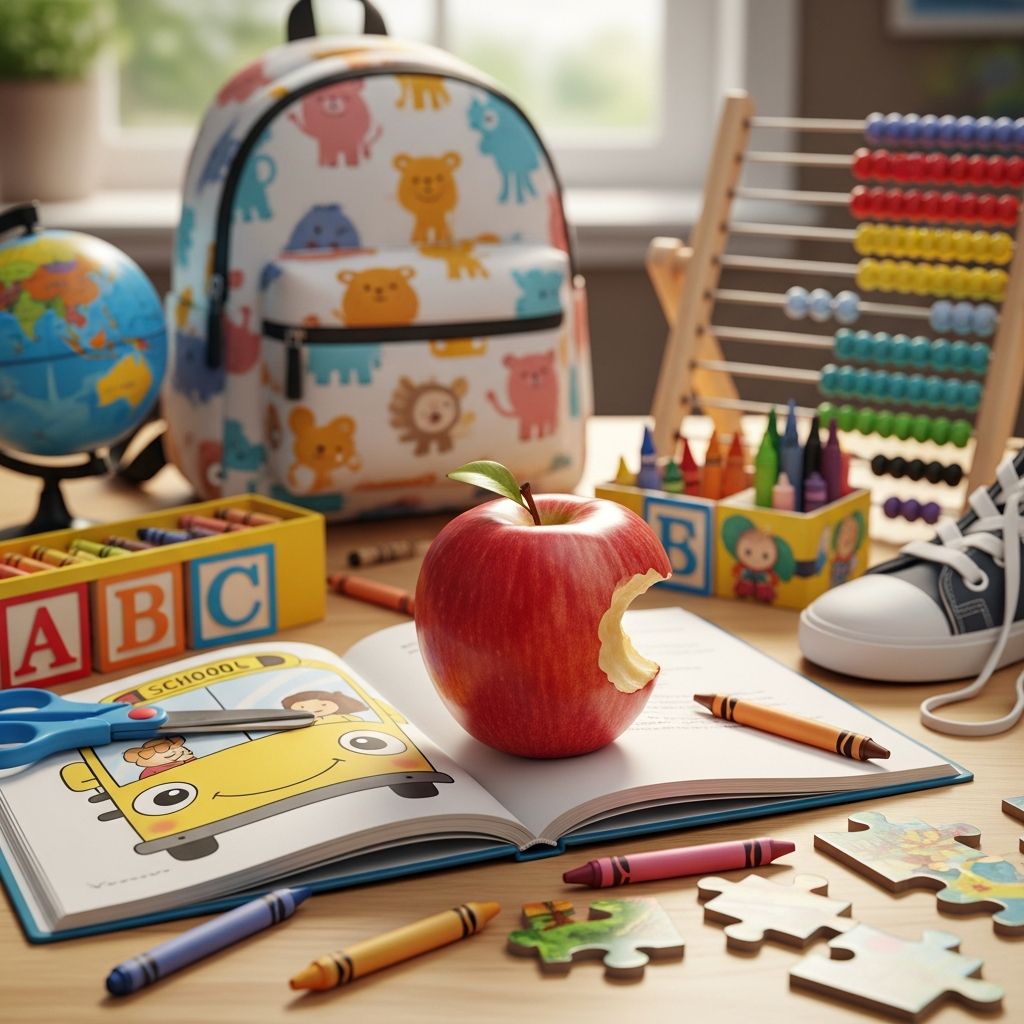
Entering kindergarten marks a pivotal milestone in a child’s educational journey. Success in this foundational year hinges not just on academic prowess but on a blend of social, emotional, physical, and cognitive abilities. Parents play a crucial role in fostering these competencies through everyday activities at home. This guide outlines key areas of development, offering practical insights and checklists to help gauge and enhance your child’s preparedness.
Building Strong Foundations in Social and Emotional Growth
Social and emotional skills form the bedrock of classroom success. Children who navigate interactions confidently tend to thrive in group settings. Key indicators include using polite language like ‘please’ and ‘thank you,’ resolving minor conflicts verbally, and transitioning smoothly to new environments.
- Engages positively with peers and adults, sharing toys and taking turns.
- Demonstrates self-control during frustrations, expressing feelings with words rather than outbursts.
- Follows basic routines, such as cleanup after playtime or preparing for bedtime.
- Separates from caregivers without excessive distress, showing emerging independence.
- Takes pride in personal achievements and seeks help when needed.
To nurture these traits, incorporate role-playing games that simulate school scenarios, like lining up or group discussions. Reading books about emotions also helps children identify and articulate their feelings effectively.
Mastering Self-Care and Independence Routines
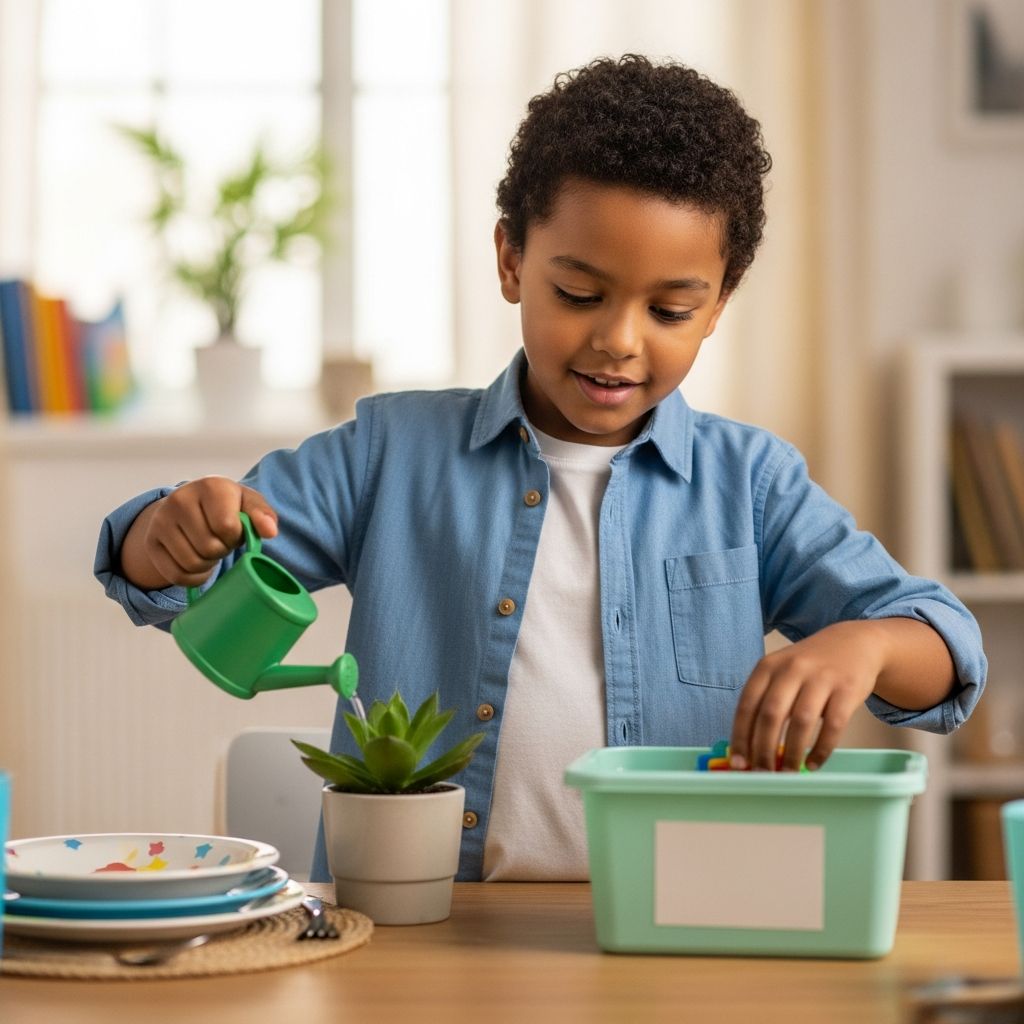
Independence in daily tasks empowers children to focus on learning rather than basic needs. Kindergarten classrooms expect students to manage personal hygiene, dressing, and belongings autonomously.
| Skill Area | Expected Proficiency | Home Practice Tips |
|---|---|---|
| Bathroom Independence | Uses toilet alone and washes hands thoroughly | Practice handwashing songs and timed routines |
| Dressing | Manages buttons, zippers, and shoes with minimal aid | Allow dressing for outings without rushing |
| Hygiene | Brushes teeth, covers coughs, and uses tissues | Make hygiene a fun family ritual with charts |
| Belongings Management | Packs/unpacks backpack and tidies items | Use labeled bins for toys to build habits |
These skills reduce teacher intervention, allowing more time for instruction. Consistent home practice builds muscle memory and confidence.
Developing Fine and Gross Motor Abilities
Motor skills underpin writing, play, and physical education. Fine motor control aids in gripping tools, while gross motor supports active participation.
- Fine Motor: Holds pencils correctly, cuts paper with safety scissors, assembles 10-20 piece puzzles, and forms basic shapes when drawing.
- Gross Motor: Balances on one foot briefly, hops, skips, throws/catches a ball, pedals a tricycle confidently.
Activities like playdough manipulation, threading beads, or obstacle courses enhance coordination. Outdoor play is vital—aim for 60 minutes daily to build strength and spatial awareness.
Advancing Language and Communication Proficiency
Clear communication facilitates learning and socialization. By kindergarten, children should form complete sentences, follow multi-step directions, and engage in conversations.
- Speaks in 4-5 word sentences combining ideas (e.g., “I want the red ball because it’s big.”).
- Recites familiar rhymes or songs from memory.
- Retells simple stories or daily events in sequence.
- Asks questions to express curiosity and follows 2-3 step instructions.
- Uses descriptive words to convey needs and emotions.
Daily read-alouds, storytelling sessions, and discussions during meals expand vocabulary. Encourage questions to spark critical thinking.
Early Literacy Benchmarks for Reading Readiness
While full reading isn’t required, familiarity with print concepts sets the stage. Children benefit from recognizing letters, rhyming words, and book handling.
- Holds books right-side up and turns pages gently.
- Identifies some uppercase/lowercase letters, especially in their name.
- Recognizes rhymes and predicts story outcomes.
- Understands print moves left-to-right and words are separated by spaces.
- Shows interest in books independently.
Phonics games and alphabet songs accelerate progress without pressure. Libraries offer free story times to immerse kids in literacy-rich environments.
Foundational Math Concepts and Numeracy Skills
Basic numeracy involves counting, shapes, and patterns—skills used in daily classroom activities.
| Concept | Mastery Signs | Activities |
|---|---|---|
| Counting | Counts to 20 orally; matches numbers to objects up to 10 | Count snacks or steps during walks |
| Shapes & Colors | Names circle, square, triangle; sorts by color | Shape hunts in the environment |
| Patterns & Sorting | Extends simple patterns (red-blue-red-blue) | Bead stringing or block stacking |
| Basic Operations | Understands more/less, adds/takes away small quantities | Play with counters like beans |
Integrate math into routines: count silverware at dinner or sort laundry by color. Hands-on tools like blocks make abstract ideas concrete.
Fostering Creativity, Exploration, and Cognitive Thinking
Beyond academics, kindergarten values imagination and inquiry. Skills in art, music, and basic science encourage holistic growth.
- Draws people with body parts and tells stories via pictures.
- Moves to rhythms, experiments with instruments.
- Explores cause-effect (e.g., sink/float in water).
- Understands community concepts like homes and helpers.
- Shows persistence in problem-solving tasks.
Provide open-ended materials like paints, recyclables, and nature items for free play. Field trips to parks introduce real-world science.
Practical Strategies for Parents to Boost Readiness
Preparation doesn’t require formal classes—everyday moments count. Establish predictable routines mirroring school: wake-up, meals, play, quiet time, bedtime. Limit screen time to foster active engagement.
Partner with preschools for assessments, but home is the primary learning lab. Track progress with checklists, celebrating small wins to build resilience. If gaps appear, targeted playgroups or apps aligned with developmental standards can help.
Collaborate with pediatricians for screenings; early intervention for delays ensures equitable starts.
Frequently Asked Questions
What if my child isn’t meeting all skills?
Every child develops uniquely—focus on progress, not perfection. Consult educators for tailored advice; most skills emerge by mid-year with support.
How much daily practice is needed?
15-30 minutes of intentional play daily suffices. Consistency trumps intensity for natural skill-building.
Are academic skills prioritized over social ones?
No—social-emotional readiness predicts long-term success more than early reading.
Can summer programs accelerate readiness?
Yes, but quality play-based ones emphasizing the 5 C’s (core skills, creativity, critical thinking, curiosity, character) yield best results.
What role do parents play post-enrollment?
Ongoing involvement through reading homework and communication with teachers sustains momentum.
References
- Kindergarten skills checklist — LeapFrog. Accessed 2026. https://www.leapfrog.com/en-us/learning-path/articles/kindergarten-skills-checklist
- Kindergarten Readiness Checklist — Wichita Public Schools. Accessed 2026. https://www.usd259.org/discover-wps/kindergarten/kindergarten-readiness-checklist
- Kindergarten Skills Checklist: Readiness for New Beginnings — Begin Learning. Accessed 2026. https://www.beginlearning.com/parent-resources/kindergarten-readiness-checklist/
- Skills kids need going into kindergarten — Understood.org. Accessed 2026. https://www.understood.org/en/articles/skills-kids-need-going-into-kindergarten
- Kindergarten Readiness Brochure and Checklist — MRC Serie (PDF). Accessed 2026. https://www.mrcserie.org/sites/default/files/Kindergarten%20Readiness%20Brochure%20and%20Checklist.pdf