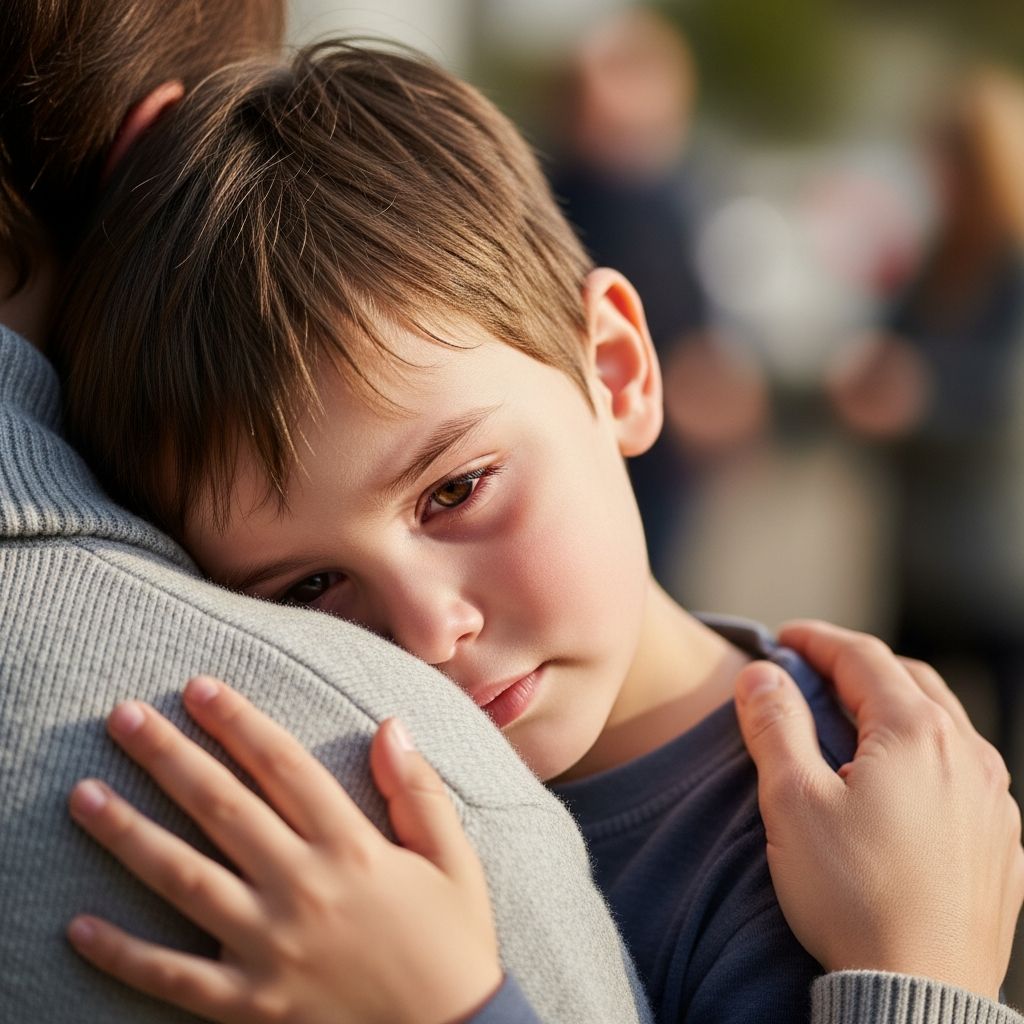
In a world often quick to judge, moments of genuine empathy shine brightest. When a young child with autism experiences a meltdown in public, reactions vary from stares to avoidance. Yet, one stranger’s intuitive act of kindness changed everything for a struggling mother and her son, proving that compassion can bridge gaps and restore calm.
Understanding Meltdowns in Children with Autism
Meltdowns differ from typical tantrums; they stem from sensory overload, communication challenges, or emotional dysregulation common in autism spectrum disorder (ASD). Children like Rudy, a 5-year-old diagnosed with autism, global developmental delay, and sensory processing disorder, may lie down, vocalize loudly, or withdraw when overwhelmed.
These episodes aren’t willful misbehavior but neurological responses. Parents often face public scrutiny, amplifying their stress. Research from the Centers for Disease Control and Prevention (CDC) indicates that about 1 in 36 children in the U.S. has ASD, making such encounters increasingly common in daily life.[10]
The Heartwarming Encounter on the Boardwalk
Natalie Fernando was walking with her son Rudy along a seaside path in Southend, England. What began as a pleasant outing escalated when Rudy, overwhelmed, dropped to the ground, making distress sounds. Onlookers frowned, but one man—a runner named Ian—approached with calm curiosity.
Ian spoke gently to Rudy. Natalie explained her son’s conditions, noting he might not comprehend words. Undeterred, Ian lay down beside him on the pavement, mirroring his position and chatting casually. This non-threatening interaction clicked; Rudy stood, took Ian’s hand, and the tension dissolved.
Ian then escorted them to their car, ensuring safety. For Natalie, this stranger became a hero, shortening what could have been an hours-long ordeal.
Why This Approach Worked: The Power of Mirroring
- Empathy in Action: By joining Rudy at his level, Ian avoided towering over him, reducing perceived threat.
- Sensory Accommodation: Physical proximity without touch respected boundaries while providing comfort.
- Calm Demeanor: Steady talking modeled regulation, helping Rudy self-soothe.
Experts from the Autism Society emphasize such strategies: meeting the child where they are fosters trust and de-escalation.[11]
Similar Stories of Everyday Heroism
This isn’t isolated. On a flight, passengers and crew comforted a 4-year-old with autism mid-meltdown, surrounding him with distractions and reassurance, leading to joyful reunions later.
Another tale: strangers on a plane engaged an autistic girl throughout an 8-hour journey, turning potential chaos into bonding. In a park, men kicked a ball to an autistic boy, allowing inclusive play without intrusion.
| Story | Location | Kind Gesture | Outcome |
|---|---|---|---|
| Rudy & Ian | Boardwalk | Lying down to chat | Quick calm, safe walk home |
| Plane Meltdown | Flight | Group comfort & play | Tears of joy, reunion |
| Park Ball Game | Grass field | Inclusive kicking | Child felt included |
| Long Flight Girl | Airplane | Full journey engagement | Lasting impression |
Parental Perspectives: Navigating Public Judgment
Mothers like Natalie often feel isolated. Stares imply poor parenting, ignoring invisible disabilities. Yet, kindness from strangers validates their efforts. Natalie urged: if you see struggle, ask ‘Are you okay?’ rather than judge.
Support groups echo this. The National Autistic Society (UK) reports many parents hide outings to avoid meltdowns, missing vital socialization.[12]
Practical Tips for Bystanders
- Observe First: Assess if help is needed; don’t assume.
- Offer Gently: Say, ‘Can I assist?’ or ‘Is everything alright?’
- Respect Space: Stay low, speak softly; mirror if appropriate.
- Distraction Tools: Offer toys, snacks, or humor if welcomed.
- Follow Lead: Let parent direct involvement.
These align with guidelines from Autism Speaks’ toolkits for public interactions.[13]
Building Community Awareness
Stories like Rudy’s go viral, shifting narratives from judgment to understanding. Social media amplifies calls for empathy, educating millions. Campaigns like #AutismAcceptance promote inclusion year-round.[14]
Schools and workplaces train on neurodiversity, reducing stigma. Data from the World Health Organization shows early intervention and social support improve outcomes for autistic individuals.[15]
Long-Term Impact on Families
One interaction can restore confidence. Natalie shared her story to inspire others, noting Ian’s act prevented Rudy’s typical aggression phase. Such positivity encourages outings, vital for development.
Parents report boosted resilience post-kindness. A study in the Journal of Autism and Developmental Disorders found community support correlates with lower parental stress.[16]
Challenges Remain: When Kindness is Absent
Not all encounters end well. Some face hostility, like nasty notes left for families. Yet, these spark counter-waves of support, as seen when communities rallied for an autistic boy.
Advocacy pushes for public signage, like ‘Quiet Zones’ in stores, aiding sensory needs.[17]
Frequently Asked Questions
What should I do if I see a child melting down in public?
Stay calm, offer help to the parent politely, and respect their guidance. Avoid physical intervention unless asked.[11]
Why do autistic children have meltdowns?
They result from overload in sensory, emotional, or cognitive processing, not defiance.[10]
How can parents prepare for public outings?
Use visual schedules, sensory kits, and choose low-stimulation times/locations.[13]
Is autism increasing?
CDC data shows rising diagnoses, likely due to better awareness and diagnostics.[10]
Can strangers really help?
Yes, empathetic, low-pressure aid often de-escalates faster than isolation.
Encouraging a Kinder World
These tales remind us: small acts yield big changes. Whether lying on pavement or sharing a flight, strangers’ compassion humanizes autism challenges. Parents navigate complex paths; a moment’s kindness lights the way.
Embrace curiosity over criticism. Next time you witness struggle, choose empathy—it might transform a day.
References
- A Kind Stranger Lies on the Ground to Help an Autistic Boy — Bright Side. 2020-05-12. https://brightside.me/articles/a-kind-stranger-lies-on-the-ground-to-help-an-autistic-boy-in-the-middle-of-a-meltdown-802314/
- Mom Of Autistic Boy Surprised By The Kindness Of A Stranger — Bored Panda. 2019-10-15. https://www.boredpanda.com/boy-with-autism-stranger-calms-kindness-bettertobedifferent/
- Thankful for the Kindness of Strangers — Autism Awareness. 2021-03-22. https://autismawareness.com/thankful-for-the-kindness-of-strangers/
- Strangers help boy with autism on plane — CBS News (YouTube). 2019-09-11. https://www.youtube.com/watch?v=_r5nynpD7-A
- This stranger’s kindness to a child with autism — Mother.ly. 2019-11-05. https://www.mother.ly/life/stranger-kindness-child-with-autism/
- CDC Autism Data — Centers for Disease Control and Prevention. 2023-03-23. https://www.cdc.gov/ncbddd/autism/data.html
- Public Interactions Toolkit — Autism Society. 2024-01-15. https://autismsociety.org/public-interactions/