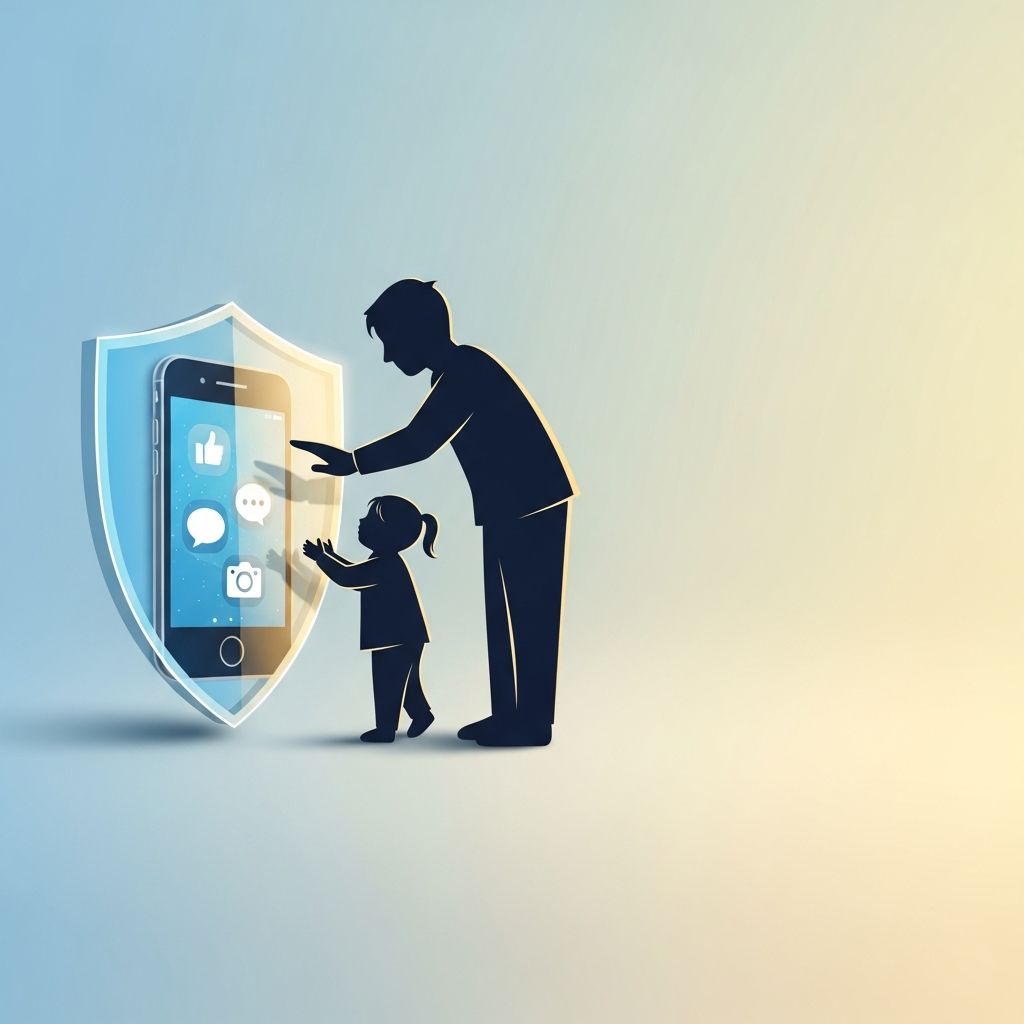
Smartphones and social platforms have transformed how children connect, learn, and play, but they raise pressing concerns for parents worldwide. This guide draws on recent research to explore the ideal age for devices, mental health effects, safety measures, and strategies for fostering healthy digital habits.
Navigating the Digital World: Key Parental Concerns
In an era where nearly every child encounters screens early, parents grapple with decisions on when and how to introduce phones and apps. Studies show that while technology offers connectivity and creativity, excessive use correlates with heightened anxiety and depression risks, particularly for those spending over three hours daily on social media. Balancing access with protection requires informed choices grounded in evidence.
Common worries include exposure to inappropriate content, cyberbullying, sleep disruption, and addiction-like behaviors driven by dopamine rewards from notifications. Yet, moderate, guided use can enhance social skills and provide support networks for isolated youth.
When Should Children Get Their First Smartphone?
There is no universal age, but experts recommend delaying until at least age 12-14 for smartphones with full internet access. The U.S. Surgeon General highlights that adolescents exceeding three hours daily on social platforms double their risk for poor mental health outcomes, including depressive symptoms. For younger children, basic phones for communication suffice without social features.
- Ages 8-10: Consider feature phones for calls/texts only, avoiding data plans.
- Ages 11-13: Introduce supervised smartphones with parental controls; limit to essentials like family contact.
- Ages 14+: Allow broader access but enforce time limits and privacy settings.
Research from the WHO notes teens with problematic social media patterns report lower well-being, underscoring the need for gradual introduction. Tailor decisions to your child’s maturity, peer environment, and responsibility level.
How Social Media Influences Young Minds
Social platforms can both uplift and undermine mental health. A NIH review found frequent use linked to lower self-esteem, anxiety, and depression in children aged 6-13, especially passive scrolling that fuels comparisons. Active engagement, like sharing positive content, may boost emotional expression and connections.
| Aspect | Positive Effects | Negative Effects |
|---|---|---|
| Mental Health | Builds communities for isolated kids; fosters support. | Increases anxiety/depression risk (2x over 3hrs/day). |
| Social Skills | Enhances interaction via discussions. | Reduces face-to-face bonds; promotes FOMO. |
| Brain Impact | Stimulates creativity in moderation. | Dopamine-driven addiction; cortex thinning risks. |
Neurological studies indicate excessive screen time may alter developing brains, affecting emotional regulation and attention. Parents should monitor for signs like irritability or withdrawal.
Protecting Kids from Online Dangers
Cyberbullying affects up to 20-30% of youth, leading to social anxiety and depressive symptoms. Platforms amplify harms through anonymity and rapid spread. Other threats include predators, explicit content, and misinformation.
- Enable privacy settings to limit stranger interactions.
- Use two-factor authentication and avoid sharing locations.
- Discuss recognizing harassment and reporting tools early.
Institute “screen-free zones” like bedrooms and mealtimes to curb sleep-disrupting blue light exposure, which exacerbates mental health issues.
Effective Strategies for Screen Time Management
Parental controls on devices like iOS Screen Time or Google Family Link allow limits, app approvals, and usage reports. Set daily caps: under 2 hours recreational screen time for tweens.
- Co-create family media plans outlining rules and consequences.
- Model healthy habits by limiting your own use.
- Encourage offline activities like sports or reading.
- Track progress weekly and adjust based on behavior.
Evidence supports family involvement in mitigating negatives; strong support systems buffer SM’s downsides. Apps like Qustodio or Bark provide AI monitoring for risky content.
Recognizing and Addressing Warning Signs
Watch for excessive secrecy around devices, mood swings post-use, declining grades, or social withdrawal. Children with ADHD or anxiety face amplified risks. Intervene with open talks: “I’ve noticed you’re upset after scrolling—what’s on your mind?”
Seek professional help if symptoms persist, as early intervention prevents escalation. Programs teaching digital literacy in schools show promise.
Building Resilience in the Digital Age
Empower kids by teaching critical thinking: question filtered realities and value internal validation over likes. Promote diverse hobbies to build self-esteem offline.
Positive online examples include youth advocacy groups using platforms for change, demonstrating tech’s potential when harnessed responsibly.
Age-Appropriate Platform Recommendations
| Age Group | Suggested Platforms | Restrictions/Parental Tips |
|---|---|---|
| Under 10 | Educational apps (e.g., Khan Kids) | No social features; 1hr/day max. |
| 10-12 | YouTube (supervised), Messenger Kids | Private accounts; daily reviews. |
| 13+ | Instagram, Snapchat (with limits) | Privacy maxed; no public stories. |
Adhere to platforms’ minimum ages (13 for most per COPPA), though enforcement varies.
Frequently Asked Questions
What if my child is being cyberbullied?
Document incidents, block/report users, and discuss feelings. Involve school if widespread; therapy aids recovery.
Is social media safe for preteens?
Limited use with controls can be, but risks like FOMO and addiction loom. Prioritize real-world bonds.
How much screen time is too much?
Over 3hrs/day doubles mental health risks; aim for <2hrs recreational.
Can phones improve my child’s social life?
Yes, for marginalized kids via online communities, but monitor for balance.
What laws protect kids online?
COPPA (U.S.) mandates privacy for under-13s; countries like New Zealand ban under-13s from SM.
Long-Term Outlook: Preparing for Tomorrow’s Tech
As AI and VR evolve, proactive parenting remains key. Foster adaptability through ongoing dialogues. Research evolves, but core principles—connection, moderation, empathy—endure.
(Word count: 1728)
References
- The Impact of Social Media on Children’s Mental Health — National Institutes of Health (NIH). 2024. https://pmc.ncbi.nlm.nih.gov/articles/PMC11641642/
- Understanding Social Media’s Effect on Children’s and Teens’ Mental Health — Miller Children’s & Women’s Hospital. 2024. https://www.millerchildrens.memorialcare.org/blog/understanding-social-medias-effect-childrens-and-teens-mental-health
- Talking to Kids About Social Media and Mental Health — Mass General Brigham. 2024. https://www.massgeneralbrigham.org/en/about/newsroom/articles/kids-social-media-mental-health
- Social Media and Mental Health for Children and Teens — Dartmouth Health. 2025-05-06. https://www.youtube.com/watch?v=zuaeyV29-Cs
- Social Media and Kids — Kids Mental Health Foundation. 2024. https://www.kidsmentalhealthfoundation.org/mental-health-resources/technology-and-social-media/social-media-and-kids
- Social Media and Youth Mental Health — U.S. Department of Health and Human Services (HHS). 2025. https://www.hhs.gov/surgeongeneral/reports-and-publications/youth-mental-health/social-media/index.html