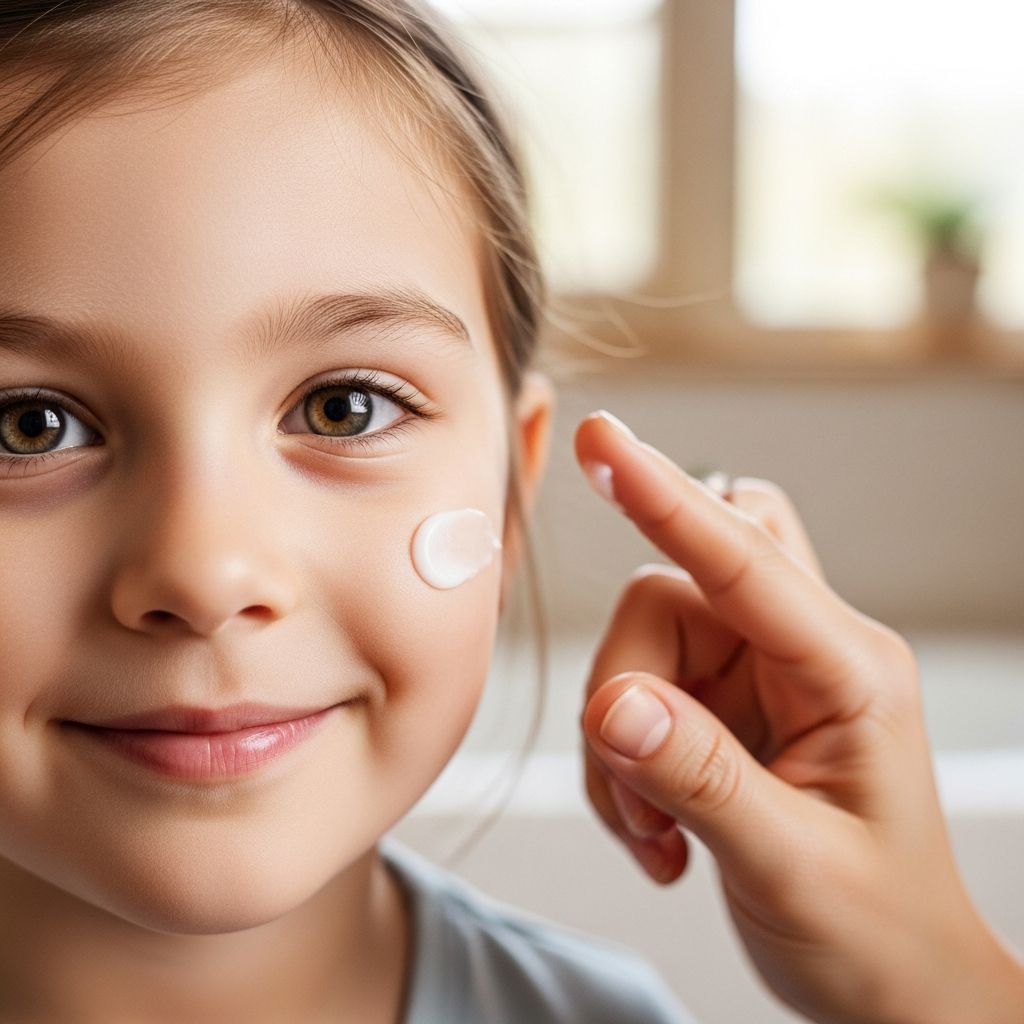
Children’s skin requires careful attention due to its thinner, more sensitive nature compared to adults. Establishing basic habits early promotes lifelong skin health without overwhelming young ones with complex regimens.
Understanding Children’s Unique Skin Needs
Young skin is approximately 30% thinner and produces fewer natural oils, making it prone to dryness and irritation. It absorbs substances more readily, heightening risks from harsh chemicals. Factors like frequent handwashing, playtime dirt, and environmental exposure demand protective yet minimal care.
Different age groups have varying requirements: infants under 6 months need little beyond basic cleansing, while school-age kids benefit from added hydration and sun defense. Preteens facing hormonal shifts may encounter oiliness or blemishes, signaling a need for adjusted but still simple approaches.
Core Elements of a Daily Routine
A streamlined routine suffices: cleanse to remove impurities, hydrate to maintain barrier function, and protect from UV damage. Limit to morning and evening sessions to foster consistency without resistance.
Morning Steps
- Gentle face wash: Use lukewarm water and a mild, soap-free cleanser on face, hands, and key areas.
- Hydration layer: Apply lightweight, non-greasy lotion immediately after patting dry.
- Sun shield: Broad-spectrum SPF 30+ sunscreen, reapplied every two hours outdoors.
Evening Steps
- Cleansing: Remove dirt, sweat, and sunscreen residue with the same gentle product.
- Moisturize: Thicker cream for overnight repair, focusing on dry spots like elbows and knees.
Daily baths or showers last 10-15 minutes max to avoid stripping oils. Pat dry gently—no rubbing—to preserve moisture.
Selecting Age-Appropriate Products
Opt for pediatrician-recommended, fragrance-free formulas. Avoid adult products with retinoids, acids, or heavy fragrances that disrupt the skin barrier.
| Age Group | Recommended Products | Key Features |
|---|---|---|
| 0-6 months | Minimal; water-based wipes or no-rinse cleansers | Hypoallergenic, tear-free |
| 6 months-5 years | Cleanser, lotion, mineral sunscreen | pH-balanced, emollient-rich |
| 6-12 years | Same plus oil-control if needed | Non-comedogenic, matte finish options |
| Preteens (12+) | Add gentle exfoliants sparingly | Acne-targeted but mild |
Ingredients to seek: ceramides, hyaluronic acid, shea butter, aloe, and natural oils like jojoba. Shun sulfates, parabens, and alcohol.
Tailoring to Skin Types
Identify your child’s profile for targeted care:
- Normal: Balanced; standard routine works.
- Dry/Eczema-prone: Rich creams with oats or barrier-repair agents; bathe less frequently.
- Oily: Gel-based, mattifying products; avoid oils.
- Sensitive: Mineral-only sunscreen, dye-free everything.
Patch-test new items on inner arm for 48 hours. Consult dermatologists for persistent issues like severe eczema.
The Critical Role of Sun Protection
UV exposure causes 90% of visible aging and raises skin cancer risk. Start SPF at 6 months daily, even indoors near windows. Choose mineral (zinc/titanium) over chemical filters for less irritation. Water-resistant for active kids; apply dime-sized amount to face, more for body. Reapply post-swim or sweat.
Common Mistakes and How to Avoid Them
Over-cleansing strips lipids; stick to twice daily. Skipping moisturizer post-wash leads to rebound dryness. Trendy TikTok hacks with acids harm developing skin—steer clear. Fancy packaging tempts, but efficacy trumps aesthetics; read labels.
For tweens eyeing influencers, emphasize science: simple routines yield confident skin without reactions.
Building Habits That Last
Make it fun—use kid-friendly dispensers, timers, or songs. Demonstrate first, then supervise independence. Track progress with photos to motivate. Consistency from age 2-3 instills hygiene values into adulthood.
Special Considerations for Active Lifestyles
Sports and outdoor play amplify needs: sweat-proof sunscreen, quick-dry cleansers. Post-activity rinse prevents clogged pores. Hydrate extra in dry climates or winter.
When to Seek Professional Advice
Rashes, unexplained itching, or worsening acne warrant a pediatric dermatologist visit. Allergies may require prescription topicals. Annual check-ups catch issues early.
Frequently Asked Questions
At what age should kids start a skincare routine?
Basics from infancy; structured habits by school age with cleanser, moisturizer, and SPF.
Is sunscreen necessary daily?
Yes, UVA rays penetrate clouds/windows; prevents long-term damage.
Can kids use adult skincare?
No—too harsh; concentrations irritate thin skin.
What if my child hates lotion?
Choose fun-scented naturals or fun application like “skin paint.”
How to handle acne in preteens?
Gentle routine first; add salicylic acid if needed under guidance.
This guide empowers parents to nurture healthy skin simply and effectively, fostering confidence and protection for years ahead.
References
- Skin Care Routine For Kids: What’s OK And What To Avoid — Mustela USA. 2023-10-15. https://www.mustelausa.com/blogs/mustela-mag/skin-care-for-kids
- A Guide to Skin Care for Kids — Aveeno UK. 2024-05-20. https://www.aveeno.co.uk/kids/kids/skincare/skincare-for-kids
- Guiding Parents Through A Safe and Effective Pediatric Skincare Routine — Practical Dermatology. 2023-11-01. https://practicaldermatology.com/topics/pediatric/guiding-parents-through-a-safe-and-effectivepediatric-skincare-routine/23081/
- Best skin care routines for preteens — CHOC Children’s. 2024-02-12. https://health.choc.org/preteens-and-skincare-what-parents-should-know/
- Kids’ Skincare: Building Healthy Routines & Choosing Safe Products — US Dermatology Partners. 2023-09-18. https://www.usdermatologypartners.com/blog/building-healthy-kids-skincare-routines/
- What parents need to know about skincare for kids — Children’s Health. 2024-01-10. https://www.childrens.com/health-wellness/what-parents-need-to-know-about-skincare-for-kids
- A Comprehensive Pediatric Skin Care Guide — Happy Skin Dermatology. 2023-08-02. https://www.happyskindermatology.com/2023/08/02/a-comprehensive-pediatric-skin-care-guide/