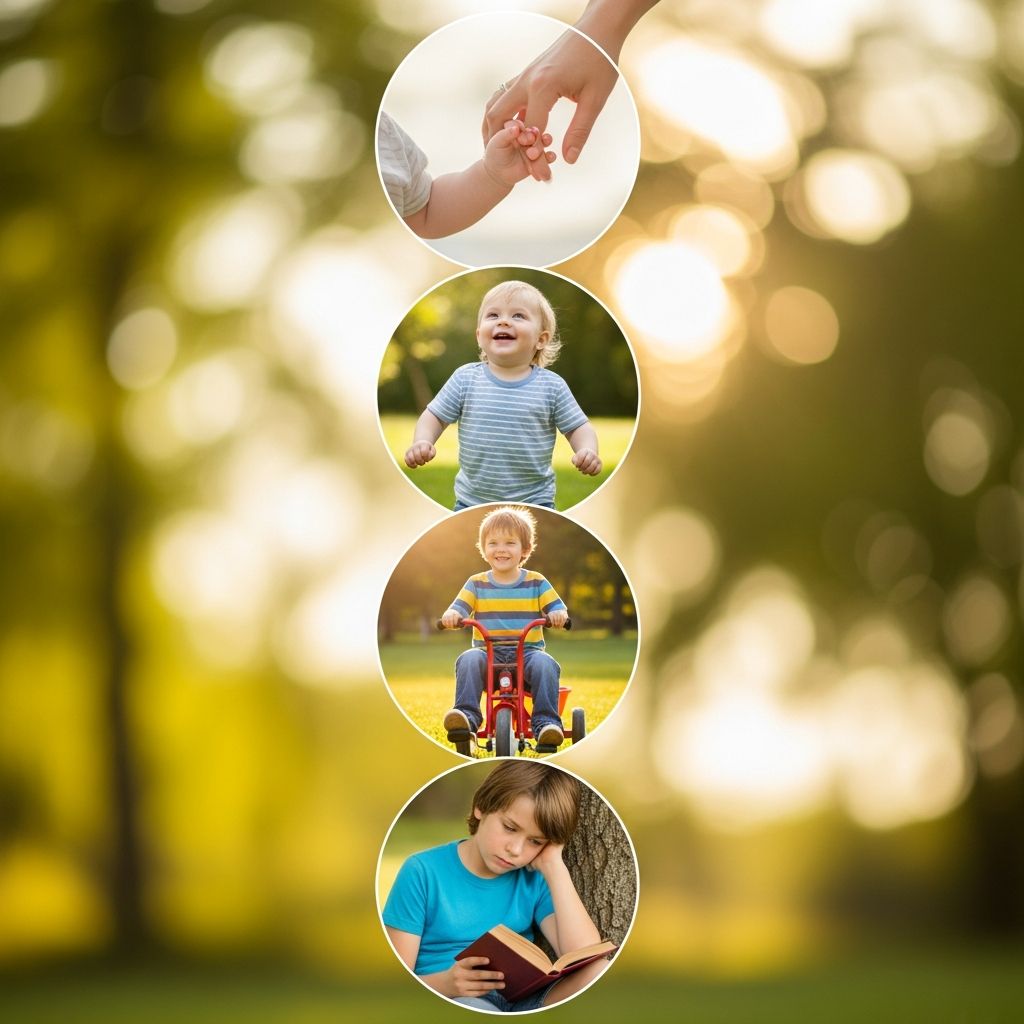
Parenthood unfolds in a whirlwind of change, where each day brings new discoveries and transformations in our children. The realization that **kids grow up fast** hits hard, urging us to pause and truly engage with the present. This article delves into practical ways to honor these transient phases, drawing from psychological insights and real-world parenting wisdom.
Understanding the Fleeting Nature of Childhood
Childhood stages pass swiftly, from the wonder of infancy to the independence of adolescence. Parents often reflect on how quickly toddlers become teens, prompting a deeper appreciation for the now. Research shows that mindful presence during these times fosters stronger emotional bonds and family resilience.
Consider the rapid cognitive and emotional leaps: infants grasp objects by six months, toddlers explore language by age two, and school-age kids master complex social dynamics. These milestones remind us that no phase repeats, encouraging intentional living over constant future-planning.
- Infancy: Building trust through responsive care.
- Toddlerhood: Fostering curiosity amid boundless energy.
- Early childhood: Nurturing creativity and friendships.
- Middle years: Supporting academic and emotional growth.
- Adolescence: Guiding toward autonomy.
The Power of Being Fully Present
Being present means setting aside distractions to connect deeply. In a world of screens and schedules, this practice counters the rush. Studies from educational psychology emphasize that undivided attention during play or conversation enhances a child’s sense of security and self-worth.
Practical steps include eye-level talks during meals, joint outdoor adventures, or quiet reading sessions. These moments create memories that outlast toys or trends, helping parents combat the ‘time flies’ anxiety.
| Daily Practice | Benefits for Child | Benefits for Parent |
|---|---|---|
| Unstructured playtime | Boosts creativity | Reduces stress |
| Device-free dinners | Improves communication | Strengthens bonds |
| Bedtime stories | Enhances vocabulary | Fosters closeness |
| Weekend nature walks | Promotes physical health | Recharges energy |
Balancing Presence with Personal Well-Being
While cherishing kid stages, parents must avoid burnout. The pressure to be ‘all-in’ can lead to self-neglect, yet self-care sustains long-term family harmony. Experts recommend boundaries like scheduled alone time or hobby pursuits to recharge.
For instance, a weekly ‘me hour’ allows reflection, while shared family rituals ensure everyone thrives. This equilibrium models healthy habits for children, teaching them balance in their own lives.
Navigating Family Size and Dynamics
Whether raising one child or several, each family setup offers unique joys. Only-child families often report closer parent-child ties and heightened individual attention, debunking myths of selfishness or loneliness. Psychological research confirms only children develop strong social skills through peer interactions and parental encouragement.
In larger families, siblings provide built-in playmates, yet parents can still prioritize one-on-one time. Trends show rising ‘one-and-done’ families, prioritizing depth over breadth in parenting.
- Single child: Deeper parental investment yields confident adults.
- Multiple kids: Sibling bonds teach cooperation and empathy.
- Blended families: Intentional rituals bridge gaps.
Capturing Memories Without Obsession
Photos and journals preserve moments, but over-documentation can distract from living them. Opt for selective captures: a weekly photo series or voice notes of funny sayings. Digital albums curate highlights without overwhelming storage.
Encourage kids to contribute, like drawing family favorites, turning memory-making into bonding activities. This approach ensures recollections enhance, not eclipse, real-time joy.
Overcoming Common Parenting Pressures
Society’s ‘they’re only little once’ mantra inspires but can guilt-trip. It motivates savoring snuggles yet pressures constant sacrifice. Balance comes from reframing: cherish without martyrdom. TIME notes this phrase’s dual edge—uplifting at best, bullying at worst.
Address guilt by affirming small wins daily. Journal three gratitudes per evening to shift focus from ‘not enough’ to abundance.
Age-Specific Strategies for Joyful Parenting
Infants and Toddlers: Sensory Wonderland
For under-threes, engage senses fully. Floor time with textured toys or music sessions builds neural pathways. Skin-to-skin contact soothes both parent and baby, creating irreplaceable intimacy.
Preschoolers: Imagination Unleashed
Ages 3-5 thrive on pretend play. Build forts, enact stories, or garden together. These fuel emotional expression and problem-solving, all while forging fun memories.
School-Age Kids: Adventure Partners
6-12 year-olds crave exploration. Bike rides, science experiments, or team sports match their energy. Discuss dreams openly to nurture aspirations amid routine.
Teens: Trusted Confidants
Adolescence demands respect for growing independence. Shared hobbies like cooking or gaming open dialogue channels, easing transition to adulthood.
Building Lasting Family Traditions
Traditions anchor fleeting stages. Annual camping trips or holiday baking rituals create anticipation and continuity. Customize to ages: simple crafts for little ones, deeper discussions for older kids.
These practices weave a family tapestry resilient to change, ensuring every stage feels celebrated.
Frequently Asked Questions (FAQs)
How can I be more present with my busy schedule?
Prioritize micro-moments: five-minute hugs or car-ride chats. Quality trumps quantity for connection.
Is it okay to have just one child?
Absolutely. Research debunks negative stereotypes; only children often excel socially and academically with focused parenting.
What if I miss a stage—can I make up for it?
No stage defines parenting. Consistent love across phases builds secure attachments. Focus forward.
How do I handle parenting guilt?
Acknowledge feelings, then release via self-compassion. Therapy or peer groups provide perspective.
What’s the best way to document memories?
Selectively: one photo per outing, monthly journals. Involve kids to make it interactive.
Long-Term Perspectives from Adult Children
Grown only children often cherish parental presence, citing it as a privilege. They value encouraged friendships and deep talks, gaining social savvy early. Multi-child adults recall sibling fun but appreciate individual attention too. These voices affirm: presence pays dividends lifelong.
In summary, honoring each age means mindful engagement, self-nourishment, and flexible traditions. Kids’ growth is a gift—live it fully.
References
- What the Phrase ‘They’re Only Little Once’ Says to Mothers — TIME. 2023-09-12. https://time.com/6311184/theyre-only-little-once-motherhood-essay/
- The Rise of the One-and-Done Family — Macleans.ca. 2023-01-15. https://macleans.ca/longforms/one-and-done-family/
- Our kids are only this age once — Motherly. 2023-05-20. https://www.mother.ly/life/our-kids-are-only-this-age-once/
- Only children are often misunderstood. Take a closer look at the … — American Psychological Association (APA). 2024-09-01. https://www.apa.org/monitor/2024/09/only-children
- Growing Up Without Siblings: Adult Only Children Speak Out — Psychology Today. 2019-10-15. https://www.psychologytoday.com/us/blog/singletons/201910/growing-up-without-siblings-adult-only-children-speak-out