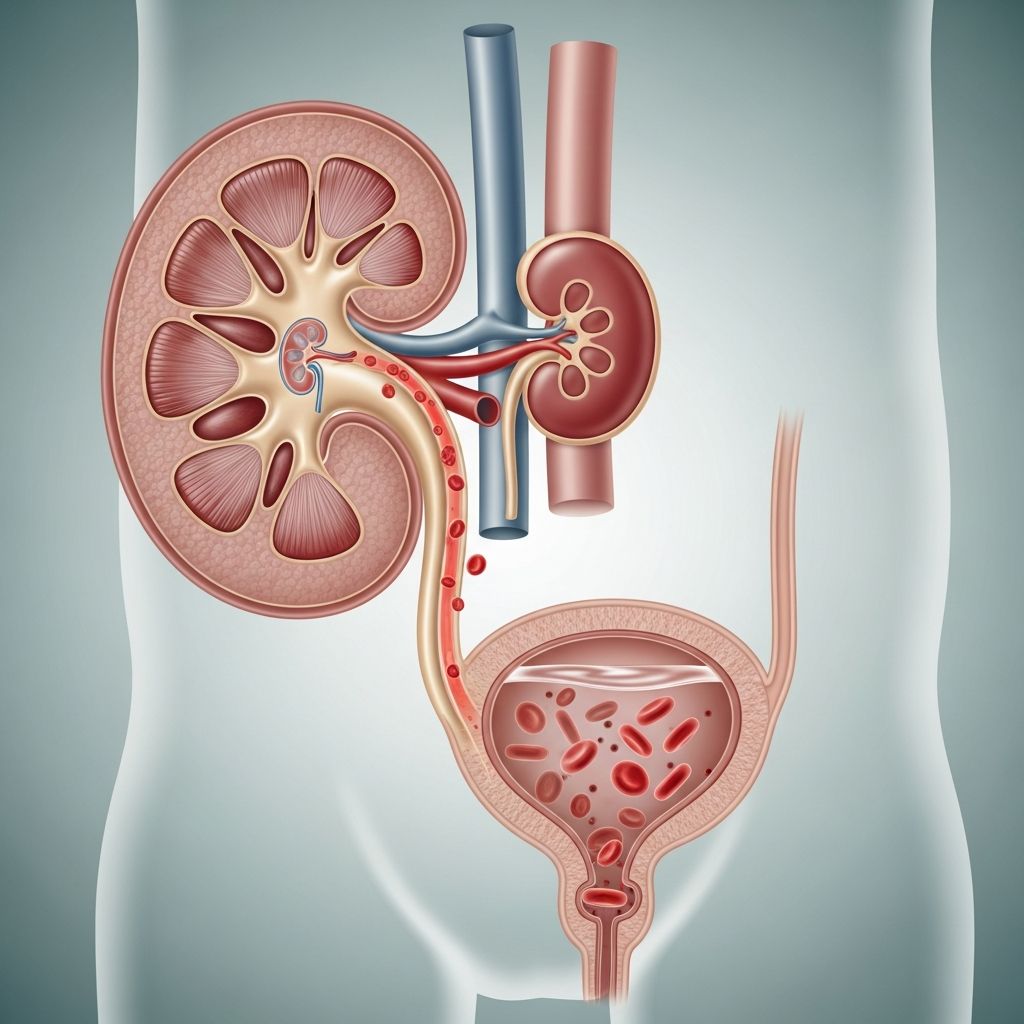
Seeing blood in a child’s urine can be alarming, but it is not always a sign of a serious disease. This guide explains what hematuria is, what may cause it, how doctors investigate it, and how parents can support their child through testing and treatment.
What Is Hematuria?
Hematuria is the medical term for the presence of blood in the urine. It can happen at any age, including in babies, children, and teenagers. In some children, the blood is visible, while in others it can only be detected with a laboratory test.
Doctors generally describe hematuria in two main ways:
- Visible (gross) hematuria: The urine looks pink, red, brown, or cola-colored.
- Microscopic hematuria: The urine looks normal to the eye, but red blood cells are found when the urine is examined under a microscope or with a urine test strip.
How Blood Changes Urine’s Appearance
The color and appearance of urine can offer clues about the amount of blood present and where it may be coming from. However, color alone does not confirm the cause.
| Urine appearance | What it may suggest |
|---|---|
| Pale pink | Small amount of blood, often from the lower urinary tract (bladder or urethra). |
| Bright red | Fresh bleeding, possibly from infection, injury, or irritation anywhere along the urinary tract. |
| Brown or cola-colored | Blood that has been in the urine longer, sometimes linked to conditions affecting the kidneys. |
| Red specks or clots | More significant bleeding, usually requires prompt medical evaluation. |
Some foods and medicines can also change urine color and be mistaken for blood, such as beets, food dyes, or certain medications. Only testing can confirm whether blood is truly present.
Common Signs and Symptoms That May Accompany Hematuria
Blood in the urine can appear alone or with other symptoms. Paying attention to the full picture helps doctors narrow down possible causes.
Parents might notice:
- Changes in urination: Needing to pee more often, difficulty starting the stream, or difficulty holding urine.
- Pain or burning: Discomfort while peeing or a burning feeling that your child may describe as “hurts when I go.”
- Abdominal or back pain: Cramping low in the belly, side pain, or sharp pain in the back or flank area.
- Fever or general illness: Fever, chills, nausea, or vomiting can occur with infections and some kidney problems.
- Swelling: Puffiness around the eyes, swelling of the hands, feet, or ankles, which may indicate the kidneys are under stress.
- High blood pressure: Sometimes discovered during a clinic visit when kidney conditions are present.
Major Causes of Blood in a Child’s Urine
Hematuria has many possible causes, ranging from minor and temporary to more serious kidney or urinary tract problems. In some children, no clear cause is ever found, and the condition remains harmless.
1. Urinary Tract Infections (UTIs)
A urinary tract infection occurs when bacteria enter the urinary system, usually the bladder or urethra. UTIs are common in children and can sometimes cause blood in the urine.
- Symptoms may include painful urination, frequent urges to urinate, accidents in a previously toilet-trained child, or fever.
- Treatment typically involves antibiotics, plenty of fluids, and follow-up testing to confirm that the infection has cleared.
2. Kidney Infections
When an infection travels up to the kidneys, it can cause more severe symptoms and a higher risk of complications if not treated quickly.
- Children may have high fever, back or side pain, vomiting, and feel very unwell.
- Prompt medical care and antibiotics are essential, often for a longer course than a simple bladder infection.
3. Kidney Stones and Crystals
Minerals in the urine sometimes form crystals or stones, which can irritate the urinary tract and lead to bleeding. Stones are less common in children than adults but do occur.
- Signs can include severe flank or abdominal pain, blood in the urine, and difficulty getting comfortable.
- Treatment depends on the size and location of the stone and may range from increased fluids and pain relief to procedures that help remove or break up the stone.
4. Minor Trauma or Injury
Injuries to the abdomen, back, or genital area can damage the kidneys or bladder and cause blood in the urine. Even vigorous sports or falls may sometimes lead to temporary hematuria.
- Parents should mention any recent accidents, sports injuries, or blows to the back or belly when speaking with the doctor.
- Depending on the severity, the doctor may order imaging studies to rule out internal injury.
5. Intense Exercise
In older children and teens, very strenuous exercise, such as long-distance running or intense sports, can occasionally cause short-lived hematuria. This usually resolves once the activity stops and the child rests and hydrates.
- If blood in the urine repeatedly appears after exercise, a medical check-up is still important to rule out other causes.
6. Kidney and Filtering Disorders
Some conditions affect the tiny filters inside the kidneys (the glomeruli), making them leaky so blood cells slip into the urine. These problems may be short-term or part of a longer-lasting kidney disease.
- Children may have blood and protein in the urine, puffiness around the eyes, swelling in the legs, or high blood pressure.
- Certain types may follow infections or be related to immune system activity and sometimes need medicines that calm inflammation.
7. Structural or Birth-Related Urinary Tract Problems
Some children are born with differences in the shape or connection of their kidneys, ureters, bladder, or urethra. These structural changes can lead to infections, blockage, or backflow of urine, all of which may be associated with blood in the urine.
- These issues are often detected with imaging studies such as ultrasound or special X-rays.
- Treatment may range from monitoring over time to surgery in more severe cases.
8. Inherited (Genetic) Conditions
Certain genetic disorders affect the kidneys or blood cells and can be passed down in families. These may show up first as persistent microscopic hematuria in childhood.
- Family history of kidney disease, hearing problems, or early kidney failure may prompt further genetic or specialized testing.
- Management usually focuses on protecting kidney function and monitoring over many years.
9. Other, Less Common Causes
Other possible causes include blood-clotting problems, side effects of some medicines, tumors or growths in the urinary tract, and systemic illnesses that affect the kidneys.
- These are less common in children but may be considered if initial tests do not reveal a simple explanation.
When to Seek Medical Care Immediately
Most cases of hematuria in children are not emergencies, but some warning signs mean a child should be examined urgently. Call a doctor or emergency service right away if:
- Your child passes urine that is bright red or contains clots.
- Blood in the urine comes with severe pain in the back, side, or lower belly.
- Your child has a high fever, is very lethargic, or seems seriously ill.
- There is blood in the urine after a blow to the back, belly, or groin.
- Your child has trouble passing urine or cannot urinate at all.
- You notice swelling around the eyes, in the hands or feet, or your child complains of sudden severe headaches (which may relate to high blood pressure).
How Doctors Evaluate Hematuria in Children
The evaluation begins with careful questions and a physical examination, followed by tests tailored to the child’s symptoms and history. The goal is to rule out serious conditions, identify the cause when possible, and decide whether treatment is needed.
Medical History and Physical Exam
The doctor will ask questions about when the blood was first noticed, how often it has occurred, and whether it appears at the beginning, middle, or end of the urine stream. Additional questions may cover recent illnesses, injuries, exercise, and medications.
- Family history of kidney disease, hearing problems, or blood disorders is especially important.
- The physical exam may include measuring blood pressure, checking for swelling, and gently pressing on the abdomen and back for tenderness.
Urine Tests
Urine testing is central to understanding hematuria. It can confirm that blood is present and reveal other abnormalities.
- Urinalysis: A basic test that looks for blood, protein, sugar, white blood cells, and signs of infection.
- Urine culture: A test that checks for bacteria if a urinary tract infection is suspected.
- Microscopic examination: A closer look at urine under the microscope to count red blood cells and examine their shape.
Blood Tests
Blood tests may be ordered to evaluate kidney function, infection, and overall health. These tests help the doctor see how well the kidneys are working and whether there are signs of inflammation, anemia, or clotting problems.
Imaging Studies
Imaging provides pictures of the kidneys and urinary tract to look for structural problems, stones, or masses.
- Ultrasound: Common first test because it is painless and does not use radiation.
- X-rays or CT scans: May be used in selected cases to look for stones or injuries.
- Special contrast studies: Sometimes used to watch how urine flows through the kidneys and bladder.
Specialized Tests and Referrals
If initial tests suggest an underlying kidney disease or a more complex cause, the child may be referred to a pediatric kidney specialist (nephrologist) or a pediatric urologist. Rarely, a kidney biopsy may be needed to look directly at kidney tissue under the microscope.
Treatment Options for Children with Hematuria
Treatment is based on the underlying cause. In many children, no specific therapy is required, and the hematuria resolves or remains harmless. When treatment is needed, it focuses on correcting infections, relieving blockages, managing kidney conditions, and protecting long-term kidney health.
Treating Infections
Bladder and kidney infections are usually treated with antibiotics, chosen according to the child’s age, allergies, and the type of bacteria found in the urine culture. It is important for the child to complete the full course of medicine, even if symptoms improve early.
- Follow-up urine tests may be done to ensure the infection has cleared.
- For children with repeated infections, doctors may investigate for underlying structural problems or other risk factors.
Managing Kidney Stones and High Mineral Levels
When stones or crystals are present, treatment may include drinking more fluids, temporary pain medication, and changes in diet, such as reducing salt or certain minerals.
- Larger or more painful stones may require procedures to break them up or remove them.
- Children who form stones may need a long-term plan to prevent new ones from developing.
Addressing Kidney and Glomerular Diseases
Some conditions that affect the kidney’s filtering system are treated with medicines to reduce inflammation or protect the kidneys. These might include blood pressure medications, immune-modifying drugs, or medications to reduce protein loss in the urine.
- Monitoring often includes regular urine and blood tests, blood pressure checks, and growth tracking.
- Healthy lifestyle habits, such as a balanced diet and avoiding unnecessary medicines that can strain the kidneys, are also encouraged.
Handling Structural Problems
For children born with urinary tract differences, treatment may involve close observation, medication to prevent infections, or surgery to correct blockages or abnormal connections. The approach depends on how severe the problem is and how it affects kidney function and daily life.
Long-Term Outlook and Follow-Up
Many children with hematuria, especially when no serious cause is found, grow and develop normally. In these cases, doctors may simply monitor the child with periodic urine tests and check-ups.
For children with ongoing kidney or urinary tract conditions, regular follow-up with specialists helps detect changes early and protect kidney function over time. Parents play an important role by keeping appointments, following treatment plans, and noticing any new or worsening symptoms.
How Parents Can Support Their Child
Seeing blood in a child’s urine can be stressful for the entire family. Parents can help by staying calm, gathering information, and reassuring the child that doctors are there to help, not to hurt.
- Encourage your child to drink enough fluids unless a doctor advises otherwise.
- Make a list of symptoms, questions, and any family history before appointments.
- Explain tests in simple, age-appropriate language so your child knows what to expect.
- Work with teachers or caregivers to ensure your child can use the bathroom when needed.
Frequently Asked Questions About Hematuria in Children
Is blood in my child’s urine always an emergency?
No. Blood in the urine can be caused by mild and temporary problems, such as a minor infection or exercise-related irritation. However, it should never be ignored. If your child has severe pain, cannot urinate, has a high fever, or appears very unwell, seek urgent medical care. Otherwise, schedule an appointment promptly with your child’s healthcare provider.
What if the blood in the urine comes and goes?
Intermittent hematuria is not unusual. Some conditions cause blood to appear only at certain times, such as after exercise or during an infection. Even if the urine looks normal again, it is still important to mention the episode to your child’s doctor, who may suggest testing to uncover hidden or recurring problems.
Could a red or pink color in the urine be from food or medication?
Yes. Some foods, like beets or foods with red dyes, and certain medications can color the urine and make it appear as though blood is present. Because it can be hard to tell the difference just by looking, a urine test is the safest way to confirm whether red blood cells are actually in the urine.
Will my child need a kidney biopsy?
Most children with hematuria do not need a kidney biopsy. This test is usually reserved for cases where other tests strongly suggest a specific kidney disease or where the cause remains unclear and the child has additional concerning signs, such as ongoing protein loss, worsening kidney function, or difficult-to-control blood pressure.
Can my child continue normal activities and sports?
In many cases, yes. Once serious causes are ruled out and the doctor is comfortable with the diagnosis, most children can return to their usual activities. If exercise or contact sports are thought to contribute to the hematuria, the doctor may recommend temporary restrictions or protective measures until the situation is better understood.
Does hematuria mean my child will have kidney problems as an adult?
Not necessarily. Many children with hematuria, especially when it is mild and unaccompanied by other abnormalities, never develop long-term kidney disease. If the cause is related to a chronic kidney condition, regular follow-up and treatment can help preserve kidney function and improve long-term outcomes.
Key Takeaways for Parents
- Blood in a child’s urine is a symptom, not a diagnosis. It can range from harmless to serious, so medical evaluation is important.
- Careful history, physical examination, and urine and blood tests help guide further testing and treatment.
- Many causes of hematuria are treatable, and some require only monitoring.
- Staying informed, asking questions, and partnering with your child’s healthcare team are the best ways to protect your child’s kidney and urinary health.