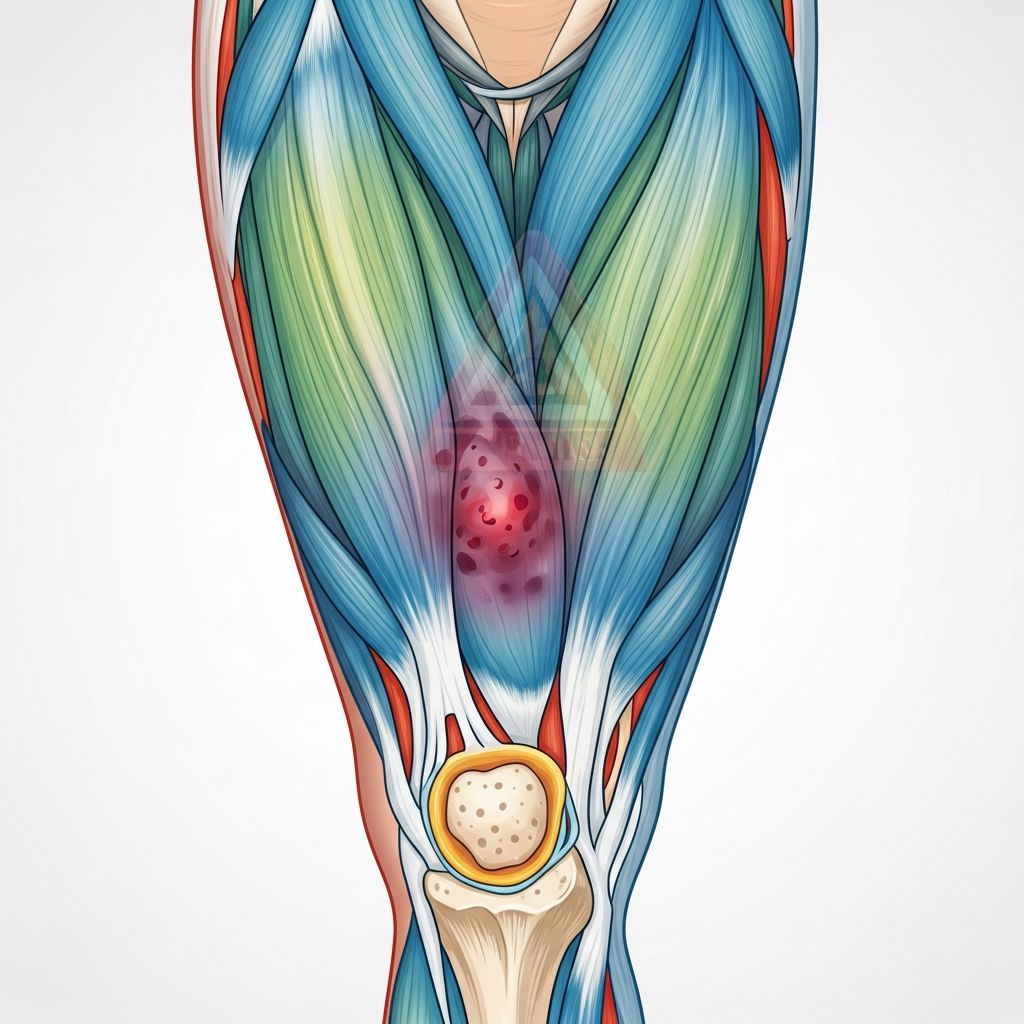
Cerebral palsy can shape many parts of your life, but it does not define who you are. It is one part of your story, not the whole thing. Understanding your condition, knowing your options, and hearing how others cope can make it easier to face school, friendships, and the future with confidence.
What Cerebral Palsy Actually Is
Cerebral palsy (CP) is a group of conditions that affect movement, posture, and balance because of changes in how the brain developed or was injured when you were very young, usually before or soon after birth. It is not contagious, not a mental illness, and not something you caused.
CP affects people in very different ways. Some teens walk independently, some use braces or canes, and others use wheelchairs. Speech, coordination, and learning can also be affected, or they may be completely typical.
| Type of CP | Main Features | Everyday Impact (Examples) |
|---|---|---|
| Spastic | Muscles are stiff and tight; movements can feel jerky. | Difficulty with running, stretching arms or legs fully, or relaxed walking. |
| Dyskinetic | Involuntary, twisting, or writhing movements that are hard to control. | Trouble with writing, holding utensils, or keeping a steady posture. |
| Ataxic | Problems with balance and coordination. | Clumsiness, shaky movements, and difficulty with tasks needing precise control. |
| Mixed | Features of more than one type of CP. | Combination of stiffness, involuntary movements, or balance issues. |
How Diagnosis Usually Happens
Most people with CP are diagnosed in early childhood, often in the first two years of life, when parents or doctors notice delays in sitting, crawling, or walking. For some with milder symptoms, the diagnosis may come later, even during the school years.
Common Steps in Getting a Diagnosis
- Developmental monitoring: Checking how you move, sit, stand, and use your hands over time.
- Developmental screening: Short tests or checklists used at checkups to compare your skills to typical milestones.
- Detailed evaluations: Neurological and physical exams that look at muscle tone, reflexes, posture, and coordination.
- Brain imaging: Tests like MRI, CT scans, or cranial ultrasound to look for changes or injuries in the brain.
None of these tests measure your worth or intelligence. They simply help doctors understand what your body needs so they can suggest the right supports.
Daily Life: What CP Can Affect (And What It Doesn’t)
Because CP affects movement and posture, it can touch almost every part of your daily routine. But symptoms vary a lot from person to person. Some challenges may be obvious to others, and some are invisible.
Common Physical Challenges
- Stiff or tight muscles that make it hard to stretch or move quickly.
- Trouble with fine motor skills, like tying shoes, writing neatly, or using small buttons.
- Fatigue, because moving with muscle tightness or poor coordination takes extra energy.
- Possible issues with swallowing, chewing, or speech clarity in some teens.
Things CP Does Not Decide For You
- Your personality, sense of humor, or creativity.
- Your interests in music, gaming, art, sports, or science.
- Your ability to be a good friend, partner, student, or leader.
- Your future dreams — college, work, relationships, or travel.
Teens with CP can and do succeed in school, sports (including adaptive sports), arts, and careers. The path may look different, but it is absolutely real.
Medical Care and Therapy: Building a Support Team
There is currently no cure for cerebral palsy, but there are many treatments that help reduce symptoms, improve comfort, and increase independence. Most teens work with a team of specialists who focus on different aspects of health.
Key Health Professionals You Might See
- Pediatrician or family doctor: Coordinates your general health and referrals.
- Neurologist: Focuses on the brain and nervous system, especially if seizures or movement disorders are present.
- Rehabilitation medicine specialist: Helps manage function, spasticity, and rehabilitation plans.
- Orthopedic specialist: Monitors bones, joints, and spine, especially if you have muscle tightness or scoliosis.
- Therapists: Physical, occupational, and speech therapists work on movement, independence, and communication.
Common Treatments and Supports
- Medicines: Drugs can help manage seizures, muscle stiffness, pain, or other related conditions.
- Spasticity treatments: Options like muscle relaxants, botulinum toxin injections, or intrathecal baclofen pumps target very tight muscles.
- Surgery: Some teens may have orthopedic surgery to improve joint position, or procedures on nerves to reduce spasticity (such as selective dorsal rhizotomy).
- Braces and equipment: Leg braces, walkers, wheelchairs, standing frames, or seating systems improve comfort and mobility.
- Rehabilitation therapies: Ongoing physical, occupational, and speech therapy help you practice skills and stay as active as possible.
What works best is different for every teen. Your voice matters in treatment decisions — it is your body and your life.
School, Accessibility, and Speaking Up For Yourself
School is a huge part of your day, so feeling supported there is critical. Laws in many countries require schools to provide reasonable accommodations so students with disabilities can learn alongside their peers.
Possible School Supports
- Extra time on tests or assignments if writing or moving takes longer.
- Use of a laptop, tablet, or speech-to-text software for written work.
- Modified physical education or participation in adaptive sports.
- Accessible desks, elevators, ramps, and accessible restrooms.
- Note-takers or access to teacher notes if writing fast is difficult.
As you get older, it helps to practice self-advocacy — clearly explaining what you need and why:
- Learn the name of your diagnosis and how it affects you.
- Decide what you are comfortable sharing with teachers and classmates.
- Ask to be included in meetings about your education plan.
- Speak up if something is not working, like a desk you cannot fit under or a classroom that is not accessible.
Friendships, Dating, and Social Life
Being a teen with CP does not cancel out everyday teen worries: fitting in, crushes, group chats, and awkward moments are still part of life. At the same time, you may deal with extra questions, stares, or assumptions about what you can or cannot do.
Handling Other People’s Reactions
- Curious questions: Some people are genuinely curious and may not know how to ask politely. You get to choose how much you explain.
- Stares or jokes: Unkind behavior says more about the other person than about you. If it feels unsafe or overwhelming, involve a trusted adult.
- Assumptions: People might talk to you like you are younger or assume you cannot understand. Correcting them calmly can shift the conversation.
Real friends accept your disability as one part of who you are, not the main thing. They:
- Adjust plans so everyone can take part.
- Ask what works instead of guessing.
- Stand up for you if others are disrespectful.
- Value your personality, not just your needs.
Mental Health: Feelings That Don’t Always Show
Living with a visible or invisible disability can be emotionally exhausting. You might feel proud, frustrated, angry, hopeful, or all of these in a single week. Those feelings are valid.
Common Emotional Experiences
- Feeling different or left out when activities are not accessible.
- Worrying about the future, independence, or relationships.
- Being tired of appointments, therapies, and procedures.
- Feeling pressure to be “positive” all the time, even when you are not okay.
Talking to someone you trust — a parent, school counselor, psychologist, or therapist — can help you sort through these emotions. Mental health care is just as important as physical health, and asking for support is a strength, not a weakness.
Growing Independence and Planning for the Future
As you move toward adulthood, your role in decisions about your health, education, and future becomes more central. Many teens with CP go on to higher education, vocational training, or jobs and lead independent or semi-independent lives.
Skills That Can Help You Move Toward Independence
- Learning to explain your condition and needs to new doctors, teachers, and employers.
- Practicing daily living skills: dressing, bathing, cooking simple meals, or using public transportation in ways that work for your body.
- Understanding your medications and treatments and knowing when to ask for help.
- Exploring career interests and what accommodations might be needed in different jobs.
Transition clinics and rehabilitation teams often help teens plan the move from pediatric to adult health services, making sure you are not suddenly on your own when you turn 18 or leave school.
Hope, Research, and New Possibilities
Although CP itself is permanent, research continues to look for ways to improve movement, communication, and quality of life. Recent advances include:
- Improved early detection: Better imaging and assessments are helping doctors spot CP earlier and start therapy sooner, which can improve long-term outcomes.
- Advanced rehabilitation: Robotic-assisted movement training and functional electrical stimulation are being used to strengthen muscles and improve walking or arm use.
- Refined spasticity treatments: More targeted use of medicines and surgeries is helping some people gain better control of stiff muscles.
- Assistive technology: Communication devices, apps, and powered mobility tools are giving teens more independence and more ways to connect.
These options do not erase the challenges of CP, but they expand what is possible and give you more choices about how you want to live your life.
Frequently Asked Questions (FAQs)
Can cerebral palsy get worse over time?
The brain injury that causes CP does not usually worsen over time, but the way your body responds can change as you grow. Muscle tightness, joint problems, or pain can increase without proper treatment and therapy, which is why regular checkups and stretching, strengthening, or orthopedic care are important.
Is cerebral palsy always obvious to other people?
Not always. Some teens have very mild symptoms, such as a slightly unusual gait or minor hand coordination issues, that others may not notice. Others have visible differences in movement, speech, or the equipment they use. Both experiences are valid forms of living with CP.
Will I be able to live on my own as an adult?
Many adults with CP live independently or with minimal support, while others prefer or need more assistance. Independence looks different for everyone. Building daily living skills, using assistive devices, and planning for accommodations at school and work can open up more options for how and where you live.
Is it okay to feel angry or sad about having CP?
Yes. Feeling angry, sad, or exhausted by your disability does not mean you are ungrateful or negative. It means you are human. Talking to trusted friends, family members, or mental health professionals can help you process those emotions and find strategies to cope.
How can friends and classmates support someone with CP?
Friends can be supportive by asking what helps instead of assuming, making sure activities are as accessible as possible, avoiding jokes about disability, and treating their friend as a whole person, not just as someone who needs help. Listening and including are often more powerful than grand gestures.
References
- About Cerebral Palsy — Centers for Disease Control and Prevention (CDC). 2023-05-02. https://www.cdc.gov/cerebral-palsy/about/index.html
- Cerebral Palsy – Symptoms and Causes — Mayo Clinic. 2024-01-23. https://www.mayoclinic.org/diseases-conditions/cerebral-palsy/symptoms-causes/syc-20353999
- Cerebral Palsy – Diagnosis and Treatment — Mayo Clinic. 2024-01-23. https://www.mayoclinic.org/diseases-conditions/cerebral-palsy/diagnosis-treatment/drc-20354005
- About Cerebral Palsy: Diagnosis & Monitoring — Cleveland Clinic. 2023-06-15. https://my.clevelandclinic.org/health/diseases/8717-cerebral-palsy
- Cerebral Palsy Diagnosis and Treatments — Gillette Children’s. 2023-11-10. https://www.gillettechildrens.org/conditions-care/cerebral-palsy-diagnosis-and-treatments
- Cerebral Palsy — Cerebral Palsy Guide. 2024-02-05. https://www.cerebralpalsyguide.com/cerebral-palsy/