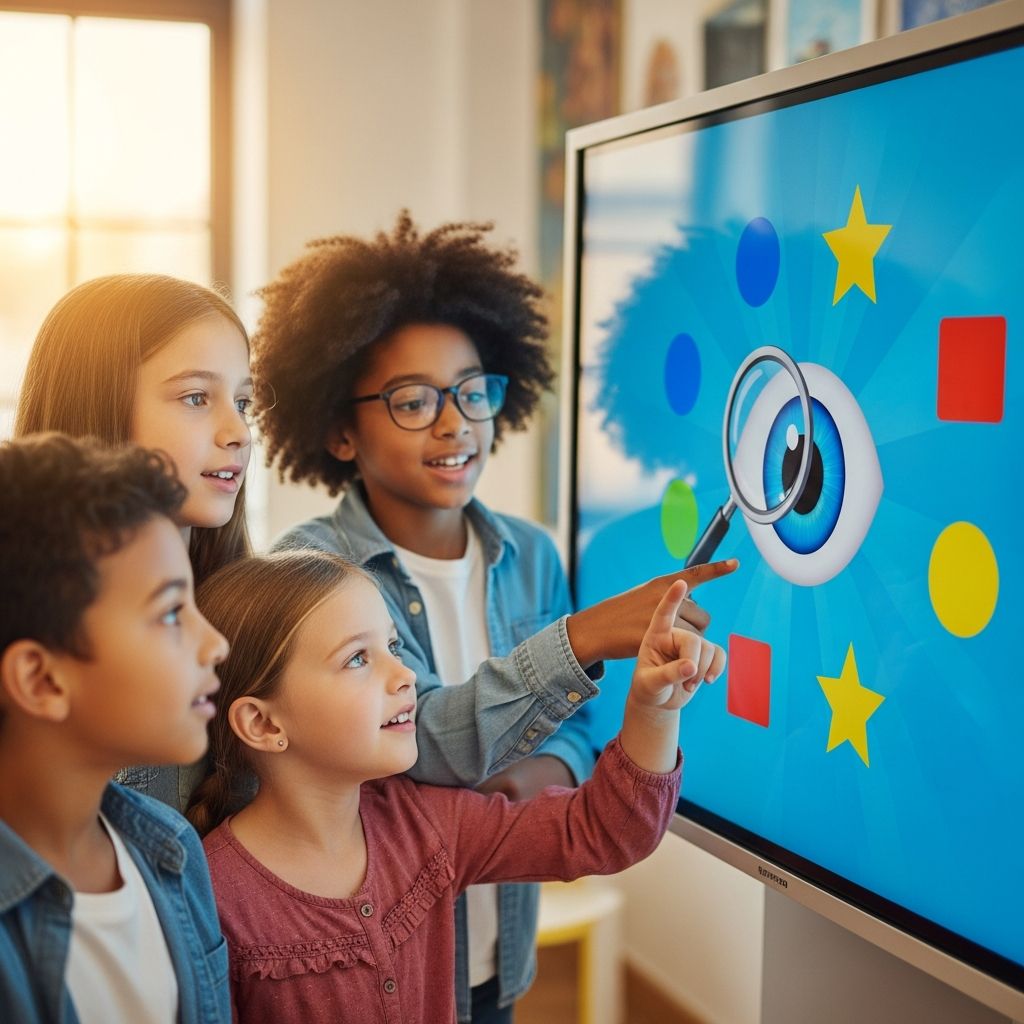
Ever wondered how much you really know about your eyes? This fun quiz is packed with questions to challenge your knowledge on everything from how eyes work to spotting vision troubles. Perfect for kids, it’s a great way to learn while testing your smarts. Grab a pencil, discuss with friends or family, and see how you score on eye health!
Why Eyes Matter for Growing Kids
Your eyes are like super cameras that help you see the world, learn in school, and play sports. But did you know that clear vision is key to success? About 80% of what kids learn in their first 12 years comes through their eyes. Problems like blurry sight can make reading hard or cause headaches, affecting grades and fun activities.
Nearly 3% of kids under 18 have serious vision loss, even with glasses, and up to 6.8% have diagnosed eye conditions. That’s why quizzes like this one raise awareness—early knowledge can lead to early checks!
Quiz Time: How Sharp Is Your Eye Knowledge?
Answer these 12 questions true or false. No peeking at answers yet! We’ll reveal them after with cool explanations.
- True or False: Babies are born knowing how to see perfectly.
- True or False: If a kid squints a lot, it might mean they need glasses.
- True or False: Eyes get all the oxygen they need from blood, so blinking isn’t important.
- True or False: Lazy eye only happens to kids who don’t do homework.
- True or False: Screens can make eyes tired, but not damage them forever.
- True or False: All kids should get their eyes checked before starting school.
- True or False: Tears help keep eyes clean and comfy.
- True or False: You can tell if someone has bad vision just by looking at their eyes.
- True or False: Eating carrots makes you see in the dark like a superhero.
- True or False: Crossed eyes fix themselves when kids grow up.
- True or False: Too much sun without shades can hurt your eyes.
- True or False: Vision problems affect how well kids do in sports and class.
Your Score Guide
- 10-12 Correct: Vision superstar! You have eagle eyes for facts.
- 7-9 Correct: Great job! Keep learning to sharpen up.
- 4-6 Correct: Not bad—time for an eye tune-up with these tips.
- 0-3 Correct: No worries, now’s your chance to glow up your knowledge!
Answers and Awesome Explanations
Ready to check? Here’s the truth behind each question, backed by eye experts.
1. False! Babies Can’t See Clearly at Birth
Newborns see blurry shapes up close—about 8-12 inches, like mom’s face during feeding. Their vision sharpens over months as brains and eyes connect. Watch for signs like not tracking toys by 3 months.
2. True! Squinting Signals Sight Struggles
Squinting, rubbing eyes a lot, or tilting heads means trouble focusing. One in four school kids has vision issues like this—catch it early!
3. False! Blinking Keeps Eyes Healthy
Blinking spreads tears that oxygenate and clean eyes. Staring at screens reduces blinks, causing dry eyes. Take 20-20-20 breaks: every 20 minutes, look 20 feet away for 20 seconds.
4. False! Lazy Eye Needs Treatment
Amblyopia, or lazy eye, hits 2% of young kids. The brain ignores one eye’s signals, making it weaker. Patches or drops fix it best before age 7. Over 360,000 Medicaid kids had it in 2019!
5. True! Screens Tire But Don’t Permanently Harm
Too much screen time leads to tired eyes and more nearsightedness (myopia), now in 20% of kids. Limit time, use good light, and get outside—sun helps prevent myopia growth!
6. True! School Checks Save Sight
One in 17 preschoolers and one in four school-age kids needs vision help. US Preventive Services Task Force says screen ages 3-5 for lazy eye risks. Fewer than 15% get pro exams yearly!
7. True! Tears Are Eye Superheroes
Tears wash out dirt, fight germs, and keep eyes moist. No tears? Eyes get red and scratchy. Stay hydrated for better tears!
8. False! Bad Vision Hides Inside
Kids won’t always complain. Look for headaches, short attention, or losing place while reading. School screenings miss 70-80% of issues—full exams are key!
9. False! Carrots Help, But Not Magic
Vitamin A in carrots fights night blindness, but you need balanced foods like fish, greens, eggs. No food gives cat vision—sorry!
10. False! Crossed Eyes Need Doctor Help
Strabismus affects eye teaming. Untreated, it causes double vision or lazy eye. Glasses or surgery fix most by school age. 486,000 Medicaid kids diagnosed in 2019!
11. True! Sun Protection Shields Eyes
UV rays cause cataracts later. Kids’ eyes absorb more UV—wear shades and hats outside!
12. True! Vision Boosts School and Sports
Poor sight links to low math/reading scores. Fixed vision ups success. Girls have 25% more vision loss; poverty ups risk 55%!
Common Kid Eye Problems at a Glance
| Problem | What It Is | Signs | Fix |
|---|---|---|---|
| Myopia (Nearsighted) | Blurry far vision | Squinting, sitting close to TV | Glasses, contacts, drops |
| Hyperopia (Farsighted) | Blurry near vision | Eye strain reading | Glasses |
| Amblyopia (Lazy Eye) | Weak eye ignored by brain | Poor depth perception | Patch, therapy |
| Strabismus (Crossed Eyes) | Eyes don’t align | Wandering eye | Glasses, surgery |
Globally, 450 million kids need treatment; 90 million have sight loss. In US, 1 in 122 kids has uncorrectable loss!
Top Tips for Super Kid Eyes
- Get Checked Early: First exam by age 3-5, then yearly. Don’t rely on school tests alone!
- Screen Smart: Follow 20-20-20 rule, big screen distance, night mode.
- Outdoor Play: 2 hours daily fights myopia—nature is eye medicine!
- Healthy Eats: Veggies, fruits, fish for eye vitamins.
- Safety Gear: Goggles for sports—protect from injuries!
- Sleep Well: Eyes rest and grow during sleep.
Eye Health Stats That Wow
- 1 in 4 school kids has vision disorder.
- 4 million Medicaid kids got glasses in 2019—one in 8.5!
- Childhood blindness causes 70 million blind-person years worldwide.
- Hispanic/Black kids less likely to get exams—gap growing!
Frequently Asked Questions About Kids’ Eyes
At what age should my child get a first eye exam?
By 6-12 months, then 3-5 years, and before school. Early catch prevents permanent issues!
Can too much screen time cause permanent damage?
It boosts myopia risk, but habits like outdoors time counter it. Balance is key.
What if my kid doesn’t complain about vision?
Many don’t notice! Watch for tilting head, rubbing eyes, poor grades.
Are eye problems genetic?
Often yes—family history means earlier checks.
How do I protect my child’s eyes in sports?
Use protective eyewear like goggles—prevents 90% of injuries!
This quiz and facts empower kids to care for their eyes. Share scores, talk to parents, and book that exam. Clear eyes mean a brighter world!
References
- Approximately 3 Percent Of Children Under Age 18 Are Blind Or Visually Impaired — Maz Optical. 2023-06. https://mazoptical.com/approximately-3-percent-of-children-under-age18-are-blind-or-visually-impaired/
- The Children’s Vision Health Map — Prevent Blindness. 2023. https://preventblindness.org/the-childrens-vision-map/
- Fast Facts: Vision Loss — Centers for Disease Control and Prevention (CDC). 2024-10-17. https://www.cdc.gov/vision-health/data-research/vision-loss-facts/index.html
- The Pediatric Eye Health Challenge Beyond 2020 — National Center for Biotechnology Information (PMC). 2021-11-11. https://pmc.ncbi.nlm.nih.gov/articles/PMC8592355/
- Children’s Eye Health: 5 Powerful Eye Statistics Every Parent Should See — 20/20 Onsite. 2023. https://www.2020onsite.com/blog/childrens-eye-health-5-powerful-eye-statistics-every-parent-should-see
- Keeping Children’s Vision in Focus — American Optometric Association (AOA). 2023. https://www.aoa.org/news/clinical-eye-care/public-health/keeping-childrens-vision-in-focus
- Facts About Children’s Vision — Prevent Blindness Children’s Vision. 2023. https://childrensvision.preventblindness.org/facts-about-childrens-vision/