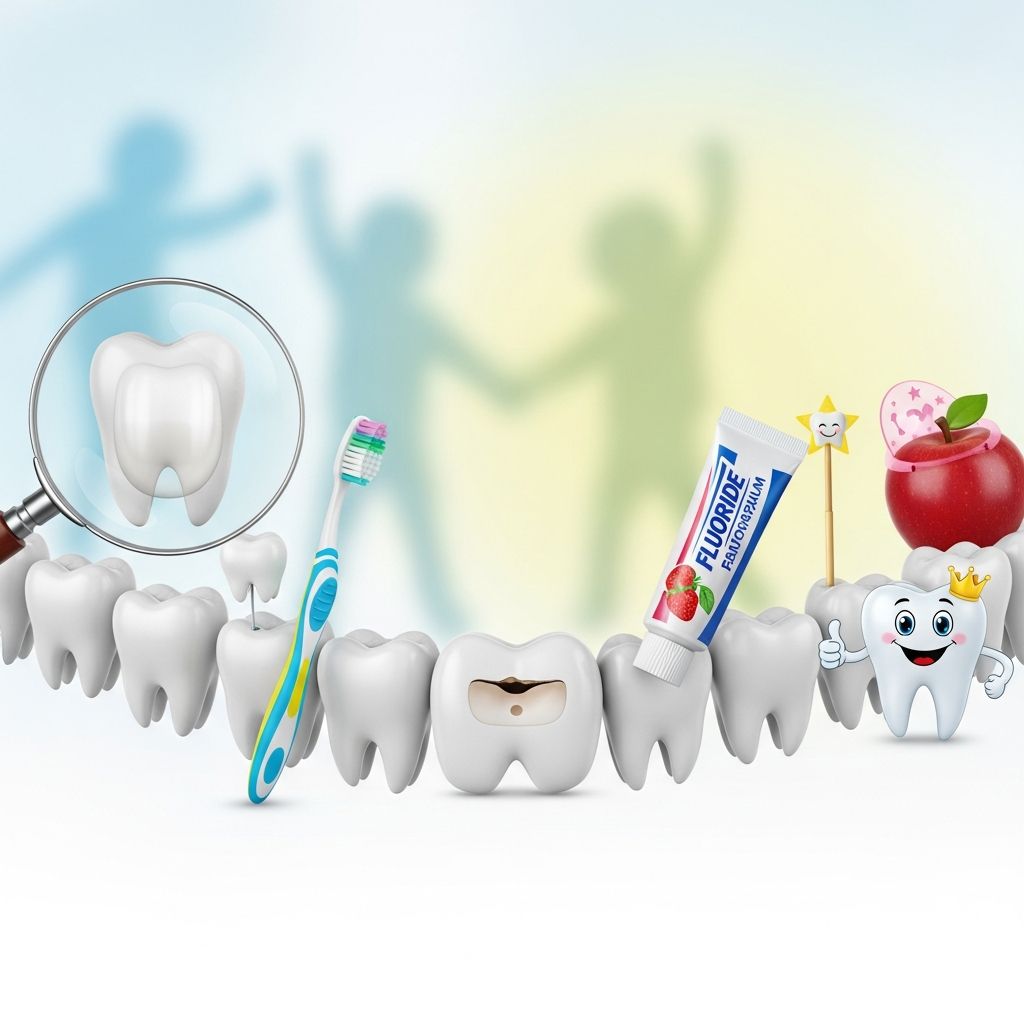
Cavities are one of the most common health problems in children, but they are also one of the easiest to prevent with the right daily habits. This guide walks parents and caregivers through what cavities are, how they form, what to look out for, and how to keep kids’ teeth healthy and strong.
What Exactly Is a Cavity?
A cavity is a small damaged area in a tooth where the hard outer surface has broken down. Over time, this damaged spot can grow deeper, eventually reaching the sensitive inner layers of the tooth and causing pain or infection if it is not treated. Cavities can develop in baby teeth and adult teeth, and both need attention.
Although baby teeth will eventually fall out, they hold space for the adult teeth and help children chew, speak clearly, and feel confident when they smile. Protecting baby teeth from cavities sets the stage for a lifetime of good oral health.
How Cavities Form in Children’s Teeth
Cavities do not appear overnight. They develop slowly through a process of repeated acid attacks on the tooth surface. Understanding this process helps parents know where to intervene.
The Step-by-Step Tooth Decay Process
- When a child eats or drinks, especially sugary or starchy foods, tiny food particles remain on the teeth.
- Bacteria naturally present in the mouth feed on these leftovers and produce acids as a by-product.
- These acids combine with food debris and saliva to form a sticky film called plaque that clings to teeth.
- If plaque is not removed by brushing and flossing, the acids slowly dissolve minerals from the tooth’s outer layer (enamel).
- Over time, mineral loss creates a soft spot that can progress into a visible hole: a cavity.
Everyday Habits That Raise Cavity Risk
While any child can get cavities, certain day-to-day habits make decay more likely. Many of these are easy to adjust once parents know what to look for.
- Frequent snacking and sipping on sugary drinks between meals.
- Going to bed with a bottle of milk, formula, juice, or sweetened drinks.
- Inconsistent brushing or brushing without adult help in younger children.
- Skipping flossing where teeth touch and trap food.
- Dry mouth from certain medications or mouth-breathing, which reduces the protective effect of saliva.
Why Baby Teeth Matter More Than Many People Think
Some caregivers assume cavities in baby teeth are not important because those teeth will eventually fall out. This is a dangerous myth. In reality, untreated cavities in baby teeth can cause pain, infection, difficulty eating, and even problems at school if the child cannot concentrate.
Healthy baby teeth also guide adult teeth into the right positions. If a decayed tooth is lost too early, neighboring teeth may shift into the empty space, making it harder for permanent teeth to come in straight and sometimes leading to crowding or the need for orthodontic treatment later.
Common Signs of Cavities in Kids
Early cavities may not cause noticeable pain, which is why regular dental checkups are so important. Still, parents can watch for certain changes at home.
- White or brown spots on the tooth surface, especially near the gumline.
- Pits, grooves, or visible holes in teeth.
- Sensitivity to cold, hot, or sweet foods and drinks.
- Complaints of toothache or pain while chewing.
- Bad breath that lingers even after brushing.
- Swelling or redness in the gums around a particular tooth.
If any of these signs appear, contacting a dental professional promptly can prevent the problem from getting worse.
How Dentists Diagnose Cavities in Children
Pediatric and family dentists use a combination of visual examination, gentle tools, and sometimes X-rays to check for decay. The visit is usually quick and child-friendly when started early and done routinely.
- Visual check: The dentist looks for discoloration, rough spots, or visible holes.
- Exploration with instruments: Special tools help feel for soft or sticky areas on tooth surfaces.
- X-rays: Small, low-radiation images reveal cavities between teeth or deep under the surface that cannot be seen by eye.
Regular visits allow dentists to spot early demineralization—areas where minerals are starting to be lost—before a full cavity forms.
Treatment Options for Cavities in Kids
The type of treatment depends on how large and deep the cavity is. Acting early usually means simpler, faster, and more comfortable care for the child.
Common Treatment Approaches
| Treatment | When It Is Used | What Parents Should Know |
|---|---|---|
| Fluoride treatment | Early-stage mineral loss before a true hole forms | Strengthens enamel and can help reverse the earliest phase of decay. |
| Dental filling | Small to moderate cavities that have created a hole in the tooth | Decayed material is removed and replaced with a tooth-colored or other filling material. |
| Crown | Extensive damage to a baby molar or very large cavities | A custom-made cap covers and protects the remainder of the tooth. |
| Pulp treatment (child’s root canal) | Decay that reaches the inner nerve tissue but the tooth can still be saved | Infected or irritated tissue is cleaned out to relieve pain and preserve the tooth. |
| Extraction | Severely damaged teeth that cannot be restored or are causing infection | The tooth is removed; sometimes a space maintainer is placed to hold room for the adult tooth. |
Helping Children Cope with Dental Visits
Visiting the dentist can feel intimidating to some children, especially when treatment is needed. Parents can make the experience easier by staying calm and positive, using simple explanations, and avoiding words that sound scary.
- Schedule appointments at times when the child is usually rested and not hungry.
- Bring a favorite toy, stuffed animal, or small comfort item.
- Talk about the dentist as a helper who keeps teeth strong and shiny.
Daily Habits to Prevent Cavities
Most cavities can be prevented with a combination of good brushing and flossing, smart food and drink choices, and regular professional care. Small, consistent actions each day add up to big benefits over time.
Toothbrushing Basics by Age
- Before teeth appear: Gently wipe the baby’s gums with a soft, clean cloth after feedings.
- First tooth to age 2: Use a soft-bristled baby toothbrush with a tiny smear of fluoride toothpaste, about the size of a grain of rice. An adult should do the brushing.
- Ages 3 to 5: Increase to a pea-sized amount of fluoride toothpaste. Let the child help, but an adult should finish the brushing for thorough cleaning.
- Age 6 and up: Children can gradually brush more independently, but supervision is still helpful to ensure proper technique and enough brushing time.
Brushing twice a day—morning and before bed—for about two minutes each time removes plaque and helps keep enamel strong.
The Importance of Flossing
Toothbrush bristles cannot reach between tightly spaced teeth, which is where many cavities in children start. Flossing removes food and plaque from these hidden areas.
- Begin flossing as soon as two teeth touch each other.
- Use child-sized flossers or regular floss, whichever is easier for the caregiver.
- Floss gently up and down along each side of the tooth, not just snapping in and out of the gap.
Food and Drink Choices That Protect Teeth
What children eat and drink throughout the day can either increase or reduce their cavity risk. Sugar and frequent snacking are two major contributors to decay.
Smart Snack and Drink Strategies
- Offer water as the main drink between meals instead of juice or sugary beverages.
- Reserve sweet foods and drinks, if allowed, for mealtimes when saliva production is higher and can help wash away sugars.
- Choose snacks like cheese, yogurt with minimal added sugar, fresh fruits, vegetables, and nuts (if age-appropriate and safe from choking).
- Avoid sticky candies, fruit gummies, and snacks that cling to teeth for a long time.
Limiting the number of times a child eats or drinks sugary items in a day reduces the number of acid attacks on the enamel.
Professional Prevention: Sealants, Fluoride, and Checkups
Dentists have tools that add an extra layer of protection beyond daily brushing and flossing. These preventive treatments are quick and painless.
Fluoride Support
Fluoride is a mineral that helps strengthen enamel and makes it more resistant to acid attacks. It can be found in many toothpastes and, in some areas, in tap water.
- Fluoride toothpaste is recommended as soon as the first tooth appears, using age-appropriate amounts.
- Dental offices can apply concentrated fluoride gels or varnishes to high-risk teeth.
Dental Sealants
Sealants are thin, protective coatings placed on the chewing surfaces of back teeth, where grooves and pits tend to trap food. They act like a shield, keeping bacteria and acid away from the enamel.
- Sealant placement is quick, painless, and does not require numbing.
- They are especially helpful for molars, which are harder for children to clean thoroughly.
Regular Dental Visits
Routine checkups typically every six months (or as recommended) allow the dentist to monitor growth, clean away hardened plaque, and catch small problems early. Children who visit the dentist regularly tend to be more comfortable and less anxious over time.
Special Situations: High-Risk Kids and Medical Conditions
Some children have a higher chance of developing cavities due to medical issues, medications, or developmental differences in tooth enamel. These children may need more frequent dental visits and tailored preventive plans.
- Children who use certain medications that reduce saliva may experience dry mouth.
- Kids with special healthcare needs might have difficulty brushing or may rely on caregivers for all oral care.
- Enamel defects present from birth can make teeth more vulnerable to decay.
Parents can work closely with dental professionals to design routines and treatments that match their child’s specific needs.
Practical Tips to Build Lifelong Healthy Habits
Good oral health is a daily practice, not a one-time fix. Turning tooth care into a predictable, positive routine helps children maintain healthy habits as they grow.
- Create a morning and bedtime chart that includes toothbrushing and flossing.
- Brush together so children can imitate adult behavior and feel supported.
- Use songs, stories, or timers to make brushing for the full two minutes more fun.
- Offer small, non-food rewards for consistent brushing, such as stickers or extra story time.
Frequently Asked Questions About Kids’ Cavities
1. At what age should my child first see a dentist?
Experts commonly recommend that children visit a dentist by their first birthday or within six months of the first tooth appearing. Early visits help the child become comfortable with the dental environment and give parents a chance to learn proper home care from the start.
2. Are cavities in baby teeth really a big deal?
Yes. Cavities in baby teeth can cause pain, infection, difficulty eating, and speech problems. They can also affect the alignment of adult teeth if baby teeth are lost too early. Treating and preventing decay in baby teeth protects both current comfort and future oral health.
3. How can I tell if my child is brushing well enough?
Young children rarely brush effectively on their own. Until at least age 7 or 8, adults should either brush for them or supervise closely, checking that all surfaces are reached and that brushing lasts about two minutes. If plaque or food is still visible after brushing, more guidance is needed.
4. Is fruit juice safe for my child’s teeth?
Even 100% fruit juice contains natural sugars that can contribute to cavities if sipped frequently throughout the day. If juice is offered, serving it with meals and limiting the amount can help reduce risk. Water is the best choice for between-meal drinks.
5. What should I do if my child is afraid of the dentist?
Choosing a dentist experienced with children and keeping visits positive and low-stress makes a big difference. Preparing your child with simple explanations, reading picture books about dental visits, and avoiding scary language help build trust over time.
6. Are X-rays safe for kids?
Dental X-rays use very small amounts of radiation, and modern equipment is designed to minimize exposure. Protective aprons and shields are used, and X-rays are only taken when necessary to diagnose or monitor specific issues. Parents can discuss any concerns with the dentist before images are taken.
7. Can cavities be completely prevented?
While some children may still get cavities despite good care, the combination of proper brushing and flossing, smart food and drink choices, fluoride, sealants, and regular dental visits greatly reduces the risk. Even when cavities do appear, early detection keeps treatment simpler and more comfortable.
With consistent habits, supportive guidance, and regular professional care, most children can grow up with strong, cavity-free smiles that last into adulthood.