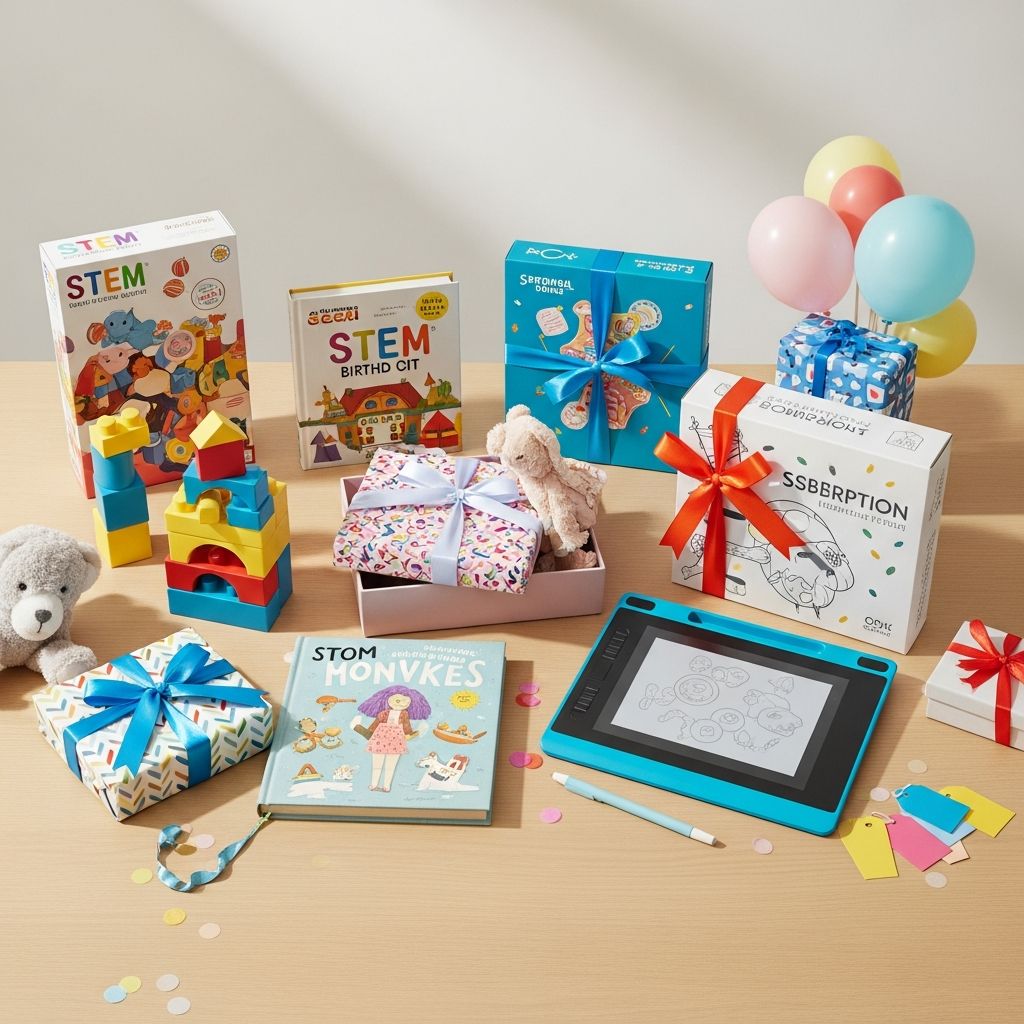
Buying a birthday present for a child should feel fun, not stressful. Yet many parents agonize over how much to spend, what type of gift to choose, and how to balance generosity with practicality. This guide walks you through simple, thoughtful ways to choose kids’ birthday party gifts that delight children, respect parents, and keep your budget and values intact.
Why Kids’ Birthday Gifts Feel Complicated Now
Children’s birthday parties used to be fairly straightforward: show up with a toy, eat cake, go home sticky and happy. Today, families balance smaller homes, overflowing playrooms, environmental concerns, food allergies, and diverse parenting philosophies. A gift that thrills one family might feel like clutter or conflict for another.
That tension can leave you second-guessing every purchase. The good news is that a few clear principles can simplify the decision, help you feel confident, and turn gifting into a chance to communicate care rather than keep up with expectations.
Core Principles for Choosing Great Gifts
Before you think about brands or trends, it helps to have a few guiding principles. These work across ages and budgets, and they help you stay focused when the toy aisle feels overwhelming.
- Age-appropriate first. A gift that matches the child’s developmental stage is safer, more engaging, and more likely to be used.
- Open-ended play. Prefer items that spark imagination or repeat use over one-and-done novelties.
- Respect the family’s values. When in doubt, avoid gifts that are very noisy, very messy, highly branded, or clearly at odds with what you know about the parents.
- Budget is personal, not a performance. Your financial comfort matters more than matching what you think other parents spend.
- Less but better. One thoughtful item often beats a large pile of random trinkets.
How Much Should You Spend?
There’s no universal “right” number, but most families find comfort in a simple range that adjusts based on their relationship to the child. Rather than chasing a perfect amount, choose a guideline that fits your household and stick with it so decisions become automatic instead of emotional.
| Relationship | Typical Range (USD) | Notes |
|---|---|---|
| Classmate / casual friend | $10 – $20 | Ideal for classroom or neighborhood parties with many guests. |
| Close friend | $15 – $30 | Allows for a more personalized or higher-quality item. |
| Cousin or extended family | $20 – $35 | Useful when you attend most of their celebrations. |
| Grandchild, niece/nephew, godchild | $25 – $50+ | Often a larger or keepsake-style gift, if your budget allows. |
These ranges are suggestions, not rules. If you’re invited to many parties in a school year, you might decide that $10–$15 per gift is your standard and look specifically for items that feel generous within that range.
Age-by-Age Gift Ideas That Actually Get Used
Knowing the child’s general age or school level is more useful than knowing specific trends. The goal is not to chase every fad but to offer something that fits how kids at that age naturally play and learn.
Preschoolers (Ages 3–5)
Preschoolers love hands-on exploration, pretend play, and anything they can build, stack, or take apart. Gifts that support fine motor skills and creativity are usually a hit.
- Chunky art supplies (washable markers, crayons, stampers, large paper pads).
- Simple building sets or magnetic tiles suitable for small hands.
- Pretend play sets (play food, small doctor kit, puppets, dress-up accessories).
- Age-appropriate board games that encourage taking turns.
Early Elementary (Ages 6–8)
This age group enjoys projects with clear outcomes, simple rules, and a sense of mastery. Many kids are also starting to read independently and enjoy collecting things.
- Craft or science kits that can be completed in an afternoon.
- Beginner chapter books or graphic novels tied to their interests.
- Card games or starter board games that the whole family can learn.
- Outdoor toys like jump ropes, stomp rockets, or basic sports gear.
Tweens (Ages 9–12)
Tweens often appreciate gifts that feel more “grown-up” but are still playful. They may want to express their identity, learn real-world skills, or dive into hobbies.
- DIY kits (jewelry-making, coding projects, robotics, baking mixes).
- Journals, sketchbooks, or higher-quality art sets.
- Strategy or cooperative board games with more depth.
- Sports accessories, hobby gear, or beginner instruments.
Types of Gifts and When They Work Best
Thinking in categories can make decisions easy. Once you know whether you want a toy, an experience, or something consumable, the options narrow in a good way.
Classic Toys
Traditional toys are easy to wrap, fun to open, and familiar. They work especially well when you don’t know the family well but want to offer something simple and cheerful.
- Building and construction sets.
- Puzzles, both floor and tabletop.
- Plush toys or dolls, chosen with the child’s preferences in mind.
Books and Activity Sets
Books and activity sets feel substantial yet clutter-conscious because they are used repeatedly or eventually used up. They are ideal for families who prefer fewer plastic toys or who value quiet play.
- Nonfiction books on dinosaurs, space, animals, or sports.
- Sticker books, maze books, or puzzle books.
- Activity boxes that combine crafts, reading, and simple experiments.
Experiences and Non-Toy Gifts
Experience gifts and non-toy options are great when you know storage is limited, the child already has many toys, or the parents actively discourage more stuff. These gifts create memories rather than clutter.
- Gift certificate for a local ice cream shop or bakery.
- Passes to a children’s museum, mini-golf course, or indoor play space.
- Supplies for a hobby (baking tools, gardening tools, beginner sewing kit).
Respecting Different Family Values
Every household has boundaries around media, noise, and types of play. A quick pause to consider the family’s preferences can prevent awkward moments later, like a toy that mysteriously “disappears” after the party.
- Check for obvious no-go areas. If the invitation or past conversations hint at limits on screens, weapons, or specific characters, honor that without making it a big deal.
- When unsure, choose neutral. Non-branded games, books, open-ended toys, and consumable art supplies are almost always safe choices.
- Avoid gifts that create work. Large, complex sets with tiny pieces or very messy crafts can feel like chores to some parents.
Simple Gift-Buying Decision Tree
If decision fatigue hits in the toy aisle, use this quick mental checklist:
- How well do we know this child and family?
- What age range are they in?
- What is our comfortable budget for this party?
- Do we know any strong preferences (loves art, hates dolls, can’t have certain food)?
- Can we choose something open-ended, consumable, or experience-based within that budget?
If you can answer those five questions, you can almost always narrow it down to two or three solid options rather than twenty overwhelming ones.
Thoughtful Packaging and Presentation
The way a gift is presented can enhance the experience without adding much cost. Children are drawn to color and surprise; parents appreciate organization and clear labels.
- Use simple, recyclable wrapping paper or a reusable gift bag.
- Include a small card with your child’s name clearly written so thank-you notes are easier later.
- If the gift has many small pieces, consider adding a labeled storage pouch or container.
When Your Child Is the One Receiving Gifts
Sometimes the stress comes from being the host family, not the gift-giver. If you are planning your own child’s party, you can guide guests in a gentle, respectful way without making anyone feel judged.
- Clarify whether gifts are optional. Some families choose “no gifts, please” to reduce clutter. If you do this, communicate it clearly on the invitation and accept that a few guests may bring something anyway.
- Suggest categories, not specific products. Phrases like “books and art supplies welcome” or “used books and hand-me-downs are happily accepted” can help set a tone.
- Consider group gifts for big-ticket items. If you’re comfortable, let close family know your child is saving for something larger so they can contribute instead of guessing.
Sample Gift Ideas by Budget Level
To make all this even more practical, here are some sample ideas organized roughly by price. Swap in specific brands or local options that fit your area and the child’s personality.
| Budget | Examples | Best For |
|---|---|---|
| Under $10 | Stickers and sketchbook set, mini puzzle, card game, simple craft kit. | Classmates, large parties, or when attending many events in a season. |
| $10 – $20 | Small building set, beginner board game, paperback book bundle, art caddy. | Neighborhood friends or school friends you know reasonably well. |
| $20 – $35 | Larger construction kit, themed crafting box, outdoor game set, museum pass. | Close friends, cousins, or once-a-year special outings. |
| $35+ | Subscription box, high-quality sports equipment, instrument starter pack. | Immediate family, godchildren, or milestone birthdays. |
Common Gifting Dilemmas (and How to Handle Them)
Even with a clear plan, tricky situations pop up. Here are approaches that keep relationships intact and stress low.
- You can’t afford the usual range. Choose a smaller but thoughtful item and pair it with a heartfelt note from your child. Most hosts care more about your presence than the price tag.
- You don’t know the child well. Stick to timeless, neutral categories like books, basic building sets, or art supplies.
- You dislike the theme (or movie) the child loves. Remember the gift is for the child, not the parent. If it’s not at odds with your core values, a small themed item may be worth the temporary eye-roll.
Frequently Asked Questions (FAQs)
Is it rude to ask the parents what to buy?
It is generally considerate, not rude, to ask for guidance if you phrase it simply. A quick message like, “We’re excited to come to the party—any favorite interests or things you’re trying to avoid?” shows respect for their preferences without demanding a detailed list. Many parents will respond with a few easy ideas or categories, which can save everyone time.
What if my child insists on buying a toy I think is a bad idea?
This is a good opportunity to teach your child about giving thoughtfully. You can acknowledge their enthusiasm (“That toy looks really fun”) and then explain your family guidelines (“We try not to give gifts that are very loud or break easily”). Invite them to help choose something that fits both your rules and the friend’s interests, so they still feel involved.
Is a gift card an acceptable kids’ birthday present?
Gift cards are perfectly acceptable, especially for older kids or when you truly do not know what they like. To make it feel more personal, pair the card with a small, tangible item such as a notebook, a fun pen, or a pack of stickers. Be sure to choose a store that the family can easily access, either locally or online.
How do I handle “no gifts” invitations?
If an invitation clearly says “no gifts,” the most respectful choice is to honor that request. If you still want to mark the occasion, consider a simple card made by your child or a small, consumable item such as a single bookmark or sticker sheet—offered quietly and without expectations. The key is to keep the focus on celebrating together, not on presents.
Should my child open gifts during the party?
This is up to the host family and the age of the children. Younger kids may become overwhelmed or upset by comparison, while older kids often enjoy seeing what their friend received. If you are hosting, decide in advance and communicate it briefly at the party, so guests know what to expect. Either choice is fine as long as you model gratitude and keep the atmosphere light.
Making Birthday Gifting Kinder to Everyone
Thoughtful kids’ birthday gifts don’t have to be extravagant, complicated, or perfectly on-trend. When you keep the focus on age-appropriate fun, family values, and your own realistic budget, giving becomes less about impressing and more about connection. A well-chosen book, a simple craft kit, or a small shared experience can mean as much as the flashiest toy on the shelf.
By approaching kids’ party presents with a clear framework, you reduce decision fatigue, model generosity without excess for your own children, and help keep celebrations focused on what birthdays are really about: feeling seen, included, and loved.