Passover offers families a unique opportunity to blend ancient rituals with modern fun, turning the holiday into an immersive experience that captivates children and strengthens generational ties. By incorporating hands-on activities, thematic storytelling, and age-appropriate adaptations, parents can make the Exodus narrative come alive, ensuring kids not only learn about freedom from slavery but also feel empowered to participate actively.
Preparing Your Home for a Joyful Passover
Transforming your living space into a Passover haven begins well before the seder. Start with a thorough cleaning to remove all traces of leavened foods, known as hametz, which symbolizes the haste of the Israelites’ departure from Egypt. Involve children in this process by turning it into an exciting scavenger hunt the night before the holiday. Hide small bits of bread or cereal wrapped in napkins around the house, equipped with flashlights and feather dusters as traditional tools. This ritual, called bedikat hametz, teaches responsibility and builds anticipation.
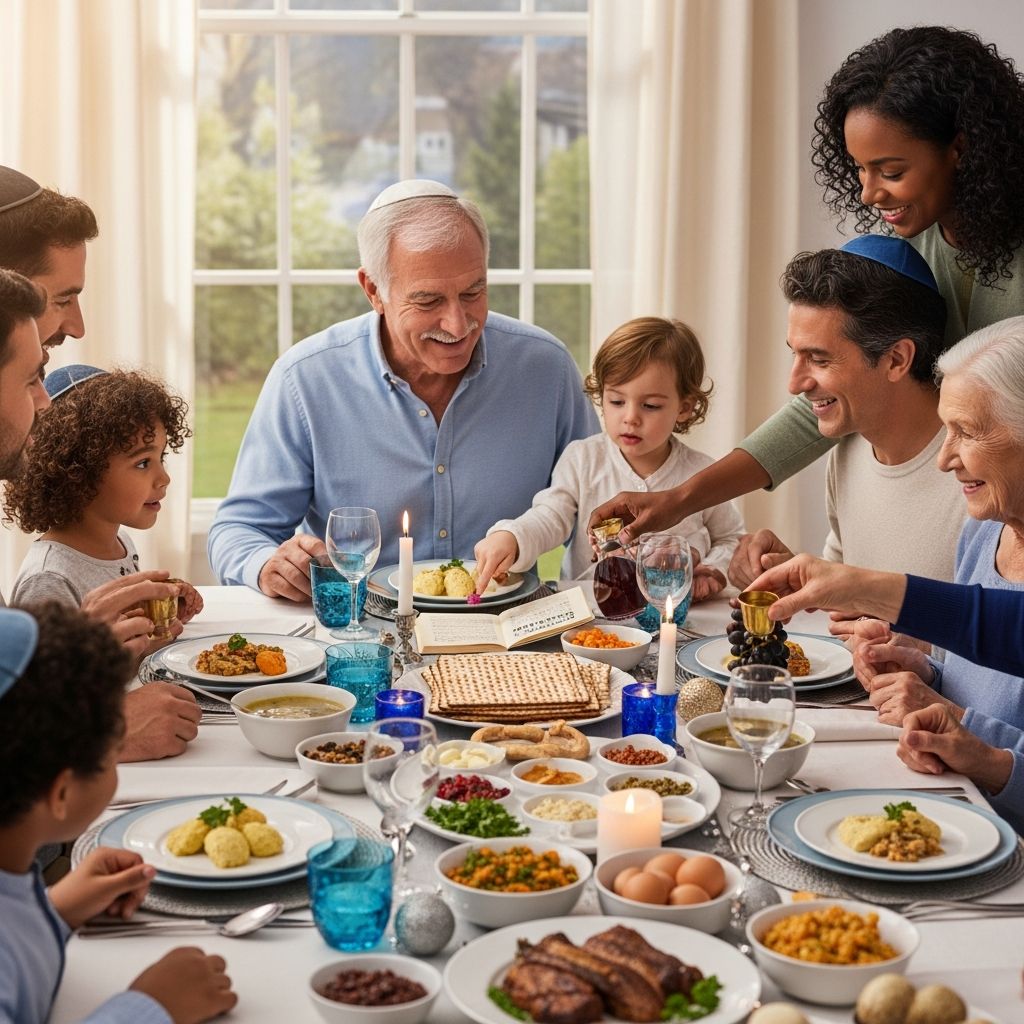
Once the home is ready, decorate with purpose. Cover tables with disposable paper cloths for easy cleanup and doodling. Scatter printed images of Passover symbols like matzah, wine cups, and Elijah’s goblet. Create personalized seder plates for each child using unbreakable dishes, filling them with symbolic items: a roasted shank bone for sacrifice, a hard-boiled egg for renewal, bitter herbs for slavery’s bitterness, a green vegetable for spring, charoset for mortar, and an orange for inclusivity in modern seders. These touches make the evening feel special and accessible.
Designing an Engaging Seder Experience
The seder, a ritual meal recounting the Exodus, can span hours, so structure it to hold young attention spans. Begin with lighting candles and reciting blessings, then invite kids to recline on cushions, mimicking free people from ancient times. Use a family-friendly Haggadah with illustrations to guide the order: from Kiddush wine to the afikomen dessert.
Incorporate music early to set a lively tone. Teach simple songs like “Dayenu” or “Chad Gadya” in advance via online videos or recordings. During the Four Questions, let the youngest child lead, rewarding thoughtful inquiries with small treats like kosher marshmallows. This honors the seder’s core emphasis on curiosity and dialogue.
- Timing Tips: Keep segments short—10-15 minutes each—alternating storytelling with action.
- Props for Immersion: Use plush toys for the ten plagues, such as toy frogs to toss gently during that section.
- Interactive Storytelling: Have family members narrate from different perspectives, like Moses or Miriam, passing a staff prop around.
Child-Friendly Foods and Recipes
Passover cuisine avoids leavened grains, focusing on matzah, potatoes, and fresh produce. Make meals appealing by involving kids in preparation. For babies, offer mashed matzah balls, soft-boiled eggs, and nut-free charoset. Older children enjoy assembling Hillel sandwiches: matzah layered with bitter herbs and sweet charoset.
Drinks matter too—opt for white grape juice to minimize stains, and create fun karpas dips with parsley in saltwater or veggie platters with hummus alternatives. Experiment nightly during the holiday:
| Night | Activity | Key Ingredients |
|---|---|---|
| 1 | Afikomen Scavenger Hunt | Matzah pieces, small prizes |
| 2 | Candy Question Bowl | Jelly beans, trivia cards |
| 3 | Plague Games | Ping pong balls for hail, spoons |
| 4 | Haroset Contest | Apples, nuts, wine, cinnamon |
| 5 | Matzah Topping Challenge | Cream cheese, jams, chocolate spread |
Blind taste tests add excitement, voting on favorites. For the main seder meal, serve brisket, gefilte fish, and flourless chocolate cake. Dairy options like Passover mac-and-cheese keep picky eaters happy.
Games and Activities Throughout the Eight Nights
Extend the holiday’s magic over eight days with themed challenges. Night one: Hide-and-seek for the afikomen with clues leading through the house. Night two: Place candy in a bowl; kids draw pieces after answering Exodus trivia. Night three: Recreate plagues playfully—catapult spoons as frogs or toss marshmallows as hail, skipping sensitive ones like firstborn.
Night four: Host a mini cooking competition for charoset variations, judging by taste and creativity. Night five: Blindfolded matzah toppings guessing game. Night six: Passover game night with symbol bingo or themed “Would You Rather.” Night seven: Backyard or indoor Red Sea obstacle course using pillows and chairs. Night eight: Build a reclining fort for a picnic-style meal.
These activities reinforce themes of liberation while providing variety, preventing fatigue during restrictions on leavened foods.
Creative Storytelling and Dramatic Elements
Bring the Exodus to life with costumes and props. An adult dressing as Pharaoh during plagues elicits giggles and questions. For the Red Sea parting, use blue streamers or a curtain tunnel for kids to “cross” amid bubbles and fish toys. Provide tambourines for Miriam’s victory song on the other side.
Encourage cooperative afikomen hunts: Hide puzzle pieces leading to the matzah, with prizes like museum passes for all finders. Older kids can script short skits or “popcorn” the narrative, each adding a segment from memory.
Modern Twists on Timeless Symbols
While honoring classics like the seder plate—shank bone for Pesach offering, egg for rebirth, maror for bitterness, charoset for bricks—add contemporary touches. Include an orange for marginalized voices or a tomato for farmworkers’ freedoms, sparking discussions on modern slavery.
Incorporate global customs: Whip green onions lightly during Dayenu, inspired by Persian Jews, or build Lego pyramids depicting enslavement turning to escape.
Frequently Asked Questions
What age is best for introducing Passover rituals to kids?
Start as early as infancy with sensory foods; toddlers love hunts and songs; school-age children thrive on games and storytelling.
How do I handle picky eaters during Passover?
Offer familiar textures like mashed potatoes, creative toppings, and involve them in cooking to build excitement.
Can we adapt the seder for virtual family gatherings?
Yes—share screens for questions, mail prop kits, and use video for plague tosses or afikomen clues.
What if we can’t find all traditional ingredients?
Substitute freely: Use beets for shank bone, romaine for maror; focus on symbolism over perfection.
How to make the afikomen inclusive for all kids?
Turn it into a team puzzle or hide multiples with group rewards to avoid competition.
Building Lifelong Connections Through Passover
These traditions weave education, play, and spirituality, creating memories that echo across generations. By adapting rituals to family dynamics, Passover becomes a celebration of freedom—past, present, and personal.
References
- Hosting a Kid-Friendly (and Kid-Driven!) Passover Seder — PJ Library. 2025-03-01. https://pjlibrary.org/beyond-books/pjblog/march-2025/kid-friendly-passover
- 8 Passover Activities for Your Family That Everyone Will Want to Do — Kveller. 2023-04-01. https://www.kveller.com/8-passover-activities-for-your-family-that-everyone-will-want-to-do/
- Passover Traditions: Honoring the Old and Embracing the New — Associated. 2024-04-01. https://associated.org/stories/passover-traditions-honoring-the-old-and-embracing-the-new/
- Passover: Customs and Rituals — Reform Judaism. 2024-01-16. https://reformjudaism.org/jewish-holidays/passover/passover-customs-and-rituals
- Passover with Kids :: How to Simplify the Holiday — Fort Worth Moms. 2023-04-01. https://fwmoms.com/holiday/passover-with-kids-how-to-simplify-the-holiday/