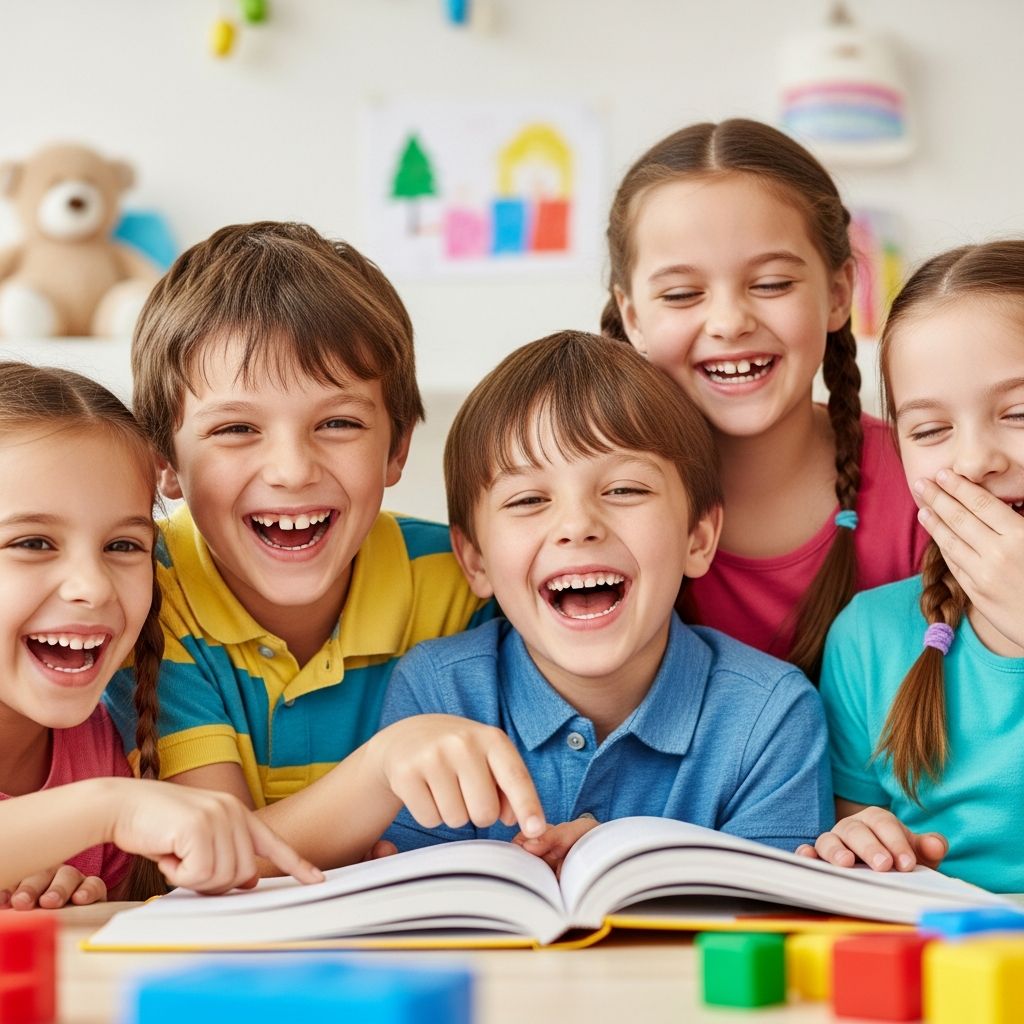
Children love to laugh, and a simple, silly joke can turn an ordinary moment into a shared memory. A little humor helps kids feel connected, boosts their confidence, and lightens the mood for everyone. This guide offers easy tips, age-appropriate ideas, and plenty of inspiration to keep your family or classroom laughing together.
Why Laughter Matters for Kids
Jokes are more than quick entertainment. They help children learn language, timing, and empathy as they figure out what other people find funny. When kids tell jokes, they practice memory skills and gain the confidence to speak in front of others. Humor can also ease tension after a long school day or during stressful transitions at home.
- Jokes encourage kids to play with words and meanings.
- Shared laughter strengthens relationships in families and classrooms.
- Humor helps children cope with worries and build resilience.
What Makes a Joke “Kid-Friendly”?
A kid-friendly joke is clean, simple, and easy to understand. It avoids topics that are scary, mean-spirited, or confusing. Jokes for younger children work best when the setup is short, the words are familiar, and there is a surprise at the end that still feels safe and silly.
As children get older, jokes can become more playful with puns, light sarcasm, and references to school, hobbies, or favorite animals. The key is to keep the humor kind. If a joke hurts someone’s feelings or targets a group of people, it is better left out of your kid-friendly toolbox.
Types of Jokes Kids Usually Love
Most children gravitate toward a few classic joke styles. Each type helps them understand a different aspect of humor. Mixing these styles keeps things fresh and lets kids experiment with creating their own punchlines.
| Joke Style | Short Description | Best For |
|---|---|---|
| Knock-knock jokes | Call-and-response jokes that follow a predictable pattern. | Kids who enjoy repetition and joining in the joke. |
| Riddles | Question-and-answer jokes with a clever or unexpected solution. | Children who like puzzles and thinking games. |
| Puns | Wordplay based on double meanings or similar-sounding words. | Readers and older kids who notice language details. |
| Situation jokes | Short stories where the punchline flips expectations. | Group storytelling and family time. |
Adjusting Jokes by Age Group
The same joke does not always work for every age. Younger children often enjoy silly sounds, funny faces, and very clear punchlines. Older kids prefer jokes that feel a little smarter or more surprising, especially when they can share them with friends at school.
- Preschoolers: Simple, repetitive jokes and playful sounds.
- Early elementary: Knock-knock jokes, animal jokes, and basic riddles.
- Upper elementary: Puns, school jokes, and short situation jokes.
How to Tell a Joke Like a Pro
Even the best joke can fall flat without good delivery. Kids learn timing and expression by watching adults tell jokes. Keep the setup slow and clear, then pause briefly before the punchline. This pause builds suspense and helps kids recognize the moment when they are supposed to laugh.
- Use a playful voice and clear expressions.
- Pause just before the punchline to build anticipation.
- Repeat favorite jokes so kids can retell them on their own.
Building a Safe, Kind Joke Culture
Before encouraging kids to tell jokes, it helps to agree on what is off-limits. Explain that jokes should never target someone’s body, background, or abilities. Help children understand the difference between laughing with someone and laughing at them.
When a joke accidentally hurts feelings, treat it as a teaching moment. Talk about why it did not feel funny and brainstorm kinder alternatives. Over time, kids learn that the best jokes make everyone feel included, not singled out.
Creating Your Own Family Joke Time
Regular joke time gives kids something to look forward to and provides a natural space for them to practice speaking. You can keep it informal or turn it into a fun family tradition. Let every child have a turn to share, and celebrate effort as much as the punchline itself.
- Start or end dinner with “today’s family joke.”
- Make a “laugh break” during long car rides or chores.
- Choose a “Joker of the Day” who leads the humor.
Simple Structure Kids Can Follow
When children first try to invent jokes, they may ramble or forget the ending. Giving them an easy structure helps. Many jokes follow a basic pattern: a short setup, a surprising twist, and a quick finish. Encourage kids to test their jokes on you and refine them if people look confused instead of amused.
One playful approach is to give children a format and let them fill in the blanks. Over time, they will start experimenting with their own setups and punchlines while still respecting the idea of a clear, simple joke.
Keeping Jokes Clean and Respectful
Children often repeat what they hear from friends, older siblings, or online videos. Make it clear that jokes at home or school need to be appropriate, and explain what that means in concrete terms. Encourage kids to skip jokes if they are unsure whether they are kind or suitable.
- Avoid jokes about appearance, weight, or health.
- Skip jokes that include rude language or frightening topics.
- Model respectful humor in your own stories and comments.
Fun Ways to Use Jokes Every Day
Humor becomes even more powerful when it is woven into daily routines. Small, predictable laughs can ease transitions and reduce resistance. You can use jokes as gentle rewards, icebreakers, or simply as a way to connect when time is short.
- Tell a quick joke during breakfast to start the day on a positive note.
- Share a riddle in the car and reveal the answer at your destination.
- Use a silly joke to break tension during homework or clean-up time.
Joke Jar: A Simple Family Project
A joke jar is an easy project that turns humor into a daily habit. All you need is a container and slips of paper. Write a different joke or riddle on each piece and invite kids to add their favorites over time. Every day, someone pulls a joke from the jar and reads it aloud.
To keep things fresh, rotate jokes seasonally or by theme. You can have animal months, school-themed jokes, or holiday humor. The jar becomes a living collection that grows along with your child’s sense of humor.
Using Jokes in the Classroom
Teachers can use jokes as quick warm-ups that grab attention and get kids talking. A short, age-appropriate joke at the start of a lesson can shift students’ mood and make the classroom feel welcoming. Jokes that relate to the subject—math, science, reading—help children see learning as playful.
- Begin morning meetings with a student-chosen joke.
- Use simple riddles as brain breaks between activities.
- Invite students to write their own content-related jokes.
Supporting Shy Kids Through Humor
Not every child wants to stand in front of a group, but jokes can gently build social confidence. Allow shy kids to share a joke one-on-one with you first, or let them choose a friend to help tell it. Celebrate their courage, not just how funny the joke is.
If a child prefers drawing or writing, invite them to create a mini comic strip of a joke. This lets them participate in humor without pressure to perform. Over time, they may feel ready to read their joke aloud or present their comic to the group.
Encouraging Kids to Write Their Own Jokes
Creating original jokes helps children think creatively and play with language. They experiment with words that sound alike, explore double meanings, and learn how small changes can shift a sentence from serious to silly. This is powerful practice for reading and writing skills.
- Ask, “What would happen if…?” and let kids imagine funny results.
- Invite children to turn everyday situations into mini joke stories.
- Keep a shared notebook where the family writes down its favorite original jokes.
Handling Jokes That Don’t Land
Everyone tells a joke that falls flat sometimes, and kids are no exception. Treat these moments lightly. Smile, thank them for sharing, and maybe offer a gentle suggestion for making the joke clearer next time. The goal is to keep them trying, not to judge how funny they are.
You can even make a game out of it by creating a silly “groan-o-meter.” When a joke is confusing or extra corny, everyone gives a playful groan instead of a laugh. This keeps the atmosphere warm and shows that humor is about enjoyment, not perfection.
FAQ: Kids and Jokes
How many jokes should kids learn at once?
For most children, three to five favorites are enough to start. This small set gives them something reliable to share with friends and relatives. As they grow more confident, they will naturally experiment with new jokes.
What if my child tells an inappropriate joke?
Stay calm and use the moment to talk about what makes a joke kind and respectful. Explain specifically which part of the joke is not okay and why. Then offer to help find or create funny alternatives that follow the family’s rules.
Can jokes really help with learning?
Yes, humor can make information more memorable and less intimidating. When a child hears a silly math or science joke, their brain connects the subject with enjoyment instead of stress. Jokes also encourage kids to pay attention to language details, which supports reading and writing.
How can I help my child remember jokes?
Repetition and practice are the easiest tools. Invite your child to tell the same joke to different people throughout the week. You can also write the joke on a card, illustrate it together, or record them telling it so they can watch and learn from their own delivery.
What if my child says they don’t like jokes?
Some kids prefer quiet humor or visual fun instead of wordy jokes. Try short, silly riddles, picture-based humor, or comics. Respect their preferences and offer humor as an option, not an obligation; often, enjoyment grows slowly once they find a style that fits their personality.
Bringing More Smiles Into Everyday Life
Kid-friendly jokes are simple tools with big impact. They brighten routines, open up conversations, and gently build language skills and confidence. With a bit of practice, your home, classroom, or playgroup can become a place where laughter is part of how everyone learns, connects, and grows together.