Head lice can sound scary or embarrassing, but they are actually a very common problem for children around the world. Knowing the facts helps kids and parents stay calm, act quickly, and keep everyone comfortable and healthy.
Understanding Head Lice
Head lice are tiny insects that live on the scalp and in the hair of humans. They feed on small amounts of blood from the skin on the head, but they do not spread any serious diseases.
| Stage | What it looks like | Where it is found |
|---|---|---|
| Egg (nit) | Tiny, oval, yellowish or white dots stuck to hair | Close to the scalp, especially behind the ears and at the neck |
| Nymph | Very small, light-colored baby louse | On the scalp and hair, moving quickly |
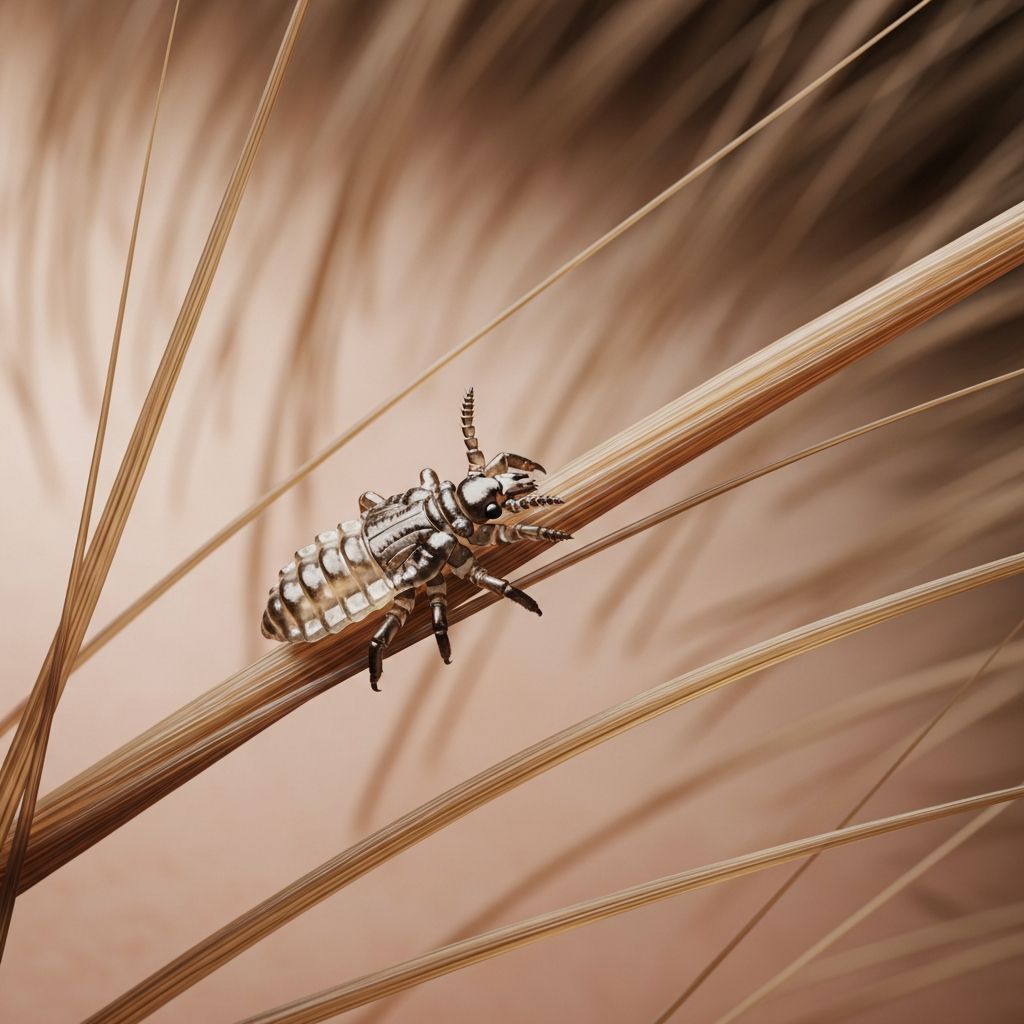
| Adult louse | About the size of a sesame seed, grayish or tan | On the scalp and hair, crawling and feeding on blood |
Each adult louse can live up to about 30 days on a person’s head and can lay several eggs every day. Without blood from the scalp, lice usually die within a couple of days.
Who Gets Head Lice?
Anyone with hair on their head can get lice. However, some groups are affected more often than others.
- Most common ages: preschool and elementary school children
- Where it spreads: schools, child care centers, playgrounds, camps, and homes
- Family members: parents, caregivers, and siblings of an infested child are more likely to get lice too
Head lice are not caused by being dirty or by living in a messy home. Health experts agree that lice do not care whether hair or houses are clean or dirty.
How Lice Spread From One Person to Another
The main way lice move from person to person is through direct head-to-head contact.
- Hugging or leaning close while playing
- Putting heads together for pictures or games
- Resting on the same cushion or pillow at the same time
Lice cannot fly, jump, or hop. They only crawl from one head to another.
It is less common, but lice can sometimes spread through shared items, such as:
- Hats, caps, and helmets
- Brushes, combs, and hair accessories
- Scarves, hoodies, and coats
- Pillows, blankets, or sleeping bags used one right after another
What Lice Do (and Do Not) Cause
Head lice can be uncomfortable, but they are usually not dangerous.
- They can cause:
- Itchy scalp
- Feeling like something is moving in your hair
- Red, irritated skin from scratching
- They do not cause:
- Serious diseases
- Lasting health problems (if treated)
Scratching too hard can break the skin and lead to a skin infection, which may need medical care. That is why early treatment and gentle care are important.
Signs and Symptoms of Head Lice
The only way to be completely sure someone has head lice is to find a live louse on the head or hair.
Common things to notice
- Itching: especially on the scalp, behind the ears, and at the back of the neck
- A tickling feeling: some children say it feels like something is crawling in their hair
- Trouble sleeping: lice are more active in the dark, so itching may be worse at night
- Sores from scratching: small red bumps or broken skin on the scalp
What to look for in the hair
- Nits (eggs):
- Stick firmly to the hair shaft and are hard to move with fingers
- Usually found near the scalp, especially behind the ears and at the neck
- Can look like dandruff, but dandruff comes off easily, while nits stay stuck
- Live lice:
- Move quickly and may be hard to see
- Are easiest to spot when hair is wet and parted into sections
How Grown-Ups Check for Head Lice
Parents or caregivers can check for lice at home. Many health experts recommend using a fine-toothed detection comb on wet hair to look for lice.
- Wash hair and apply conditioner to make combing easier.
- Divide the hair into small sections.
- Comb from the scalp all the way to the end of the hair with a special lice comb.
- Wipe the comb on a white paper towel or cloth to look for lice or nits.
- Repeat until the whole head has been checked.
If parents are unsure, they can ask a school nurse, pediatrician, or other health professional to look at the scalp and hair.
Safe Treatment Options
Head lice are treatable. Many children need more than one treatment, and all close contacts should be checked carefully.
1. Medicines for lice (pediculicides)
Several medicated shampoos and lotions are made specially to kill lice. Many are available without a prescription, and some stronger ones require a prescription from a doctor.
- Used on the hair and scalp, then rinsed out as directed
- Often need a second treatment about 7–10 days later to kill newly hatched lice
- Must be used exactly as the label or doctor says to be safe and effective
Parents should always:
- Follow age limits and instructions on the bottle
- Ask a doctor before using these products on babies, toddlers, or people with allergies or asthma
- Avoid using the medicine more often than recommended
2. Removing nits with a comb
Even with medicine, many families also spend time combing out nits.
- Use a fine-toothed lice comb on wet, conditioned hair
- Work in small sections from the scalp to the hair tips
- Clean the comb often in water or with a tissue
- Repeat every few days for at least two weeks
3. Caring for the home
Lice do not live long away from the head, but basic cleaning can help reduce the chance of them returning.
- Wash recently used hats, pillowcases, sheets, and towels in hot water (at least 130°F / 54°C) and dry on high heat.
- Items that cannot be washed (like stuffed animals) can be sealed in a plastic bag for 2 weeks.
- Soak combs and brushes in hot water for several minutes.
- Vacuum floors and furniture where the infested person sat or lay.
Heavy spraying or fumigating the house is not recommended and can be more harmful than helpful.
What Kids Can Do to Help
Children can play an important role in preventing lice from spreading.
- Try to avoid head-to-head contact while playing or reading together.
- Do not share hats, combs, brushes, hair ties, helmets, scarves, or headphones.
- Let a grown-up know quickly if your scalp is very itchy.
- Follow directions from parents, nurses, and doctors during treatment.
Preventing New Cases and Re-Infestation
Even after treatment, it is important to keep checking for lice because they can come back or spread from others.
- Check the hair of everyone in the household when lice are found.
- Repeat head checks once a week for a few weeks.
- Finish all recommended treatments, even if you stop seeing lice early.
- Tell close friends and the school so other families can check too.
Experts explain that lice often spread in groups of children who play closely together. Early sharing of information helps break the chain of spread.
Feelings and Myths About Lice
Children and parents might feel embarrassed or worried when lice are discovered, but there is no reason to feel ashamed.
Common myths versus facts
- Myth: Only people who are dirty get lice.
Fact: Lice are not linked to dirt or poor hygiene. They feed on blood and can live in any clean or dirty hair. - Myth: Lice can jump across the room.
Fact: Lice cannot jump or fly; they only crawl and usually spread by direct contact. - Myth: You must shave your head to get rid of lice.
Fact: Most people do not need to cut or shave their hair. Proper treatment and combing are usually enough.
Talking honestly with kids about what lice are and how common they can be helps reduce fear and teasing. Schools and health experts encourage families to focus on treatment and kindness, not blame.
When to Call a Doctor
Parents or caregivers should ask a health professional for help if:
- Over-the-counter lice treatments have been used correctly but live lice are still seen
- The child has skin that looks very red, swollen, or has yellow crusts (signs of infection)
- The child has allergies, asthma, or very sensitive skin
- The child is very young (such as a baby or toddler)
Doctors and pediatricians can:
- Check that the problem really is head lice
- Suggest or prescribe different medicines if needed
- Treat any skin infection from scratching
Frequently Asked Questions (FAQs)
Can pets give me head lice?
No. Head lice only live on humans. Dogs, cats, and other pets do not spread human head lice, and people do not catch lice from their pets.
Do I have to stay home from school if I have lice?
In many places, children can return to school after starting treatment, as long as live lice are being treated and families are working on nit removal. Health organizations explain that strict “no-nit” school rules are often not needed and may keep kids out of school longer than necessary.
How long do lice live off the head?
Away from the human scalp, most lice die within one to two days because they cannot get blood or the right warmth.
Is one treatment enough to get rid of lice?
Usually, a second treatment about a week after the first is recommended to kill any lice that may have hatched from leftover eggs. Combing and checking the hair between treatments is also very important.
Are home remedies like mayonnaise or oils safe and proven?
Many home methods have not been well studied, and some may be messy or uncomfortable. Health experts generally recommend using treatments that have been tested and approved, and asking a doctor or pharmacist for advice before trying anything unusual.
References
- About Head Lice — U.S. Centers for Disease Control and Prevention (CDC). 2024-01-19. https://www.cdc.gov/lice/about/head-lice.html
- Head Lice: What Parents Need to Know — American Academy of Pediatrics / HealthyChildren.org. 2022-09-21. https://www.healthychildren.org/English/health-issues/conditions/from-insects-animals/Pages/signs-of-lice.aspx
- Head Lice – Symptoms & Causes — Mayo Clinic. 2023-05-03. https://www.mayoclinic.org/diseases-conditions/head-lice/symptoms-causes/syc-20356180
- Head Lice in Children — Nationwide Children’s Hospital. 2021-11-01. https://www.nationwidechildrens.org/conditions/health-library/head-lice-in-children
- Head Lice and Nits — UK National Health Service (NHS). 2023-06-28. https://www.nhs.uk/conditions/head-lice-and-nits/