Kawasaki disease is a rare but serious condition that primarily impacts children under five years old, causing widespread inflammation in blood vessels, particularly those supplying the heart. Early detection and treatment are crucial to prevent potential heart complications.
Understanding the Basics of Kawasaki Disease
This vasculitis syndrome triggers an overactive immune response, leading to fever and multi-system symptoms. It occurs worldwide but is more common in boys and Asian populations. While the exact trigger remains unknown, infections may play a role.
Children typically experience three phases: acute (fever-dominant), subacute (peeling skin), and convalescent (recovery). Most recover fully with timely intervention, but untreated cases risk coronary artery aneurysms.
Recognizing Early Warning Signs
The hallmark is a persistent high fever exceeding 102°F (39°C) lasting five or more days, unresponsive to typical fever reducers. Additional signs emerge over days:
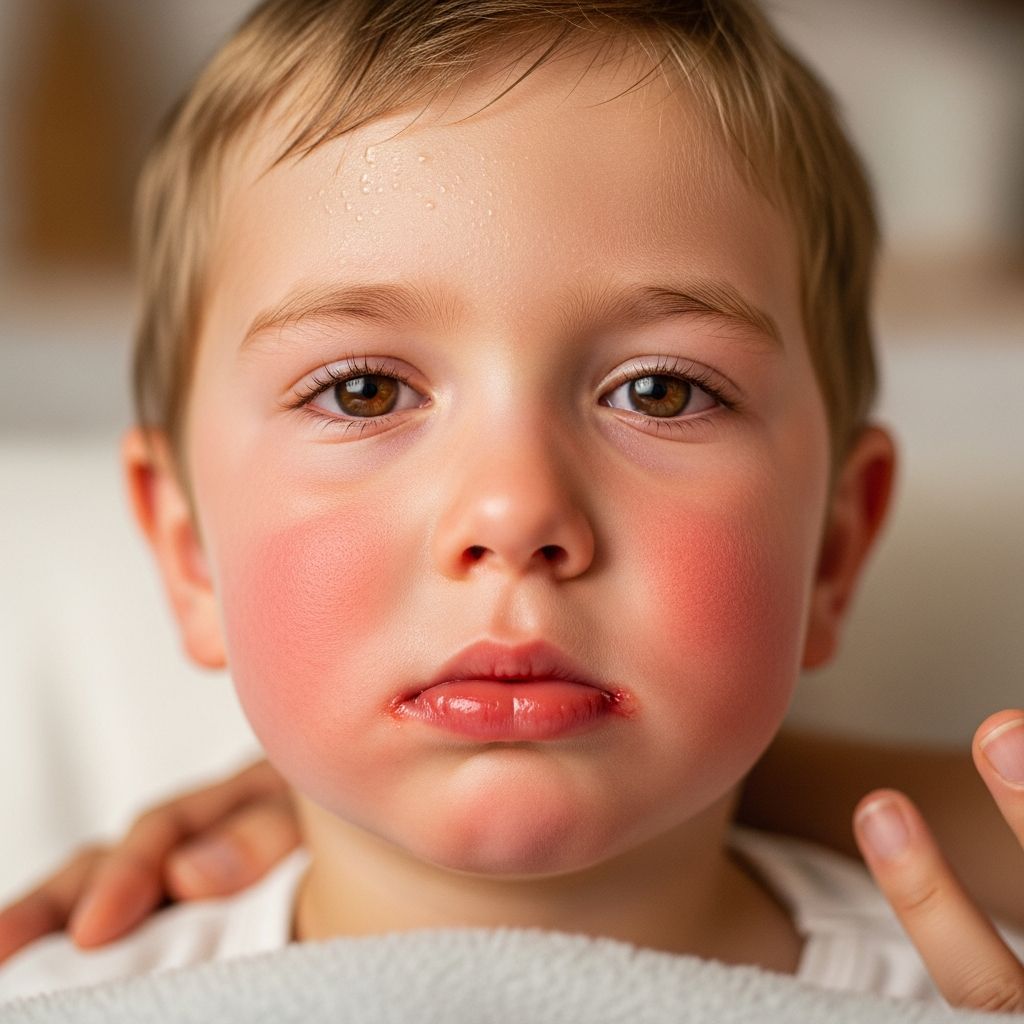
- Bright red, bloodshot eyes without discharge (bilateral conjunctivitis)
- Red, cracked lips and strawberry-like tongue (red with white coating)
- Widespread rash, often in the trunk, groin, or diaper area
- Swollen, red palms and soles, later peeling
- Enlarged cervical lymph nodes, usually unilateral
Irritability, fussiness, and less common issues like joint pain, diarrhea, or abdominal discomfort may accompany these. Incomplete cases show fever plus fewer criteria but still require urgent evaluation.
Progression Through Disease Phases
Acute Phase (Days 1-10): Dominated by spiking fevers up to 104°F, rash, mucosal changes, and eye redness. Lymph node swelling peaks here.
Subacute Phase (Weeks 2-4): Fever resolves, but periungual peeling begins around fingers/toes. Risk of coronary issues is highest now.
Convalescent Phase: Symptoms fade; full recovery ensues with monitoring.
Why Heart Health is the Biggest Concern
Inflammation targets coronary arteries, potentially causing dilation, aneurysms, or myocarditis. About 25% untreated cases develop aneurysms; early therapy drops this to under 5%. Other risks include arrhythmias, valvular issues, or pericarditis.
Infants under 6 months face higher complication rates, emphasizing rapid assessment.
How Doctors Confirm the Diagnosis
No single test exists; diagnosis relies on clinical criteria: fever ≥5 days plus ≥4 of five principal features (eyes, mouth, rash, extremities, nodes).
For incomplete KD (fewer features), labs show elevated CRP/ESR, anemia, thrombocytosis, and hypoalbuminemia. Echocardiograms detect aneurysms; supplemental tests include ECG or labs.
| Diagnostic Criteria | Description |
|---|---|
| Fever | ≥5 days, ≥102°F |
| Conjunctivitis | Bilateral, non-exudative |
| Oral Changes | Cracked lips, strawberry tongue |
| Rash | Polymorphous, truncal |
| Extremity Changes | Redness/swelling, later peeling |
| Lymph Nodes | ≥1.5 cm, usually cervical |
Standard Treatment Approaches
Hospitalization is standard. First-line: high-dose IVIG (2 g/kg) within 10 days of onset, plus high-dose aspirin (80-100 mg/kg/day) until afebrile, then low-dose for antiplatelet effect.
- IVIG reduces fever in 36 hours and aneurysm risk.
- Aspirin manages inflammation and prevents clots.
- Refractory cases may need second IVIG, steroids, or biologics.
Supportive care includes hydration and pain relief.
Life After Treatment: Monitoring and Follow-Up
Echocardiograms at diagnosis, 2 weeks, and 6-8 weeks post-treatment track arteries. Low-risk kids need cardiology follow-up; high-risk (aneurysms) require lifelong monitoring, possible angiography or anti-coagulants.
Most resume normal activities post-recovery; restrict contact sports if aneurysms persist.
Preventing and Managing Complications
Swift treatment averts most issues. Vaccinate against prompts like MIS-C confusion during COVID. Educate on fever persistence.
Frequently Asked Questions (FAQs)
Is Kawasaki disease contagious?
No, it’s not spread person-to-person; likely triggered by infection in susceptible kids.
Can older children get it?
Rarely; peaks under 5 years, but possible in infants or school-age.
What if fever doesn’t respond to medicine?
Seek immediate care; could indicate KD or other serious illness.
Does it recur?
Very rarely; single episode typical.
How long does recovery take?
Days with treatment; full heart healing months.
Supporting Your Child Emotionally
Irritability is common; provide comfort, distraction. Explain simply, involve play therapy. Parents: join support groups for guidance.
(Word count: 1678)
References
- Kawasaki Disease: Symptoms, Diagnosis and Treatment — Nationwide Children’s Hospital. 2023. https://www.nationwidechildrens.org/conditions/kawasaki-disease
- About Kawasaki Disease — Centers for Disease Control and Prevention (CDC). 2024-01-17. https://www.cdc.gov/kawasaki/about/index.html
- Kawasaki disease — National Health Service (NHS). 2023. https://www.nhs.uk/conditions/kawasaki-disease/
- Kawasaki disease – Symptoms and causes — Mayo Clinic. 2024. https://www.mayoclinic.org/diseases-conditions/kawasaki-disease/symptoms-causes/syc-20354598
- Kawasaki Disease — Nemours KidsHealth. 2023. https://kidshealth.org/en/parents/kawasaki.html
- Kawasaki Disease — Children’s Hospital Colorado. 2023. https://www.childrenscolorado.org/conditions-and-advice/conditions-and-symptoms/conditions/kawasaki-disease/