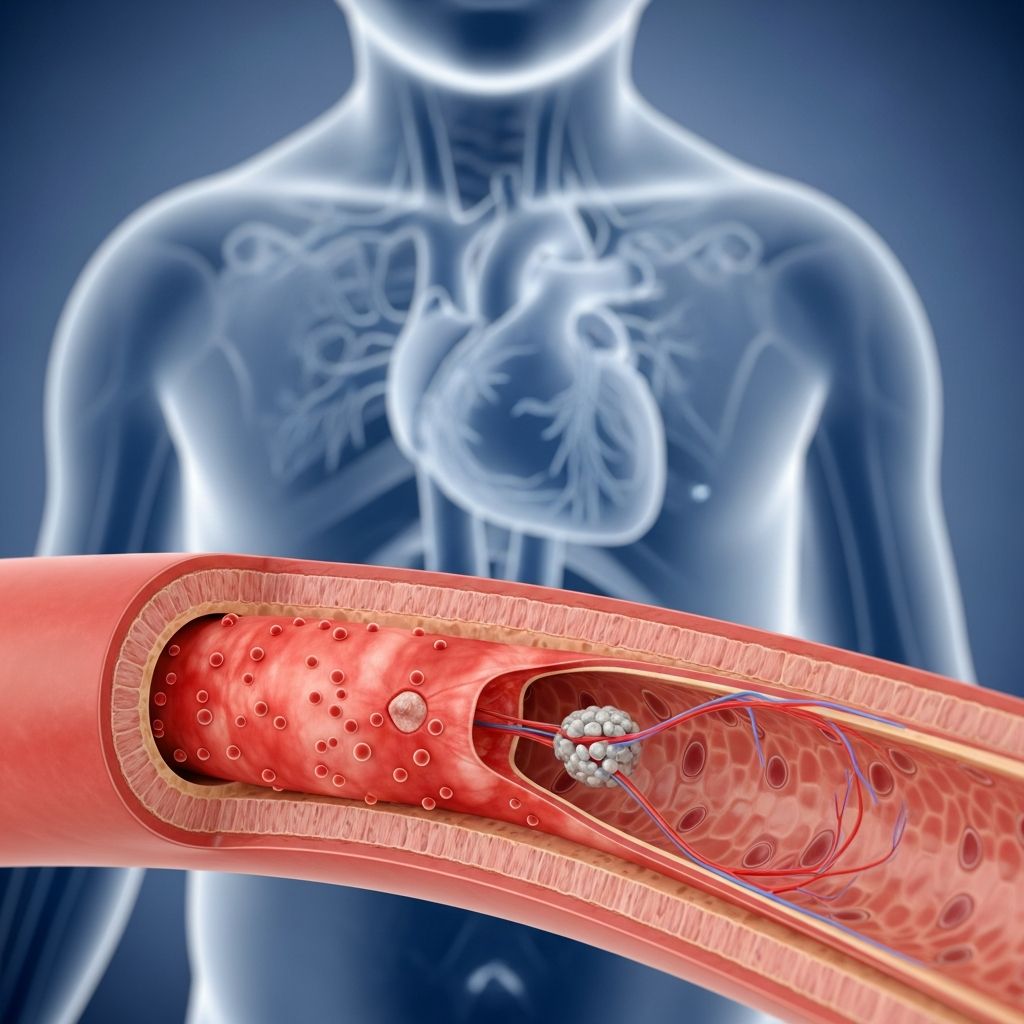
Kawasaki disease is a rare but serious condition primarily affecting young children, characterized by widespread inflammation of blood vessels that can lead to heart complications if untreated. Prompt recognition of its hallmark symptoms, such as prolonged high fever and distinctive rashes, allows for timely medical intervention, enabling most children to recover fully.
Recognizing the Early Warning Signs
The condition typically begins abruptly with a high fever exceeding 102°F (39°C), often reaching 104°F (40°C), that persists for at least five days and does not respond to typical fever-reducing medications like acetaminophen or ibuprofen. This fever is the most consistent initial indicator, accompanied by extreme irritability in the child.
Within days, additional symptoms emerge progressively, though not always simultaneously. These include:
- Bloodshot red eyes (conjunctivitis) without pus or discharge, affecting both eyes.
- A widespread rash, often pink or red, appearing on the trunk, back, arms, legs, and genital area, which may fade within a week.
- Swollen lymph nodes, usually on one side of the neck.
- Red, dry, cracked lips and a “strawberry tongue”—a red, bumpy tongue with a white coating.
- Swelling and bright red discoloration of the hands and feet, particularly palms and soles.
Parents should note that symptoms can vary; some children exhibit a milder “incomplete” form with fewer signs but still face heart risks.
Progression Through Distinct Phases
Kawasaki disease unfolds in phases. The acute phase, lasting up to two weeks, features the persistent fever and primary symptoms like rash, eye redness, and oral changes. As the fever subsides around day 10-14, the subacute phase begins, marked by peeling skin on the fingers, toes, hands, and feet—often in large sheets—typically 2-3 weeks after onset.
Joint pain, diarrhea, vomiting, or abdominal discomfort may also appear during this time. The convalescent phase follows, where visible symptoms resolve, but internal inflammation lingers, heightening the risk of coronary artery issues for weeks or months. Monitoring during this period is crucial to detect silent complications.
Potential Complications and Heart Risks
Untreated Kawasaki disease poses significant threats to the cardiovascular system. Inflammation can damage coronary arteries, leading to aneurysms—dangerous bulges that increase heart attack risk. Other issues include myocarditis (heart muscle inflammation), pericarditis, valvular dysfunction, and arrhythmias.
Approximately 25% of untreated cases develop coronary aneurysms, but early treatment reduces this to under 5%. Infants under 6 months and those with incomplete symptoms are at higher risk. Long-term follow-up with echocardiography is recommended for all patients.
| Feature | Complete KD | Incomplete KD |
|---|---|---|
| Fever Duration | ≥5 days + ≥4 principal symptoms | ≥5 days + <4 principal symptoms |
| Heart Risk | High if untreated | Equally high; requires prompt evaluation |
| Diagnosis | Clinical criteria met | Lab tests + echo |
| Treatment Urgency | Within 10 days | Immediate, even with subtle signs |
Unraveling the Causes and Risk Factors
The exact cause remains unknown, but experts suspect an abnormal immune response triggered by infections, genetics, or environmental factors in genetically susceptible children. It is not contagious and occurs worldwide, peaking in winter-spring.
Demographics show it predominantly affects children under 5, with boys twice as likely as girls. Asian and Pacific Islander descent increases incidence, though all ethnicities are affected. No preventive measures exist due to unclear etiology.
Diagnostic Approaches for Accurate Identification
Diagnosis relies on clinical criteria: fever for 5+ days plus at least four of five principal symptoms (rash, eye redness, oral changes, extremity changes, lymphadenopathy). For incomplete cases, blood tests reveal elevated inflammatory markers (e.g., CRP, ESR), anemia, thrombocytosis, and low albumin.
Echocardiograms assess coronary arteries, supplemented by ECGs for rhythm issues. Differential diagnosis excludes infections like scarlet fever or measles. Early specialist referral to pediatric rheumatology or cardiology is advised.
Standard Treatment Protocols
Treatment aims to reduce inflammation and prevent coronary damage, ideally within 10 days of fever onset. Intravenous immunoglobulin (IVIG) at 2 g/kg, combined with high-dose aspirin (80-100 mg/kg/day initially), resolves fever in 24-36 hours for most.
Aspirin transitions to low-dose (3-5 mg/kg/day) for antiplatelet effects until inflammation subsides. Corticosteroids may adjunct in IVIG-resistant cases (up to 20% refractory). Hospitalization monitors response and cardiac function.
- Acute Phase: IVIG + high-dose aspirin.
- Subacute Phase: Low-dose aspirin; echo follow-up.
- Long-term: Cardiology surveillance based on echo results.
Long-Term Management and Follow-Up Care
Most children recover fully with no lasting effects, resuming normal activities post-treatment. Follow-up echoes at 1-2 weeks, 6-8 weeks, and annually if abnormalities persist. Those with aneurysms require medications like beta-blockers or anticoagulants, activity restrictions, and potential interventions like stenting.
Seasonal flu vaccines are recommended; live vaccines deferred during high-dose aspirin therapy. Parental education on symptom recurrence (rare) is vital.
Lifestyle Adjustments for Affected Families
During illness, ensure hydration, rest, and fever monitoring. Post-recovery, promote heart-healthy habits: balanced diet, physical activity (per cardiology clearance), and infection avoidance. Support groups aid emotional coping.
Frequently Asked Questions (FAQs)
Is Kawasaki disease contagious?
No, it is not spread person-to-person; likely triggered by immune overreaction.
Can older children get Kawasaki disease?
Rarely; it mainly affects under 5s, but possible in any age, with higher risks in infants.
What if my child has fever but not all symptoms?
Seek immediate care; incomplete cases still risk heart damage and need evaluation.
How effective is treatment?
Over 95% respond to IVIG, preventing aneurysms with early administration.
Will my child have heart problems forever?
Most do not; aneurysms regress in many, but lifelong monitoring ensures safety.
References
- Kawasaki Disease: Symptoms, Diagnosis and Treatment — Nationwide Children’s Hospital. 2023. https://www.nationwidechildrens.org/conditions/kawasaki-disease
- About Kawasaki Disease — Centers for Disease Control and Prevention (CDC). 2024-01-17. https://www.cdc.gov/kawasaki/about/index.html
- Kawasaki disease — National Health Service (NHS). 2023. https://www.nhs.uk/conditions/kawasaki-disease/
- Kawasaki disease – Symptoms and causes — Mayo Clinic. 2024. https://www.mayoclinic.org/diseases-conditions/kawasaki-disease/symptoms-causes/syc-20354598
- Kawasaki Disease — Nemours KidsHealth. 2023. https://kidshealth.org/en/parents/kawasaki.html