Juvenile idiopathic arthritis (JIA) represents the most prevalent form of arthritis among children, affecting those under the age of 16. This chronic inflammatory condition occurs when the immune system mistakenly attacks the body’s own healthy cells and tissues, resulting in joint inflammation, pain, and stiffness. Unlike the wear-and-tear arthritis commonly seen in adults, JIA is an autoimmune disorder that can significantly impact a child’s daily activities, growth, and quality of life. Understanding the nature of this condition, recognizing its various presentations, and exploring treatment options are essential for parents and caregivers seeking to support their children through this diagnosis.
Recognizing the Initial Warning Signs
The earliest indicators of JIA often appear subtly and may be overlooked initially. Many children do not explicitly complain about joint pain, making observation of behavioral changes crucial for parents. One of the most characteristic early signs is limping, particularly noticeable in the morning or after the child has rested for extended periods. Parents may observe that their child appears clumsier than usual, moves more slowly in the morning, or has difficulty with activities they previously performed without difficulty.
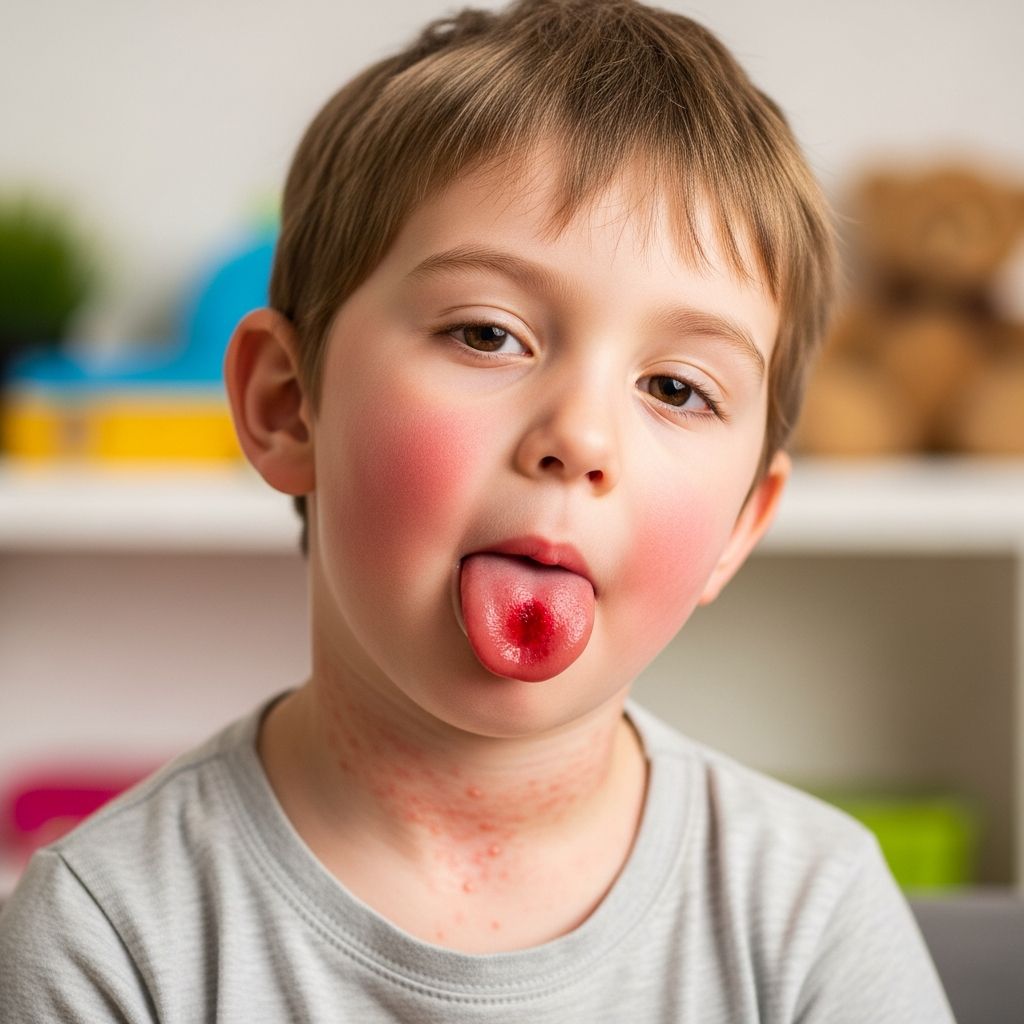
Beyond joint-related symptoms, children may experience general feelings of fatigue and appear rundown, lacking their usual energy levels. Some children develop unexplained rashes, experience appetite loss, or complain of eye discomfort such as blurry vision or a gritty sensation. A persistent or recurring fever without an obvious infection source can also be an important indicator, particularly when accompanied by other symptoms. These varied presentations underscore why JIA requires professional evaluation, as symptoms can mimic other childhood conditions.
Primary Characteristics of Joint-Related Symptoms
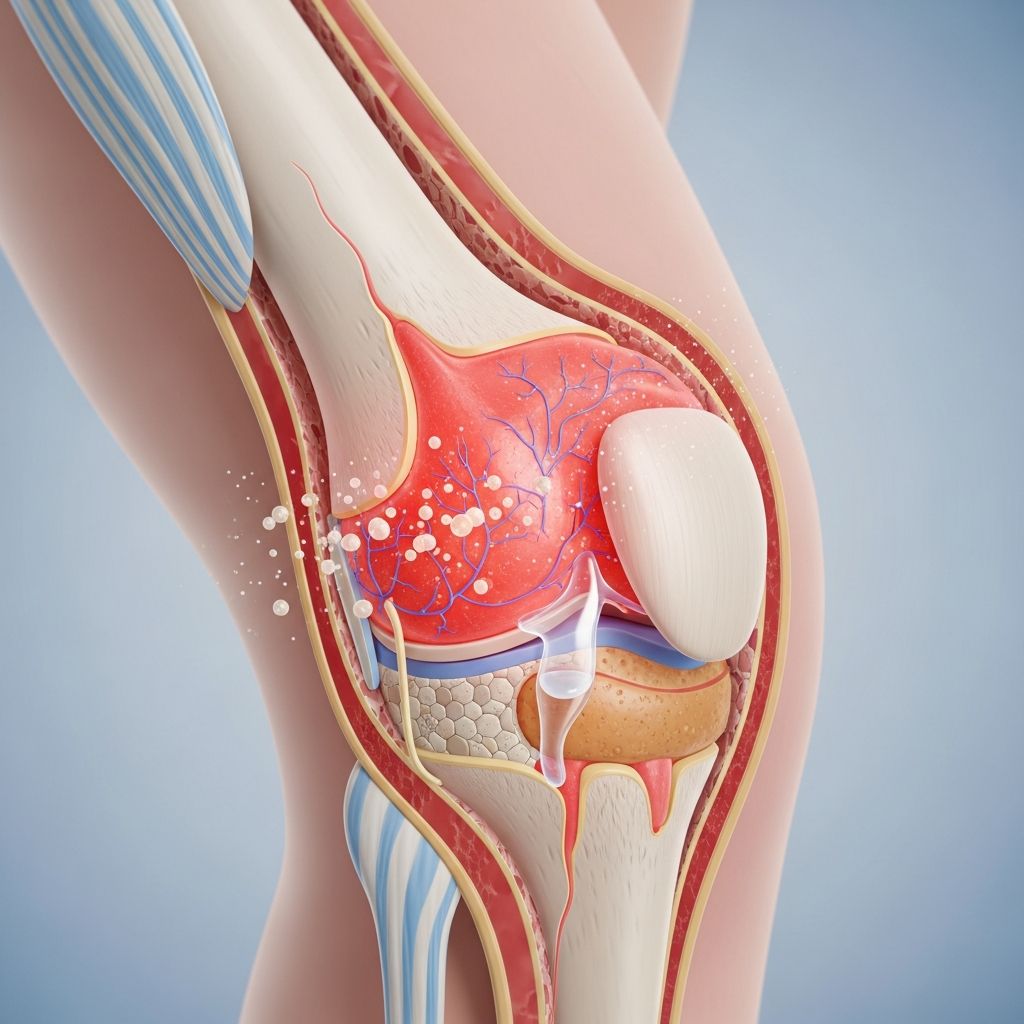
The hallmark features of JIA involve the joints themselves. Affected joints frequently appear red, swollen, tender, or warm to the touch. The inflammation associated with JIA typically manifests as joint stiffness that is noticeably worse upon waking in the morning or after the child remains in one position for an extended time. This morning stiffness can last for varying durations and may gradually improve as the child becomes more active throughout the day.
Joint pain and swelling can develop in various locations throughout the body. The most commonly affected joints include the hands, knees, ankles, elbows, and wrists, though JIA may involve virtually any joint. The inflammation can affect a single joint or multiple joints simultaneously, and the specific pattern of involvement often helps determine which subtype of JIA a child has.
Fluctuating Symptoms and Disease Cycles
One distinctive characteristic of JIA is the pattern of symptom fluctuation. Rather than maintaining a consistent level of severity, children with JIA typically experience periods when symptoms become more pronounced—called “flares” or “flare-ups”—followed by periods of relative calm when symptoms minimize or resolve entirely. Some children may have only one or two flares and never experience symptoms again, while others deal with recurring flares throughout childhood or adolescence. Understanding this cyclical nature helps families prepare for symptom management and adjust expectations during particularly active phases of the disease.
The Spectrum of JIA Subtypes
JIA encompasses several distinct subtypes, each with unique characteristics and patterns of joint involvement. These categories help physicians determine treatment approaches and predict potential complications. A child may initially present with symptoms consistent with one type but later develop characteristics of another type, further emphasizing the importance of ongoing medical supervision.
Oligoarticular JIA
This form affects four or fewer joints and represents one of the more common presentations in children. Typically, the larger joints such as the knees and ankles are involved, with notable pain, stiffness, or swelling in these areas. Children with oligoarticular JIA have a particular risk for developing uveitis, a chronic inflammation of the eye’s iris that may occur without noticeable symptoms, making regular eye examinations essential.
Polyarticular JIA
When five or more joints become affected, the diagnosis shifts to polyarticular JIA. This form can progress to involve many joints throughout the body, with swelling, pain, and stiffness becoming more extensive. Polyarticular JIA presents in two variants: one with a positive rheumatoid factor and one without. The rheumatoid factor-positive form carries a greater risk of joint damage and resembles adult rheumatoid arthritis more closely. Children with this form may develop small bumps or nodules on pressure-bearing areas of the body.
Systemic JIA
Affecting approximately 10% of children with JIA, systemic JIA represents a more generalized form of the disease that impacts the entire body. This type typically begins with a distinctive high spiking fever exceeding 103°F that persists for at least two weeks, accompanied by a light red or salmon-colored rash that appears and disappears with the fever. Joint inflammation may develop gradually, sometimes only after the fever has subsided, or may develop concurrently. In more severe presentations, inflammation can extend to major organs including the heart, liver, spleen, and the linings surrounding the lungs and heart.
Enthesitis-Related Arthritis
This subtype predominantly affects the lower joints such as the ankles and the spine. Children with enthesitis-related arthritis may eventually develop ankylosing spondylitis, a condition affecting spinal mobility. This form tends to be more common in older children and adolescents and more frequently affects boys.
Psoriatic JIA
Some children develop JIA concurrent with psoriasis, a skin condition characterized by scaly red patches. These children may also experience pitted nails and dactylitis, involving swelling of the fingers or toes. This form requires attention to both joint and skin manifestations.
Systemic Complications Beyond the Joints
While JIA primarily targets the joints, inflammation can extend to multiple organ systems, creating complications that demand comprehensive medical management. The eyes represent one of the most vulnerable organs affected by JIA. Uveitis, or chronic eye inflammation, causes dryness, pain, redness, light sensitivity, and vision problems. Without proper treatment, this eye inflammation can progress to serious complications including cataracts, glaucoma, and even blindness. Notably, eye inflammation frequently develops without noticeable symptoms, making regular ophthalmology screening vital for all children with JIA.
The skeletal system can also suffer long-term consequences from persistent inflammation and certain medications used in treatment. Growth delays may occur in some children, and chronic inflammation combined with corticosteroid use can lead to osteoporosis, a condition where bones become thinner and more prone to fractures. Children with spinal involvement may experience persistent low back pain that significantly impacts their quality of life and physical activities.
In more severe forms of systemic JIA, inflammation can compromise the heart and lungs. Lung inflammation and scarring can lead to respiratory difficulties and progressive lung disease, while heart inflammation may damage the heart muscle itself. The digestive system can also be affected, with some children experiencing abdominal pain and diarrhea, particularly those with spine arthritis or ankylosing spondylitis. Additionally, delayed puberty has been documented in some children with JIA, and certain medications used in treatment may impact fertility in the future.
Diagnostic Approaches and Professional Evaluation
Diagnosing JIA requires a comprehensive evaluation by pediatric rheumatologists or other qualified healthcare providers. The diagnostic process typically includes detailed medical history, physical examination, laboratory tests such as blood work, and imaging studies. No single test definitively confirms JIA; instead, diagnosis relies on the pattern of symptoms, the duration of joint inflammation, and exclusion of other conditions that mimic arthritis. Regular monitoring through blood work and imaging helps assess disease activity and guides treatment decisions.
Understanding the Underlying Causes
The exact cause of JIA remains unknown, though research indicates that both genetic and environmental factors contribute to its development. Some children inherit a genetic predisposition that makes them susceptible to autoimmune conditions, including JIA. An environmental trigger—such as an infection or other stressor—may activate the immune system in genetically vulnerable individuals, leading to the mistaken attack on healthy joint tissues. Some forms of JIA show a higher prevalence in girls, suggesting hormonal factors may also play a role.
Impact on Physical Function and Daily Life
Beyond the physical manifestations, JIA significantly affects children’s functional abilities and participation in daily activities. Joint pain and stiffness can limit movement, making routine tasks such as dressing, writing, or walking challenging. School attendance may be affected, particularly on days when symptoms are more pronounced. Participation in sports and recreational activities may become restricted, potentially impacting social development and peer relationships. Foot pain and difficulty walking are particularly common with certain types of JIA, such as polyarticular and enthesitis-related forms, further limiting mobility.
Long-Term Outlook and Prognosis Variability
The long-term trajectory of JIA varies considerably among affected children. Some children experience a mild course with minimal joint involvement and short-lived symptoms, while others face more persistent and aggressive disease requiring ongoing intensive management. Early diagnosis, prompt treatment initiation, and consistent medical follow-up significantly improve outcomes and reduce the risk of permanent joint damage. Modern treatment approaches have dramatically improved prognosis, with many children achieving remission or low disease activity with appropriate therapeutic intervention.
Frequently Asked Questions
Is JIA hereditary, and will my other children develop it?
While genetic factors contribute to JIA susceptibility, the condition is not directly inherited in a simple pattern. Having a family member with JIA increases risk, but most children with a family history never develop the disease. Environmental triggers appear necessary for disease development in genetically predisposed individuals.
Can JIA completely resolve, or is it lifelong?
JIA presents a variable course. Some children experience complete remission and never have symptoms again, while others have a more chronic pattern. Modern treatments have greatly improved the likelihood of achieving long-term remission or low disease activity.
How does JIA affect school and physical activities?
JIA can impact school attendance and athletic participation, particularly during flares. However, with proper management and accommodations, most children attend school regularly and engage in age-appropriate physical activities adapted to their capabilities.
What is the role of eye examinations in JIA care?
Regular eye examinations by an ophthalmologist are essential because uveitis can develop without noticeable symptoms. Early detection and treatment prevent serious complications such as cataracts, glaucoma, and vision loss.
Are there specific triggers that cause JIA flares?
While triggers vary among individuals, stress, infections, and changes in activity levels may contribute to flare-ups in some children. Maintaining consistent medication adherence and regular medical follow-up helps minimize flare frequency and severity.
References
- Juvenile Idiopathic Arthritis — Arthritis Foundation. Accessed January 2026. https://www.arthritis.org/diseases/juvenile-idiopathic-arthritis
- Juvenile idiopathic arthritis – Symptoms and causes — Mayo Clinic. October 5, 2022. https://www.mayoclinic.org/diseases-conditions/juvenile-idiopathic-arthritis/symptoms-causes/syc-20374082
- Juvenile Idiopathic Arthritis Symptoms, Types, Causes — National Institute of Arthritis and Musculoskeletal and Skin Diseases (NIAMS). Accessed January 2026. https://www.niams.nih.gov/health-topics/juvenile-arthritis
- Juvenile Idiopathic Arthritis (JIA) (for Teens) — Nemours KidsHealth. Accessed January 2026. https://kidshealth.org/en/teens/juv-rheumatoid-arthritis.html
- Juvenile Idiopathic Arthritis — Children’s Hospital of Philadelphia. Accessed January 2026. https://www.chop.edu/conditions-diseases/juvenile-idiopathic-arthritis
- Juvenile Idiopathic Arthritis — MedlinePlus Medical Encyclopedia. Accessed January 2026. https://medlineplus.gov/ency/article/000451.htm