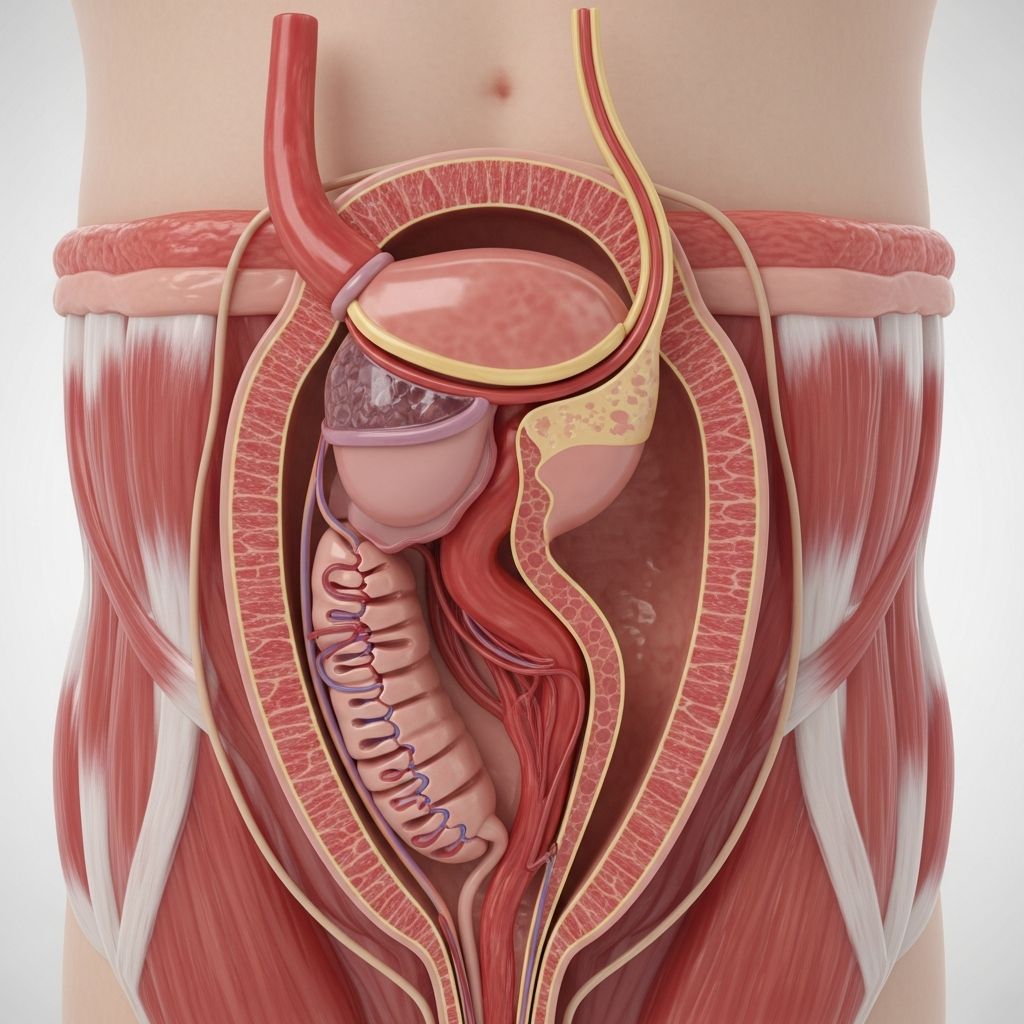
Jock itch, medically termed tinea cruris, is a common fungal infection affecting the groin area in children, leading to uncomfortable itching and rashes. It thrives in warm, moist environments, making active kids particularly susceptible during sports or hot weather.
Understanding the Nature of Jock Itch
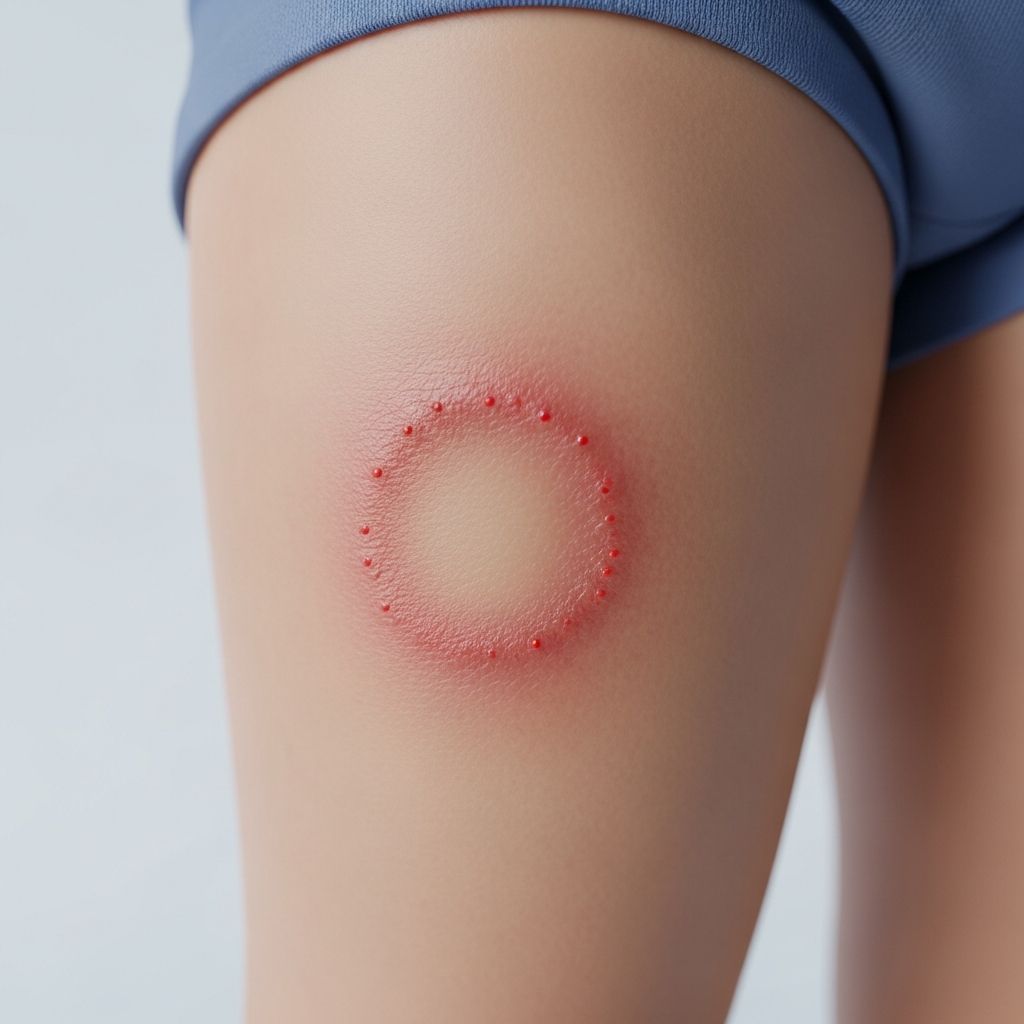
This condition arises from dermatophyte fungi, such as Trichophyton rubrum, which flourish in skin folds where sweat accumulates. Unlike bacterial infections, jock itch spreads through direct contact with contaminated surfaces or via other body areas like the feet. In children, it often appears as a red, scaly patch on the inner thighs, groin creases, or buttocks, sometimes forming a ring-like pattern.
Parents might notice their child scratching excessively, especially after playtime or showers. The rash can burn or sting, disrupting daily activities and sleep. Early recognition prevents worsening, as untreated cases may spread to the abdomen or legs.
Common Symptoms Parents Should Watch For
- Intense itching in the groin and upper thighs, worsening with sweat or friction.
- Red, inflamed skin with raised edges and central clearing, resembling a half-moon shape.
- Flaky or scaly texture, occasionally cracking or blistering in severe instances.
- Mild odor if secondary bacterial involvement occurs from scratching.
Symptoms typically spare the scrotum in boys but can extend to surrounding areas. If the rash appears on the penis or shows pus, consult a doctor promptly to rule out other issues like yeast infections.
Risk Factors Specific to Kids
Children engaging in team sports, wearing tight uniforms, or living in humid climates face higher risks. Overweight kids with deeper skin folds trap more moisture, fostering fungal growth. Sharing towels, locker room exposure, or untreated athlete’s foot can introduce the fungus.
| Risk Factor | Why It Increases Susceptibility | Prevalence Note |
|---|---|---|
| Athletic Activities | Sweat and tight clothing create ideal conditions | Common in sports like wrestling, soccer |
| Obesity | Moist skin folds retain humidity | Higher in overweight children |
| Shared Facilities | Contagion from floors, benches | Frequent in gyms, pools |
| Weakened Immunity | Slower fungal clearance | Rare but notable in some kids |
Accurate Diagnosis Methods
Diagnosis starts with visual inspection by a pediatrician, who checks the rash’s pattern and location. For confirmation, a skin scraping under microscope reveals fungal elements, or a culture identifies the exact strain. This distinguishes jock itch from eczema, psoriasis, or contact dermatitis, ensuring targeted treatment.
In children, doctors may also screen for related infections like athlete’s foot to prevent cross-contamination. Home diagnosis risks misidentification, so professional evaluation is advised for persistent rashes.
Effective Treatment Strategies for Young Ones
Treatment combines antifungal agents with hygiene practices. Over-the-counter creams like clotrimazole, miconazole, terbinafine, or tolnaftate applied twice daily for 2-4 weeks clear most cases. Extend use 1-2 weeks post-symptom relief to avoid relapse.
For stubborn infections, prescriptions include stronger topicals like econazole or oral options such as fluconazole. A two-pronged approach pairs antifungals with drying agents: zinc oxide barriers (e.g., diaper rash creams) and low-heat blow dryers post-bath.
- Clean gently with mild soap, pat dry thoroughly.
- Apply antifungal beyond rash edges.
- Use breathable cotton underwear, change post-activity.
- Avoid scratching to prevent bacterial overlay.
Cool compresses soothe itching. Most kids improve in 1-2 weeks, but full courses prevent recurrence.
Home Remedies and Supportive Care
While antifungals are primary, adjuncts accelerate healing. Tea tree oil diluted in carrier oil offers mild antifungal properties, but test for irritation first. Keeping the area aired out by loose clothing aids recovery.
A table salt soak or vinegar rinse (1:4 dilution) dries skin, but evidence is anecdotal—prioritize proven topicals. Weight management through diet and activity reduces future episodes in prone kids.
Prevention Tips Tailored for Families
Proactive steps minimize outbreaks:
- Daily hygiene: Shower after sweating, dry groin last using towel or blow dryer.
- Fabric choices: Opt for moisture-wicking underwear, avoid synthetics.
- Foot care: Treat athlete’s foot promptly; socks before underwear.
- No sharing: Personal towels, clothes; disinfect gear.
- Environment: Use antifungal powders in humid seasons.
Educate kids on not scratching and clean hands after touching affected areas.
When to Seek Pediatric Advice
Consult if rash spreads, persists beyond 2 weeks, or features fever/swelling. Recurrent cases warrant immune checks or lifestyle reviews. Girls with similar symptoms may have yeast issues, needing distinct care.
Frequently Asked Questions (FAQs)
Can jock itch resolve without medication?
Rarely in mild cases with meticulous drying, but antifungals ensure faster, reliable cure.
Is jock itch contagious to siblings?
Yes, via shared items; isolate towels and treat promptly.
How long until a child can return to sports?
Once treatment starts and symptoms ease, usually 3-7 days, with hygiene maintained.
Does diet influence jock itch?
Indirectly; reducing sugar may limit fungal fuel, but hygiene trumps.
Can girls get jock itch?
Less common, but yes, in groin folds; often yeast-related.
Long-Term Management for Recurring Cases
Chronic sufferers benefit from prophylactic antifungals post-bath or during high-risk seasons. Track triggers like new soaps or sports gear. Parental vigilance ensures kids stay rash-free, supporting active lifestyles.
In summary, jock itch, though bothersome, responds well to consistent care. Empower parents with knowledge for swift intervention.
References
- Vanquishing jock itch requires a two-pronged approach — UCLA Health. 2023-05-15. https://www.uclahealth.org/news/article/vanquishing-jock-itch-requires-two-pronged-approach
- Jock Itch: Causes, Treatment, Prevention — WebMD. 2024-08-10. https://www.webmd.com/men/causes-and-prevent-jock-itch
- Jock Itch: Treatments and Symptoms (With Pictures) — GoodRx. 2024-03-22. https://www.goodrx.com/conditions/fungal-infection/jock-itch-tinea-cruris-prevention
- Jock itch — MedlinePlus Medical Encyclopedia. 2023-11-01. https://medlineplus.gov/ency/article/000876.htm
- Jock Itch: What It Is, Symptoms & Treatment — Cleveland Clinic. 2024-06-12. https://my.clevelandclinic.org/health/diseases/22141-jock-itch-tinea-cruris
- Jock itch – Symptoms and causes — Mayo Clinic. 2024-09-05. https://www.mayoclinic.org/diseases-conditions/jock-itch/symptoms-causes/syc-20353807