Bunny coloring pages are more than cute pictures; they are a simple, screen-free way to nurture creativity, calm, and connection for kids and families. Whether used in the classroom, at home, or during holiday gatherings, these rabbit-themed sheets can turn ordinary moments into fun, hands-on learning experiences.
This guide walks through how to use bunny coloring pages with children of different ages, how they support early development, and how to turn finished artwork into meaningful crafts and memories.
Why Kids Love Bunny Coloring Pages
Bunnies have a natural charm that instantly appeals to children. Their soft shapes, expressive faces, and playful poses make them a perfect subject for coloring activities that feel gentle and inviting rather than overwhelming.
Because rabbits often appear in stories, cartoons, and celebrations, children quickly recognize and connect with them, which boosts enthusiasm and keeps them engaged for longer stretches of time.
Key Benefits at a Glance
- Approachable designs that are not intimidating for beginner artists.
- Endless themes: spring, Easter, bedtime stories, gardens, and more.
- Flexible difficulty levels, from simple outlines to detailed scenes.
Developmental Skills Boosted by Coloring
Coloring is a deceptively simple activity that supports multiple areas of child development at once. Bunny coloring pages make this practice fun by combining skill-building with a familiar, friendly subject.
When children sit down with crayons or markers and a rabbit picture, they are doing much more than just filling spaces with color.
Fine Motor and Pre-Writing Skills
As kids grip coloring tools and move them within defined spaces, they naturally strengthen the small muscles in their hands and fingers. Over time, this improves hand control and prepares them for handwriting tasks like tracing letters, forming numbers, and drawing simple shapes.
- Holding crayons and colored pencils promotes stable pencil grasp.
- Staying within lines encourages precision and visual attention.
- Repeated practice helps children build endurance for writing.
Focus, Patience, and Emotional Regulation
Coloring can have a calming effect on children by giving them a predictable, focused task. It invites them to slow down, choose colors thoughtfully, and linger over small details without pressure or competition.
- Encourages quiet, concentrated play away from screens.
- Provides a relaxing outlet for big emotions or after busy events.
- Helps children practice finishing a task from start to end.
Creativity and Self-Expression
Bunnies might be associated with soft browns and whites, but coloring pages invite kids to imagine rabbits in every possible color and pattern. Children can experiment with rainbow fur, patterned clothing, or fantastical backgrounds.
- Lets kids explore color combinations in a low-stress way.
- Encourages storytelling as they explain who their bunny is and what it likes.
- Gives shy children a nonverbal way to share their ideas and preferences.
Types of Bunny Coloring Pages
Not all bunny pages are the same. Choosing the right kind for a specific age or setting can make the experience smoother and more enjoyable for everyone.
Below is a helpful overview of common styles and when to use them.
| Type of Bunny Page | Ideal Age Group | Best Use Case | Features |
|---|---|---|---|
| Simple outline bunnies | Toddlers and preschoolers | First coloring experiences and quick activities | Thick lines, large spaces, minimal background details |
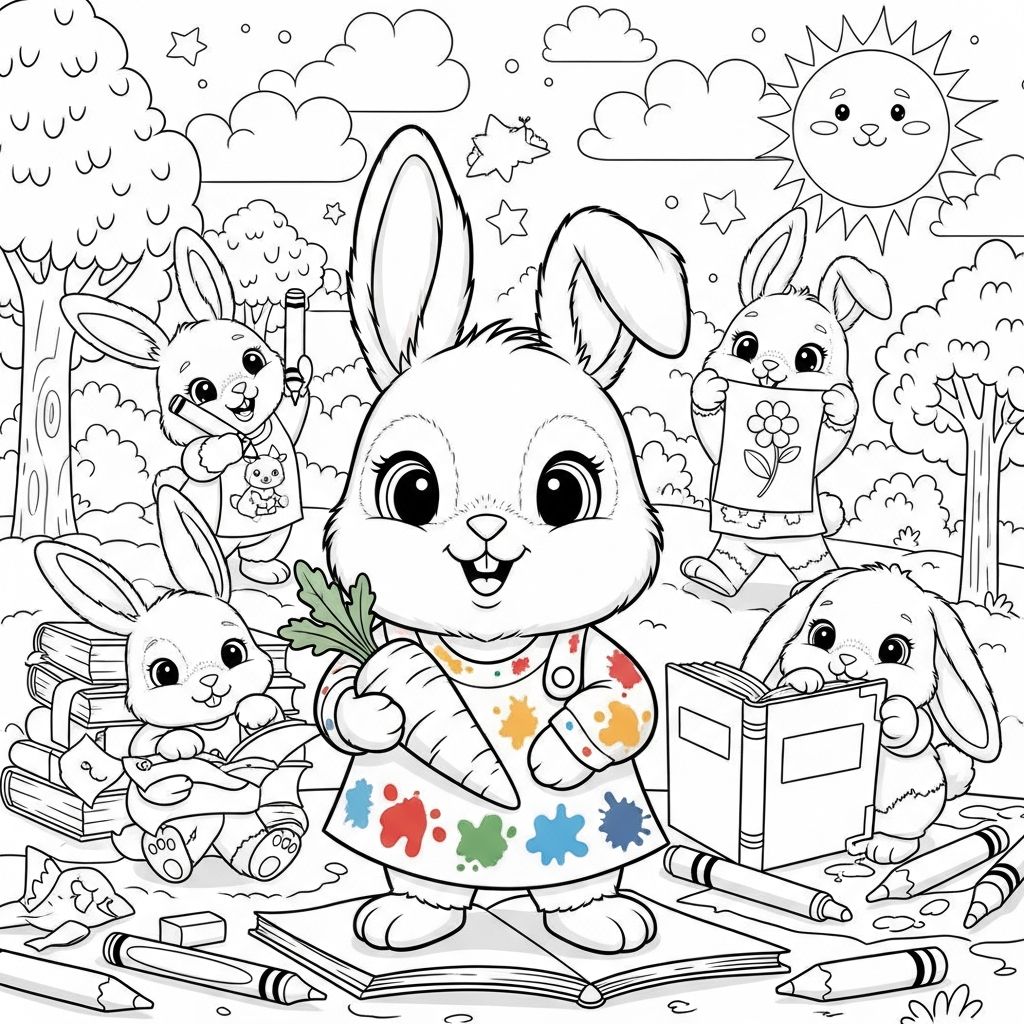
| Playful bunny scenes | Preschool to early elementary | Storytelling, small-group activities, rainy days | Bunnies interacting with flowers, clouds, or friends |
| Seasonal and holiday bunnies | All ages | Classroom parties, family gatherings, holiday prep | Easter eggs, spring gardens, cozy winter outfits |
| Detailed patterned rabbits | Older kids, teens, adults | Quiet focus time, mindfulness, decor projects | Mandala-style patterns, intricate fur lines, decorative borders |
Matching Bunny Pages to Age and Stage
Choosing age-appropriate bunny coloring pages keeps kids confident instead of frustrated. A toddler might enjoy a single large bunny, while an older child may crave more complex scenes and challenges.
Adjusting line thickness, page complexity, and the number of small elements helps you tailor the activity to each child’s current skill level.
Toddlers (Ages 1–3)
- Pick very simple bunnies with large, open areas to color.
- Offer chunky crayons or washable markers that are easy to hold.
- Focus on exploration, not staying within the lines or using “correct” colors.
Preschoolers (Ages 3–5)
- Introduce scenes with one or two bunnies plus a few flowers or clouds.
- Encourage experimenting with multiple colors on the same rabbit.
- Start gently talking about color names, shapes, and simple counting.
Early Elementary (Ages 6–8)
- Offer pages with more detailed settings like gardens, meadows, or picnic scenes.
- Challenge kids to add their own details such as butterflies, carrots, or friends.
- Invite them to create short stories or captions for their colored pages.
Older Kids, Teens, and Adults
- Use intricate bunny designs with patterns, fur textures, and decorative borders.
- Provide colored pencils or fine-tip markers for subtle shading and blending.
- Turn finished artwork into wall decor, cards, or gifts for younger siblings.
Creative Ways to Use Bunny Coloring Pages
Bunny images do not have to stay as loose sheets scattered on the table. With a little creativity, they can become crafts, learning tools, and keepsakes that extend the value of the time spent coloring.
The ideas below work well for families, homeschoolers, and classrooms looking to make more of simple printables.
Storytelling with Bunny Art
Once a child colors a bunny page, that picture can easily become the main character in a story. This invites kids to use language, sequencing, and imagination in a natural, playful way.
- Have children name their bunny and describe its favorite food or hobby.
- Ask guiding questions such as “Where is this bunny going?” or “Who are its friends?”
- Help older kids staple several colored pages together to make a short picture book.
Turning Pages into Crafts
Finished bunny coloring sheets can be repurposed into hands-on craft projects that decorate homes and classrooms. This reduces waste and gives kids a sense of pride when they see their art displayed.
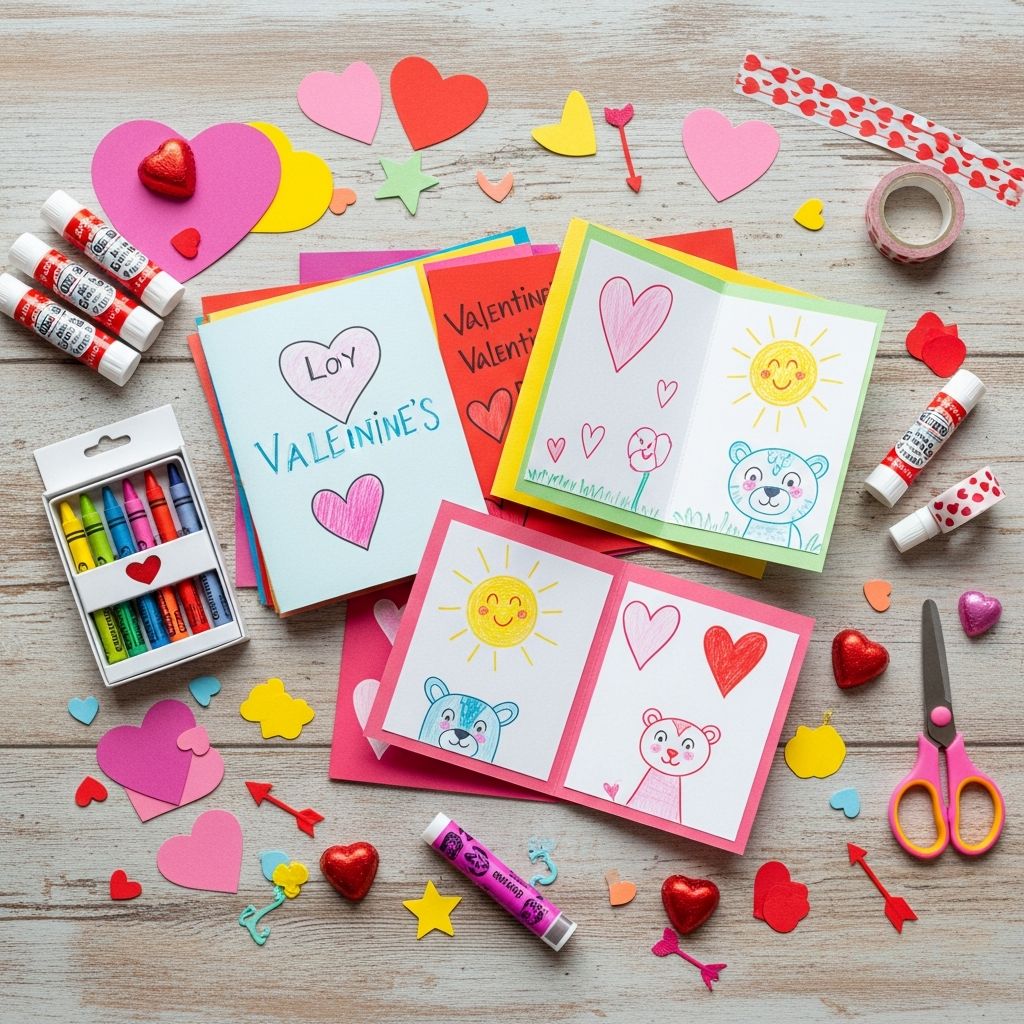
- Cut out bunnies and glue them onto folded cardstock to make greeting cards.
- Laminate pages to use as seasonal placemats or desk protectors.
- String several colored rabbits along a yarn line to create a festive banner.
Educational Activities with Bunny Themes
Bunny coloring pages can be easily combined with simple lessons to reinforce core skills. Because kids already enjoy the theme, they are often more willing to participate and try new tasks.
- Practice counting by adding carrots, eggs, or flowers for children to color and count.
- Introduce basic science by talking about where rabbits live, what they eat, and how they move.
- Explore color mixing by encouraging kids to layer two colors to create a new shade on the bunny’s fur.
Seasonal Bunny Coloring Ideas
Rabbits naturally fit into many seasonal celebrations and themes, making them a flexible choice year-round. A single bunny outline can be adapted simply by changing accessories, backgrounds, or color schemes.
Below are some easy ways to connect bunny pages to different times of the year.
Spring and Easter Themes
- Add pastel eggs, baskets, and blooming flowers around the bunny.
- Use light greens, yellows, pinks, and blues to create a fresh spring feeling.
- Host a mini “coloring party” as part of an egg hunt or family brunch.
Summer and Outdoor Play
- Place the bunny at the beach, in a park, or on a picnic blanket.
- Include objects like sunglasses, kites, or ice cream cones for kids to color.
- Encourage children to draw their own summer scenery behind the rabbit.
Cozy Autumn and Winter Rabbits
- Give bunnies scarves, mugs of hot cocoa, or piles of leaves to jump in.
- Try warm color palettes for fall and cool blues and whites for winter scenes.
- Use these pages as calm, indoor activities during chilly or snowy days.
Practical Tips for Parents and Teachers
A little preparation goes a long way in keeping bunny coloring sessions smooth and stress-free. Organizing materials, setting expectations, and adapting to each child’s needs make the experience much more enjoyable.
These simple strategies can help both at home and in the classroom.
Setting Up a Coloring-Friendly Space
- Use a flat, well-lit surface with enough space for each child to spread out.
- Provide washable supplies and keep wipes or a damp cloth nearby for quick cleanups.
- Store pages and tools in labeled folders or bins so kids can help themselves.
Encouraging Without Pressuring
Adults sometimes unintentionally overwhelm children by correcting color choices or pointing out mistakes. With bunny coloring pages, the goal is joyful creativity, not perfection.
- Celebrate effort and imagination rather than staying inside the lines.
- Ask open-ended questions like “Tell me about your bunny” instead of offering criticism.
- Model relaxed coloring yourself so kids see that art is about enjoyment.
Making Coloring Inclusive
Every child approaches coloring differently. Some may rush, others may linger, and some may prefer watching before they try. Inclusive practices help each child feel welcome and capable.
- Offer a mix of simple and detailed bunny sheets at the same table.
- Provide adaptive tools such as thicker grips or slanted boards if needed.
- Allow kids to stop and start without forcing them to finish every page.
Frequently Asked Questions About Bunny Coloring Pages
Are bunny coloring pages only for Easter?
No. While rabbits appear often in spring and Easter celebrations, bunny coloring pages work well all year. By changing backgrounds, accessories, and colors, the same rabbit outline can fit summer, autumn, and winter themes just as easily as spring.
What supplies work best for young children?
For toddlers and preschoolers, thick, washable crayons or markers are usually the most practical choice. They are easier to grasp, less likely to break, and simpler to clean from tables and hands, which keeps the focus on fun rather than mess.
How can I make coloring more educational?
You can weave learning naturally into bunny coloring by counting objects on the page, naming colors, or asking children to tell a story about their rabbit. Simple add-ons like labeling parts of the bunny or discussing where rabbits live can also support early literacy and science skills.
What if my child gets frustrated coloring inside the lines?
Frustration often means the page is too detailed for their current skill level or expectations feel too strict. Try offering simpler bunny outlines, praise their effort, and remind them that coloring is about exploration, not perfect results.
Can adults enjoy bunny coloring pages too?
Yes. Many adults find detailed rabbit designs relaxing and use them as a form of stress relief. Coloring alongside children can also become a shared ritual that strengthens connection while modeling lifelong creativity.
Making the Most of Bunny Coloring Time
Bunny coloring pages provide an easy, low-cost way to entertain and teach children without relying on screens. When combined with storytelling, crafts, and thoughtful conversation, they become a powerful tool for nurturing creativity, patience, and connection.
Whether you’re planning a classroom activity, a family holiday gathering, or a quiet afternoon at home, a stack of rabbit coloring sheets and a few simple supplies can open the door to hours of gentle, imaginative play.