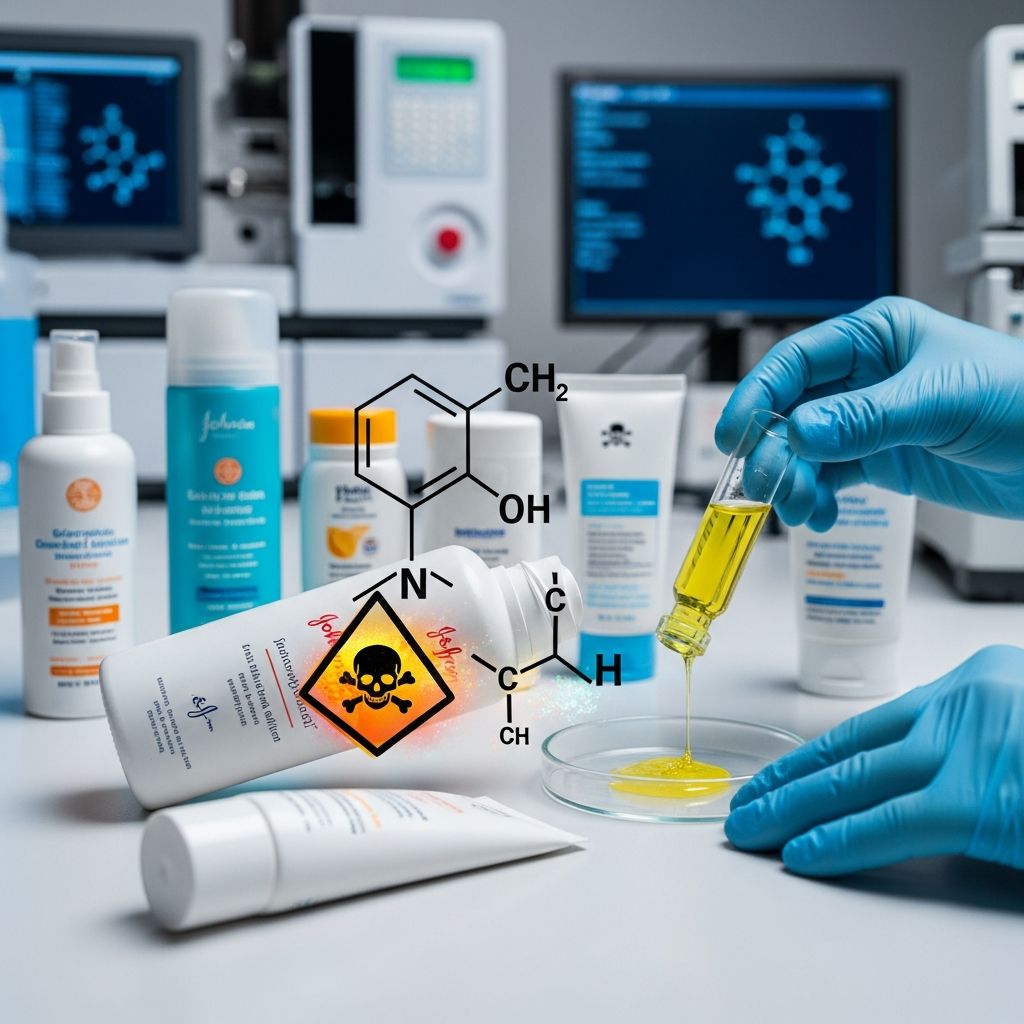
Protecting skin from UV rays is essential, but recent discoveries have raised alarms about certain popular sunscreens. In 2021, Johnson & Johnson Consumer Inc. initiated a voluntary recall of several aerosol sunscreen products from its Neutrogena and Aveeno brands after internal testing revealed traces of benzene, a substance classified as a carcinogen. This action underscores the importance of rigorous quality control in personal care items, especially those applied daily by families.
Understanding the Contamination Issue
Benzene is a volatile organic compound used in industries like plastics and rubber production, but it has no place in sunscreens. The U.S. Food and Drug Administration (FDA) and Environmental Protection Agency (EPA) set strict limits on its presence in consumer products due to its links to leukemia and other blood cancers with prolonged exposure. Johnson & Johnson emphasized that benzene is not an intended ingredient in their formulas, and the detected levels were low based on their exposure modeling.
The recall was prompted by independent lab findings and the company’s own tests, which identified benzene in some aerosol cans. Aerosol formats pose unique risks because users inhale particles during application, potentially increasing internal exposure compared to lotions or creams.
Affected Products: Complete List
The recall covered all lots of five specific aerosol sunscreens, distributed nationwide through major retailers. These products were marketed for everyday use, including beach days and sports activities. Here’s the detailed list:
- NEUTROGENA® Beach Defense® aerosol sunscreen
- NEUTROGENA® Cool Dry Sport® aerosol sunscreen
- NEUTROGENA® Invisible Daily™ defense aerosol sunscreen
- NEUTROGENA® Ultra Sheer® aerosol sunscreen
- AVEENO® Protect + Refresh® aerosol sunscreen
Only aerosol versions were impacted; non-spray formulas from these brands remained unaffected.
Health Implications of Benzene Exposure
Benzene exposure primarily occurs through inhalation, skin absorption, or ingestion. Short-term effects include dizziness, headaches, and irritation, while long-term risks involve bone marrow damage and increased cancer rates. The International Agency for Research on Cancer (IARC) classifies benzene as Group 1 carcinogenic to humans.
Johnson & Johnson stated that, per EPA frameworks, daily use at detected levels would not likely cause harm. However, out of caution, they recalled everything. Independent tester Valisure reported levels exceeding FDA daily allowances in some samples, sparking debates on safety thresholds.
| Exposure Route | Potential Effects | Risk Level in Sunscreens |
|---|---|---|
| Inhalation (Aerosol) | Respiratory irritation, systemic absorption | Higher due to spray mechanism |
| Skin Contact | Dermal absorption | Moderate |
| Long-term | Cancer risk (leukemia) | Low per company tests |
Company Response and Investigation
On July 14, 2021, Johnson & Johnson issued a press release announcing the consumer-level recall. They urged users to stop applying the products, dispose of them properly, and contact their Consumer Care Center at 1-800-458-1673 for refunds. Retailers and distributors were notified for returns.
The company is probing manufacturing processes, suspecting contamination from propellants or packaging in aerosol production. No definitive cause has been publicly confirmed, but the issue appears isolated to these sprays.
Consumer Actions: What to Do Next
If you have these products:
- Stop using immediately: Even remnants pose risks.
- Discard safely: Do not puncture aerosol cans; follow local hazardous waste guidelines.
- Seek refunds: Call 1-800-458-1673 or visit J&J’s site.
- Consult professionals: If concerned about exposure, speak to a doctor.
Parents should check medicine cabinets and beach bags, as these were popular family choices.
Broadening Sunscreen Safety Concerns
This incident follows Valisure’s 2021 petition to the FDA, which tested 294 sunscreens and found benzene in 78, including non-recalled items. Levels varied, with some far above 2 parts per million (ppm) FDA limits for oral drugs. While sunscreens are topical, inhalation risks prompted calls for tighter regulations.
Other brands like Coppertone and Banana Boat faced scrutiny, but J&J’s recall was among the largest. By 2026, ongoing lawsuits allege inadequate warnings and seek compensation for users.
Choosing Safer Sun Protection Options
Sunscreen remains vital against skin cancer, per CDC guidelines: apply SPF 30+ broad-spectrum daily. Opt for:
- Mineral-based: Zinc oxide or titanium dioxide (less absorption).
- Lotions/creams: Avoid sprays for kids under 6.
- Recent certifications: EWG Verified or FDA-compliant.
Reapply every 2 hours, seek shade, and wear protective clothing. Check FDA recall lists regularly.
Legal Ramifications and Ongoing Litigation
Hundreds of lawsuits claim J&J knew or should have known about benzene risks. Plaintiffs cite Valisure data and allege negligence in supply chains. As of 2026, cases consolidate in multidistrict litigation, focusing on economic losses and health claims. No major settlements reported yet.
Consumers harmed may pursue compensation via law firms specializing in product liability.
Regulatory Oversight and Future Prevention
The FDA classified this as a voluntary recall, not mandating action but monitoring compliance. Post-recall, agencies pushed for better testing of impurities in topicals. EPA’s benzene guidelines influenced J&J’s risk assessment.
Industry-wide, manufacturers now screen for contaminants more rigorously, with benzene thresholds under review.
Frequently Asked Questions (FAQs)
Why was benzene in these sunscreens?
Benzene likely contaminated aerosol propellants or during manufacturing; it’s not an ingredient.
Are the benzene levels dangerous?
J&J claims low risk based on modeling, but independents found elevated amounts prompting caution.
Which products are safe now?
Non-aerosol J&J sunscreens were unaffected; choose mineral lotions from verified brands.
Can I get a refund?
Yes, contact 1-800-458-1673 with proof of purchase.
Should I worry if I used these years ago?
Consult a healthcare provider for personalized advice on exposure history.
Lessons for Product Safety in Daily Essentials
This recall highlights vulnerabilities in supply chains and the need for transparency. While J&J acted swiftly, it eroded trust, emphasizing third-party testing. Families must prioritize verified products, balancing UV protection with purity. Ongoing vigilance ensures safer innovations ahead.
References
- Johnson & Johnson Sunscreen Lawsuit & Recall — Select Justice. 2025-04-01. https://www.selectjustice.com/sunscreen-lawsuit
- Johnson & Johnson Consumer Inc. Issues Voluntary Recall of Specific NEUTROGENA® and AVEENO® Aerosol Sunscreen Products Due to the Presence of Benzene — Johnson & Johnson. 2021-07-14. https://www.jnj.com/media-center/press-releases/johnson-johnson-consumer-inc-issues-voluntary-recall-of-specific-neutrogena-and-aveeno-aerosol-sunscreen-products-due-to-the-presence-of-benzene
- Johnson & Johnson Sunscreen Recall — Raleigh Legal Examiner. N/A. https://raleigh.legalexaminer.com/ben-whitley/home-family/johnson-johnson-sunscreen-recall/
- Johnson & Johnson Consumer Inc. Issues Voluntary Recall of Specific NEUTROGENA® and AVEENO® Aerosol Sunscreen Products — U.S. Food and Drug Administration (FDA). 2021-07-14. https://www.fda.gov/safety/recalls-market-withdrawals-safety-alerts/johnson-johnson-consumer-inc-issues-voluntary-recall-specific-neutrogenar-and-aveenor-aerosol
- J&J recalls spray sunscreens over Benzene traces — Audacy. N/A. https://www.audacy.com/wbbm780/news/national/j-and-j-recalls-spray-sunscreens-over-benzene-traces-2676425958
- Sunscreen Lawsuits | Neutrogena, Aveeno Recalled for Benzene — Consumer Notice. N/A. https://www.consumernotice.org/legal/sunscreen-lawsuits/