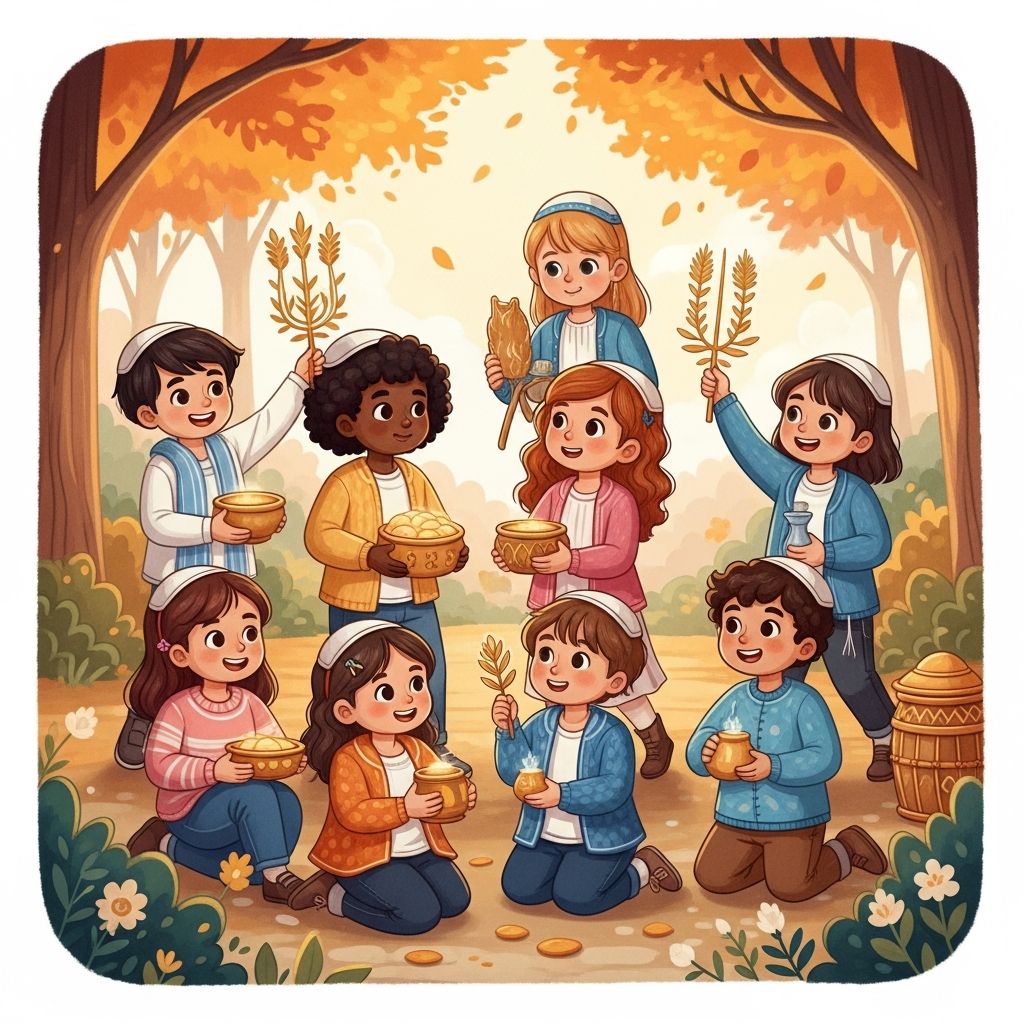
The Jewish High Holidays, Rosh Hashanah and Yom Kippur, offer families a special time for reflection, renewal, and celebration. These holidays mark the start of the Jewish New Year and emphasize personal growth and forgiveness. For children, introducing these concepts through stories, games, and sensory experiences makes them accessible and exciting.
Understanding the Jewish High Holidays
Rosh Hashanah, known as the Jewish New Year, begins the ten-day period called the Days of Awe, culminating in Yom Kippur, the Day of Atonement. Rosh Hashanah falls on the first day of Tishrei, a time to reflect on the past year and set intentions for the future. Families gather for prayers, festive meals, and rituals that symbolize sweetness and renewal. Yom Kippur follows, focusing on repentance, fasting, and seeking forgiveness to start fresh.
These holidays encourage everyone, including kids, to think about their actions, apologize when needed, and commit to being kinder. For young children, frame it as a ‘reset button’ for the new year, like cleaning a messy room to make space for new adventures.
Key Traditions of Rosh Hashanah for Families
Rosh Hashanah is filled with symbols that help children grasp its themes visually and through taste.
- Apples and Honey: Dipping apple slices in honey represents hopes for a sweet year ahead. Children can recite a simple blessing: ‘May it be Your will to grant us a year that is good and sweet.’ This tasty ritual is a highlight for kids.
- Round Challah: Unlike the usual braided bread, round challah symbolizes the cycle of life and the new year. Bless it with gratitude for abundance.
- Pomegranates: These fruits, with their many seeds, remind us of the 613 commandments in the Torah and wish for many good deeds.
- Shofar Blowing: The ram’s horn blast acts like a wake-up call, urging awareness and positive change. Kids love the loud, distinctive sounds—tekiah (long blast), shevarim (wailing), and teruah (short bursts).
In Sephardic traditions, families enjoy a seder with foods like beets, leeks, and dates, each symbolizing blessings such as prosperity or removal of enemies.
Age-Appropriate Ways to Teach Rosh Hashanah
Tailor explanations to your child’s age for better engagement.
| Age Group | Explanation Style | Activities |
|---|---|---|
| Preschool (3-5) | Simple stories about new beginnings, like a birthday for the world | Craft shofars from construction paper, taste apples and honey |
| Elementary (6-9) | Discuss reflection and kindness using everyday examples | Make honey jar decorations, practice shofar sounds with noisemakers |
| Tweens (10+) | Explore themes of judgment and free will through discussions | Journal goals for the year, participate in Tashlich (casting off sins into water) |
These approaches build understanding progressively.
Fun Family Activities and Crafts for Rosh Hashanah
Hands-on projects make learning memorable.
- Shofar Crafts: Roll paper into a horn shape, decorate with stickers, and ‘blow’ during play prayers. Explain its role as an alarm for goodness.
- Apple Stamping: Cut apples in half to stamp honey-dipped designs on paper, creating art that symbolizes sweetness.
- New Year Resolutions Tree: Draw a tree on poster board; kids add leaf cutouts with promises to be better friends or helpers.
- Tashlich Simulation: At a park, toss small pebbles or leaves into water while saying sorry for mistakes, washing them away.
Incorporate songs like ‘Dip the Apple in the Honey’ for sing-alongs that reinforce joy.
Preparing for Yom Kippur with Kids
Yom Kippur is more solemn, a day of fasting, prayer, and atonement. For children under 13 (or bar/bat mitzvah age), fasting isn’t required; instead, focus on lighter meals and reflection.
Teach kids to seek forgiveness from friends and family before the holiday. Role-play apologies: ‘I’m sorry for taking your toy without asking.’ This builds empathy. Services involve long prayers, but children’s programs often offer parallel activities like storytelling.
End Yom Kippur with breaking the fast—share simple foods like bagels and fruit. Emphasize the ‘sealing of fates’ as a positive reset.
Building Lasting High Holiday Traditions
Consistent rituals create identity and excitement. Host pre-holiday family meetings to plan meals and crafts. Attend synagogue together, explaining customs like the machzor prayer book.
For interfaith or less observant families, home-based activities suffice, blending with school schedules since many districts close for these days. Videos and online resources provide virtual shofar sounds or blessings for remote learning.
Encourage kids to lead parts, like blessing the challah, fostering ownership.
Common Questions from Children About the Holidays
Anticipate curiosities to deepen discussions.
- Why do we blow the shofar? It’s like a trumpet waking us up to be better people and fix the world.
- What if I can’t fast on Yom Kippur? Kids don’t have to; focus on being kind and sorry instead.
- Is Rosh Hashanah like my birthday? Sort of—it’s the world’s birthday, and we celebrate new chances.
- Why apples and honey? For a year as sweet as candy!
- What is Tashlich? Throwing bread crumbs in water to let go of bad things.
Recipes for High Holiday Meals Kids Can Help Make
Involve children in cooking to connect with traditions.
Easy Apples and Honey
- Slice crisp apples.
- Drizzle with honey.
- Sprinkle cinnamon for extra sweetness. Recite the blessing together.
Rosh Hashanah Challah
Use store-bought dough or a simple recipe: mix flour, yeast, water, eggs, and honey. Shape into rounds, bake golden. Kids can braid or decorate.
Post-Yom Kippur Break-Fast Salad
Chop cucumbers, tomatoes, and feta; dress lightly. A refreshing end to the fast.
Spiritual Lessons for Young Hearts
These holidays teach timeless values: reflection leads to growth, forgiveness heals relationships, and community strengthens us. By simplifying concepts—like God as a loving parent reviewing our year with kindness—children internalize hope and responsibility.
Share stories of the Akedah (Binding of Isaac), where the shofar commemorates faith, adapted gently for young ears.
Navigating Services with Children
Synagogues fill up, creating a festive buzz. Prepare kids with what to expect: special melodies, shofar, and quiet reflection. Bring snacks, books, or quiet toys. Many offer children’s services.
For virtual options, stream services and recreate rituals at home.
Extending the High Holidays Spirit
The ten days between holidays are for teshuvah (repentance). Practice daily kindness challenges, like complimenting a sibling or helping with chores. This bridges to everyday Jewish living.
References
- Rosh HaShanah Explained, for Families with Young Children — Reform Judaism. Accessed 2026. https://reformjudaism.org/jewish-holidays/rosh-hashanah/rosh-hashanah-explained-families-young-children
- Rosh Hashanah For Kids — 18Doors. Accessed 2026. https://18doors.org/rosh-hashanah-for-kids/
- What are the Jewish High Holidays? — BimBam. Accessed 2026. https://bimbam.com/judaism-101/high-holidays/
- Teaching Kids about the High Holidays — Aish. Accessed 2026. https://aish.com/teaching-kids-about-the-high-holidays/
- Rosh Hashanah – Exploring Its Meaning and Traditions — Miacademy (YouTube). Accessed 2026. https://www.youtube.com/watch?v=-Zzcm4D9xLU
Frequently Asked Questions (FAQs)
Q: How do I explain the shofar to toddlers?
A: Call it a special horn that wakes up our hearts to do good things, and let them make their own noisemakers.
Q: Are there crafts for Yom Kippur?
A: Yes, create forgiveness stones—paint rocks and ‘release’ them to symbolize letting go of mistakes.
Q: How to handle kids during long services?
A: Use family sections, short explanations, and activity bags with holiday-themed quiet toys.
Q: What if my child asks about fasting?
A: Explain it’s for grown-ups to focus; kids eat lightly and join in prayers and kindness instead.
Q: Can we celebrate without synagogue?
A: Absolutely—home rituals like meals, shofar, and Tashlich make it meaningful.