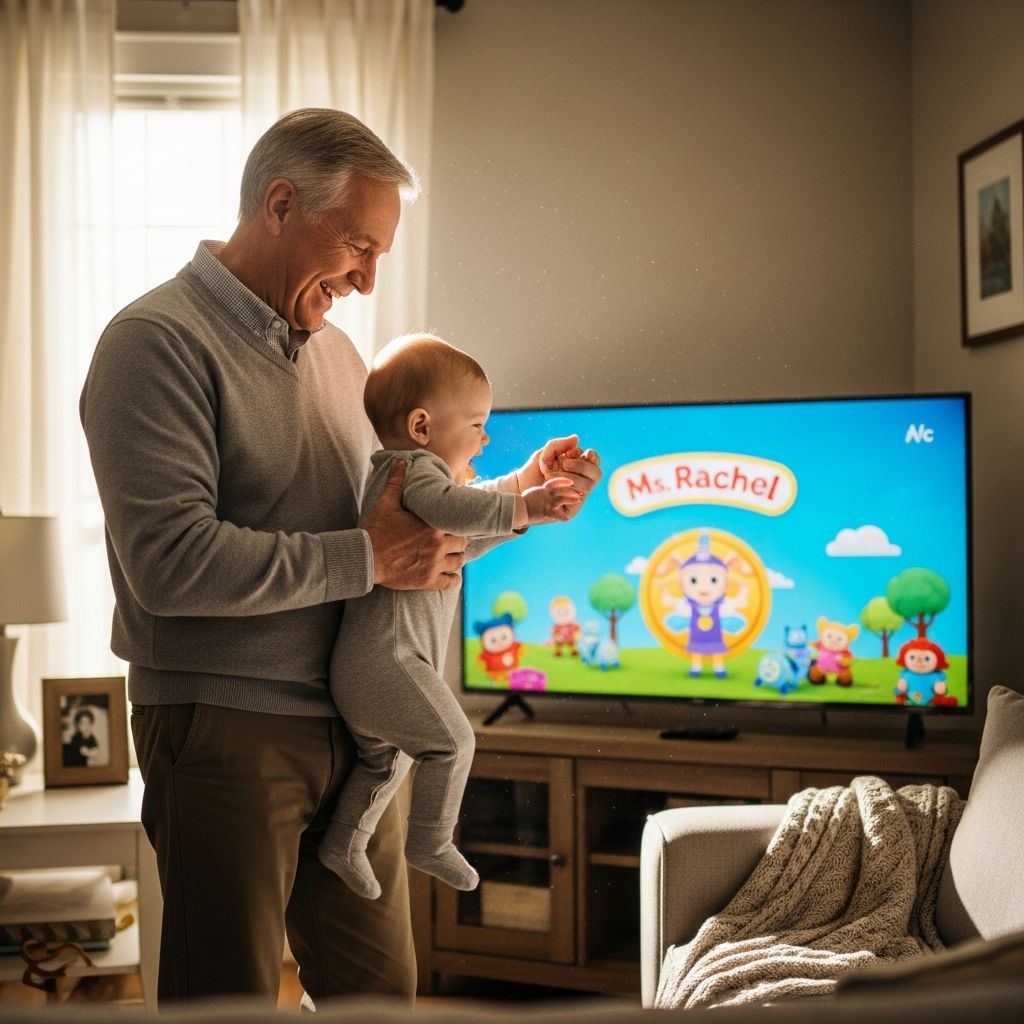
In the world of music and personal growth, few stories resonate as deeply as that of Jewel Kilcher, the Grammy-nominated artist known simply as Jewel. Rising from humble and harrowing beginnings, her life exemplifies the power of inner strength and deliberate self-healing. This article delves into her experiences with early-life adversity, the strategies she employed to reclaim her narrative, and the timeless lessons for parents aiming to nurture emotionally robust children.
Early Life Marked by Instability and Pain
Jewel’s childhood was anything but ordinary. Born in Utah and raised in Alaska, she grew up in a folk music family where performances were a family affair. Yet, beneath the harmonies lay profound disruptions. At the tender age of eight, her mother departed, leaving a void that echoed through her formative years. Her father, struggling with alcoholism, introduced an environment of unpredictability and harm. These elements created a backdrop of emotional turbulence that could have derailed a less determined spirit.
By 15, Jewel sought escape from this chaos, striking out on her own. At 18, homelessness became her reality—a stark testament to the instability she faced. Despite these odds, music remained her anchor. She honed her craft in coffeehouses and small venues, eventually releasing her breakthrough album Pieces of You at 20. This debut not only launched her into stardom but also became a vessel for processing her pain through lyrics that captured universal struggles.
The Surge of Fame Amid Personal Turmoil
Sudden fame amplified Jewel’s challenges. Overnight success thrust her into the spotlight, demanding she manage public scrutiny while privately wrestling with unresolved trauma. Paparazzi, industry pressures, and the isolation of celebrity life tested her resilience. Yet, Jewel turned inward, developing self-taught methods to address her emotional scars. She recognized that external achievements alone could not mend internal fractures.
This period marked a pivotal shift. Jewel began exploring mindfulness, journaling, and cognitive reframing—tools that helped her dissect and rebuild her sense of self. Her journey illustrates a critical truth: healing is not linear but a lifelong commitment, especially under the glare of public eyes.
Self-Directed Strategies for Emotional Recovery
What sets Jewel’s story apart is her proactive approach to healing without formal therapy in her early years. She immersed herself in philosophy, psychology books, and meditation practices. Key among her discoveries was the practice of emotional granularity—the ability to precisely name and understand one’s feelings. This skill, now backed by modern neuroscience, allows individuals to process emotions rather than suppress them.
- Journaling for Clarity: Daily writing helped Jewel identify patterns in her reactions, tracing them back to childhood triggers.
- Mindfulness Meditation: Regular sessions grounded her, reducing reactivity to stressors.
- Boundary Setting: Learning to say no protected her energy, a lesson hard-won in the music industry.
- Creative Expression: Songwriting transformed pain into art, providing catharsis and connection with fans.
These methods empowered her to interrupt cycles of self-doubt and fear inherited from her upbringing.
Insights from Research on Childhood Adversity
Jewel’s experiences align with extensive studies on adverse childhood experiences (ACEs). The CDC’s landmark ACE Study reveals that events like parental abandonment and abuse correlate with long-term health risks, including depression and heart disease. However, resilience factors—such as supportive relationships or personal agency—can mitigate these effects.
| ACE Category | Potential Long-Term Impact | Resilience Builder |
|---|---|---|
| Parental Separation | Anxiety, attachment issues | Secure relationships later in life |
| Household Substance Abuse | Addiction risk, trust erosion | Mindfulness practices |
| Emotional Abuse | Low self-worth, PTSD | Therapy and self-compassion |
Building on this, Jewel advocates for early intervention, emphasizing that parents can model healthy coping to prevent intergenerational transmission.
Parenting Through the Lens of Lived Trauma
As a mother herself, Jewel applies her wisdom to raise her son with intention. She prioritizes emotional literacy, teaching him to articulate feelings from a young age. Bedtime routines include discussions about the day’s highs and lows, fostering openness. This contrasts sharply with her own childhood silences.
Practical tips from her playbook include:
- Creating safe spaces for vulnerability without judgment.
- Modeling accountability—admitting parental mistakes to normalize imperfection.
- Encouraging play and creativity as outlets for expression.
- Limiting screen time to promote real-world connections.
Her approach underscores that healed parents raise healed children, breaking chains of dysfunction.
Broader Implications for Modern Families
In today’s fast-paced world, childhood trauma manifests in subtler forms: digital overload, academic pressure, and social media comparisons. Jewel’s story reminds us that resilience is cultivated through presence and empathy. Programs like trauma-informed schooling, now adopted in many districts, echo her emphasis on understanding root causes over punitive measures.
Moreover, her advocacy extends to mental health accessibility. Through initiatives like her Inspiring Children Foundation, she promotes arts-based therapy, proving creative outlets rival traditional interventions in efficacy.
Overcoming Obstacles: Jewel’s Enduring Lessons
Reflecting on her path, Jewel stresses perseverance. Homelessness taught her resourcefulness; fame, humility. She warns against romanticizing struggle, noting healing requires work. Yet, her optimism shines: “Pain is inevitable, but suffering is optional.” This mantra guides her ongoing growth.
For those navigating similar waters, she recommends starting small—five minutes of daily reflection can spark transformation. Community support, whether through groups or online forums, amplifies individual efforts.
Frequently Asked Questions (FAQs)
What inspired Jewel to share her childhood story publicly?
Jewel opened up to destigmatize trauma, showing that vulnerability can lead to strength and connection with others facing similar challenges.
Can self-healing replace professional therapy?
Self-healing tools complement therapy but don’t replace it, especially for severe trauma. Jewel now integrates both approaches.
How does Jewel teach resilience to her child?
Through emotional check-ins, creative play, and modeling healthy boundaries, ensuring he feels seen and secure.
What role did music play in Jewel’s recovery?
Music served as therapy, allowing her to externalize pain and build a career while processing emotions.
Are there books Jewel recommends for parents?
Yes, works on emotional intelligence like Daniel Goleman’s Emotional Intelligence and mindfulness guides align with her practices.
Empowering the Next Generation
Jewel’s trajectory from adversity to advocacy offers a blueprint for transformation. By confronting past wounds head-on, she not only reclaimed her life but also lights the way for parents and children alike. In a society grappling with rising mental health concerns, her message is clear: resilience is learnable, healing is possible, and every story holds potential for redemption. Parents equipped with awareness and tools can steer their families toward brighter horizons, proving that from broken pieces, wholeness emerges.
References
- Adverse Childhood Experiences (ACEs) Vital Statistics — Centers for Disease Control and Prevention. 2024-05-20. https://www.cdc.gov/violenceprevention/aces/index.html
- Emotional Intelligence: Why It Can Matter More Than IQ — Daniel Goleman, Bantam Books. 2020-10-15. https://www.penguinrandomhouse.com/books/155038/emotional-intelligence-by-daniel-goleman/
- The Body Keeps the Score: Brain, Mind, and Body in the Healing of Trauma — Bessel van der Kolk, Penguin Books. 2021-08-17. https://www.penguinrandomhouse.com/books/221285/the-body-keeps-the-score-by-bessel-van-der-kolk-md/
- Resilience: The Science of Mastering Life’s Greatest Challenges — Steven Southwick and Dennis Charney, Cambridge University Press. 2023-02-14. https://www.cambridge.org/core/books/resilience/9781009299749
- Mindfulness-Based Interventions for Trauma Recovery — National Institute of Mental Health. 2025-01-10. https://www.nimh.nih.gov/health/topics/trauma-and-stress