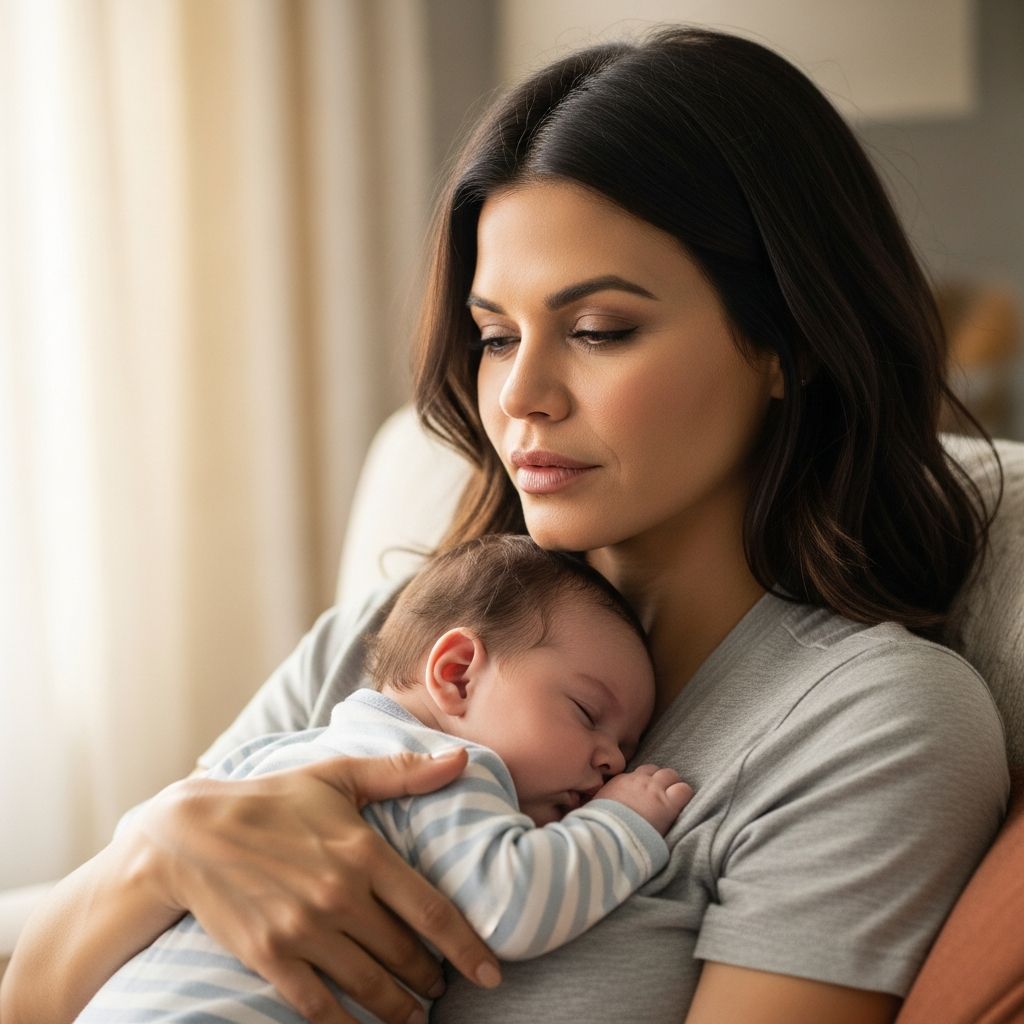
Postpartum anxiety affects many new mothers, manifesting as overwhelming worry, restlessness, and physical symptoms that disrupt daily life. Actress and dancer Jenna Dewan has openly shared her personal battles with this condition, shedding light on the unique pressures faced by working parents in the entertainment industry.
Understanding the Silent Struggle of New Motherhood
The transition to motherhood brings profound joy but also significant challenges, particularly for mental health. Postpartum anxiety, distinct from postpartum depression, involves excessive fear about the baby’s well-being, parenting abilities, or personal safety. According to health authorities, it impacts up to 10-20% of new mothers, often exacerbated by sleep deprivation, hormonal shifts, and external stressors like returning to work.
Jenna Dewan’s experience exemplifies how these factors converge. After giving birth to her daughter Everly in 2013, she faced intense demands just weeks later. Traveling internationally for filming while managing newborn care led to relentless fatigue and emotional turmoil. She described a period of non-stop activity: nighttime feedings followed by long workdays, breastfeeding on set, and pumping without adequate support from her partner, who was committed to his own professional obligations abroad.
Jenna Dewan’s First Postpartum Experience: A Perfect Storm
Dewan’s account reveals the raw reality of early motherhood under pressure. Mere weeks postpartum, she relocated from London to Canada for a demanding shoot. With her baby in tow and a doula providing some assistance, the absence of her then-husband Channing Tatum—busy on another continent—intensified the isolation. “I just never stopped,” she recounted, capturing the exhaustion of juggling infant care with professional responsibilities.
This relentless pace triggered severe postpartum anxiety. Symptoms included persistent worry, inability to relax, and a sense of chaos that permeated every moment. Dewan emphasized that this was not a criticism of her ex-partner but a reflection on the broader challenges of co-parenting amid clashing schedules in high-profile careers. Her story underscores how even with resources like doulas, the lack of consistent partner presence can amplify vulnerability.
Contrasting Journeys: Lessons from a Second Child
Dewan’s second childbirth offered a stark contrast, influenced by unforeseen global events. Welcoming her son Callum in 2020 coincided with the COVID-19 lockdown, halting her work commitments. This forced pause allowed undivided focus on family bonding and recovery, free from career pressures. Without the bandwidth for professional demands, she prioritized rest and connection, avoiding the mental health pitfalls of her first experience.
Though the pandemic brought its own fears, Dewan reported no postpartum anxiety this time. This comparison highlights environmental factors’ role: reduced external stressors fostered resilience. It illustrates how circumstances like work demands can tip the scales toward mental health struggles or stability.
Recognizing Symptoms: Key Indicators of Postpartum Anxiety
Identifying postpartum anxiety early is crucial for intervention. Common signs include:
- Constant racing thoughts about infant safety or parenting mistakes.
- Physical manifestations like heart palpitations, shortness of breath, or muscle tension.
- Irritability, restlessness, or difficulty concentrating.
- Sleep disturbances despite exhaustion, often due to worry rather than the baby’s needs.
- Avoidance of social situations or overwhelming dread about routine tasks.
Unlike general stress, these persist beyond the initial adjustment period, lasting weeks or months. Dewan’s rapid weight loss, insomnia, and inability to eat mirror severe cases reported in clinical studies.
Risk Factors Amplified for Working Mothers
Certain groups face heightened risks, particularly those balancing careers. High-achieving women like Dewan, accustomed to control and productivity, may struggle with the unpredictability of infancy. Additional factors include:
| Risk Factor | Impact on New Moms |
|---|---|
| Return to work soon after birth | Disrupts recovery, increases fatigue |
| Lack of partner support | Heightens isolation and overload |
| History of anxiety disorders | Predisposes to postpartum recurrence |
| Perfectionism or high expectations | Fuels self-doubt and guilt |
| Sleep deprivation | Impairs emotional regulation |
Working mothers in demanding fields like entertainment encounter unique hurdles, such as irregular hours and travel, mirroring Dewan’s challenges.
Strategies for Support and Recovery
Managing postpartum anxiety requires a multi-faceted approach. Dewan later emphasized boundaries, distinguishing empathy from codependency. Practical steps include:
- Professional Help: Therapy like cognitive-behavioral therapy (CBT) effectively rewires anxious thought patterns.
- Medication: Selective serotonin reuptake inhibitors (SSRIs) safe for breastfeeding, per medical guidelines.
- Lifestyle Adjustments: Prioritize sleep through shared night duties, nutritious meals, and short walks.
- Social Support: Lean on partners, family, doulas, or mom groups to share the load.
- Mindfulness Practices: Meditation and breathwork reduce physiological symptoms.
Dewan’s growth involved embracing discomfort to set limits, fostering healthier relationships and self-care.
Building a Supportive Partner Dynamic
Effective co-parenting mitigates risks. Partners should actively share newborn duties, attend medical appointments, and validate emotions. Dewan’s reflection on partner unavailability highlights communication’s importance—discussing schedules pre-birth prevents postpartum surprises. Education via classes or books equips both parents for equitable involvement.
Long-Term Mental Health: Beyond the Fourth Trimester
Postpartum anxiety can linger, evolving into chronic worry if unaddressed. Dewan’s year-long recovery journey stresses persistence. Regular check-ins with healthcare providers ensure ongoing monitoring. Many mothers report empowerment post-treatment, emerging more resilient.
Shattering Stigma: Advocacy and Awareness
Celebrities like Dewan play a vital role in normalization. By sharing vulnerably, she sparks conversations, encouraging others to seek help without shame. Media coverage amplifies these narratives, pushing for better maternal mental health resources.
Frequently Asked Questions (FAQs)
What is the difference between postpartum anxiety and postpartum depression?
Postpartum anxiety centers on excessive worry and physical agitation, while depression involves persistent sadness, hopelessness, and low energy. Both can coexist, requiring professional assessment.
How soon after birth can postpartum anxiety start?
Symptoms often emerge within the first few weeks but can develop up to a year postpartum.
Is postpartum anxiety treatable while breastfeeding?
Yes, many treatments like therapy and select medications are compatible; consult a healthcare provider for personalized options.
Can fathers experience postpartum anxiety?
Absolutely—paternal postpartum anxiety affects about 10% of new fathers, with similar symptoms.
How can partners best support a mom with postpartum anxiety?
Take initiative on chores and baby care, listen without judgment, and encourage professional help.
Empowering New Mothers: A Call to Prioritize Wellness
Jenna Dewan’s journey illuminates postpartum anxiety’s realities, urging systemic changes like extended leave and mental health screenings. By fostering open dialogue and accessible care, society can better support mothers’ thriving.
References
- Postpartum Anxiety: Causes, Symptoms, and Treatment — Centers for Disease Control and Prevention (CDC). 2024-05-15. https://www.cdc.gov/reproductivehealth/maternalinfanthealth/postpartum-anxiety.htm
- Perinatal Mental Health — American College of Obstetricians and Gynecologists (ACOG). 2025-02-10. https://www.acog.org/womens-health/faqs/perinatal-mental-health
- Jenna Dewan on Postpartum Anxiety After Giving Birth to Daughter — ABC News. 2021-08-24. https://abcnews.go.com/GMA/Culture/jenna-dewan-dealt-postpartum-anxiety-birth-1st-child/story?id=79237856
- Postpartum Anxiety and Depression: Screening and Treatment — National Institute of Mental Health (NIMH). 2023-11-08. https://www.nimh.nih.gov/health/topics/perinatal-depression
- Jenna Dewan Gets Candid About Postpartum Anxiety — Entertainment Tonight (YouTube). 2021-08-23. https://www.youtube.com/watch?v=gTLHU4BW6pM