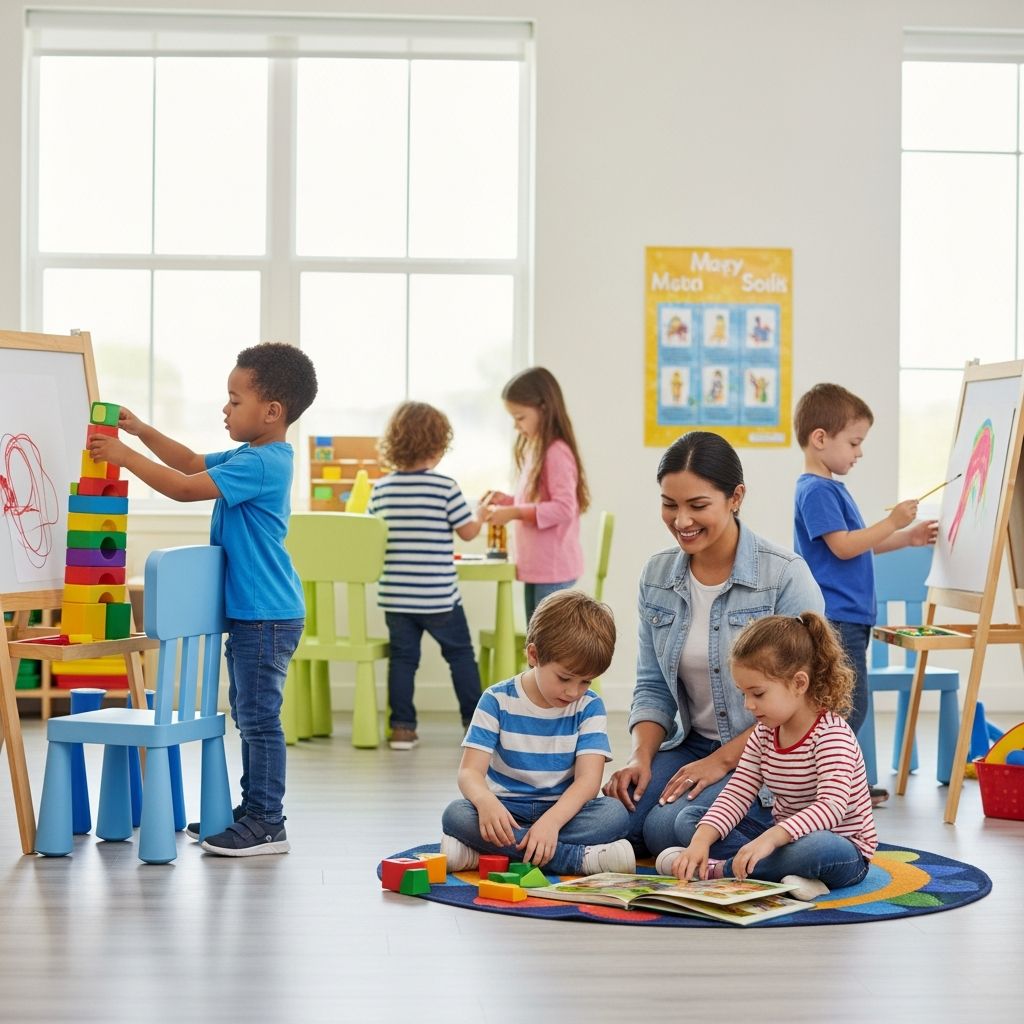
Choosing a preschool marks a pivotal moment in your child’s educational journey, setting the stage for cognitive, social, and emotional growth. With numerous options available, parents must evaluate programs based on quality indicators like staff expertise, environment, and alignment with family values to foster a positive start.
Defining Your Child’s Educational Needs
Begin by reflecting on your child’s temperament, strengths, and areas for growth. Consider whether they thrive in structured settings or prefer exploratory play. Programs should support skills such as following directions, sharing, and basic literacy recognition. Identify priorities like proximity to home or work, budget constraints, and schedule compatibility to narrow options effectively.
Exploring Diverse Learning Approaches
Preschools adopt varied philosophies, each emphasizing different aspects of development. Montessori programs promote child-led discovery with hands-on materials, encouraging independence. Reggio Emilia-inspired settings view children as capable learners, integrating art and community projects. Waldorf methods focus on holistic growth through imaginative play and rhythm. Traditional academic models prioritize early literacy and math skills. Select an approach that resonates with your vision for learning.
- Montessori: Self-directed activities in prepared environments.
- Reggio Emilia: Project-based, child-initiated explorations.
- Waldorf: Emphasis on creativity, nature, and arts.
- Play-Based: Free play driving social and cognitive skills.
- Academic-Focused: Structured lessons for school readiness.
Research shows play-based learning enhances personal, social-emotional, and cognitive development, making it vital in any quality program.
Evaluating Staff Qualifications and Training
Qualified educators form the backbone of excellent preschools. Inquire about credentials in early childhood education, ongoing professional development, and certifications like CPR. Teachers should demonstrate warmth, patience, and engagement without resorting to yelling or negative behaviors. Positive relationships build trust, essential for early learning. Observe interactions during visits to gauge attentiveness and enthusiasm.
| Staff Aspect | Key Questions | Ideal Indicators |
|---|---|---|
| Credentials | What degrees or certifications do teachers hold? | Early childhood education degrees, state licensing. |
| Training | How often is professional development provided? | Annual workshops on child development and safety. |
| Turnover | What is the staff retention rate? | Low turnover for consistent relationships. |
| Background | Are background checks conducted? | Comprehensive checks for all staff. |
Assessing Class Sizes and Ratios
Optimal teacher-child ratios ensure individualized attention. Aim for 1:10 or lower for preschoolers, as smaller groups promote better outcomes in emotional security and instruction. The American Academy of Pediatrics endorses low ratios for stronger teacher-student bonds. Larger groups may dilute focus, hindering development.
Inspecting Facilities and Safety Protocols
A safe, stimulating space is non-negotiable. Check for clean, age-appropriate classrooms with diverse toys, books, and materials reflecting inclusivity. Outdoor areas should be secure and utilized daily. Verify licensing, safety procedures, and emergency preparedness. Observe if children appear happy, engaged, and actively participating.
- Clean, hazard-free indoor and outdoor spaces.
- Secure entry/exit procedures.
- Nutritious snack/lunch options or policies.
- Limited screen time, favoring interactive play.
Understanding Daily Routines and Curriculum
Quality programs balance structure and flexibility. Daily schedules often include circle time, guided activities, free play, outdoor time, and meals. Free play remains crucial for development. Review curriculum details: Does it incorporate hands-on learning centers, music, PE, or science? Ensure alignment with kindergarten readiness skills like letter recognition and social cooperation.
Verifying Accreditation and Licensing
Accreditation by bodies like NAEYC signals adherence to rigorous standards in education, safety, and operations. Licensing confirms compliance with state regulations on staffing and health. Prioritize both for assured quality.
Practical Logistics: Cost, Hours, and Communication
Factor in tuition, fees, and required supplies. Confirm hours match your schedule, including extended care options. Strong parent-teacher communication via apps, newsletters, or portals builds partnership. Drop-off/pick-up policies should prioritize safety.
Conducting Thorough Visits and Observations
Schedule tours during active hours. Watch for engaged children, calm teachers, and smooth transitions. Trust instincts: Does the atmosphere feel welcoming? Speak with current parents if possible.
Frequently Asked Questions
What age is best to start preschool?
Typically 3-4 years, but part-time options suit younger toddlers. Assess readiness through social skills and separation comfort.
How do I know if a preschool is high-quality?
Look for accreditation, low ratios, qualified staff, and engaged learning environments.
Should I prioritize academics or play?
Balance both; play drives development while building foundational skills.
What if my child has special needs?
Seek inclusive programs with support plans and experienced staff.
How early should I start searching?
6-12 months ahead, as spots fill quickly.
Final Steps to Enrollment
Compile a shortlist, revisit favorites, and involve your child. Review policies thoroughly before committing. The right preschool nurtures joy in learning, preparing children for future success.
References
- How to Choose a Quality Preschool: A Parent’s Guide — Pathways LA. 2023. https://pathwaysla.org/how-to-choose-a-quality-preschool-a-parents-guide/
- 5 Tips for Choosing the Right Preschool — Benchmark School. 2022-10-01. https://www.benchmarkbobcats.org/apps/news/article/1921032?categoryId=23102
- How to choose the best preschool for your child — Famly. 2024. https://www.famly.co/us/blog/must-ask-questions-choosing-the-right-preschool
- How to Choose the Right Preschool Program — MY Y. 2023. https://myy.org/how-to-choose-the-right-preschool-program/
- Picking the right preschool for your child — Understood.org. 2024-01-15. https://www.understood.org/en/articles/picking-the-right-preschool-for-your-child
- Choosing the Right Preschool: 5 Questions Every Parent Should Ask — Ivybrook Academy. 2023. https://www.ivybrookacademy.com/questions-to-ask-when-choosing-a-preschool/
- 10 Must-Ask Questions and Tips on Choosing a Preschool — Johns Hopkins Medicine. 2022-06-20. https://www.hopkinsmedicine.org/health/wellness-and-prevention/10-must-ask-questions-and-tips-on-choosing-a-preschool