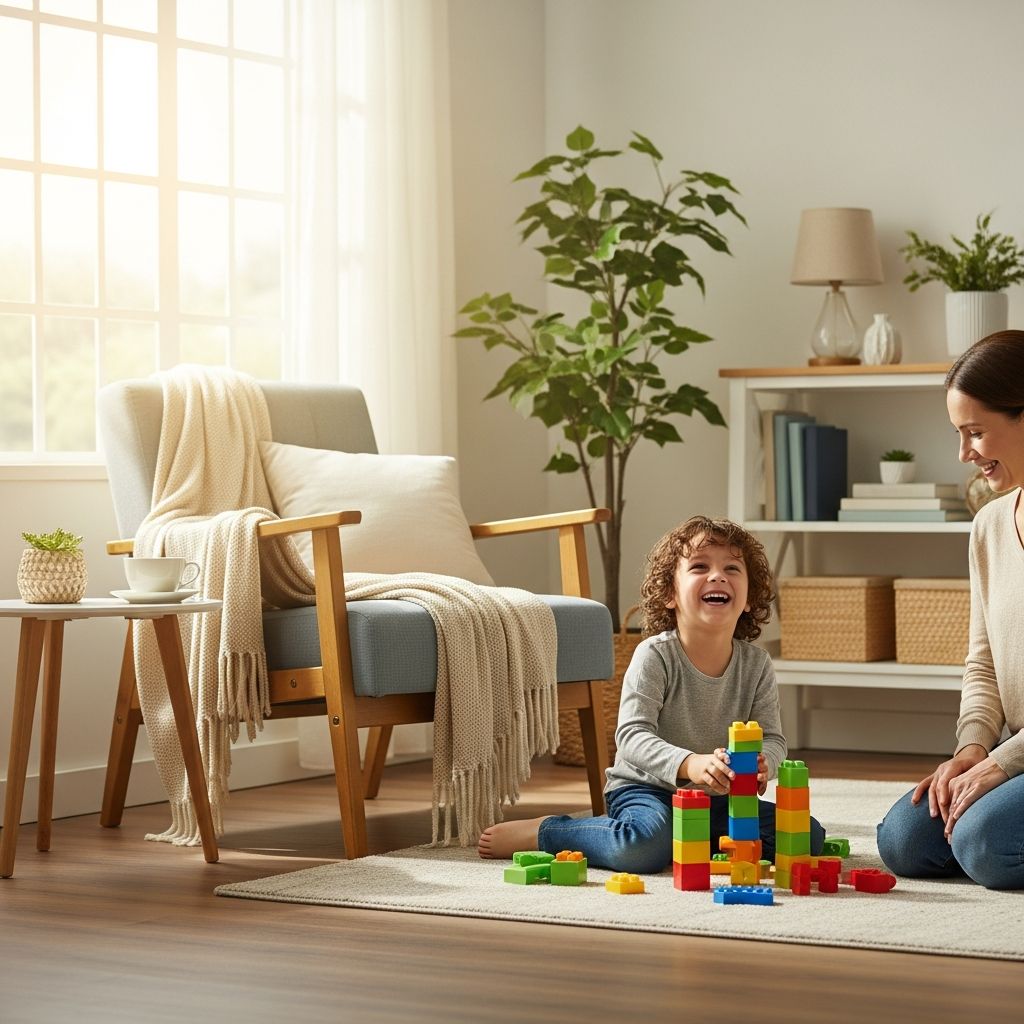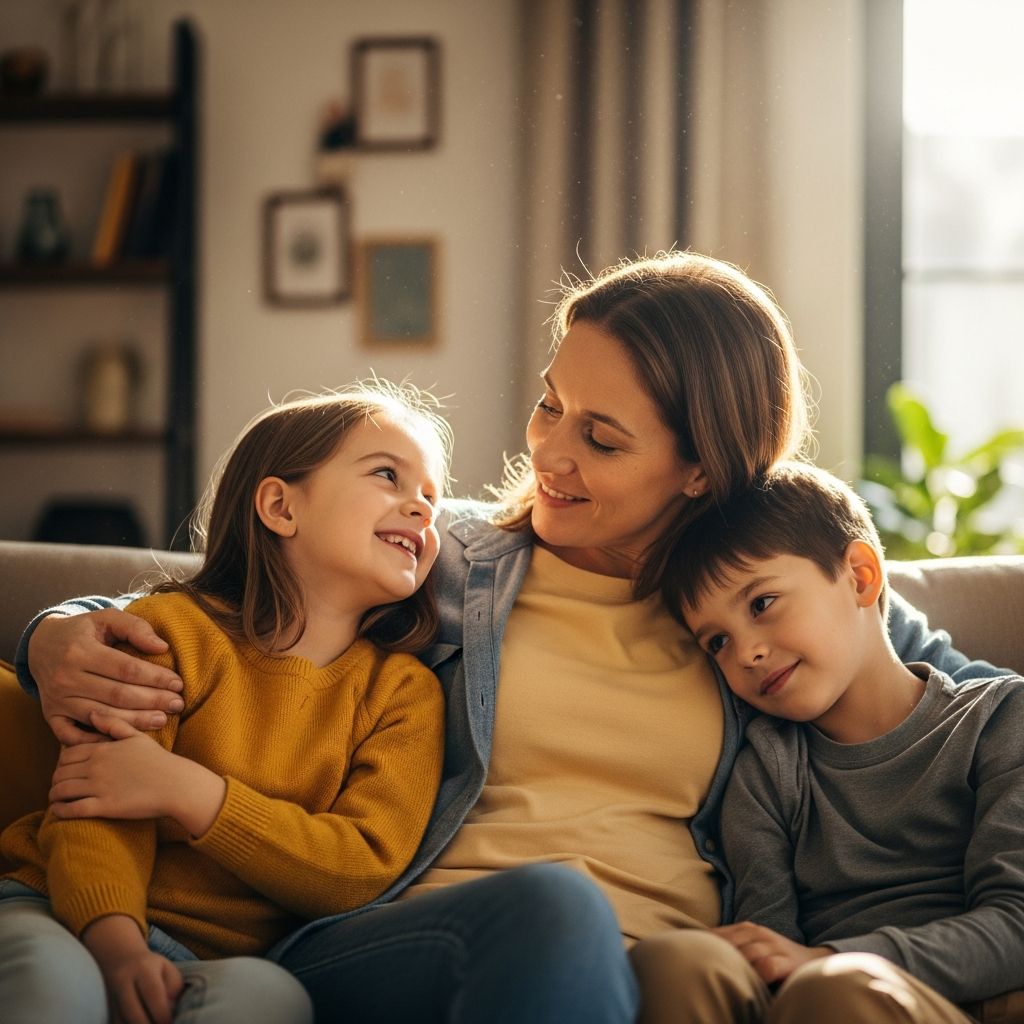
Parenting is a complex journey filled with unique connections to each child. When actress Jaime Pressly openly shared that her 12-year-old son Dezi is her \”favorite,\” it struck a chord—and a nerve—with many. Her candid Instagram post revealed a truth many parents feel but rarely voice: different children inspire different affections at different times. This article delves into the psychology behind parental favorites, real-life examples like Pressly’s, and practical advice for fostering harmony in multi-child families.
The Reality of Parental Preferences
It’s a taboo topic in parenting circles: admitting one child feels \”special\” over others. Yet, surveys and studies show it’s incredibly common. A 2015 study published in the Journal of Family Psychology found that 70% of mothers and 65% of fathers reported having a favorite child, often tied to temperament, shared interests, or life stage. Pressly echoed this when she explained her bond with Dezi stems from \”growing up together,\” as he was her first child from a previous relationship, now contrasting with her energetic two-year-old twins, Leo and Lenon.
These preferences aren’t static. They shift based on circumstances—like Pressly joking that Dezi is her favorite for plane trips because he dresses himself, unlike the twins who can’t yet say \”shirt.\” This honesty humanizes parenting, countering the myth of perfectly equal love.
Jaime Pressly’s Story: From Backlash to Empowerment
Pressly’s Instagram caption read: \”Best time ever hangin with my favorite son, Dezi. That’s right I said it.\” The post, featuring a joyful mother-son outing, drew criticism for potentially harming her younger boys. Undeterred, she defended it on shows like The View and The Talk, emphasizing, \”All three of my boys are my favorite for different reasons.\” Her twins, turning two at the time, represent a newer chapter of chaos and joy, while Dezi shares her history.
This moment went viral, with outlets like Good Morning America covering the mixed responses. Critics worried about sibling rivalry, but supporters praised her authenticity. Pressly’s stance challenges the pressure on parents to pretend equality, reminding us that love manifests uniquely.
Psychological Insights: Why Favorites Form
- Birth Order Effects: Firstborns often bond deeply with parents due to undivided early attention. The American Psychological Association notes firstborns receive more investment, fostering closeness.
- Temperament Matches: Parents gravitate toward kids mirroring their personality—easygoing with outgoing moms, say.
- Life Stage Alignment: Older kids share intellectual conversations; toddlers offer cuddles. Pressly’s plane-travel quip highlights practical affinities.
- Shared Experiences: Dezi and Pressly’s co-parenting history creates irreplaceable memories.
Research from the University of Illinois confirms these dynamics don’t diminish overall love; they add layers. A longitudinal study tracking 400 families showed favorites change over time, preventing resentment.
Debunking Myths About Unequal Love
| Myth | Reality | Evidence |
|---|---|---|
| Favorites mean less love for others | Preferences are contextual; total love remains equal | Journal of Family Psychology: 70% of parents have favorites without reduced care |
| It causes lasting sibling rivalry | Open communication mitigates issues | APA: Acknowledged preferences build trust |
| Parents should hide it | Honesty models authenticity | Pressly’s defense: Strengthened family bonds |
Far from harmful, recognizing preferences can enhance parenting if handled well.
Navigating Favorites in Your Family
So, how do you embrace this without guilt? Start with self-awareness.
- Reflect Privately: Journal why a child feels favorite—it’s often temporary.
- Balance One-on-One Time: Schedule dates like Pressly’s with Dezi for each kid.
- Celebrate Uniqueness: Verbalize what you love about each child daily.
- Monitor Impact: Watch for jealousy; address with family talks.
- Seek Support: Therapy or parenting groups normalize feelings.
Pressly’s approach—public vulnerability—shows modeling honesty teaches resilience.
Sibling Relationships: Building Bridges
Favorites can strain siblings if mishandled, but proactive steps help. Encourage cooperation through shared activities. A Child Development study found siblings with acknowledged differences develop stronger empathy. Pressly’s twins, though young, will grow up knowing their mom’s multifaceted love, potentially reducing rivalry.
Real-parent testimonials mirror this: One mom shared her teen daughter is her \”adventure buddy,\” while her son is her \”quiet confidant.\” No one feels shortchanged because roles are defined.
Cultural Shifts: Breaking Parenting Taboos
Social media amplifies judgment, but voices like Pressly’s push back. Platforms once shamed \”imperfect\” parents; now, raw shares gain traction. This evolution reflects broader acceptance of mental health in families.
Experts from the CDC emphasize destigmatizing parenting realities to reduce isolation. Pressly’s saga proves honesty fosters community, not division.
Long-Term Family Benefits
Families thriving with favorites prioritize equity over equality. Kids learn self-worth isn’t zero-sum. Pressly’s boys—Dezi’s maturity, twins’ playfulness—each shine. Parents modeling varied love teach emotional intelligence.
A 20-year Norwegian study (official health data) linked parental candor to adult children’s higher life satisfaction. It’s not about picking winners; it’s about honoring bonds.
Frequently Asked Questions (FAQs)
Is it harmful to have a favorite child?
No, if managed with equity. Studies show it’s normal and doesn’t reduce total love.
How do I know if my kids notice?
Signs include withdrawal or competition. Counter with individual attention.
Can favorites change over time?
Yes, often shifting with ages and phases, as Pressly illustrated.
Should I tell my kids who my favorite is?
Frame positively: \”You’re my favorite for X because…\” to affirm each.
What if one child resents the favorite?
Family counseling helps; focus on unique strengths.
Embracing the Full Spectrum of Parental Love
Jaime Pressly’s bold admission validates what millions feel: love isn’t a uniform blanket but a mosaic. By owning preferences, parents ditch perfectionism for authenticity. Her story—with Dezi’s deep history and twins’ fresh chaos—mirrors universal journeys. Ultimately, it’s okay. Healthy families thrive on real, nuanced bonds.
References
- Parents’ Differential Treatment of Siblings — Journal of Family Psychology. 2015-01-01. https://psycnet.apa.org/doiLanding?doi=10.1037%2Ffam0000076
- Birth Order and Parental Favoritism — American Psychological Association. 2023-06-15. https://www.apa.org/monitor/2023/07/birth-order-favoritism
- Longitudinal Study of Parental Preferences — University of Illinois Family Resiliency Center. 2022-09-20. https://families.illinois.edu/research/parental-preferences
- Sibling Empathy and Parental Differential Treatment — Child Development (Wiley). 2021-03-10. https://srcd.onlinelibrary.wiley.com/doi/10.1111/cdev.13512
- Parenting Stress and Mental Health — Centers for Disease Control and Prevention (CDC). 2024-02-14. https://www.cdc.gov/parenting-stress/index.html
- Family Dynamics and Adult Well-Being — Norwegian Institute of Public Health. 2020-11-05. https://www.fhi.no/en/studies/family-dynamics/