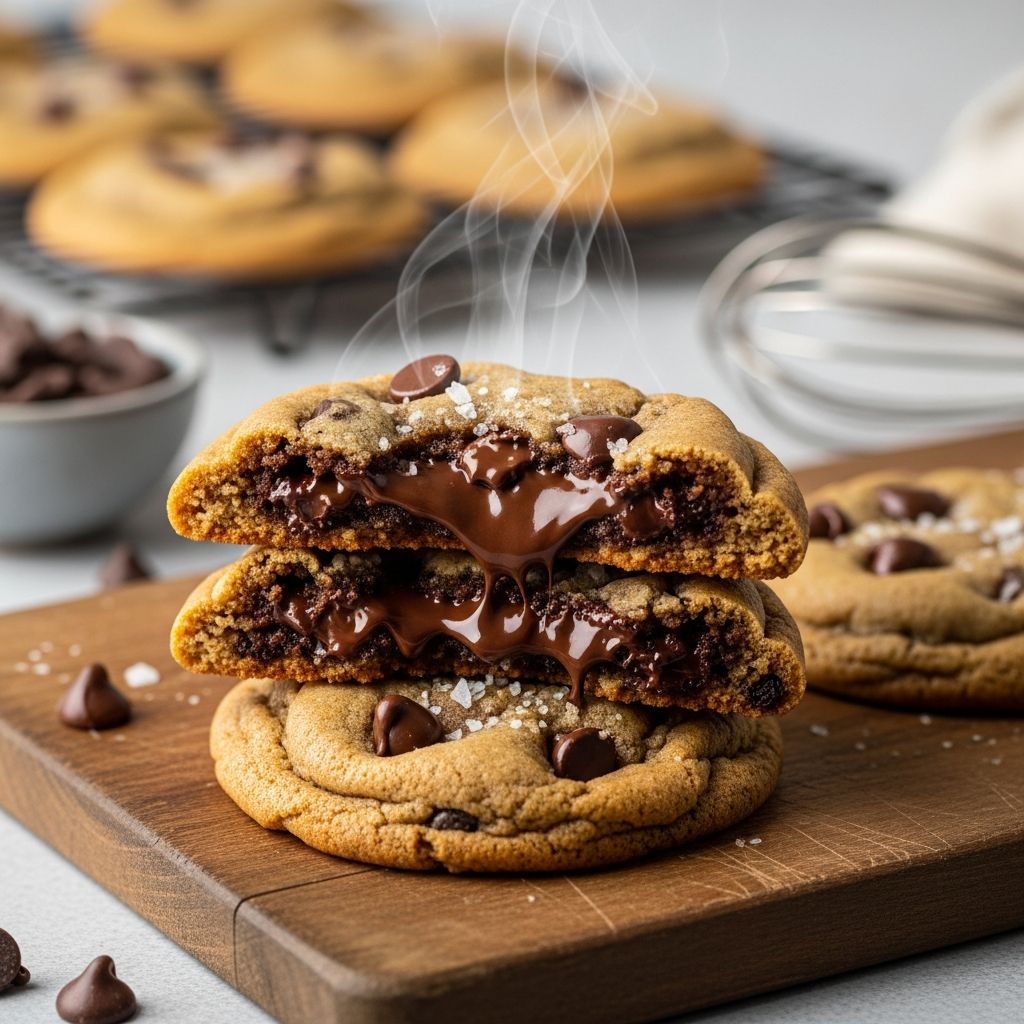
There is something unforgettable about walking into a lobby after a long trip and being greeted with a warm, fragrant chocolate chip cookie. That small gesture can feel like a hug after hours on the road, and it is exactly the kind of experience you can recreate in your own kitchen with a thoughtfully developed cookie recipe.
This guide turns the idea of that legendary hotel cookie into a complete roadmap for making your own signature batch at home, with chewy middles, crisp edges, and generous pools of chocolate.
What Makes a “Hotel-Style” Chocolate Chip Cookie Special?
Not all chocolate chip cookies are created equal. The kind served in upscale hotels has a particular personality: they are usually large, richly flavored, and satisfying enough to feel like a full dessert rather than a quick snack. Understanding the traits that set them apart helps you reverse-engineer the same experience at home.
- Generous size: Larger dough portions bake up with plush centers and crispy rims.
- Complex flavor: A balance of brown sugar, vanilla, and sometimes a hint of spice or oats gives depth.
- Texture contrast: A soft, almost gooey middle paired with browned edges makes every bite interesting.
- Serve-warm factor: These cookies are meant to be eaten warm, when the chocolate is still melty.
Think of this style as the midpoint between a classic lunchbox cookie and a gourmet bakery treat, designed to impress guests the instant they arrive.
Key Ingredients for Luxurious Flavor and Texture
The ingredient list for hotel-style chocolate chip cookies looks familiar, but each item plays a specific role. Slight tweaks to amounts and types can dramatically change the final result, so it helps to know why every component is there.
Core Pantry Ingredients
- Butter: Provides flavor and tenderness. Using all butter gives rich taste and helps edges brown deeply.
- Brown sugar: Adds moisture, a chewy texture, and a caramel-like depth you expect from bakery cookies.
- Granulated sugar: Encourages spreading and crispy edges, balancing the chew from brown sugar.
- All-purpose flour: Offers enough structure without making the cookies tough when properly measured.
- Baking soda: Aids browning and helps the dough spread into that classic cookie shape.
- Salt: Essential for sharpening flavors and preventing the sweetness from becoming cloying.
- Egg: Binds ingredients, adds moisture, and contributes to rich color.
- Vanilla extract: Enhances the chocolate and creates that nostalgic cookie aroma that fills the kitchen.
- Chocolate chips or chunks: Semi-sweet or dark chocolate gives the best balance of sweetness and intensity.
Optional “Hotel-Style” Enhancements
- Chopped nuts: Walnuts or pecans add crunch and a toasty note that pairs beautifully with chocolate.
- Oats: A small amount of finely ground oats adds a rustic chew without turning the cookie into an oatmeal cookie.
- Warm spices: A pinch of cinnamon or nutmeg can subtly round out the flavor in the background.
- Browned butter: Swapping some regular butter for browned butter adds nutty, butterscotch notes.
- Finishing salt: A light sprinkle of flaky sea salt on top provides contrast and a gourmet finishing touch.
Step-by-Step Method for Consistent Bakery Results
Technique is just as important as ingredients. To imitate that hotel-lobby magic at home, pay attention to temperature, order of mixing, and resting time. The following method assumes you are making large cookies that bake up thick and chewy.
1. Prepare the Dough
- Bring ingredients to room temperature. Softened butter and room-temperature eggs blend more evenly, preventing over-mixing.
- Cream the butter and sugars. Beat until the mixture looks slightly fluffy and lightened in color; this creates tiny air pockets that help the cookies rise and spread evenly.
- Add egg and vanilla. Mix just until combined to avoid a dense, cake-like texture.
- Whisk dry ingredients separately. Combine flour, baking soda, salt, and any spices so they are evenly distributed before they hit the wet ingredients.
- Fold in dry ingredients. Mix on low or by hand until you no longer see streaks of flour, then stop.
- Stir in chocolate and optional mix-ins. Use a spatula to gently fold in chips, chunks, nuts, or oats so they stay intact.
2. Chill for Flavor and Structure
Chilling is non-negotiable for a hotel-style cookie. Let the dough rest in the refrigerator for at least a few hours, or ideally overnight. This gives flour time to hydrate, firms the butter so cookies spread more slowly, and allows flavors to deepen.
- For quick chilling, portion dough into large balls before refrigerating so they cool faster.
- Cover tightly to prevent the dough from drying out or absorbing fridge odors.
- Overnight chilling often results in richer color and a more caramelized taste.
3. Portion, Bake, and Cool
- Preheat the oven thoroughly. A hot, fully preheated oven ensures the edges set quickly while the middle stays soft.
- Scoop large portions. Use a generous cookie scoop or weigh portions for consistency; aim for bakery-size cookies.
- Space generously. Leave plenty of room on the sheet so the cookies do not blend into one another.
- Bake until edges are set. Remove the cookies when the rims are golden and the centers still look slightly underdone.
- Let them rest on the pan. Carryover heat will finish baking the centers without drying the cookies out.
Texture Tuning: Chewy, Soft, or Crisp?
Once you master the base dough, you can fine-tune the texture to match your ideal cookie. Small adjustments in sugar type, baking time, and thickness can shift the cookie from ultra-chewy to thin and snappy.
| Adjustment | Effect on Texture | Best For |
|---|---|---|
| More brown sugar than white sugar | Chewier center, slightly thicker cookies, richer flavor | Bakery-style, hotel-inspired cookies |
| More white sugar than brown sugar | More spread, crisper edges, lighter color | Thin and crisp cookies |
| Chilling dough overnight | Enhanced flavor, controlled spread, deep golden color | Gourmet, complex cookies |
| Under-baking by 1–2 minutes | Very soft, gooey centers that stay moist | Warm dessert-style servings |
| Over-baking slightly | Crisper texture throughout and more snap | Dunking in coffee or milk |
Flavor Variations Inspired by Hotel Lobbies Around the World
Once you have a reliable base cookie, it is easy to customize the flavor profile to suit the season, your guests, or even the theme of a party. Think of these as signature twists that turn one recipe into many different experiences.
- Nutty welcome cookie: Add toasted walnuts or pecans and a touch of cinnamon for a cozy, lounge-style treat.
- Espresso night-cap cookie: Mix in a teaspoon of instant espresso powder and use dark chocolate for a coffee-house vibe.
- Citrus-kissed cookie: Grate in a little orange zest to brighten the richness and pair with semi-sweet chocolate.
- Salted caramel upgrade: Press small caramel pieces into the tops before baking and finish with flaky salt.
- Holiday lobby cookie: Fold in dried cranberries and white chocolate chips with a hint of nutmeg.
These variations work best when you change only one or two elements at a time so the cookie still feels familiar and comforting.
Serving and Presentation Ideas for a Hotel-At-Home Experience
Part of the charm of a hotel cookie is how it is served. Presentation can turn a simple dessert into a moment your guests remember long after they leave. A few thoughtful touches can make your kitchen feel like a lobby lounge.
- Offer cookies on a warm plate with a neatly folded napkin and a small card that names the flavor.
- Serve with cold milk, hot coffee, or tea on a tray for guests arriving from a long drive or flight.
- Package a few cooled cookies in a cellophane bag tied with ribbon as a farewell gift.
- Use a cake stand on the counter to display cookies under a glass dome, bakery-style.
Little details like these transform the same cookie recipe into an elevated hospitality experience.
Storage, Freezing, and Make-Ahead Tips
Hotel kitchens rely heavily on make-ahead strategies, and home bakers can borrow the same tricks. Preparing dough in advance means freshly baked cookies are always just minutes away, even on a busy weeknight.
- Chilled dough: Keep well-covered dough in the refrigerator for up to three days for maximum flavor.
- Frozen dough balls: Scoop portions, freeze on a tray, then store in a freezer bag. Bake from frozen, adding a minute or two to the baking time.
- Baked cookies: Store at room temperature in an airtight container with a slice of bread to help maintain softness.
- Re-warming: Briefly warm baked cookies in a low oven or air fryer to recreate that just-baked feel.
Frequently Asked Questions
Why do my cookies spread too much?
Excess spreading usually comes from butter that is too soft, dough that is too warm, or too little flour. Chilling the dough thoroughly and measuring flour with a scale or the spoon-and-level method can help cookies keep their shape.
How can I make my cookies thicker and chewier?
For thicker cookies, chill the dough overnight, use slightly more brown sugar than white sugar, and avoid pressing the balls down before baking. Baking on a cool, heavy baking sheet also helps cookies rise instead of flattening out.
Can I replace chocolate chips with chopped chocolate?
Yes. Chopped chocolate melts into more irregular “puddles” and gives a luxurious look. Just be aware that fine shards of chocolate can create streaks in the dough, which many people find visually appealing.
What is the best way to keep cookies soft for several days?
Store cookies in an airtight container once they are completely cool. Adding a slice of bread or a piece of apple for a short time helps maintain moisture, but remove it after a day so the cookies do not become overly soft.
Do I need a stand mixer for this recipe?
No. While a stand mixer makes creaming butter and sugar easier, a hand mixer or even a sturdy spatula and some elbow grease can produce excellent results. Focus on reaching the right texture at each step rather than relying on a specific appliance.
Turn Your Kitchen into the Lobby Everyone Wants to Visit
Recreating an iconic hotel-style chocolate chip cookie at home is less about chasing a single secret formula and more about understanding how ingredients and technique work together. Once you master those foundations, you can adjust sweetness, texture, and mix-ins to create the exact cookie that feels like a warm welcome to your friends and family.
Whether you serve them to overnight guests, offer them as a late-night treat, or simply bake a batch for yourself, these cookies can become part of the rituals that make your home feel genuinely inviting.