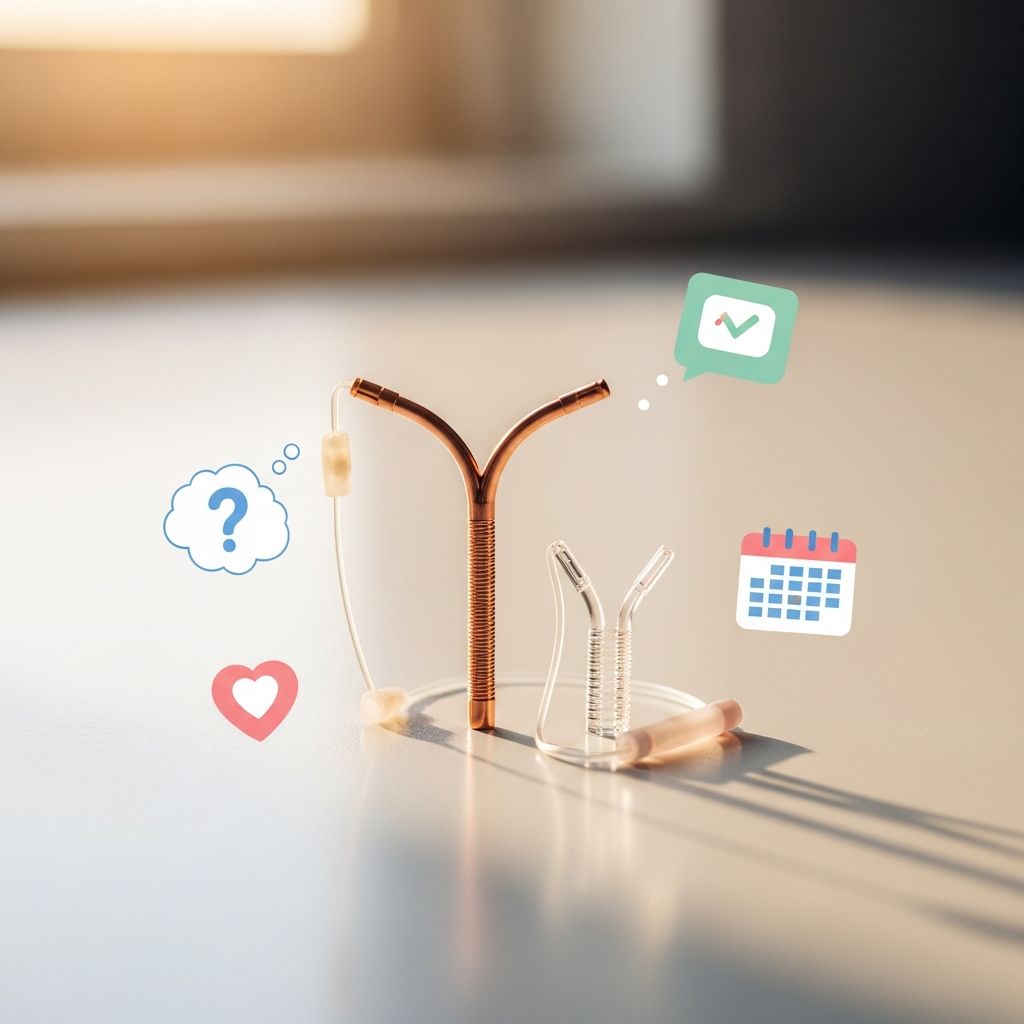
Choosing birth control can feel confusing, especially with so many methods to compare. An intrauterine device, or IUD, is one of the most effective and low-maintenance options available, and many teens and young adults use it safely. This guide breaks down what an IUD is, how it works, and what to consider if you are thinking about this method.
What Is an IUD?
An intrauterine device (IUD) is a small, flexible, often T-shaped piece of plastic that a health care provider places inside the uterus to prevent pregnancy. The device sits in the uterus and works continuously for several years without you needing to remember it every day.
IUDs are considered a type of long-acting reversible contraception, which means they last a long time but can be removed at any point if you want to become pregnant or switch methods. Once removed, most people return to their usual fertility fairly quickly.
Types of IUDs: Hormonal vs. Copper
There are two main categories of IUDs: hormonal and non-hormonal (copper). Both are very effective, but they work in slightly different ways and can affect your periods differently.
Hormonal IUDs
Hormonal IUDs release a small amount of a hormone similar to the body’s natural progesterone. The hormone mainly acts inside the uterus rather than throughout your whole body.
- Thicken the mucus around the cervix, which makes it harder for sperm to travel.
- Thin the lining of the uterus, which makes it less likely for a fertilized egg to implant.
- Sometimes reduce or stop ovulation in some users, depending on the specific product.
Hormonal IUDs come in different sizes and strengths, with protection lasting from about 3 to 8 years depending on the brand.
Copper IUDs
Copper IUDs do not contain hormones. Instead, the device is wrapped in copper wire. Copper affects sperm movement and makes it very difficult for sperm to reach and fertilize an egg.
- Provide long-term pregnancy prevention, often up to around 10 years depending on the brand.
- Start working as soon as they are placed.
- Can also be used as emergency contraception if inserted shortly after unprotected sex, within the recommended time frame given by a clinician.
Quick Comparison of IUD Types
| Feature | Hormonal IUD | Copper IUD |
|---|---|---|
| Contains hormones? | Yes, a progestin-like hormone. | No, uses copper only. |
| Typical duration | About 3–8 years (varies by product). | About 10 years (varies by product). |
| Effect on periods | Often lighter, shorter, or infrequent; some people stop bleeding. | Periods may become heavier or more crampy, especially at first. |
| How it prevents pregnancy | Thickens cervical mucus, thins uterine lining, may reduce ovulation. | Copper interferes with sperm movement and function. |
| Hormone-related side effects | Possible but usually milder than with some other hormonal methods. | No hormone-related side effects. |
How Effective Is an IUD?
IUDs are among the most effective forms of reversible birth control, with very low pregnancy rates when placed correctly. Because there is no daily pill to remember or ring to change, the chance of user error is much smaller than with many other methods.
Effectiveness is similar to permanent sterilization while the IUD is in place, but unlike sterilization, the IUD can be removed at any time if you want to become pregnant or change methods.
Why Some Teens Choose an IUD
Teens and young adults often appreciate that an IUD is private, long-lasting, and low maintenance. Once it is inserted, you usually do not feel it and do not need to think about it before sex or every day.
- Convenience: No pills, patches, or refills to manage regularly.
- Privacy: There is nothing visible from the outside, and partners usually cannot feel it.
- Long-term protection: Depending on the type, one device can last several years.
- Reversible: A provider can remove it if you no longer want it or are ready for pregnancy later.
Benefits Beyond Pregnancy Prevention
Some types of IUDs offer additional health benefits besides preventing pregnancy. These extra effects can be especially appealing if you have painful or heavy menstrual periods.
- Hormonal IUDs may reduce menstrual bleeding and cramping over time.
- Some people have much lighter periods or stop having regular bleeding while the device is in place.
- Because an IUD is long-acting, it can reduce anxiety about missing doses or timing sex around other methods.
Possible Side Effects and Risks
Like any medical method, IUDs can have side effects and risks. Understanding them can help you decide whether this option feels right for you and prepare you for what is normal versus what needs medical attention.
Common Side Effects
Many people notice changes in their menstrual cycle after getting an IUD. These changes usually improve with time, but the pattern varies by person and IUD type.
- With hormonal IUDs: Irregular spotting in the first months, followed by lighter periods or very little bleeding.
- With copper IUDs: Heavier bleeding and stronger cramps, especially during the first several cycles.
- Mild cramping or backache right after insertion.
Less Common but Important Risks
Serious problems with IUDs are rare, but your provider will review them with you before insertion.
- Expulsion: Sometimes the uterus pushes the IUD out partially or completely, especially in the first months. If this happens, the device will no longer protect against pregnancy.
- Perforation: Very rarely, the IUD can make a small hole in the wall of the uterus during insertion. This usually requires removal by a specialist.
- Infection risk shortly after insertion: There is a small increase in the risk of pelvic infection in the weeks after placement if an untreated sexually transmitted infection (STI) is present.
Talk openly with your provider about your health history, STI risk, and any pelvic pain you have experienced, so they can help you decide if an IUD is safe for you.
Who Can Use an IUD?
Most teens and adults who want reliable birth control can safely use an IUD. Being young, not having been pregnant before, or not having given birth does not automatically disqualify someone from getting one.
Your provider may ask about your medical history, including bleeding disorders, certain uterine conditions, or recent infections. These questions help them figure out which, if any, IUD is a good match for your body and lifestyle.
Getting Ready for an IUD Appointment
If you decide to explore an IUD, your first step will usually be a counseling or consultation visit. This is your chance to ask questions, share concerns, and learn about all your options before making a decision.
- Expect to discuss your period patterns, sexual activity, and goals for birth control.
- Your provider may offer STI testing and a pregnancy test if needed.
- You can ask about pain management options for insertion, such as over-the-counter pain medicine beforehand or numbing options during the procedure.
What Happens During IUD Insertion?
Insertion is a quick medical procedure done in a clinic or office setting. While the whole visit may take some time, the actual placement usually lasts only a few minutes.
Although every clinic is a little different, the basic steps are similar:
- You will be asked to lie on an exam table, similar to a pelvic exam.
- The provider places a speculum in the vagina to see the cervix.
- The cervix and vagina may be cleaned, and a small instrument is used to gently measure the depth of the uterus.
- The IUD is inserted through the cervix into the uterus using a thin tube, then the tube is removed and the IUD stays in place.
- Strings attached to the IUD extend a short distance into the vagina; the provider trims them so they are not too long.
Many people feel cramping that can range from mild to intense but usually lasts only a short time. Having a trusted adult, friend, or support person with you (if allowed) can help you feel more comfortable.
Aftercare: The First Days and Weeks
It is normal to have some cramping and spotting after IUD insertion. Most people find that these symptoms improve within a few days to weeks.
- Over-the-counter pain relievers, if safe for you, can reduce discomfort.
- A heating pad on the lower abdomen or back can ease cramps.
- Light activity such as walking is usually fine, but listen to your body and rest if you feel sore or dizzy.
Your provider may schedule a follow-up visit after a few weeks or months to check that the IUD is still in the right place and answer any new questions.
Checking the Strings
The IUD has thin strings that hang down just below the cervix into the vagina. You generally cannot see them from the outside, but you may be able to feel them with clean fingers.
- Your provider might teach you how to check the strings so you can be sure the IUD is still there.
- Check at the same time in your cycle each month, or as recommended.
- If the strings feel much longer or you cannot feel them at all, or if you feel a hard plastic tip, contact your provider because the IUD might have moved.
Sex, STIs, and IUDs
It is important to understand that IUDs protect against pregnancy but do not prevent sexually transmitted infections. If you are sexually active, condoms are still recommended to lower the risk of STIs, even if you have an IUD.
- Using condoms plus an IUD offers strong protection against pregnancy and better protection against many infections.
- Regular STI testing is a good idea if you have new or multiple partners, or if a partner’s status is unknown.
When to Call a Health Care Provider
Most people with IUDs do not experience serious problems, but certain symptoms mean you should contact a provider promptly.
- Very severe pain in the lower abdomen or pelvis, especially with fever or chills.
- Bad-smelling vaginal discharge or unusual bleeding that worries you.
- Strings that suddenly feel much longer or shorter, or if you feel the hard part of the IUD.
- Signs of pregnancy, such as a missed period combined with nausea or breast tenderness.
Removing or Changing an IUD
An IUD does not have to stay in place for the full number of years if you decide you want it out earlier. A trained provider can remove it at any time during a quick office visit.
To remove it, the provider gently pulls on the strings with a special instrument. The arms of the IUD fold upward as it slides out through the cervix. Most people feel brief cramping, but the procedure is usually fast.
Questions to Ask Before Choosing an IUD
Going into your appointment with questions can help you feel more prepared and in control of your decision. Here are ideas you might bring up:
- Which type of IUD (hormonal or copper) fits my period patterns, health history, and preferences?
- How long will this particular IUD last, and what are my options when it expires?
- What side effects are most common with this brand, and when should I worry?
- What does it cost, and how might insurance, school clinics, or public programs help cover it?
- What pain management options are available during and after the insertion?
Frequently Asked Questions (FAQs)
Can teens really use IUDs safely?
Yes. Many major medical organizations consider IUDs appropriate for teens who want long-term, reliable contraception. The key is proper counseling, screening for any medical issues, and having insertion done by a trained provider.
Will getting an IUD hurt?
Most people feel at least some discomfort or cramping during insertion, and the intensity can vary from person to person. The procedure is quick, and using pain relief strategies such as deep breathing, medicine taken beforehand (if advised), or numbing options can make it more manageable.
Can my partner feel the IUD?
Your partner should not feel the IUD itself, because it stays inside the uterus. Occasionally, a partner may notice the strings during sex, but if this is uncomfortable, your provider may be able to trim the strings slightly.
Will an IUD affect my ability to have kids later?
IUDs are designed to be reversible. When the device is removed, most people return to their usual fertility fairly quickly. Using an IUD does not mean you will have more trouble getting pregnant in the future than someone who used another method.
Do I still need condoms if I have an IUD?
Yes, if you want protection against sexually transmitted infections. Condoms lower the risk of many STIs, while the IUD only protects against pregnancy. Using both methods together is often recommended.
What if I decide an IUD is not for me?
You have the right to change your mind at any time. If you decide the IUD does not feel like the right choice—because of side effects, comfort, or personal reasons—you can speak with your provider about removal and explore other birth control options that match your needs better.
Final Thoughts
An IUD is a powerful option for people who want long-lasting, low-maintenance birth control. By understanding how it works, what to expect from insertion, and how to watch for side effects, you can make a more confident, informed decision.
Talking with a trusted health care provider, and if you choose, a parent or guardian, can help you weigh the pros and cons and decide if an IUD feels right for you at this point in your life.