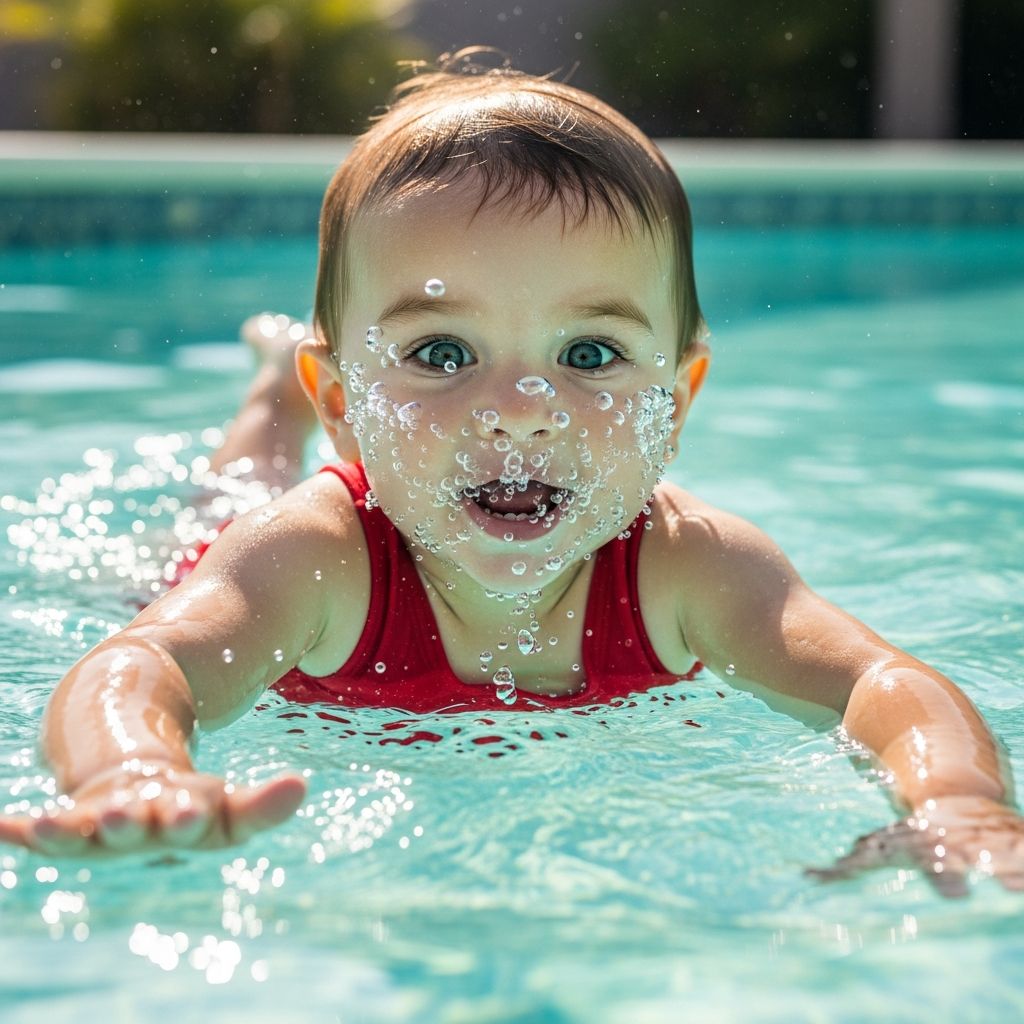
Infant Swimming Resource (ISR) lessons offer a specialized approach to teaching young children water survival skills, starting as early as six months old. These programs prioritize self-rescue techniques to dramatically lower drowning risks, which is the leading cause of death for children aged 1-4.
Understanding the Core of ISR Training
ISR stands out by focusing on practical survival abilities rather than recreational swimming. Children learn to handle unexpected water submersion through targeted, repetitive practice. The curriculum emphasizes rolling from a face-down position to a back float, allowing them to rest and breathe while awaiting rescue. This method uses sensory-motor learning and operant conditioning, enabling even pre-verbal infants to master aquatic problem-solving.
Lessons are delivered in short, daily sessions of about 10 minutes, matching toddlers’ attention spans for optimal retention and minimal fatigue. Over 4-6 weeks, typically 5 days a week, kids achieve proficiency in independent floating and swimming short distances without aids.
Proven Safety Advantages and Drowning Statistics
Drowning incidents often occur silently and swiftly, within arm’s reach of parents. ISR addresses this by equipping children with instinctive responses. Studies indicate formal swim instruction like ISR can cut drowning risk by up to 88% for children under 5. With over 8 million lessons delivered, no injuries have been reported during ISR sessions, underscoring its safety record.
Certified instructors undergo rigorous training, ensuring techniques are precise and child-appropriate. ISR’s emphasis on competence fosters family-wide vigilance; parents of ISR graduates report heightened awareness around water.
Key Benefits Beyond Basic Survival
- Boosted Confidence: Early mastery instills a positive water relationship, reducing fear and sparking lifelong enjoyment.
- Quick Skill Acquisition: Personalized pacing allows proficiency in 1-2 months, far faster than group formats.
- Physical Growth: Enhances motor skills, coordination, balance, sleep quality, and appetite.
- Cognitive Gains: Improves focus, memory, and problem-solving through structured repetition.
- Year-Round Readiness: Off-season classes prevent skill fade and maintain safety competence.
ISR Versus Conventional Swim Programs
While traditional lessons excel in stroke development, social play, and group dynamics for older kids, ISR targets infants’ urgent survival needs. Here’s a comparison:
| Aspect | ISR Lessons | Traditional Lessons |
|---|---|---|
| Primary Focus | Self-rescue and drowning prevention | Strokes, games, recreational skills |
| Age Start | 6 months+ | Often 2-3 years+ |
| Format | One-on-one, 10-min daily | Group, 30-45 min weekly |
| Progress Speed | 4-6 weeks to proficiency | Slower, seasonal |
| Best For | Infants/toddlers at home risk | School-age skill building |
ISR serves as an ideal foundation, transitioning seamlessly to traditional classes with strong breath control and posture.
How ISR Lessons Unfold Week by Week
The program adapts to each child’s developmental stage:
- Weeks 1-2: Breath-holding and submersion tolerance building.
- Weeks 3-4: Swim-float-swim sequence introduction.
- Weeks 5-6: Refinement for independence, including clothing scenarios.
Instructors assess daily, adjusting for progress. Parents receive weekly reports and home reinforcement tips.
Addressing Parental Concerns: Is ISR Too Intense?
Some worry about lesson rigor, but ISR prioritizes child welfare. Crying is normal during learning plateaus, akin to tantrums, and subsides with mastery. Instructors monitor for fatigue, ensuring sessions end if needed. Unlike myths, no goggles or floats are used; kids learn natural responses. Nutrition guidelines support energy needs, preventing low blood sugar.
Finding and Selecting an ISR Provider
Seek certified instructors via official ISR directories. Verify credentials, experience with special needs, and facility safety. Private home pools offer familiarity. Costs range $100-150 weekly; inquire about off-season or refresher options. Observe a lesson to gauge approach.
Long-Term Impact on Family Water Habits
ISR graduates exhibit fewer water mishaps, with parents more proactive in supervision. Families bond over shared aquatic activities, as confident kids encourage group fun. Annual refreshers sustain skills amid growth spurts.
Real Parent Experiences with ISR
“Our 18-month-old went from fearful to fearlessly floating in weeks. ISR gave us priceless peace of mind.”
“After ISR, traditional lessons were a breeze—strong foundation made all the difference.”
These stories highlight transformative confidence and safety.
Frequently Asked Questions
At what age can my child start ISR lessons?
Children as young as 6 months can begin, with skills tailored to developmental readiness.
How long does it take to complete ISR training?
Most achieve proficiency in 4-6 weeks with daily 10-minute lessons.
Is ISR suitable for children with special needs?
Yes, instructors often hold certifications for diverse abilities, customizing accordingly.
Do kids forget ISR skills over time?
Refreshers every 6-12 months prevent regression, especially off-season.
What’s the difference between ISR and Red Cross lessons?
ISR focuses solely on survival for under-6s; others emphasize fun and strokes for broader ages.
Steps to Get Started with ISR Today
- Contact a local certified ISR instructor.
- Schedule a free assessment.
- Commit to the 4-6 week program.
- Practice daily reinforcements at home.
- Plan annual tune-ups.
Investing in ISR equips your child with vital skills, fostering safety and joy in water for years.
References
- 5 Reasons Kids Should Start ISR Swim Lessons Early — WeAquatics. 2023. https://weaquatics.com/blog/5-reasons-kids-should-start-isr-swim-lessons/
- ISR vs. Traditional Swim Lessons: Which is Right for My Child? — H2O Survival Swim School. 2024. https://h2osurvivalswimschool.com/isr-vs-traditional-swim-lessons-which-is-right-for-my-child/
- The Benefits of Off-Season ISR Classes for Your Child — My Baby Swims. 2023. https://mybabyswims.com/the-benefits-of-off-season-isr-classes-for-your-child/
- Why ISR? — ISR Kentucky Aquatics. 2024. https://isrkyaquatics.com/why-isr/
- ISR Infant Self Rescue Vs Traditional Swim Lessons — Sunsational Swim School. 2023. https://www.sunsationalswimschool.com/blog/isr-infant-self-rescue-vs-traditional-swim-lessons
- ISR Lessons — Infant Swimming Resource. 2025-02-01. https://www.infantswim.com/lessons/isr-lessons.html