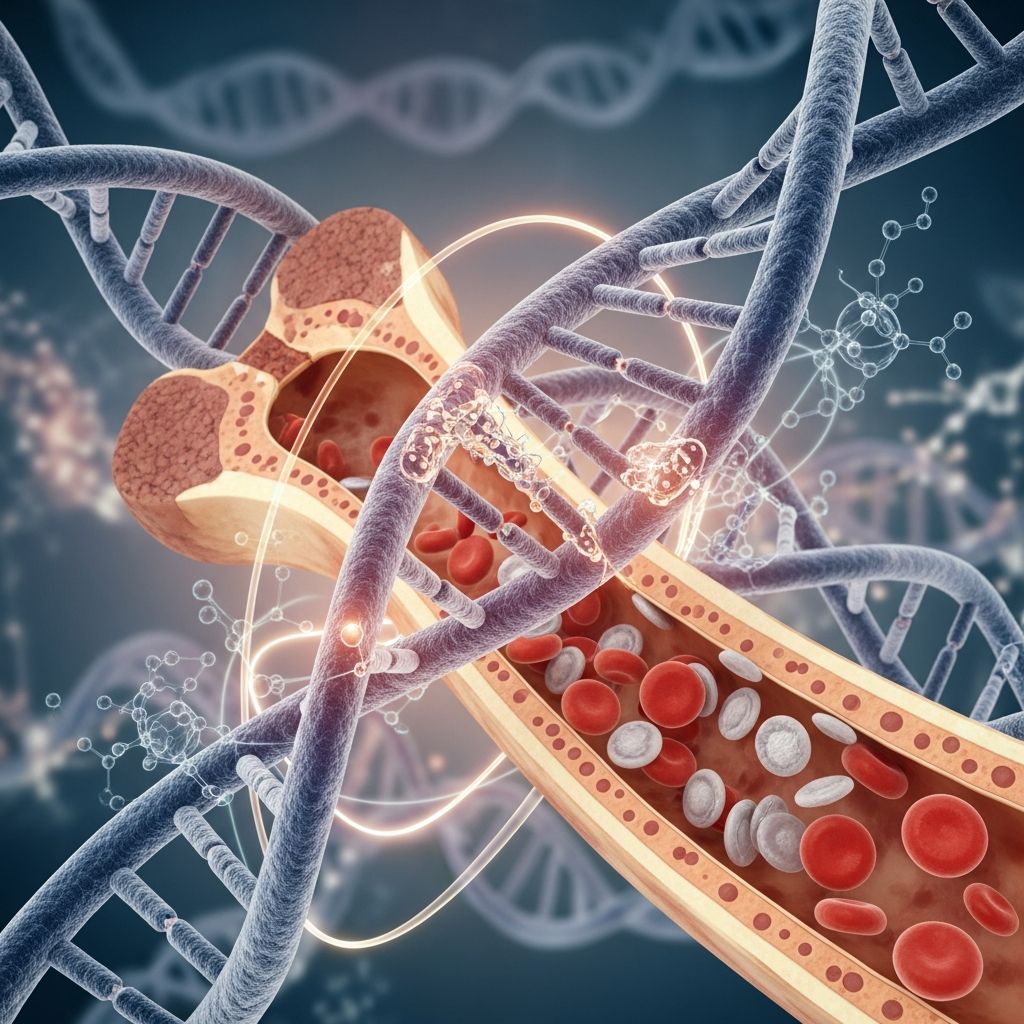
Understanding Fanconi Anemia: A Rare Genetic Condition
Fanconi anemia (FA) is a rare inherited genetic disorder that disrupts the body’s ability to repair DNA damage, leading to progressive bone marrow failure and increased cancer risk. This condition affects both males and females equally across all ethnic groups, with approximately one case occurring per 350,000 births. The disorder belongs to a category of conditions known as inherited bone marrow failure syndromes, where the spongy tissue inside bones that produces blood cells gradually loses its function. Understanding this complex condition is essential for families who may be affected, as early recognition and appropriate management can significantly improve outcomes and quality of life.
The Genetic Foundation of Fanconi Anemia
Fanconi anemia develops when a person inherits mutations in genes responsible for DNA repair mechanisms. More than 23 different genes have been identified as potentially causing this condition, though approximately 80-90% of cases result from mutations in just three genes: FANCA, FANCC, and FANCG. These genes provide instructions for producing proteins that work together in what scientists call the FA pathway—a critical cellular system activated when DNA damage occurs.
The inheritance pattern is typically autosomal recessive, meaning an affected individual must inherit a mutated gene from both parents to develop the condition. Each parent carries one defective copy of the gene but typically shows no symptoms themselves. When both parents are carriers, each child has a 25% chance of inheriting the disorder, a 50% chance of being a carrier like the parents, and a 25% chance of inheriting two normal genes. Approximately 2% of cases follow an X-linked recessive inheritance pattern, and rare autosomal dominant subtypes have been documented.
How DNA Repair Defects Lead to Fanconi Anemia
To understand Fanconi anemia, it helps to know how normal DNA repair works. Every day, cells experience thousands of DNA damage events from normal metabolic processes and environmental exposure. In healthy individuals, specialized proteins quickly identify and repair these breaks before they cause problems. In people with Fanconi anemia, this repair system is fundamentally broken.
The FA core complex consists of eight proteins that should activate other proteins, particularly FANCD2 and FANCI, to direct repair mechanisms to damaged DNA sites. When mutations disrupt any component of this complex, the entire FA pathway fails. Without functional DNA repair proteins, breaks and rearrangements accumulate in chromosomes, a condition called chromosomal instability. This accumulation of unrepaired DNA damage has two dangerous consequences: cells may die abnormally, reducing blood cell production, or cells may grow uncontrollably, leading to cancer development.
Physical Signs and Initial Symptoms
Fanconi anemia presents with tremendous variability among affected individuals. Some people are diagnosed in infancy due to obvious birth defects, while others are not identified until late childhood or even adulthood when bone marrow failure becomes apparent. Approximately half of patients receive a diagnosis before age 10, and about 10% are diagnosed as adults.
Common birth defects associated with Fanconi anemia include:
- Skeletal abnormalities, particularly involving the thumbs and radial bones (bones on the thumb side of the forearm)
- Short stature or small body size
- Abnormal skin pigmentation, often displaying patches of darker or lighter coloring
- Microcephaly (abnormally small head)
- Microphthalmia (abnormally small eyes)
- Kidney and urinary tract abnormalities
- Heart defects or structural cardiac problems
- Hearing loss
- Intellectual developmental delays in some cases
It is important to note that not all individuals with Fanconi anemia have obvious birth defects, which can delay diagnosis significantly. Some people are identified only after developing symptoms related to bone marrow failure.
Bone Marrow Failure: The Progressive Challenge
Progressive bone marrow failure is the hallmark feature of Fanconi anemia, developing as accumulated DNA damage leads to the death of blood-producing stem cells. The bone marrow produces three essential types of blood cells: red blood cells (which carry oxygen), white blood cells (which fight infection), and platelets (which help stop bleeding).
As bone marrow function declines, patients develop pancytopenia—a reduction in all three blood cell types. This leads to multiple health problems:
- Anemia: Decreased red blood cells cause fatigue, weakness, shortness of breath, and pale skin
- Leukopenia: Reduced white blood cells increase susceptibility to infections, which can become life-threatening
- Thrombocytopenia: Low platelets result in excessive bleeding and bruising, nosebleeds, and bleeding gums
The progression of bone marrow failure varies considerably. Some individuals maintain relatively stable blood counts for years, while others experience rapid deterioration. In severe cases, complete bone marrow aplasia (failure) develops, requiring urgent intervention.
Cancer Risk and Associated Malignancies
One of the most serious aspects of Fanconi anemia is the dramatically elevated cancer risk. Individuals with FA have a substantially increased likelihood of developing both blood cancers and solid tumors compared to the general population. The most common blood malignancy is acute myeloid leukemia (AML), which can develop from the accumulated chromosomal damage and abnormal cell growth.
Beyond leukemia, people with Fanconi anemia face heightened risk for:
- Head and neck squamous cell carcinomas
- Skin cancer
- Gastrointestinal tract malignancies
- Genital tract cancers
- Breast cancer in women
- Other solid tumors
The combination of bone marrow failure and cancer risk makes Fanconi anemia a life-threatening condition requiring specialized medical management and vigilant monitoring throughout a person’s lifetime.
Diagnostic Testing and Confirmation
Diagnosis of Fanconi anemia requires specific laboratory testing, as the condition cannot be reliably identified through clinical symptoms alone. The chromosomal fragility test remains the gold standard diagnostic tool, also known as the diepoxybutane (DEB) or mitomycin C (MMC) test.
During this test, cells from the patient’s blood are exposed to these chemicals, which damage DNA. In individuals with Fanconi anemia, the cells show excessive chromosome breaks and rearrangements compared to normal cells, revealing the defective DNA repair mechanism. Additional diagnostic approaches include:
- Gene sequencing: DNA testing to identify specific mutations in FA genes, confirming the diagnosis and determining which gene is affected
- Blood work: Complete blood counts to assess the levels of red blood cells, white blood cells, and platelets
- Bone marrow biopsy: Examination of bone marrow tissue to evaluate cellularity and rule out other conditions
- Imaging studies: X-rays or ultrasounds to identify structural abnormalities associated with the condition
Early diagnosis is particularly valuable in patients with obvious birth defects, as it allows for proactive medical monitoring and intervention before serious complications develop.
Management Strategies and Treatment Approaches
While Fanconi anemia currently has no cure, multiple treatment strategies exist to manage complications and extend survival. Management is typically individualized based on disease severity, the patient’s age, and other health factors.
Supportive Care: Patients with mild bone marrow failure may require only observation and supportive measures, including blood transfusions when needed, antibiotics for infections, and monitoring for cancer development. Regular blood counts help track disease progression.
Androgen Therapy: Androgens (male hormones) can stimulate blood cell production in some patients with Fanconi anemia, helping improve blood counts in mild to moderate cases. However, this approach has potential side effects and is not effective for all patients.
Growth Factor Therapy: Drugs that stimulate bone marrow to produce more blood cells may be used in specific situations, though their effectiveness varies.
Hematopoietic Stem Cell Transplantation: Stem cell transplantation represents the most definitive treatment option for severe bone marrow failure and precancerous blood cell changes. In this procedure, healthy blood-forming stem cells from a donor replace the defective cells. This treatment can effectively reverse bone marrow failure and reduce leukemia risk, though it carries significant risks including transplant rejection and complications from the preparatory chemotherapy.
Gene Therapy Development: Emerging treatments under investigation include gene therapy approaches using lentiviral vectors to correct the genetic defect, offering potential for future cures. Clinical trials are currently evaluating these innovative approaches.
Long-Term Monitoring and Surveillance
Individuals with Fanconi anemia require lifelong medical monitoring due to the persistent cancer risk. Recommended surveillance includes:
- Frequent blood work to monitor blood cell counts and detect early signs of leukemia
- Regular physical examinations to identify new cancers early
- Cancer screening appropriate for age and individual risk, including skin examinations and imaging as recommended
- Careful evaluation of new symptoms or changes in health status
- Avoidance of known DNA-damaging exposures such as smoking, excessive sun exposure, and certain medications
Impact on Families and Quality of Life
A Fanconi anemia diagnosis affects not only the individual but the entire family. Genetic counseling is valuable for families to understand inheritance patterns, recurrence risks in future pregnancies, and the implications of being a carrier. Parents and siblings of affected individuals may benefit from testing to confirm carrier status.
The unpredictable nature of disease progression creates ongoing uncertainty for families. Some individuals may experience relatively stable health for years, while others may face rapid deterioration. This variability makes long-term planning challenging but emphasizes the importance of maintaining strong relationships with specialized medical teams.
Frequently Asked Questions
Can Fanconi anemia be cured?
Currently, there is no cure for Fanconi anemia, though hematopoietic stem cell transplantation can effectively treat bone marrow failure in many patients. Gene therapy approaches are under development and may offer curative potential in the future.
How is Fanconi anemia inherited?
Fanconi anemia is typically inherited as an autosomal recessive condition, meaning both parents must carry a mutated gene for a child to be affected. Approximately 2% of cases follow X-linked recessive inheritance patterns.
What is the life expectancy for someone with Fanconi anemia?
Life expectancy varies widely depending on disease severity and available treatments. With appropriate medical management and stem cell transplantation when indicated, many individuals survive into adulthood, though cancer risk remains elevated throughout life.
Should parents of an affected child have genetic testing?
Yes, genetic counseling and carrier testing for parents can confirm the diagnosis and help understand recurrence risk in future pregnancies. This information is valuable for family planning decisions.
What activities should people with Fanconi anemia avoid?
Individuals should avoid known DNA-damaging exposures including smoking, excessive sun exposure without protection, certain medications, and unnecessary radiation. Close medical supervision helps determine appropriate activity levels based on individual circumstances.
References
- Fanconi Anemia: A Rare Genetic Disorder — Cureus. 2022-04-13. https://www.cureus.com/articles/154792-fanconi-anemia-a-rare-genetic-disorder
- Fanconi Anemia – Symptoms, Causes, Treatment — National Organization for Rare Disorders (NORD). 2023. https://rarediseases.org/rare-diseases/fanconi-anemia/
- Fanconi Anemia – StatPearls — NCBI Bookshelf, National Center for Biotechnology Information. 2024. https://www.ncbi.nlm.nih.gov/books/NBK559133/
- Fanconi Anemia: What It Is, Symptoms, Causes & Treatment — Cleveland Clinic. 2022. https://my.clevelandclinic.org/health/diseases/14473-fanconi-anemia-fa
- Fanconi Anemia Fact Sheet — The Fanconi Anemia Research Fund. 2024. https://www.fanconi.org
- Fanconi’s Anemia: Symptoms and Available Treatments — Genethon. 2024. https://www.genethon.com/our-pipeline/fanconis-anemia/