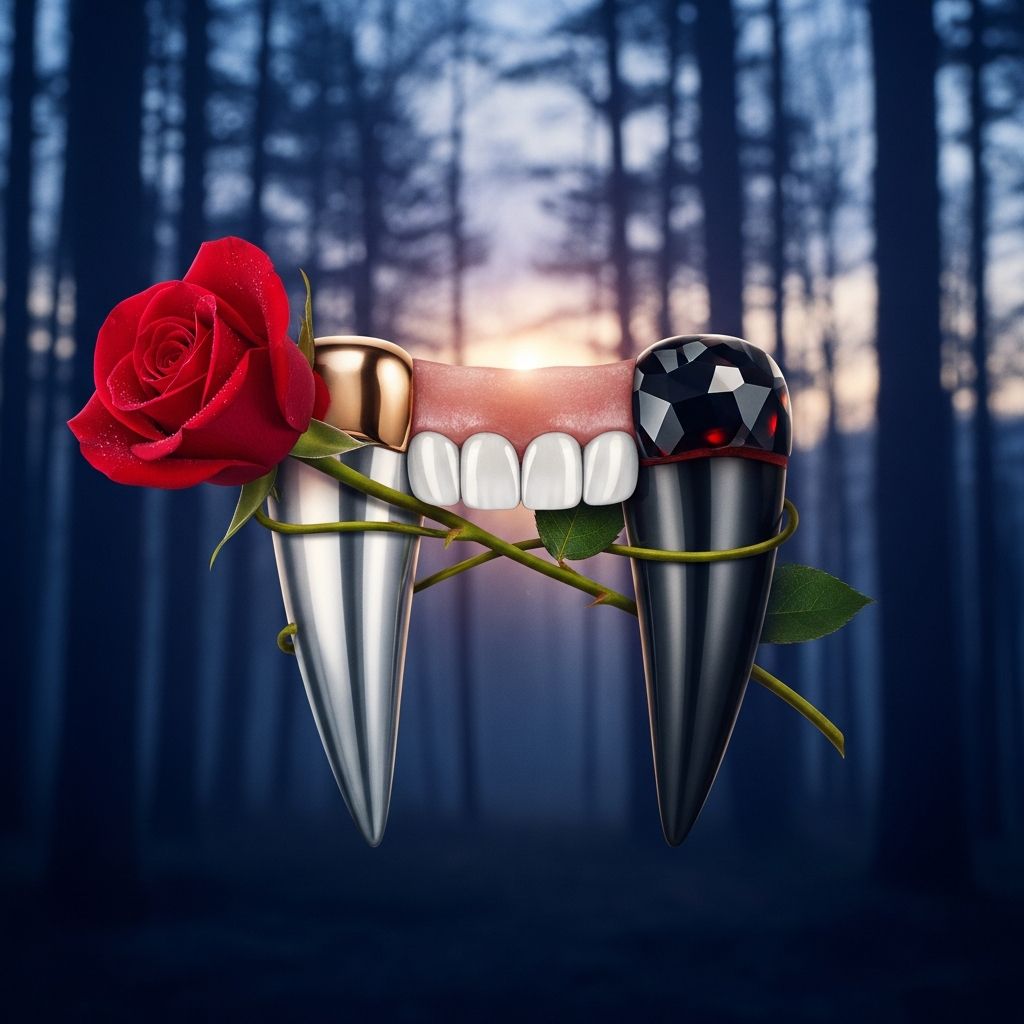
The Twilight series has become a modern classic of teen vampire romance, but its mix of intense love, supernatural danger, and controversial relationship dynamics leaves many parents unsure whether to say yes when a tween or young teen asks to read it.
This guide walks you through what is inside the books, what developmental factors to consider, and how to turn the Twilight phenomenon into a thoughtful family conversation about love, boundaries, and media literacy.
What Parents Should Know First
Before worrying about individual scenes, it helps to understand how the Twilight books are generally positioned in youth culture and publishing.
- Audience category: Twilight is marketed as young adult fiction, typically aimed at readers around 12–18, but many tweens are drawn to it earlier because of the films, friends, and online fandom.
- Core appeal: The series combines forbidden romance, supernatural adventure, and emotional intensity, offering an escapist fantasy where a seemingly ordinary girl becomes the center of attention in a powerful, dangerous world.
- Cultural footprint: Twilight has influenced a wave of paranormal romances and remains a reference point in discussions about teen media, gender roles, and depictions of love.
Quick Snapshot: Twilight Content at a Glance
Every family’s standards are different, but a clear snapshot of the main content areas can help frame your decision.
| Content Area | What Appears in the Series? | Typical Concern Level |
|---|---|---|
| Romance & Intimacy | Intense romantic obsession, kissing, strong emotional and physical longing; later books include marital sex described in non-graphic terms. | Moderate–High for younger tweens because of the intensity of the relationship and ideas about love and self-worth. |
| Violence & Danger | Vampire attacks, lethal threats, injuries, stalking, and suspenseful confrontations; not typically gory, but clearly dangerous and frightening. | Moderate depending on your child’s sensitivity to tension and peril. |
| Language | Occasional mild language and emotional outbursts; generally tame compared with some other teen novels. | Low for most families. |
| Substance Use | Little to no focus on alcohol or drugs; the central addiction metaphor centers on “thirst” for blood rather than real-world substances. | Low, with more metaphorical than literal substance themes. |
| Relationships & Gender Roles | Dominant, protective male characters; a heroine whose identity is strongly tied to romantic partners; love triangles and emotional manipulation appear throughout. | High for parents concerned about messages regarding dependence, boundaries, and self-esteem. |
Why Tweens Are So Drawn to Twilight
Understanding what attracts kids to the series can help you decide how to respond—and how to keep the lines of communication open if you set limits.
- Feeling special and chosen: Many readers identify with the heroine’s sense of being ordinary yet somehow uniquely interesting to someone powerful and mysterious, echoing common adolescent wishes to be seen and valued.
- Safe thrill-seeking: The books offer danger, suspense, and high-stakes romance in a contained, fictional world, giving tweens a chance to experience intense emotions without real-world risk.
- Belonging to a fandom: Reading Twilight allows kids to join a shared cultural conversation—quoting favorite scenes, debating characters, and connecting with peers who love the same story.
Romance Themes: Sweet, Intense, and Sometimes Troubling
The love story at the heart of Twilight is one of its biggest selling points—but also one of the most complicated aspects for young readers.
- Idealized, all-consuming love: The central relationship is framed as destiny, with characters declaring they cannot live without each other, which can be intoxicating but may skew young readers’ expectations of healthy partnership.
- Jealousy and control: Protective behavior often crosses into monitoring, limiting independence, and making unilateral decisions “for her own good,” which can look romantic on the page but resembles controlling dynamics in real life.
- Self-sacrifice as proof of love: Characters routinely risk or devalue their own safety and wellbeing in the name of love, potentially normalizing the idea that suffering is an expected part of romance.
Gender Roles and Power Dynamics
Beyond vampires and werewolves, the series conveys specific beliefs about gender, agency, and what it means to be desirable, which parents may want to unpack with their kids.
- Passive heroine vs. powerful males: The main female character often appears physically fragile and dependent, while male characters possess extraordinary strength, resources, and knowledge, subtly reinforcing a power imbalance.
- Beauty and worth: Physical attractiveness and supernatural perfection are heavily emphasized, which may influence how some readers see themselves and measure their own desirability.
- Choice and autonomy: Decisions about the heroine’s future—where she goes, who she sees, even what species she becomes—are frequently negotiated under pressure from the powerful men around her.
Violence, Fear, and Emotional Intensity
While Twilight is more romantic than gruesome, the danger feels real, and the emotional swings are dramatic.
- Types of peril: Readers encounter stalking, predatory behavior from antagonists, life-or-death confrontations, and the ongoing threat of losing loved ones.
- Emotional rollercoaster: Breakups, misunderstandings, and near-tragedies drive much of the plot, which can be gripping but may feel overwhelming for more sensitive or anxious readers.
- Resilience—or lack of it: At times the main character struggles to function when relationships falter, offering a chance to discuss healthier coping skills and support systems.
Potential Benefits of Letting Teens Read Twilight
Even if the series is imperfect, it can hold surprising benefits when approached thoughtfully, especially for older or more mature teens.
- Boosting reading motivation: For some reluctant readers, an engrossing, fast-paced series can be the gateway that turns reading from a chore into a hobby.
- Practicing critical thinking: Discussing problematic elements—such as control, jealousy, and power—helps teens learn to analyze media instead of absorbing its messages uncritically.
- Exploring feelings in a safe space: Teens can use the fictional relationships to reflect on their own boundaries, preferences, and values before facing similar issues in real life.
Risks and Red Flags for Younger Readers
What feels thrilling and thought-provoking to a 16-year-old might feel confusing or even disturbing to a 10-year-old. Age and maturity matter.
- Romanticizing unhealthy behavior: Without context, readers may come away seeing constant surveillance, moodiness, and self-sacrifice as proof of true love rather than warning signs.
- Body image and comparison: Repeated descriptions of supernatural beauty and physical perfection could feed existing insecurities, especially for tweens already sensitive about appearance.
- Difficulty separating fantasy from reality: Younger readers may struggle to differentiate between the heightened drama of the story and realistic expectations for their own friendships and dating experiences.
Age and Maturity: How to Decide What’s Appropriate
There is no universal “right age” for Twilight, but there are concrete questions that can help you decide when (or whether) to green-light the series.
- Emotional readiness: Does your child understand the difference between dramatic fiction and healthy real-world relationships? Can they talk about complex feelings without shutting down?
- Media literacy skills: Are they used to spotting stereotypes, asking questions about what a story is “saying,” and challenging ideas they disagree with?
- Past reactions to intense content: If your tween has been easily rattled by suspense or fixated on fictional romances before, you may want to wait or co-read.
A Step-by-Step Approach for Cautious Parents
If you are on the fence, you do not have to decide between total prohibition and full freedom. A gradual, supervised approach can work well.
- Preview a portion: Read a few chapters, browse parental reviews, and get a sense of the tone, pacing, and emotional intensity.
- Start with a trial run: Allow your tween to read a set number of chapters, then check in about what they like, what they find confusing, and how certain scenes make them feel.
- Set clear boundaries: Decide together whether you will continue to the next book, pause for now, or co-read and discuss along the way.
- Pair with discussion: Treat the series like a case study in relationships, choices, and consequences rather than just a guilty pleasure.
Conversation Starters: Turning Twilight Into a Teachable Moment
If you decide to allow the series—or if your teen has already devoured it—use that interest as an opening to explore bigger topics.
- What does a healthy relationship look like? Compare behaviors in the book with what you consider respectful and balanced in real life.
- Where are the boundaries? Ask which actions cross the line from protective to controlling, and how a person might communicate discomfort or set limits.
- What makes someone valuable? Discuss whether the heroine’s worth comes from who loves her, what she sacrifices, or something more internal and stable.
- How does the story handle choice? Explore moments where characters feel trapped by destiny versus times they assert their own agency.
Alternative Reads With Healthier Relationship Models
Some families decide Twilight is better saved for later, or they prefer to balance it with other books that spotlight more egalitarian relationships.
- Adventure with strong friendships: Series that prioritize teamwork and non-romantic bonds can help counter the idea that romantic love is the only path to meaning.
- Romances with mutual respect: Look for stories where both partners maintain hobbies, friendships, and goals, and where disagreements are handled with communication rather than manipulation.
- Speculative fiction with agency: Fantasy and science fiction featuring heroines who make strategic choices, question authority, and grow into leadership roles can offer empowering contrasts to more passive characters.
Sample Family Policy on Twilight
Every household will land in its own place, but it can be helpful to articulate your stance so kids understand the reasoning, not just the rules.
| Family Concern | Possible Guideline |
|---|---|
| Age appropriateness | “We will consider reading the series around early high school, once you have more experience discussing relationships and media messages.” |
| Relationship messages | “If you read it, we will talk about which behaviors we see as unhealthy, and we will compare them to how we expect people to treat each other in real life.” |
| Emotional intensity | “If parts of the story upset you, it is always okay to take a break, skip ahead, or stop altogether.” |
| Balance with other content | “For every intense romance series, we will choose other books that emphasize friendship, problem-solving, and personal growth.” |
Frequently Asked Questions About Tweens, Teens, and Twilight
Is Twilight appropriate for a 10–11-year-old?
Some mature tweens may handle the content without nightmares, but the relationship modeling and emotional intensity are designed more for older readers. Many parents choose to wait until at least early teens, when kids are better able to critique what they read and separate fantasy from healthy reality.
Is the romance in Twilight toxic?
The central relationship includes both caring gestures and troubling behaviors—such as constant surveillance, mood swings, and a sense that one partner’s life has no meaning without the other. Rather than labeling it simply good or bad, it can be useful to read it as a chance to practice spotting red flags and talking about what your family believes real love should look like.
Does Twilight encourage unhealthy sacrifice or self-harm?
Certain plot points depict characters risking extreme harm for love or falling apart emotionally when relationships shift. These scenes can be triggering for readers who are already struggling with self-worth or mood issues, so it is important to know your child and to keep lines of communication open about how the story affects them.
Should I read Twilight along with my child?
Co-reading or reading just ahead of your tween or teen can be very helpful if you have concerns. It gives you a shared reference point for discussing difficult scenes and helps your child feel respected and engaged rather than policed.
What if my teen already loves the series?
If the books are already a favorite, banning them outright may backfire. Instead, acknowledge what your teen enjoys about the story, share any concerns you have, and invite them to analyze the characters’ choices with you. Turning a beloved series into a springboard for deeper conversation can strengthen both literacy and your relationship.
Helping Your Child Become a Thoughtful Reader
Whether your final answer is yes, no, or not yet, the bigger goal is to raise a young person who can engage with any story—vampire romance or otherwise—with curiosity, discernment, and a clear sense of their own values. Twilight is just one of many opportunities to practice those skills together.