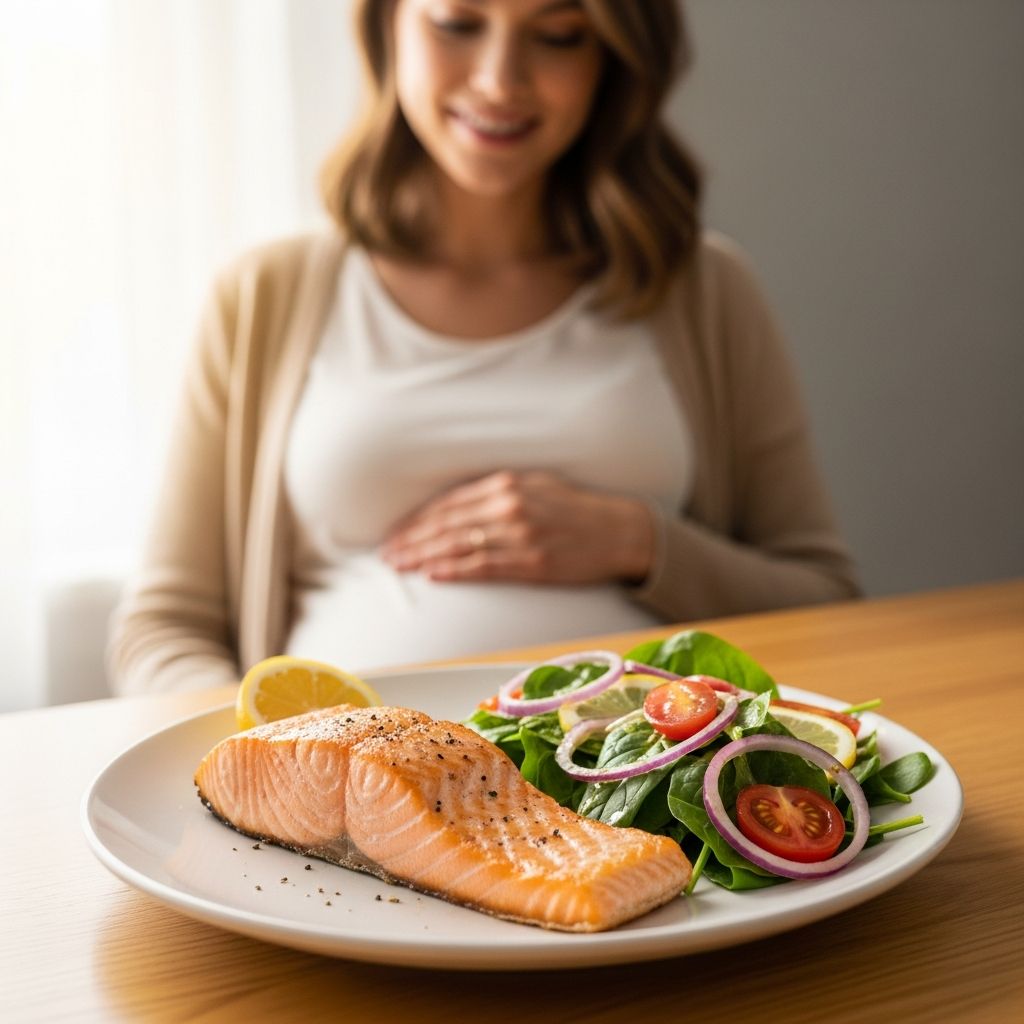
Understanding Salmon as a Pregnancy Superfood
Many expectant mothers face uncertainty about their dietary choices, particularly regarding seafood consumption. The question of whether salmon is safe during pregnancy is one that healthcare providers hear frequently, and the answer is reassuringly positive. Salmon stands out as one of the most beneficial fish options available to pregnant women, offering a remarkable nutritional profile that supports both maternal health and fetal development.
The misconception that all seafood should be avoided during pregnancy has led many mothers-to-be to miss out on valuable nutrients. In reality, selecting the right types of fish and consuming them in appropriate quantities can enhance pregnancy outcomes and provide essential building blocks for your baby’s growth. Salmon, in particular, has earned recognition from major health organizations as a recommended food choice during all stages of pregnancy.
The Omega-3 Advantage: Why DHA Matters for Your Baby
Salmon’s most celebrated benefit stems from its exceptional concentration of docosahexaenoic acid, commonly known as DHA. This omega-3 fatty acid represents one of the most critical nutrients for fetal development, playing a fundamental role in the formation and function of the baby’s brain and visual system. DHA accounts for a significant portion of the brain’s structural composition, and adequate prenatal exposure has been linked to enhanced cognitive abilities later in childhood.
The significance of DHA during pregnancy cannot be overstated. Research demonstrates that maternal DHA levels naturally decline throughout pregnancy unless actively replenished through dietary sources. This biological reality means that without conscious dietary choices, many pregnant women fall short of providing their developing babies with optimal DHA levels. Studies reveal that only a fraction of expecting mothers consume adequate amounts of this crucial nutrient, potentially limiting their babies’ neurological development potential.
Beyond brain formation, DHA supports the development of the retina and the neural pathways responsible for vision. Infants exposed to adequate prenatal DHA levels demonstrate earlier achievement of developmental milestones, including improved coordination, sensory awareness, and cognitive skills that become apparent in infancy and early childhood.
Complete Nutritional Profile of Salmon
While DHA captures much of the attention, salmon delivers a comprehensive array of nutrients essential for pregnancy. The complete nutritional package makes salmon an efficient choice for meeting multiple dietary requirements simultaneously:
- High-Quality Protein: Salmon provides easily digestible protein crucial for building maternal tissues, expanding blood volume, and constructing the baby’s muscles and organs. Pregnancy increases protein requirements, and salmon offers this nutrient in an easily absorbed form.
- Vitamin D: Many pregnant women experience vitamin D deficiency, a concern that salmon effectively addresses. Vitamin D plays essential roles in calcium absorption, bone development for both mother and baby, and immune system function.
- Selenium: This mineral supports thyroid function and provides antioxidant protection, helping maintain maternal wellness throughout pregnancy.
- B Vitamins: Salmon contains various B vitamins that support energy metabolism and neural development.
- Iodine: Essential for thyroid hormone production and fetal neurological development, iodine availability in salmon contributes to healthy pregnancy outcomes.
Additionally, salmon is naturally low in saturated fat while being rich in heart-healthy polyunsaturated fats. This composition supports cardiovascular health for the mother while providing beneficial lipids necessary for fetal brain and nervous system development.
Mercury Safety: Why Salmon Ranks Among the Safest Fish Choices
The concern about mercury in seafood represents one of the primary reasons pregnant women hesitate about fish consumption. This concern, while understandable, should not prevent expecting mothers from enjoying salmon, which consistently ranks among the lowest-mercury fish options available.
The reason salmon contains minimal mercury relates to its biological characteristics. Unlike larger predatory fish that accumulate mercury over decades of life, salmon occupies a lower position on the food chain and has a relatively short lifespan. This means salmon has less opportunity to accumulate heavy metals compared to fish like shark, swordfish, king mackerel, and tilefish—the varieties healthcare providers specifically recommend limiting during pregnancy.
Both wild-caught and farmed salmon varieties contain negligible mercury levels, and both are considered safe choices by regulatory authorities. Recent research confirms that selecting between wild and farmed salmon need not be based on safety concerns but rather on personal preference, availability, and budget considerations. The FDA and EPA explicitly designate salmon as a “best choice” option for pregnant women, indicating it can be safely consumed on a regular basis without mercury-related concerns.
Recommended Consumption Guidelines
Understanding safe consumption amounts ensures you reap salmon’s benefits while maintaining appropriate dietary balance. Major health organizations provide clear guidance on fish consumption during pregnancy:
| Measurement | Amount | Frequency |
|---|---|---|
| Ounces | 8-12 ounces per week | Weekly total |
| Grams | 224-340 grams per week | Weekly total |
| Servings | 2-3 servings per week | Recommended frequency |
These recommendations from the FDA and EPA represent evidence-based guidance designed to maximize nutritional benefits while minimizing any potential risks. Distributing salmon consumption across multiple servings throughout the week rather than consuming the entire week’s allowance in one meal provides more consistent nutrient delivery to support fetal development.
Salmon can be safely incorporated starting from early pregnancy and continued through all three trimesters. The consistent availability of these nutrients throughout pregnancy supports the different developmental priorities of each stage, from initial cellular formation through final growth acceleration.
Preparation Methods That Ensure Safety
Consuming salmon safely requires attention to preparation techniques. Proper cooking eliminates potential bacterial contamination while preserving nutritional value:
- Fully Cooked Preparation: Salmon should always be cooked thoroughly to reach a safe internal temperature, eliminating any risk of foodborne pathogens. Baking, grilling, steaming, and pan-searing are all appropriate cooking methods.
- Avoid Raw Preparations: Sushi, sashimi, ceviche, and other raw salmon preparations should be avoided during pregnancy due to potential bacterial contamination risks, regardless of apparent freshness.
- Cold-Smoked Salmon Caution: Cold-smoked varieties like lox and gravlax are processed at temperatures insufficient to eliminate listeria, a bacterium of particular concern during pregnancy. If you enjoy smoked salmon, opt for hot-smoked varieties that undergo sufficient heating, or heat cold-smoked salmon before consumption.
- Fresh Source Importance: Purchasing salmon from reputable sources with proper food handling practices minimizes contamination risks and ensures optimal quality.
Developmental Benefits Throughout Pregnancy
The value of salmon consumption extends beyond basic nutrition, with research documenting specific developmental advantages for infants whose mothers consumed adequate fish during pregnancy. Babies whose mothers maintained appropriate seafood intake demonstrate earlier achievement of physical developmental milestones, including improved head control, sensory recognition of family members, and earlier development of motor skills such as climbing and drawing.
These observations suggest that salmon’s nutritional contributions during fetal development establish foundations for enhanced neurological function that become evident soon after birth. The cognitive benefits persist into early childhood, making salmon consumption a practical strategy for supporting your baby’s developmental potential.
Addressing Common Misconceptions
Myth: All Fish Are Unsafe During Pregnancy
This blanket statement misses important distinctions. While certain fish warrant caution, many varieties including salmon are explicitly recommended by health authorities. The key lies in selecting low-mercury options and consuming them in appropriate quantities.
Myth: Salmon Causes Allergies in Babies
No scientific evidence supports the claim that maternal salmon consumption causes allergies in offspring. In fact, introducing varied allergens during pregnancy may support healthy immune tolerance development.
Myth: Wild Salmon Is Safer Than Farmed
While wild-caught salmon may have slightly lower contamination levels, both wild and farmed varieties are considered safe during pregnancy. Cost, availability, and personal preference can appropriately guide your choice without safety concerns.
Myth: Pregnancy Requires Complete Fish Avoidance
The opposite is actually true. Moderate fish consumption supports fetal cognitive development, and salmon specifically offers nutrients difficult to obtain from other sources in such concentrated form.
Frequently Asked Questions About Salmon and Pregnancy
Is salmon safe throughout all three trimesters?
Yes, salmon is safe and beneficial throughout pregnancy. Early pregnancy supports neural tube development and brain foundation formation, while later trimesters benefit from continued DHA availability for accelerated brain growth and vision development.
What preparation methods preserve the most nutrients?
Gentle cooking methods like steaming, baking at moderate temperatures, and light pan-searing with minimal additional fat help preserve omega-3 fatty acids while ensuring food safety.
Can I get adequate DHA without eating salmon?
While some plant-based sources like flaxseed contain ALA (a precursor to DHA), the conversion to usable DHA is limited. Salmon provides pre-formed DHA in highly bioavailable form, making it an efficient dietary source. Prenatal vitamins with DHA represent an alternative for those unable or unwilling to consume salmon regularly.
Should I choose farmed or wild-caught salmon?
Both options are safe during pregnancy. Wild-caught may contain slightly lower contaminant levels, while farmed salmon is more sustainable and accessible. Select based on availability, budget, and personal preference without safety concerns.
How can I incorporate salmon into meals I already enjoy?
Salmon’s versatility allows it to enhance numerous dishes. Try adding flaked cooked salmon to pasta, incorporating it into tacos or grain bowls, mixing it into salads, or enjoying it as a centerpiece protein alongside vegetables and whole grains.
Are there any conditions where salmon should be avoided?
Most pregnant women benefit from salmon consumption, but those with specific fish allergies, certain medical conditions, or particular dietary restrictions should consult healthcare providers. Personalized guidance ensures recommendations align with individual health needs.
Making Salmon Part of Your Pregnancy Nutrition Strategy
Incorporating salmon into your pregnancy diet represents a straightforward way to support your baby’s development while enhancing your own nutritional status. The combination of brain-boosting DHA, high-quality protein, essential vitamins and minerals, and minimal mercury content makes salmon an exceptional choice among protein sources available during pregnancy.
Rather than viewing pregnancy nutrition as a restrictive list of foods to avoid, consider focusing on beneficial foods like salmon that actively contribute to your baby’s health. The investment in selecting quality salmon, preparing it safely, and consuming it regularly throughout pregnancy yields developmental dividends that may influence your child’s cognitive abilities and health for years to come.
Consult with your healthcare provider about your specific pregnancy circumstances, dietary preferences, and any concerns about fish consumption. Your doctor can provide personalized recommendations ensuring your nutrition strategy aligns perfectly with your individual health profile while maximizing benefits for your growing baby.
References
- Eating Salmon During Pregnancy – Safety, Benefits & Risks — Bumpboxes. 2024. https://bumpboxes.com/blog/nutrition/eating-salmon/
- Can You Eat Salmon While Pregnant? — Mowi Salmon. 2024. https://mowisalmon.us/can-you-eat-salmon-while-pregnant/
- Pregnancy Nutrition: Why Salmon is a Must For Moms-To-Be — Kenaire DFC. 2024. https://kenairedfc.com/blogs/all/pregnancy-nutrition-why-salmon-is-a-must-for-moms-to-be
- Mercury Levels in Fish – Safe Fish for Pregnancy — American Pregnancy Association. 2024. https://americanpregnancy.org/healthy-pregnancy/is-it-safe/mercury-levels-in-fish/
- Pregnancy and Fish: What’s Safe to Eat? — Mayo Clinic. 2024. https://www.mayoclinic.org/healthy-lifestyle/pregnancy-week-by-week/in-depth/pregnancy-and-fish/art-20044185
- Advice About Eating Fish — U.S. Food and Drug Administration. 2024. https://www.fda.gov/food/consumers/advice-about-eating-fish
- Fish Consumption During Pregnancy: An Opportunity, Not a Risk — National Institutes of Health. 2020. https://pmc.ncbi.nlm.nih.gov/articles/PMC7346675/