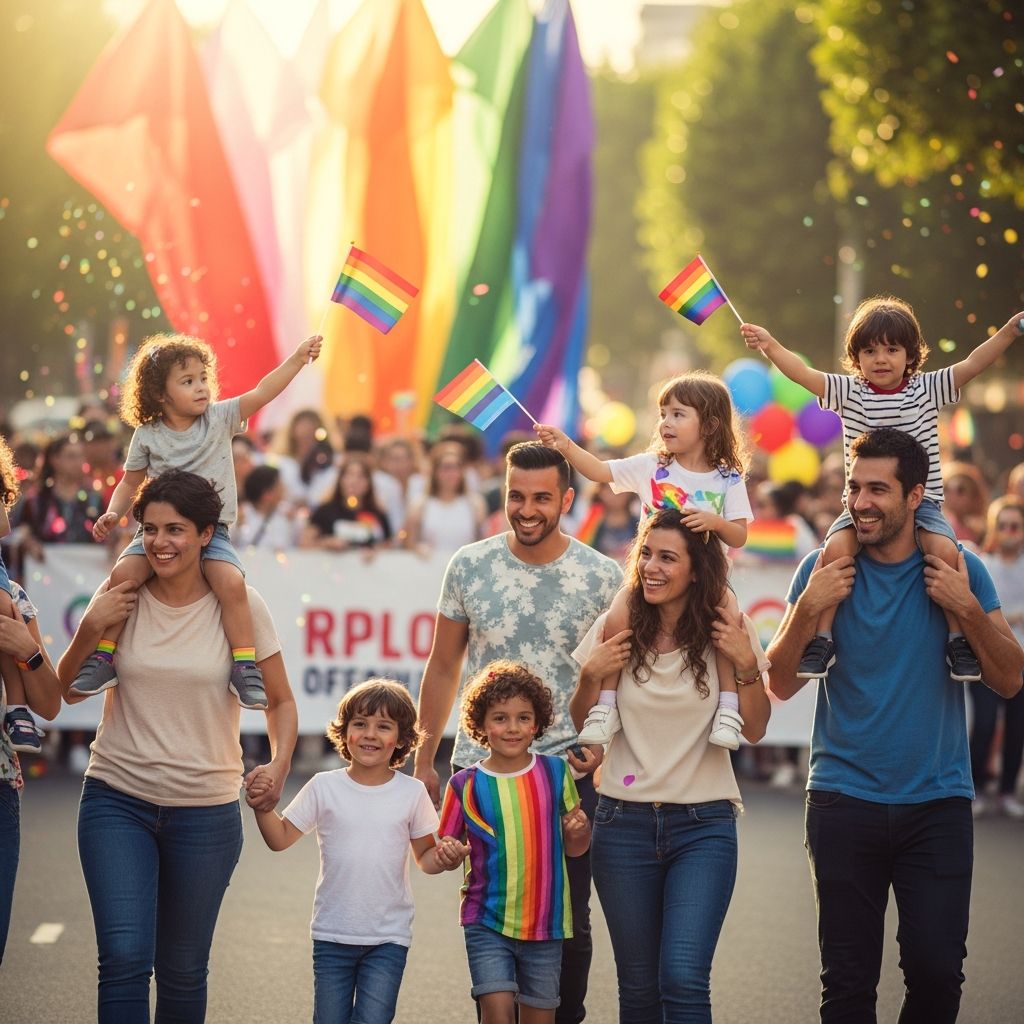
Pride events offer families a vibrant opportunity to engage with diversity, history, and community celebration, though thoughtful preparation is essential given the presence of adult-oriented elements.
Understanding the Essence of Pride Celebrations
Pride events commemorate the historic fight for LGBTQ+ rights, originating from pivotal uprisings that challenged oppression and discrimination. These gatherings blend education about past struggles with joyful expressions of identity and solidarity. For children, exposure can foster empathy and awareness of varied family structures in a festive atmosphere.
Modern Pride parades feature colorful floats, music, and performances that captivate young audiences. They often lead into festivals with interactive booths, food vendors, and entertainment zones. Families report that children enjoy the spectacle, receiving tossed goodies like beads and snacks from participants, making it more engaging than traditional parades.
Educational Value for Young Minds
Attending Pride introduces kids to concepts of acceptance and resilience. Parents can frame it as a lesson in historical events, such as resistance against injustice, helping children grasp why communities gather annually to affirm their existence and achievements.
- Diversity Exposure: Children witness LGBTQ+ families, promoting understanding that love and family come in many forms.
- Allyship Development: Straight and cisgender families demonstrate support, modeling inclusivity.
- Community Connection: Seeing peers from queer backgrounds normalizes diversity beyond school or sports settings.
Experts emphasize discussing Pride’s roots beforehand, using age-appropriate books like those introducing rainbow symbolism and basic identity concepts for children under 10. This preparation equips kids to process the event respectfully without surprise reactions.
Navigating Potential Challenges at Pride
Pride venues can include crowds, loud sounds, alcohol consumption, and occasional adult themes such as partial nudity or kink attire, which may surprise younger attendees. These elements stem from the event’s adult origins but coexist with family zones.
Family experiences vary: some parents note children laughing off unexpected sights after initial talks, viewing them as humorous novelties. However, critics argue that such exposures risk sexualizing youth prematurely, potentially normalizing behaviors unsuitable for kids.
| Aspect | Pro-Attendance View | Concerned View |
|---|---|---|
| Crowd and Noise | Exciting energy builds family memories | Overwhelming for toddlers; plan quiet breaks |
| Adult Content | Prep discussions normalize and educate | May confuse or desensitize developing minds |
| Political Elements | Teaches advocacy and current issues | Too complex or ideological for young ages |
Preparation Strategies for Families
Success hinges on proactive conversations. Start by explaining Pride as a party honoring people who fought for fairness, paired with cautions about grown-up costumes or behaviors kids might see.
- Read introductory books on LGBTQ+ themes.
- Discuss possible sights like body paint or dances, framing them as adult fun.
- Set boundaries: stay in family areas, have exit plans for overstimulation.
- Practice responses to questions to encourage respect.
Research local events: Many cities designate kid zones with crafts, storytimes, and games. For instance, parades often prioritize groups addressing ongoing issues like trans rights upfront, signaling commitment to progress.
Benefits for LGBTQ+ and Ally Families
For queer parents, Pride visibility reassures children they belong, countering isolation. Ally families build supportive networks, vital amid rising anti-LGBTQ+ policies in areas like education and healthcare access.
Studies link affirming environments to better mental health outcomes for LGBTQ+ youth, reducing risks of depression and substance issues. Ally presence at Pride reinforces this safety net.
In times of legislative challenges, family attendance signals unwavering support, nurturing resilience and joy.
Contrasting Perspectives on Child Suitability
Supporters highlight tailored family programming, arguing benefits outweigh rare exposures when prepared. Organizers increasingly add all-ages activities to welcome everyone.
Opponents contend that fetish displays and sexual undertones clash with child innocence, urging alternative education methods. They view promotion as advancing adult agendas under celebratory guise.
Parents must weigh these: surveys show many families thrive post-attendance, gaining broader worldviews, while others prefer controlled introductions via books or quieter events.
Practical Tips for a Positive Experience
Choose morning parade slots for lighter crowds. Pack essentials: water, snacks, ear protection, strollers. Engage post-event with reflections: “What was your favorite part?” to reinforce positives.
- Age Guidelines: Ideal for ages 4+, with toddlers possible in carriers.
- Timing: Aim for 1-2 hours to avoid fatigue.
- Follow-Up: Watch family-friendly documentaries or craft rainbows at home.
Frequently Asked Questions
Is Pride safe for young children?
Yes, with planning. Family areas minimize adult content, but supervision ensures comfort amid crowds.
What if my child sees nudity?
Pre-discuss as adult costumes; redirect focus to music or colors. Most kids adapt quickly.
How does Pride benefit straight kids?
It teaches empathy, allyship, and diversity appreciation, preparing them for inclusive societies.
Are there alcohol-free zones?
Many events feature them; check schedules for kid-focused festivals.
Does attendance counter anti-LGBTQ+ trends?
Yes, visibility combats misinformation and supports youth well-being.
Long-Term Impacts on Child Development
Regular exposure correlates with open-mindedness and reduced prejudice. For questioning youth, it affirms identities early, potentially averting mental health struggles prevalent in unsupportive settings.
Critics worry about over-sexualization, but evidence favors contextual learning: prepared families report enhanced bonds and cultural literacy without harm.
In 2025, amid policy debates, Pride remains a beacon of unity. Families attending thoughtfully contribute to a more equitable future.
References
- Should You Take Your Kids To A Pride Parade? — Fatherly. 2023-06-01. https://www.fatherly.com/health/should-you-take-kids-pride-parade
- Anti-LGBTQ laws claiming to protect children actually harm them, University experts say — San Francisco State University. 2023-05-15. https://chss.sfsu.edu/news/anti-lgbtq-laws-claiming-protect-children-actually-harm-them-university-experts-say
- Why Would a Straight Person Go to Pride? The Importance of Allyship — Child and Adolescent. 2023-06-20. https://www.childandadolescent.org/why-would-a-straight-person-go-to-pride-the-importance-of-allyship
- Pride Month can be tough for LGBTQ+ youth — Youth Villages. 2024-06-10. https://youthvillages.org/pride-month-can-be-tough-for-lgbtq-youth/