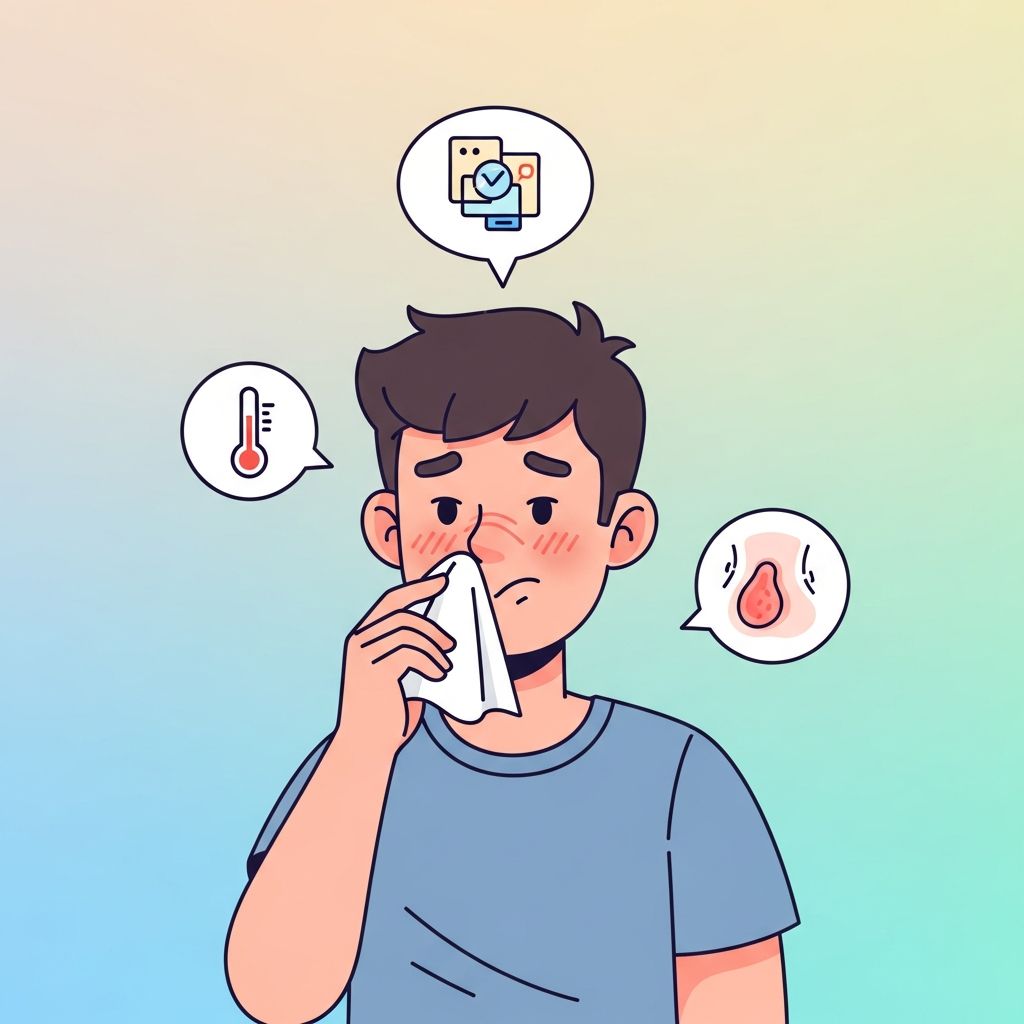
The notion of ‘man flu’—where men dramatically react to minor illnesses while women soldier on—has long been a punchline in households worldwide. Yet, emerging research flips the script, suggesting this phenomenon has a biological basis. Men may indeed endure more severe symptoms from respiratory viruses like the flu or common cold compared to women, thanks to differences in immune responses influenced by sex hormones and genetics.
Biological Roots of the Man Flu Phenomenon
At its core, the man flu stems from genuine physiological disparities between sexes. Women’s immune systems often mount stronger defenses against viral invaders, leading to milder symptoms. Estrogen, a key female hormone, enhances immune activity, promoting better antibody production and faster viral clearance. In contrast, testosterone in men can suppress certain immune functions, prolonging illness and intensifying discomfort.
Studies on influenza vaccination illustrate this divide. Women typically experience stronger reactions to vaccines—both local soreness and systemic effects—but generate superior antibody responses. Men with higher testosterone levels show weaker vaccine efficacy, potentially leaving them more vulnerable to severe flu episodes. Lab experiments with nasal cells infected by influenza further confirm: estradiol dampens overzealous immune responses in women’s cells, reducing symptom severity since much of flu misery arises from the body’s own inflammatory backlash.
Real-World Data: Hospitalizations and Mortality Rates
Population-level evidence bolsters the case. World Health Organization data indicates adult men face higher hospitalization risks for flu-like illnesses and complications globally. In the United States, men exhibit elevated flu-related death rates compared to women, who also suffer fewer respiratory infection complications.
A six-year review found men hospitalized more frequently for influenza. Surveys echo this: men report recovery times roughly double that of women—three days versus 1.5 for flu-like bugs. These patterns hold even after accounting for behavioral factors, pointing to innate vulnerabilities rather than mere exaggeration.
| Metric | Men | Women |
|---|---|---|
| Hospitalization Risk (Flu) | Higher | Lower |
| Recovery Time (Flu-like) | 3 days | 1.5 days |
| Flu Vaccine Response | Weaker antibodies | Stronger antibodies |
| Mortality Risk (Influenza) | Higher | Lower |
This table summarizes key disparities from peer-reviewed analyses and health surveys.
Evolutionary Perspectives on Symptom Severity
Why might evolution favor women weathering illnesses better? One hypothesis posits that prehistoric males, as hunters, needed extended rest during sickness to conserve energy and evade predators, amplifying symptoms as a survival signal to hunker down. Females, tending hearth and offspring, couldn’t afford downtime, selecting for resilient immune profiles that minimize disruption.
Modern parallels exist in pain perception: men report higher sensitivity to certain discomforts, like coronary issues, mirroring flu dynamics. Cultural reinforcements amplify this—men are socialized to ‘tough it out’ until crises peak, delaying care and worsening outcomes.
Women’s Immune Advantage: A Deeper Dive
Two X chromosomes in women provide genetic redundancy, bolstering immunity against viruses. Estrogen further amplifies this, unlike testosterone’s immunosuppressive tilt. Premenopausal women, with steady estrogen cycles, outperform age-matched men in cold defenses.
This edge extends beyond flu. Women clear infections faster, experience fewer severe respiratory events, and respond robustly to vaccines. Yet, it comes at a cost: heightened autoimmune disease risks, where overactive immunity turns inward.
Coping Strategies When Man Flu Strikes the Household
Armed with science, families can navigate these episodes empathetically. Acknowledge men’s legitimate discomfort without dismissing it—validation aids recovery.
- Isolation Station: Set up a dedicated sick zone with TV, remotes, fluids, and meds to contain germs and drama.
- Stock the Arsenal: Assemble a kit: electrolyte drinks, crackers, pain relievers, tissues, and thermometers for monitoring.
- Perspective Check: Gently remind of life’s rigors, like childbirth endurance, to reframe suffering.
- Seek Backup: Enlist family elders if symptoms linger, ensuring timely escalation.
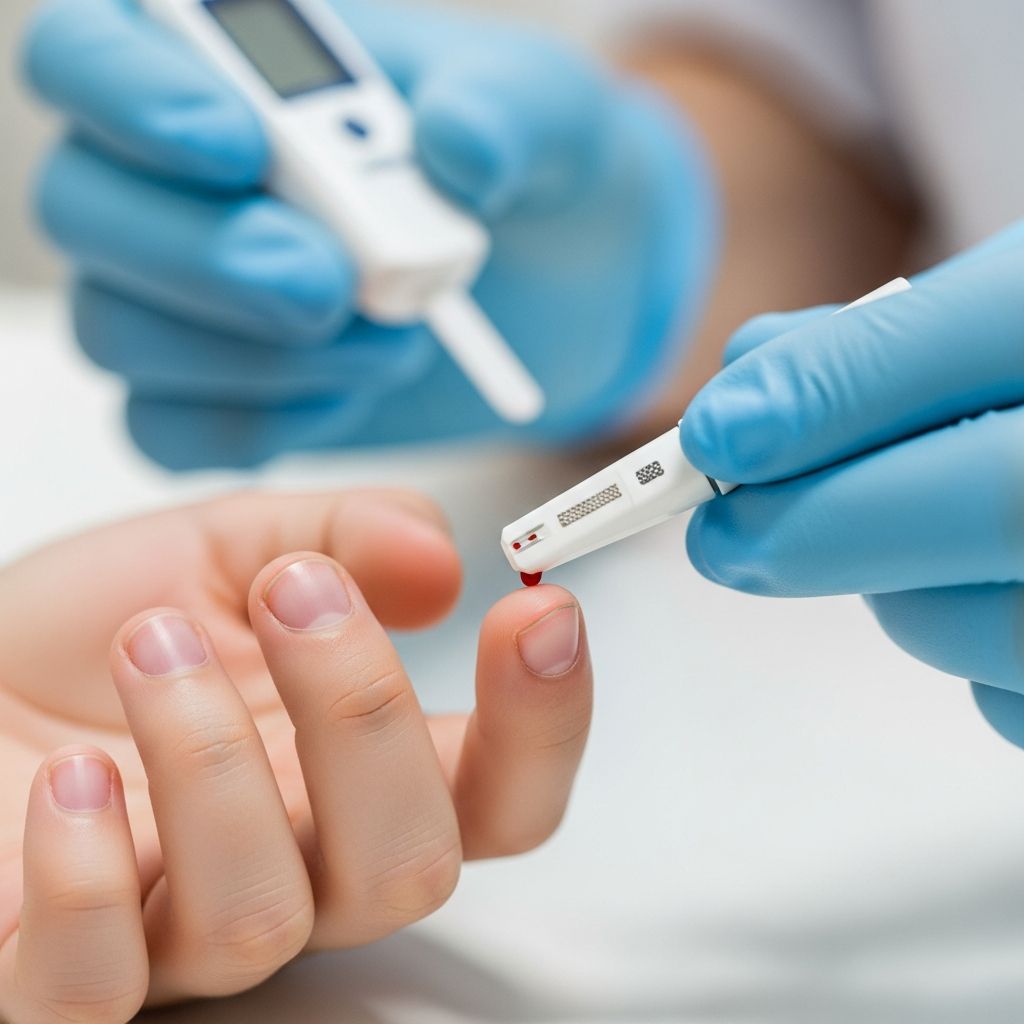
- Monitor Vitals: Use temporal artery thermometers for accurate fever tracking, prompting early intervention.
Encourage men to consult doctors sooner; data shows they delay care, especially singles, until conditions escalate.
Broader Implications for Family Health Dynamics
The man flu narrative underscores women’s often unheralded resilience. Mothers frequently manage sick households while symptomatic themselves, powering through fatigue for children’s sake. This mirrors evolutionary pressures but highlights modern inequities—women bear disproportionate caregiving loads during outbreaks.
Promoting gender-aware health strategies benefits all. Tailored vaccine campaigns, awareness of sex-based symptom differences, and destigmatizing men’s illness expression could optimize outcomes. Families thrive when empathy bridges biological gaps.
Debunking Myths: Exaggeration vs. Reality
Critics label man flu as male hypochondria, but evidence disputes this. While some dramatize, data confirms objective severity differences. Dictionaries now define it as perceived exaggeration, yet studies shift focus to biology.
Cultural factors interplay: men visit doctors less, influenced by ‘macho’ norms, compounding biological handicaps. Recognizing both validates experiences without endorsing helplessness.
Frequently Asked Questions
Is man flu just men being dramatic?
No, research shows men suffer more severe symptoms due to weaker immune responses influenced by testosterone.
Why do women recover faster from colds?
Estrogen boosts immunity and antibody production, leading to milder symptoms and quicker clearance.
Should treatment differ by gender?
Basics remain similar, but men benefit from earlier medical attention to prevent complications.
Does vaccination work differently for men and women?
Yes, women mount stronger responses; men may need boosters or alternatives for optimal protection.
How can families handle man flu outbreaks?
Combine empathy, isolation, stocked supplies, and vital sign monitoring for smooth sailing.
Empowering Health Resilience in Every Home
Understanding man flu reframes household health from ridicule to respect. Women’s biological and experiential fortitude shines, but supporting men’s vulnerabilities fosters equity. Prioritize prevention—vaccines, hygiene, prompt care—and celebrate collective strength against seasonal bugs.
(Word count: 1678)
References
- Is “man flu” really a thing? — Harvard Health Publishing, Harvard Medical School. 2018-01-04. https://www.health.harvard.edu/blog/man-flu-really-thing-2018010413033
- 5 Tips for Surviving the Man Flu — Kansas City Mom Collective. Accessed 2026. https://kansascitymomcollective.com/5-tips-surviving-man-flu/
- “Man Flu” Is Now Backed by Science — Texas Health Resources. 2022-03-24. https://www.texashealth.org/areyouawellbeing/Mens-Health/Man-Flu-Is-Now-Backed-by-Science
- Man Flu: Myth, Biology, or Just Needing a Little Extra Care? — Exergen. 2025-11-05. https://www.exergen.com/blog/2025/11/05/man-flu-myth-biology-or-just-needing-a-little-extra-care/
- The ‘man flu’ is real—and speaks to the strength of women — Motherly. Accessed 2026. https://www.mother.ly/life/the-man-flu-is-realand-speaks-to-the-strength-of-women/