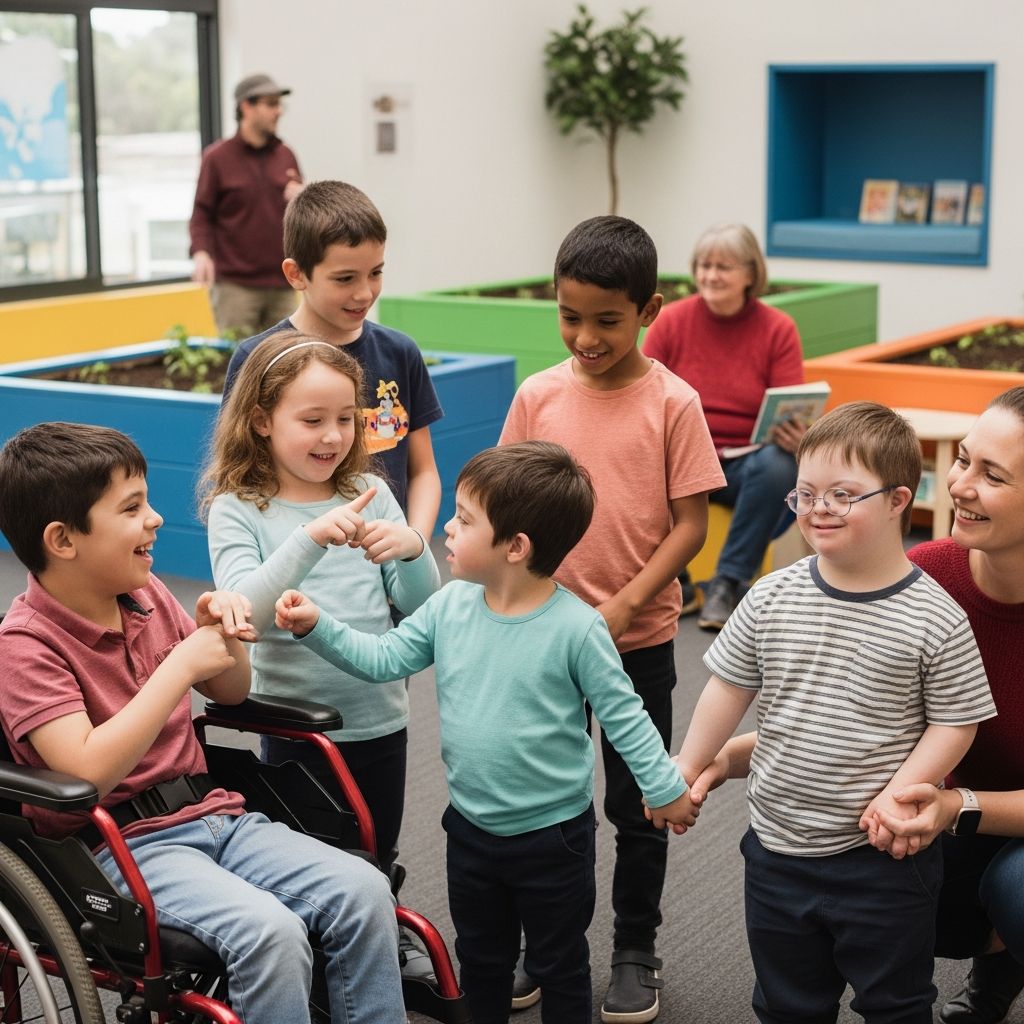
The Hidden Struggle: Parenting a Child with Special Needs
Raising a child with special needs presents unique challenges that extend far beyond typical parenting responsibilities. Parents of children with developmental delays, neurological conditions, or genetic disorders often find themselves navigating complex medical systems, seeking specialized therapies, and managing emotional tolls that few others understand. The journey is frequently isolating, filled with moments of uncertainty about the future and anxiety about whether their child will receive adequate support and care throughout their lifetime.
Many parents describe feeling alone despite being surrounded by well-meaning family and friends who simply cannot comprehend the daily realities of their situation. The gap between their lived experience and the understanding of others creates an invisible barrier that compounds the stress of caregiving. This sense of isolation can lead to depression, burnout, and feelings of hopelessness if parents do not find adequate support systems.
Understanding Rare Neurological Conditions
Certain genetic and neurological conditions significantly impact child development and family dynamics. These rare disorders often affect multiple systems within the body, requiring multidisciplinary medical care and specialized interventions. Parents must become experts in their child’s condition, learning medical terminology, understanding treatment options, and advocating for appropriate services in educational and healthcare settings.
One such condition that has garnered increased public awareness is Angelman syndrome, a rare genetic disorder that affects approximately 1 in 12,000 to 1 in 20,000 births. This neurodevelopmental condition causes significant developmental delays, speech and language difficulties, movement and balance problems, and distinctive behavioral characteristics including frequent smiling and laughter. Individuals with Angelman syndrome typically have intellectual disabilities ranging from mild to severe and require lifelong support and supervision.
The diagnosis of a rare condition can feel overwhelming to families, as information may be limited, treatment options may be experimental, and the long-term prognosis may be uncertain. Parents often become isolated advocates, searching for information, connecting with specialists, and seeking out others who understand their specific challenges.
The Power of Collective Experience and Shared Resources
When parents connect with others facing similar challenges, something transformative occurs. Shared experiences create a foundation for mutual understanding that cannot be replicated through professional support alone. Parents who have walked similar paths can offer practical advice, emotional validation, and hope based on their lived knowledge rather than theoretical understanding.
Communities centered around specific conditions provide invaluable resources including:
- Peer mentorship and guidance from experienced parents
- Access to current research and medical information
- Recommendations for specialists and therapeutic services
- Strategies for navigating educational systems and obtaining appropriate accommodations
- Financial and insurance guidance specific to their child’s condition
- Emotional support during difficult medical decisions
- Opportunities for social connection and friendship among families
These communities often organize regional and national gatherings where families can meet in person, strengthening bonds and creating networks that extend beyond virtual connections. Annual conferences and family gala events serve as milestones where parents can celebrate their children, learn from experts, and renew their commitment to advocacy and support.
Celebrity Advocacy and Reducing Stigma
When public figures become advocates for children with special needs, it can significantly shift public perception and awareness. High-profile parents who speak openly about their experiences help normalize conversations around disability, challenge stereotypes, and bring attention to underfunded research and support services. Their platforms allow them to reach audiences far beyond what traditional advocacy organizations can accomplish.
Celebrities who have children with special needs often find their own purpose and calling through advocacy work. What begins as a personal journey becomes a mission to improve systems and support for all families facing similar circumstances. By sharing their stories, they provide visibility to conditions that might otherwise remain invisible to the general public.
The impact of celebrity advocacy extends beyond awareness-raising. It can influence funding priorities, inspire policy changes, and most importantly, offer hope and validation to parents who have long felt invisible and unsupported. When prominent individuals declare that parenting a child with special needs is not something to hide or be ashamed of, it creates permission for other parents to step forward, seek support, and advocate for their own children.
Building Sustainable Support Systems
Effective support systems for families of children with special needs require multiple layers of support working in concert. These systems should include professional services, peer support, community resources, and family-centered care approaches that recognize the entire family unit.
| Support System Component | Key Functions | Primary Beneficiaries |
|---|---|---|
| Medical and Therapeutic Services | Diagnosis, treatment, ongoing monitoring, and management of health conditions | Child and family |
| Educational Support | Special education services, IEP development, academic accommodations | Child primarily |
| Peer Support Groups | Emotional connection, practical advice, shared resources, validation | Parents and caregivers |
| Respite Care Services | Temporary relief for primary caregivers, allowing rest and maintenance of other responsibilities | Parents and caregivers |
| Financial Assistance Programs | Medicaid, supplemental security income, grant programs, tax benefits | Family |
| Advocacy and Legal Services | Rights education, legal representation, systemic advocacy | Child and family |
Navigating the Emotional Journey
Parents of children with special needs often experience a complex emotional landscape that includes grief, acceptance, hope, frustration, and pride in varying measures. This emotional journey is not linear; parents may cycle through different emotional states as their child grows, as new challenges emerge, or as the realities of lifelong caregiving become more apparent.
The initial diagnosis can trigger profound grief as parents process the loss of expectations they held for their child’s future. This grief is valid and necessary, but it should not become a permanent state. Over time, many parents learn to reframe their perspective, finding joy and meaning in their child’s life as it actually is rather than as they imagined it would be.
Community connection plays a crucial role in this emotional processing. When parents hear from others who have survived similar grief and found ways to thrive, it offers a roadmap and generates hope. Seeing their child celebrated and valued by a community of people who understand their condition reduces shame and increases acceptance.
Advocating for Long-Term Care and Adult Services
One of the most pressing concerns for parents of children with special needs is what will happen when they are no longer able to provide care. This anxiety about adult services, residential options, and guardianship often drives parents toward advocacy and community building for the long term.
Many parents recognize that the support landscape changes dramatically once their child reaches adulthood. Services that were available in the school system may no longer be accessible, and families must navigate adult disability services, employment programs, and residential care options. The inadequacy of these services for many individuals with intellectual and developmental disabilities creates urgency around advocacy for systemic change.
When parents organize around these concerns, creating foundations and advocacy organizations, they not only serve current families but also create lasting institutions that will benefit future generations. This forward-thinking approach ensures that children currently in school will have better options when they reach adulthood than previous generations had available.
The Intersection of Hope and Realism
Successful parent communities balance hope with realistic acknowledgment of challenges. They celebrate their children’s achievements, no matter how small, while honestly addressing the difficulties inherent in raising a child with significant disabilities. This balance prevents the toxic positivity that can alienate families struggling with particularly difficult circumstances while maintaining the motivation necessary for ongoing advocacy and care.
Parents in supportive communities learn from one another how to find joy and meaning within the constraints of their situation. They share stories of breakthroughs, of moments of connection with their children, and of personal growth they have experienced through their caregiving journey. These stories provide tangible evidence that life with a child with special needs can be rich and meaningful despite the challenges.
Creating Inclusive Community Spaces
Communities that effectively support families of children with special needs are intentionally designed to be inclusive and welcoming. They recognize that families have diverse needs, backgrounds, and resources, and they work to ensure that participation is accessible regardless of financial status or other barriers.
Effective community organizations provide multiple ways for families to engage, from low-commitment virtual options to in-person gatherings. They offer translation services, accessible venues, childcare assistance, and flexible participation options that accommodate the realities of caring for a child with significant needs. They also actively work to ensure that families from diverse racial, ethnic, and socioeconomic backgrounds feel welcomed and represented in leadership.
Moving Forward: Individual and Collective Action
The message that resonates most powerfully with parents of children with special needs is simple but profound: you are not alone. This statement offers more than mere emotional comfort; it connects individuals to resources, expertise, and collective power that can improve their circumstances and advocate for systemic change.
Parents who recognize this truth often transition from isolation to action. They reach out to support groups, attend community events, connect with other families, and eventually may become leaders and advocates themselves. This progression from isolation to connection to advocacy represents a powerful transformation that benefits not only individual families but entire communities of people with disabilities.
By building and sustaining communities centered on shared experience and collective purpose, parents create environments where their children are valued, where their own struggles are understood, and where hope for the future feels justified and grounded in real possibility.
Frequently Asked Questions
What are the main benefits of joining a parent support community for families with special needs children?
Parent support communities offer emotional validation, practical advice, access to specialized resources, connections with medical specialists, peer mentorship, and the profound sense that you are not alone in your challenges. These communities also provide advocacy platforms that can lead to systemic improvements in services and support.
How can I find support communities specific to my child’s condition?
Begin by searching for national organizations focused on your child’s specific diagnosis or disability category. Many of these organizations maintain directories of local chapters and support groups. Your child’s medical team can also provide recommendations. Online communities and social media groups offer additional connection opportunities and may be particularly helpful if no local groups exist in your area.
Is it normal to experience grief after my child’s diagnosis?
Yes, experiencing grief after receiving a diagnosis of special needs is a normal and healthy response. This grief reflects the loss of expectations you held and the life you imagined. Grief and acceptance are not mutually exclusive; many parents experience both simultaneously and process these emotions over extended periods with support.
What can I do to advocate for better services and support for my child?
Advocacy can take many forms, from learning about your child’s legal rights in educational and healthcare settings to joining parent organizations working for systemic change. Start by understanding available services, participating in school IEP meetings, connecting with other families, and gradually expanding your involvement in community and policy advocacy efforts.
How can I maintain my own mental health while caring for a child with special needs?
Prioritize accessing respite care to provide yourself with breaks, engage in activities you enjoy, maintain connections with friends and family, seek individual or family therapy if needed, and connect with support communities where you can process the emotional demands of caregiving. Remember that taking care of yourself enables you to better care for your child.
References
- Colin Farrell’s Foundation for Adults with Disabilities — CaregiverAction. https://www.caregiveraction.org/colin-farrell-adults-disabilities/
- Angelman Syndrome: Clinical Characteristics and Management — National Organization for Rare Disorders (NORD). https://rarediseases.org/rare-diseases/angelman-syndrome/
- The Impact of Peer Support on Family Well-being in Special Needs Parenting — American Journal of Family Therapy. Research on psychological outcomes in parent support groups, peer-reviewed literature. https://pubmed.ncbi.nlm.nih.gov/