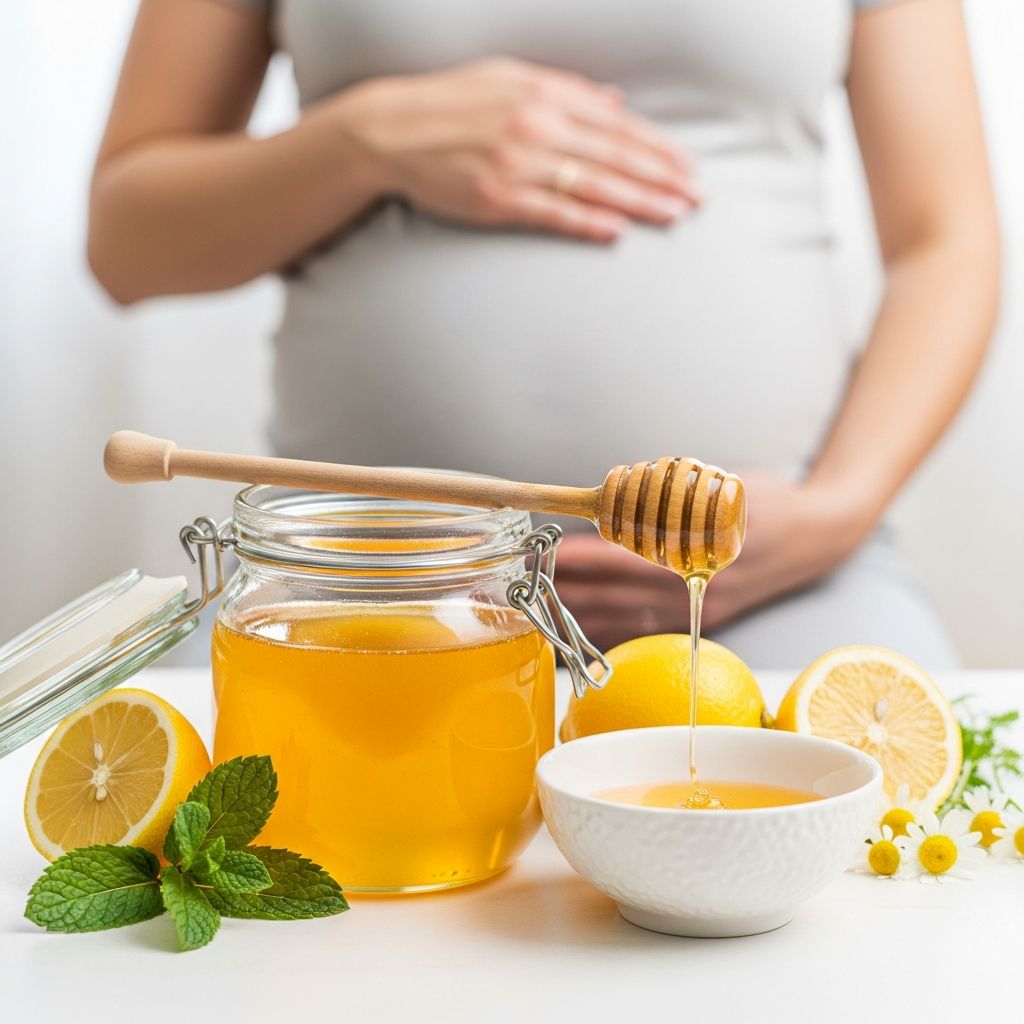
Honey, a natural sweetener cherished for its flavor and versatility, raises questions among expectant mothers about its place in a pregnancy diet. Unlike restrictions for infants, where botulism spores pose a threat, adults—including pregnant women—possess mature digestive systems capable of neutralizing these spores, making honey safe for consumption throughout pregnancy.
Understanding the Science Behind Honey and Pregnancy
The primary concern with honey stems from Clostridium botulinum spores, which can occasionally contaminate it. In infants under one year, these spores may germinate in their underdeveloped guts, leading to infant botulism—a rare but serious condition. However, in pregnant women, the adult gastrointestinal tract processes and eliminates these spores effectively, preventing any passage to the fetus via the bloodstream or placenta.
Medical authorities, including the NHS and American Pregnancy Association, affirm honey’s safety across all trimesters. No documented cases exist of maternal honey intake harming an unborn baby, supported by centuries of traditional use in various cultures.
Nutritional Advantages of Incorporating Honey
Beyond safety, honey offers valuable nutrients that can support pregnancy health when used judiciously. It contains antioxidants, vitamins, and minerals that combat oxidative stress, a common challenge during pregnancy.
- Antioxidant Power: Honey’s polyphenols help reduce inflammation and protect cells, potentially easing pregnancy-related fatigue.
- Natural Energy Boost: Fructose and glucose provide quick energy without the crash of refined sugars, aiding in combating nausea and low energy.
- Immune Support: Antibacterial properties from enzymes like glucose oxidase make it a soothing option for sore throats or minor infections.
- Digestion Aid: Its prebiotic effects promote gut health, which can alleviate constipation—a frequent pregnancy discomfort.
A study published in the National Institutes of Health noted honey’s role in reducing labor pain intensity when consumed as a syrup, highlighting its potential therapeutic uses.
Types of Honey: Raw, Pasteurized, and Specialty Varieties
Pregnant women can enjoy various honey forms, each with unique profiles.
| Type | Description | Safety Notes | Best Uses |
|---|---|---|---|
| Pasteurized | Heated to kill potential contaminants | Lowest risk, widely available | Daily sweetener, teas |
| Raw/Unpasteurized | Minimally processed, retains enzymes | Safe due to adult digestion; source from reputable suppliers | Health boosts, smoothies |
| Manuka | From New Zealand tea tree nectar, high antibacterial activity | Safe in moderation; potent for immunity | Sore throat relief, wound care |
Raw honey’s antibacterial qualities actually reduce contamination risks compared to dairy products, which require pasteurization during pregnancy.
Potential Drawbacks and Moderation Guidelines
While safe, honey’s high sugar content—about 80% carbohydrates—necessitates portion control to avoid complications like excessive weight gain or gestational diabetes.
- Sugar Impact: Limit to 1-2 teaspoons daily to stay within recommended added sugar intake (under 25g/day per WHO guidelines for adults).
- Storage Precautions: Keep in a cool, dry place; discard if crystallized excessively or showing mold, as pregnancy slightly compromises immunity.
- Health Conditions: Those with diabetes, gestational diabetes, Crohn’s disease, or post-gastric surgery should consult providers, as altered guts may heighten botulism risks.
Honey may worsen acid reflux or indigestion in sensitive individuals, common in later pregnancy stages.
Practical Ways to Enjoy Honey During Pregnancy
Incorporate honey creatively for taste and benefits:
- Morning Tea: Stir into herbal teas like ginger for nausea relief.
- Yogurt Parfait: Top plain yogurt with honey and fruits for a probiotic-rich snack.
- Energy Bites: Mix with oats, nuts, and seeds for portable nutrition.
- Topical Uses: Apply as a face mask or in shampoos—safe externally due to skin barrier protection.
- Labor Prep: Honey syrups have shown pain-relieving effects during delivery.
Always pair with balanced meals to mitigate blood sugar spikes.
Debunking Persistent Myths
Myths persist due to infant warnings overshadowing adult safety.
- Myth: All raw foods are risky. Unlike unpasteurized cheeses (listeria risk), honey’s low water activity inhibits pathogen growth.
- Myth: Botulism transfers to baby. Spores don’t cross the placenta; maternal cases rarely affect fetuses.
- Myth: Honey causes allergies. No evidence links it to new allergies in pregnancy; it may soothe existing ones.
Expert Recommendations and When to Consult a Doctor
Obstetricians and midwives universally endorse honey in moderation. The Royal College of Obstetricians and Gynaecologists aligns with this consensus. Monitor for personal tolerances, especially in the first trimester when sensitivities peak.
Consult a healthcare provider if:
- You have pre-existing GI issues.
- Honey triggers digestive upset.
- You’re managing blood sugar closely.
Frequently Asked Questions About Honey in Pregnancy
Is raw honey safe in the first trimester?
Yes, raw honey poses no unique risks early in pregnancy; your digestive system handles it safely across all stages.
Can manuka honey help with pregnancy immunity?
Manuka’s unique methylglyoxal offers enhanced antibacterial effects, safe when limited to small amounts.
What if I ate honey before knowing I was pregnant?
No cause for concern—honey’s safety applies retroactively.
Does honey contribute to gestational diabetes?
Not directly, but excessive intake can due to sugars; moderation is essential.
Is honey safe for newborns after birth?
No, wait until after 12 months when their gut flora matures to combat spores.
Building a Honey-Informed Pregnancy Diet
A pregnancy diet thrives on variety. Honey complements fruits, nuts, and whole grains, enhancing flavor without empty calories. Track intake via apps to align with prenatal goals—aim for nutrient density over indulgence.
Combine with folate-rich greens, omega-3 sources, and proteins for holistic fetal development. Honey’s natural appeal makes healthy eating enjoyable, fostering positive habits.
Pregnancy transforms dietary choices into acts of nurturing. Embracing honey thoughtfully exemplifies informed, balanced nutrition.
References
- Can you eat honey while pregnant? Safety, benefits, and what to avoid — Femia Health. 2023. https://femia.health/health-library/pregnancy/pregnancy-health/can-you-eat-honey-while-pregnant/
- Is It Safe to Eat Honey During Pregnancy? — Pregnancy Plate. 2023. https://pregnancyplate.com/blog/is-honey-safe-during-pregnancy
- Can You Eat Honey During Pregnancy? — Healthline. 2023. https://www.healthline.com/health/honey-during-pregnancy
- Honey and pregnancy: benefits and precautions — Miel Factory. 2023. https://www.miel-factory.com/en/blogs/blog/miel-grossesse-compatibles
- Honey and Pregnancy 101: Everything You Need to Know — Taylor Pass Honey. 2023. https://taylorpasshoney.com/blogs/honeyblog/honey-and-pregnancy-101-everything-you-need-to-know-taylor-pass-honey
- Can You Have Honey While Pregnant? — Twin Cities Birth Center. 2023. https://www.twincitiesbc.com/blog/can-you-have-honey-while-pregnant
- The Effect of Oral Intake of Honey Syrup on the Pain Intensity — National Institutes of Health (PMC). 2019-02-23. https://pmc.ncbi.nlm.nih.gov/articles/PMC6386333/