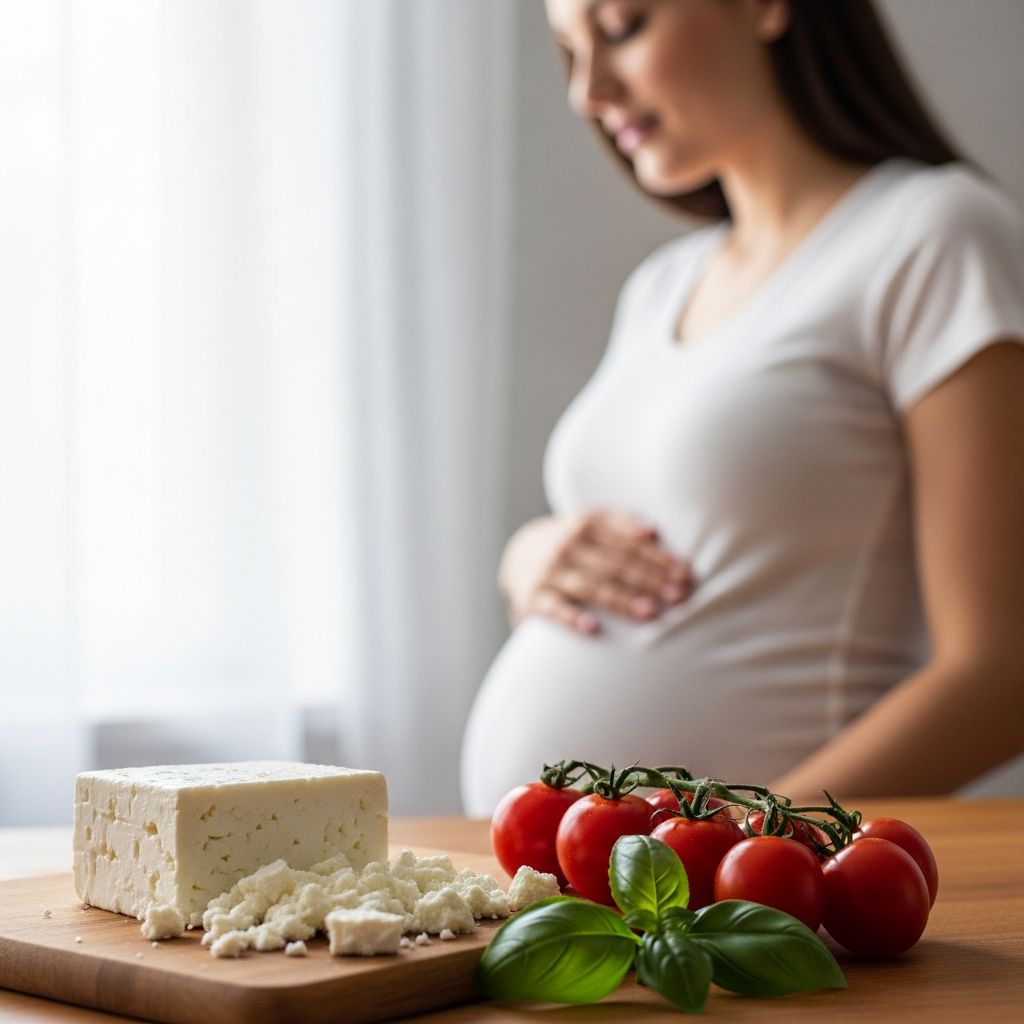
Pasteurized feta cheese is generally safe for pregnant women, providing key nutrients like calcium and protein, while unpasteurized versions pose serious risks from bacteria such as Listeria.
Understanding Feta Cheese Basics
Feta cheese, a soft, brined variety originating from regions like Greece, is prized for its tangy flavor and crumbly texture. Typically made from sheep’s or goat’s milk, or a blend with cow’s milk, it adds zest to salads, pastries, and Mediterranean dishes. During pregnancy, dietary choices matter greatly due to the developing fetus’s vulnerability to foodborne pathogens. Soft cheeses like feta raise concerns because their high moisture content can harbor bacteria if not properly processed.
Pregnant individuals face heightened risks from infections that might be mild in others. The immune system undergoes changes to protect the baby, making it harder to fight certain bacteria. This is why guidelines from health authorities emphasize caution with dairy products.
The Critical Role of Pasteurization
Pasteurization involves heating milk to kill harmful microbes, ensuring safety without significantly altering taste or nutrition. For feta to be pregnancy-safe, it must be labeled as made from pasteurized milk. This process eliminates threats like Listeria monocytogenes, which survives in raw milk cheeses.
Always inspect packaging: look for explicit “pasteurized” statements. In the U.S., most commercial feta meets this standard, but imported or artisanal types may not. If unsure, opt for trusted brands from major retailers.
Listeria: The Hidden Danger in Unpasteurized Feta
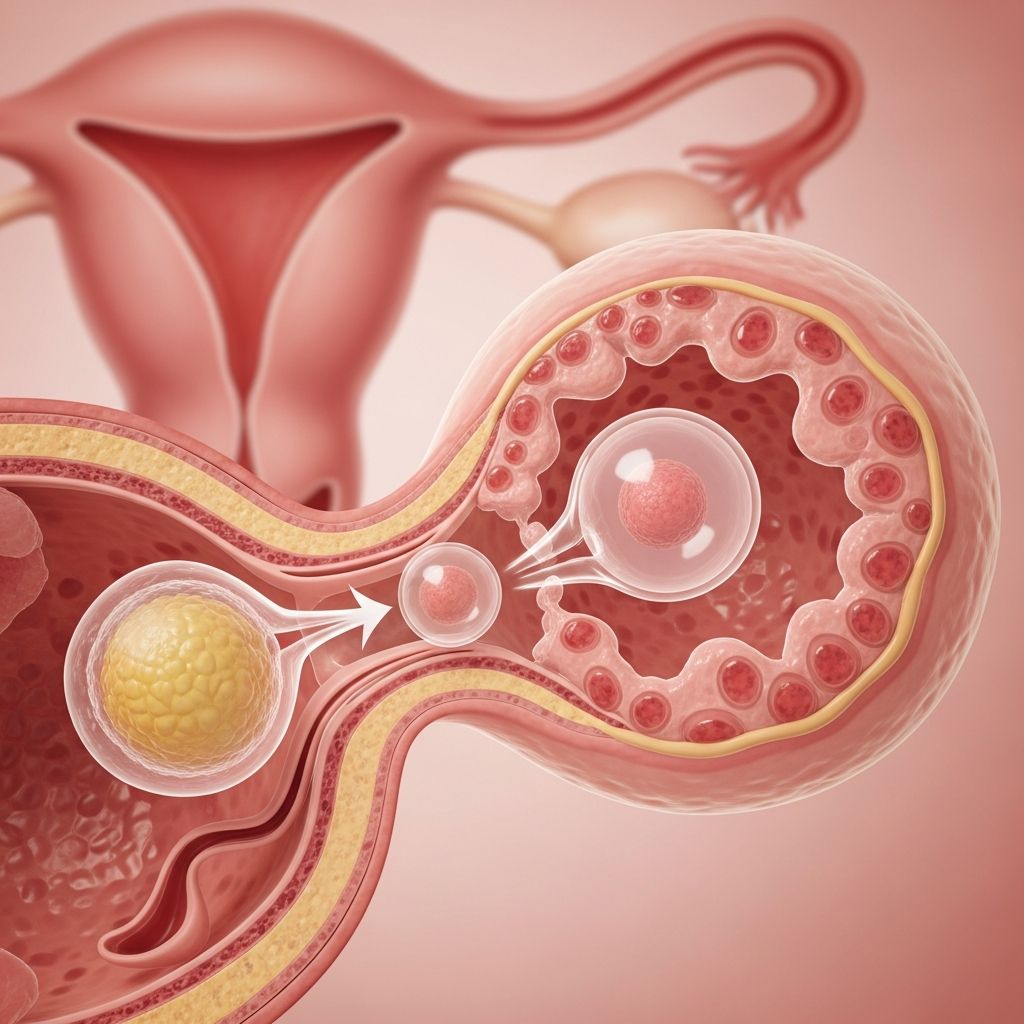
Listeria monocytogenes is a resilient bacterium thriving in refrigerated, unpasteurized dairy. Unlike many pathogens killed by cold storage, it multiplies at fridge temperatures. Pregnant women are 10-20 times more susceptible to listeriosis, the infection it causes.
Listeriosis often presents with flu-like symptoms—fever, fatigue, muscle aches—but can pass asymptomatically to the fetus. Severe outcomes include miscarriage (especially first trimester), preterm birth, stillbirth, or neonatal issues like meningitis, seizures, or developmental delays.
CDC data highlights disparities: certain groups, including Hispanic pregnant women, face up to 24 times higher risk. Outbreaks linked to soft cheeses, like a 2021 queso fresco incident causing pregnancy losses, underscore the stakes.
Nutritional Perks of Pasteurized Feta
When pasteurized, feta becomes a nutrient powerhouse for pregnancy. A typical serving (about 1 ounce) delivers:
- Calcium (140mg): Builds baby’s bones and teeth; prevents maternal bone loss.
- Protein (4g): Supports fetal tissue growth and maternal repair.
- Vitamin B12 and Zinc: Aid red blood cell formation and immunity.
- Phosphorus: Enhances calcium absorption for skeletal health.
These align with pregnancy needs: 1,000mg daily calcium, 71g protein. Feta fits balanced diets, pairing well with veggies for folate or whole grains for fiber.
Safe Ways to Select and Store Feta
| Check For | Safe Indicators | Red Flags |
|---|---|---|
| Label | “Made with pasteurized milk” | No pasteurization info; “raw milk” |
| Texture/Smell | Firm, tangy aroma | Moldy, off odors, sliminess |
| Source | Refrigerated grocery section | Bulk bins, farm stands without labels |
| Storage | Below 40°F (4°C) | Room temp exposure |
Buy from reputable stores, consume within expiration dates, and store in the coldest fridge spot. Pre-crumbled feta minimizes contamination risk versus blocks needing cutting.
Dining Out: Questions to Ask
Restaurants, especially Greek or Mediterranean spots, feature feta prominently in gyros, spanakopita, or salads. Always inquire: “Is the feta pasteurized?” Staff may not know, so err on caution—request alternatives like hard cheeses (cheddar, parmesan) if doubtful.
Cooking feta (e.g., baked in phyllo or grilled) further reduces risks by heating to 165°F (74°C), killing bacteria. Still, start with pasteurized for best safety.
Alternatives if Feta is Off-Limits
Craving cheese? Safe swaps include:
- Hard cheeses: Cheddar, gouda, Swiss—low moisture deters bacteria.
- Pasteurized soft options: Cottage, ricotta, cream cheese.
- Plant-based feta: Nut- or soy-based for dairy-free diets.
- Other proteins: Yogurt, eggs, nuts for calcium/protein.
These maintain Mediterranean flair without risks.
Goat and Sheep Milk Feta: Special Considerations
Traditional feta uses goat or sheep milk, richer in nutrients but riskier if raw. Pasteurized versions are safe, offering conjugated linoleic acid for anti-inflammatory benefits. Check labels diligently—small producers often skip pasteurization.
Broader Pregnancy Dairy Guidelines
Beyond feta, avoid unpasteurized soft cheeses: brie, camembert, blue-veined (gorgonzola), queso fresco/blanco. Hard and pasteurized processed cheeses are fine. FDA and NHS recommend pasteurization for all dairy to prevent toxoplasmosis or E. coli too.
Daily dairy: 3 servings for calcium/vitamin D. Pair with sunshine exposure or fortified foods.
Spotting and Handling Listeriosis Symptoms
Monitor for fever over 100.4°F (38°C), chills, nausea, stiff neck. Contact healthcare providers immediately—antibiotics like ampicillin treat it effectively if caught early, protecting baby.
Prevention trumps treatment: hygiene (wash produce, hands), avoid deli meats unless heated steaming hot.
Frequently Asked Questions
Is all store-bought feta pasteurized?
Most U.S. grocery feta is, but verify labels. Imported or specialty may not be.
Does cooking unpasteurized feta make it safe?
Thorough cooking (165°F) kills Listeria, but pasteurized is preferable to avoid initial exposure.
Can I eat feta in salads while pregnant?
Yes, if pasteurized and fresh ingredients used. Home prep controls safety best.
What if I accidentally ate unpasteurized feta?
Monitor symptoms; consult doctor promptly. Risk is low but real.
Is feta safe in the third trimester?
Same rules apply throughout pregnancy—pasteurized only.
Building a Listeria-Proof Pregnancy Diet
Prioritize whole foods: fruits, veggies, lean proteins, grains. Feta enhances without dominating. Consult registered dietitians for personalized plans, especially with gestational diabetes or allergies. Apps tracking nutrients help balance intake.
Empowerment comes from knowledge: feta can delight taste buds safely when chosen wisely, supporting maternal and fetal health holistically.
References
- Can You Eat Feta Cheese While Pregnant? Safety Tips — Femia Health. 2023. https://femia.health/health-library/pregnancy/pregnancy-health/can-you-eat-feta-cheese-while-pregnant/
- Feta Cheese and Pregnancy: Is It Safe? — Healthline. 2017-06-26. https://www.healthline.com/health/feta-cheese-during-pregnancy
- Why Are Pregnant Women Told to Avoid Feta Cheese? — KidsHealth (Nemours). Accessed 2026. https://kidshealth.org/AetnaBetterHealthVirginia/en/parents/cheese-louise.html
- Are Soft Cheeses Safe to Eat During Pregnancy? — The Bump. 2023. https://www.thebump.com/a/soft-cheeses-during-pregnancy
- Foods to avoid in pregnancy — NHS. 2023. https://www.nhs.uk/pregnancy/keeping-well/foods-to-avoid/
- What steps can be taken during pregnancy to prevent Listeriosis? — USDA AskUSDA. Accessed 2026. https://ask.usda.gov/s/article/What-steps-can-be-taken-during-pregnancy-to-prevent-listeriosis