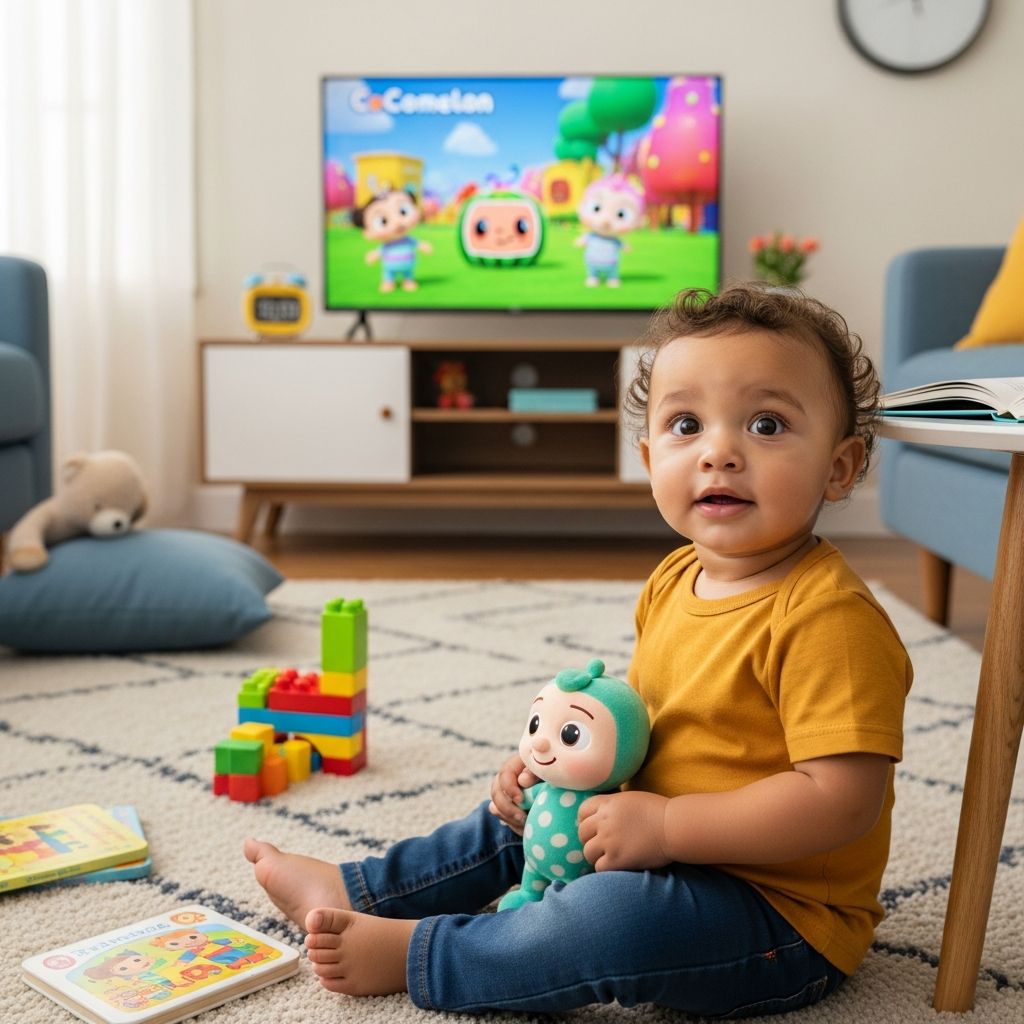
CoComelon has captivated millions of families worldwide with its vibrant animations, catchy tunes, and everyday toddler scenarios. This popular YouTube series promises educational value through songs about routines like brushing teeth or sharing toys. But as parents seek the best for their little ones’ developing minds, questions arise: Does it truly support growth, or does its fast pace pose hidden challenges? This guide draws from expert insights to examine CoComelon’s effects, recommend optimal videos, and offer strategies for balanced use alongside essential real-world play.
Understanding CoComelon’s Appeal and Design
At its core, CoComelon targets the 0-4 age group with simple narratives featuring JJ and his family navigating daily life. Episodes highlight positive behaviors, from hygiene habits to emotional expression, all wrapped in repetitive songs that stick in young minds. The low camera angle mimics a child’s viewpoint, while bright colors and gentle characters create a safe, engaging world. Creators emphasize modeling ideal family dynamics, helping kids visualize routines in a fun way.
Its massive popularity stems from this relatability. Toddlers recognize potty training struggles or mealtime adventures, making the content feel personal. Metrics show unprecedented viewership among under-2s, with some children uttering ‘CoCo’ as an early word. Yet, this grip raises concerns about dependency, as the marimba intro alone triggers excited responses in many homes.
Potential Developmental Benefits of CoComelon Videos
When used thoughtfully, CoComelon can reinforce key skills. Repetition aids memory for concepts like colors, numbers, and body parts. Songs about cleaning up or handwashing introduce routines, potentially easing transitions when paired with real-life practice. For instance, videos depicting sharing toys model social skills, encouraging empathy in playgroups.
Parents report practical wins: meltdowns during car rides or bedtime calm with familiar tunes, turning tough moments into shared sing-alongs. This transitional support shines during new experiences like starting daycare, where songs normalize the unfamiliar. Educational overlays—words popping on screen—spark early literacy curiosity, even if full comprehension comes later.
- Routine Building: Videos on meals, sleep, and hygiene create predictable patterns toddlers crave.
- Vocabulary Boost: Catchy lyrics introduce 100+ words through music’s natural rhythm.
- Emotional Modeling: Kind resolutions teach patience without real conflict.
Expert Concerns: Overstimulation and Screen Risks
Despite charms, experts caution against CoComelon’s intensity. Rapid scene cuts—every 2-3 seconds—flood young brains with stimuli, over-activating reward pathways via dopamine hits. This ‘screen high’ fosters craving for constant excitement, hindering focus on slower activities like block-building.
Neuroscience highlights the first five years as critical for attention and self-regulation. Overstimulating content disrupts synaptic pruning, potentially shortening attention spans. Piaget’s sensorimotor stage thrives on hands-on exploration, not passive viewing; reciting a tooth-brushing song doesn’t replace the tactile feel of a real brush.
The American Academy of Pediatrics (AAP) notes no direct studies on CoComelon, but stresses limited screen time for under-2s. Fast pacing lacks call-and-response or pauses for interaction, unlike slower programs. Prolonged exposure risks emotional regulation issues, as instant song resolutions bypass frustration tolerance Erikson deems vital.
| Aspect | CoComelon Style | Developmental Impact |
|---|---|---|
| Pacing | Quick cuts, layered audio | Heightens arousal, reduces calm focus |
| Interaction | One-way broadcast | Misses Vygotsky’s scaffolding feedback |
| Realism | Perfect resolutions | Limits resilience to real setbacks |
| Screen Time | High engagement | Risk of dependency over self-soothing |
Top CoComelon Videos for Positive Toddler Engagement
Selecting slower, routine-focused episodes maximizes benefits. Prioritize 5-10 minute clips over hour-long marathons to maintain attention without overload.
- Yes Yes Bedtime Song: Guides winding down with gentle repetition, ideal for sleep routines. Pairs well with dim lights and cuddles.
- Brush Your Teeth Song: Fun hygiene intro; follow with actual brushing for cause-effect learning.
- Wheels on the Bus: Classic mover that encourages dancing, blending screen with movement.
- Share Share Song: Promotes turn-taking; discuss during playdates.
- Potty Training Anthem: Normalizes accidents, reducing shame in real training.
These selections emphasize universality, covering meals, play, and self-care. Watch together, pausing to mimic actions—transforming viewing into joint activity.
Balancing Screen Time with Essential Offline Activities
AAP prioritizes play as the top developer of language, emotions, and cognition. Counter CoComelon with diverse, unscripted fun to build flexible thinking.
- Pretend Play: Dress-up or toy kitchens foster imagination and empathy.
- Building Challenges: Blocks and sorters hone motors and spatial skills.
- Story Circles: Co-create tales or read books for language depth.
- Outdoor Adventures: Parks, walks, or dances regulate energy and moods.
Integrate video themes: After a cleanup song, sort laundry together. Limit screens to 15-30 minutes daily, supervised, post-nap when alert. Track for signs of overstimulation like irritability post-viewing.
Parenting Strategies for Healthy CoComelon Use
Mindful integration prevents pitfalls. Set boundaries: one video per transition (e.g., post-lunch). Co-view actively—sing, question, connect to life. Use as springboard: ‘Like in the song, let’s wash hands now.’
Monitor totals; under-18-months ideally screen-free. For 2-3-year-olds, quality trumps quantity. Diversify with nature walks, music without screens. If dependency emerges, gradual wean with timers and alternatives.
Commercial ties—plushies, snacks—remind of profit motives; prioritize free play over merchandise.
Frequently Asked Questions (FAQs)
Is CoComelon educational for a 2-year-old?
It introduces routines and words via songs, but benefits peak with parental interaction and limited use. Pair with hands-on practice for real learning.
How much CoComelon is too much for toddlers?
AAP suggests under 1 hour daily max for 2-5s; shorter bursts (15 mins) prevent overstimulation. Watch for attention or mood shifts.
Does CoComelon cause attention problems?
Fast pacing may condition craving quick stimuli, per experts; balance with slow play mitigates risks.
What are better alternatives to CoComelon?
Slower shows with interaction (e.g., some Ms. Rachel segments) or zero-screen play like puzzles and outdoor romps excel.
Can CoComelon help with potty training?
Yes, songs normalize process; reinforce immediately after with real potty sits for success.
Long-Term Perspective: Nurturing Lifelong Learners
CoComelon fits as a tool, not cornerstone. Early years demand human connection over digital. By blending select videos with rich play, parents cultivate resilient, curious kids ready for school. Prioritize joy in mess-ups, boredom sparking creativity, and bonds trumping screens. This holistic approach ensures screens serve development, not supplant it.
References
- Too Fast, Too Loud, Too Soon? An Educationist’s Take on the Hidden Impacts of CoComelon on Toddlers’ Minds — Countercurrents.org. 2025-05-01. https://countercurrents.org/2025/05/too-fast-too-loud-too-soon-an-educationists-take-on-the-hidden-impacts-of-cocomelon-on-toddlers-minds/
- Watching CoComelon and Guidance on Early Childhood Development — American Academy of Pediatrics (AAP). Accessed 2026. https://www.aap.org/en/patient-care/media-and-children/center-of-excellence-on-social-media-and-youth-mental-health/qa-portal/qa-portal-library/qa-portal-library-questions/watching-cocomelon-and-guidance-on-early-childhood-development/
- Meltdown to MOMent: CoComelon Can Help Parenting Struggles — LA Magazine. Accessed 2026. https://lamag.com/contributor-content/meltdown-to-moment-cocomelon-can-help-parenting-struggles/
- How CoComelon Became a Children’s Entertainment Juggernaut — TIME. 2022-10-18. https://time.com/6157797/cocomelon-success-children-entertainment/